USA – CDFA ANNOUNCES RECALL OF RAW GOAT MILK PRODUCED AT VALLEY MILK SIMPLY BOTTLED OF STANISLAUS COUNTY

CDFA

SACRAMENTO, October 21, 2022 – Raw goat milk produced and packaged by Valley Milk Simply Bottled of Stanislaus County is the subject of a statewide recall and quarantine order announced by California State Veterinarian Dr. Annette Jones.  The quarantine order came following the confirmed detection of the bacteria Campylobacter jejuni in the farm’s packaged raw whole goat milk sampled and tested by the California Department of Food and Agriculture.

The order applies to “Valley Milk Simply Bottled Raw Goat Milk” and “DESI MILK Raw Goat Milk” distributed in half-gallon (64 oz) plastic jugs with a code date marked on the container of OCT 21 2022 through OCT 31 2022.

Consumers are strongly urged to dispose of any product remaining in their refrigerators, and retailers are to pull the product immediately from their shelves. The current order does not include the farm’s raw cow milk.

CDFA found the campylobacter bacteria in a routine sample collected at the Valley Milk Simply Bottled production and packaging facility.  No illnesses have been reported.

Symptoms of campylobacteriosis include diarrhea, abdominal cramps, and fever.  Most people with camplylobacteriosis recover completely.  Illness usually occurs 2 to 5 days after exposure to campylobacter and lasts about a week.  The illness is usually mild and some people with campylobacteriosis have no symptoms at all.  However, in some persons with compromised immune systems, it can cause a serious, life-threatening infection.  A small percentage of people may have joint pain and swelling after infection.  In addition, a rare disease called Guillian-Barre syndrome that causes weakness and paralysis can occur several weeks after the initial illness.
USA – Costco recalls hummus because of mold/mould issues

Food Safety News

Costco is recalling certain Kirkland Signature brand Pine Nut Hummus because of mold issues.

“We have identified some mold issues on the pine nut topping on one code date on this item,” Costco said in a letter to its members. The recalled items were sold between Sept. 21 to Oct. 18.

Recalled products:

  • Kirkland Signature Pine Nut Hummus with the code date: Best Before NOV 26 2022.
  • The date is located on the top of the container.

Consumers who have this code date in their refrigerator should return it to Costco for a full refund.

USA – Salmonella outbreak linked to Chili’s South Indian Cuisine in Seattle

Food Poison Journal

Food Poisoning Salmonella

Summary

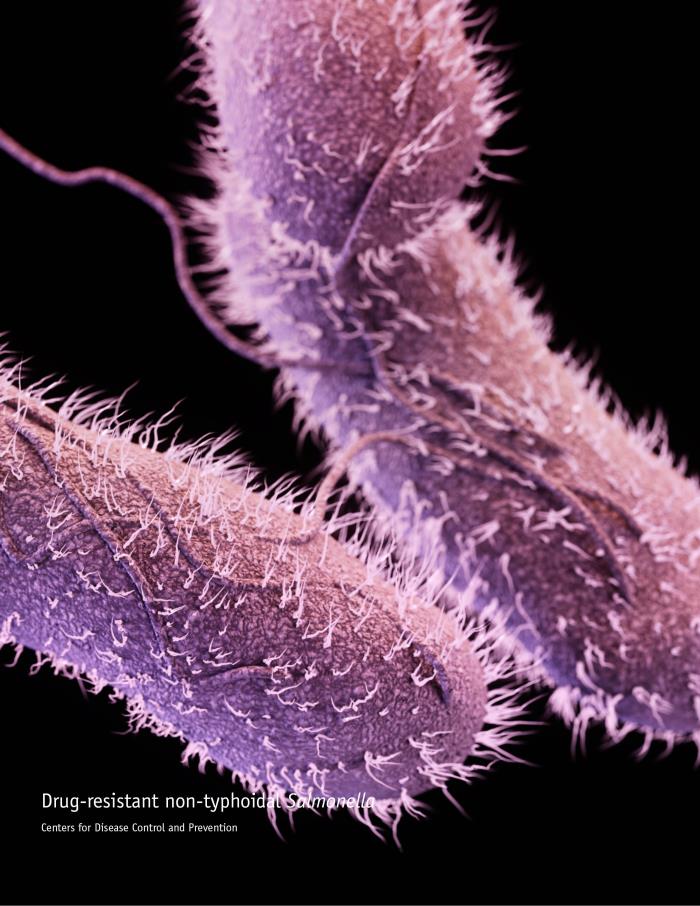
Public Health is investigating an outbreak of salmonellosis (caused by Salmonella bacteria) associated with Chili’s South Indian Cuisine in Seattle. The investigation is ongoing. At this time, we have not identified how Salmonella was spread within the restaurant. This is not uncommon because Salmonella can spread through contaminated food items, environmental surfaces, and from person to person.

Illnesses

Since October 6, 2022, three people from two separate meal parties reported becoming ill after consuming food from Chili’s South Indian Cuisine in Seattle on September 17, 2022 and September 23, 2022. All the people developed one or more symptoms consistent with salmonellosis, including diarrhea, abdominal cramping, nausea, and vomiting. We have not identified any ill employees.

Public Health actions

Public Health conducted interviews with the people ill with salmonellosis to identify potential common exposures and found that they all became ill after eating food from Chili’s South Indian Cuisine.

Environmental Health Investigators visited the restaurant on October 19, 2022. Investigators identified sanitizing issues, potential cross contamination, inadequate hand washing, and lack of proper access to handwashing stations. Corrective actions were taken during the inspection. Environmental Health Investigators will revisit the facility within 2 weeks to ensure proper compliance with food handling practices.

No ill employees were identified at the time of inspection. Investigators reviewed with restaurant management the requirement that ill staff are not allowed to work until they are symptom-free. Investigators provided education about preventing the spread of Salmonella – including preventing cross contamination, proper cooling methods, sanitizing procedures and handwashing.

Laboratory testing

Two of the cases have confirmatory testing indicating infections with Salmonella via culture. Both cases have the same strain of Salmonella, based on genetic fingerprinting (whole genome sequencing or WGS) at the Washington State Public Health Laboratory. The third case did not have confirmatory testing but had symptoms consistent with Salmonellosis and is epidemiologically linked.

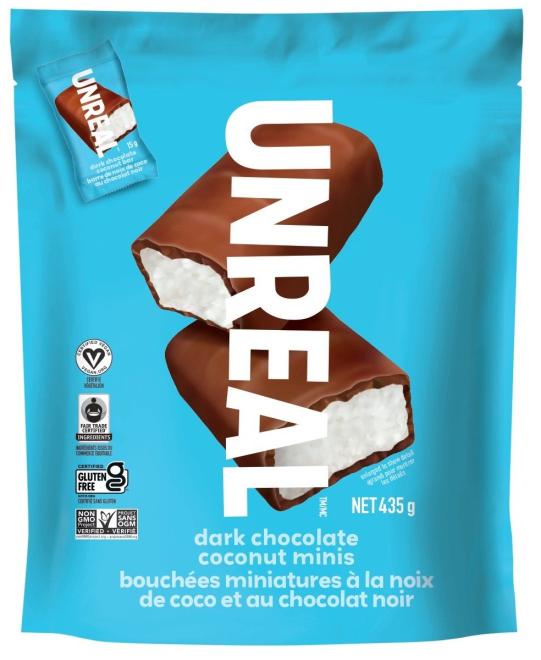
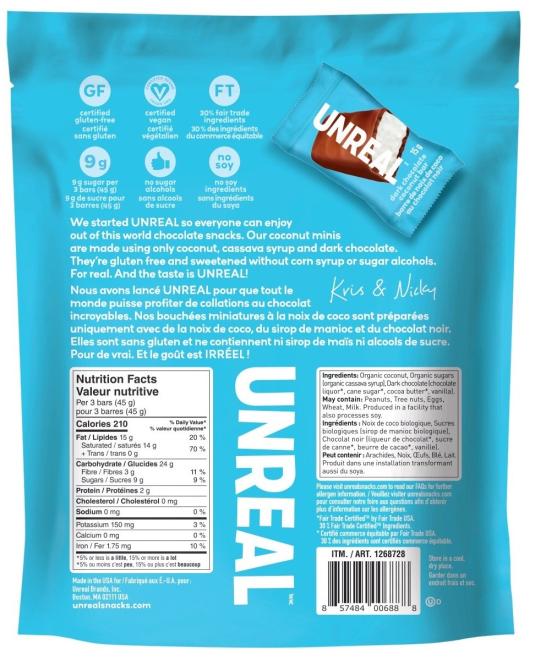
Canada – UNREAL brand dark chocolate coconut minis recalled due to Salmonella

CFIA

Summary

Product
dark chocolate coconut minis
Issue
Food – Microbial Contamination – Salmonella
What to do

Do not consume, use, sell, serve, or distribute recalled products

Affected products

Issue

The affected product is being recalled from the marketplace due to possible Salmonella contamination.

The recalled product has been sold in British Columbia, Alberta, Saskatchewan, Manitoba, Ontario, Quebec, New Brunswick, Nova Scotia, and Newfoundland and Labrador.

What you should do

  • If you think you became sick from consuming a recalled product, contact your healthcare provider
  • Check to see if you have recalled products
  • Do not consume, serve, use, sell, or distribute recalled products
  • Recalled products should be thrown out or returned to the location where they were purchased

Food contaminated with Salmonella may not look or smell spoiled but can still make you sick. Young children, pregnant women, the elderly and people with weakened immune systems may contract serious and sometimes deadly infections. Healthy people may experience short-term symptoms such as fever, headache, vomiting, nausea, abdominal cramps and diarrhea. Long-term complications may include severe arthritis.

Belgium – Organic brown rice cakes 100g from the Franprix brand- Mycotoxins

AFSCA

Recall by Franprix
Product: Organic brown rice cakes 100g from the Franprix brand.
Problem: Too high content of mycotoxins.


In agreement with the FASFC, FRANPRIX is withdrawing the product “Organic brown rice cakes” (100g) from the Franprix brand from sale and recalling it from consumers because of an excessive mycotoxin content.

FRANPRIX asks its customers not to consume this product and to return it to the point of sale where it was purchased for reimbursement.

Description of the product:

– Brand product: Organic brown rice cakes (100g) from the Franprix brand.
– Barcode: 3263850575815
– Expiry date (BDD): 25/05/2023
– Batch number: H22144J

The product was sold via Franprix stores in Belgium.

For further information, you can contact consumer service by dialing the number: 0033 9 70 17 10 00 Monday to Friday from 8:30 a.m. to 8:30 p.m.

Research – Bacteriophage cocktail shows promise against Vibrio outbreaks in shrimp farms

The Fish Site

Food Illness

Researchers from the Biological Research Center of the Northwest, the Autonomous University of Nuevo León, the Food and Development Research Center AC and the University of Girona evaluated the protective effects of a cocktail of bacteriophages in L. vannamei post larvae against Vibrio bacteria. The scientists found that treating the PLs with bacteriophages kept Vibrio infections at bay and reduced their concentrations in culture water – without harming the surrounding bacterial communities.

Vibrio populations and bacteriophages

Vibrio bacteria are widely disseminated in ocean environments and several Vibrio species are responsible for disease outbreaks in marine animals – especially penaeid shrimp, different fish species and molluscs. Some strains of V. harveyi and V. campbellii have been implicated in disease outbreaks in shrimp hatcheries and grow-out facilities around the world. They’ve also been associated with coral infections.

“We used culture-dependent and culture-independent approaches to explore their effects on bacterial communities associated with shrimp post larvae,” the researchers said. According to the results of the study, administering the phage cocktail drastically reduced Vibrio counts in both in vitro and in vivo environments.

Research – Antifungal action of quaternary ammonium compounds against environmental molds isolated from food industries

Wiley Online

CDC Mould

Abstract

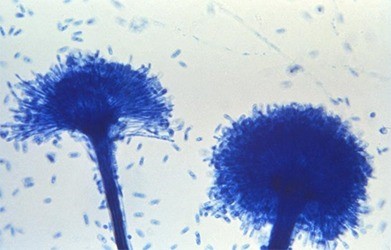
Molds are ubiquitously found microorganisms that are usually present as contaminants in food industrial environments. It has been shown that Cladosporium and Aspergillus genera are two of the most abundant and widely distributed in these locations because they are highly resistant species to sanitizing treatments. Hence, the search of antimicrobial compounds that are effective to these types of fungal contamination becomes relevant. The aim of this report was to evaluate the antifungal capacity of two commercial preparations made both with benzalkonium chloride (a first generation QAC) alone and with the addition of glutaraldehyde at different concentrations and contact times. A suspension-neutralization test was performed employing spores of five strains of both Aspergillus section Nigri and Cladosporium cladosporioides, all isolated from food industries environments. Results have shown that benzalkonium chloride preparation was successful in destroying Cladosporium spores at 5% (v/v) concentration (average 4D value of 9.1 min) but failed in neutralizing Aspergillus propagules at the same conditions. On the other hand, the commercial mixture made of benzalkonium chloride and glutaraldehyde was effective in the inactivation of all food spoilage fungi spores at 1% (v/v) concentration (average 4D value of 1.8 and 8.8 min for Cladosporium and Aspergillus strains, respectively).

Research – Lactic Acid Bacteria and Bacteriocins: Novel Biotechnological Approach for Biopreservation of Meat and Meat Products

MDPI

Meat and meat products are perishable in nature, and easily susceptible to microbial contamination and chemical deterioration. This not only results in an increased risk to health of consumers, but also causes economic loss to the meat industry. Some microorganisms of the lactic acid bacteria (LAB) group and their ribosomal-synthesized antimicrobial peptides—especially bacteriocins—can be used as a natural preservative, and an alternative to chemical preservatives in meat industry. Purified or partially purified bacteriocins can be used as a food additive or incorporated in active packaging, while bacteriocin-producing cells could be added as starter or protective cultures for fermented meats. Large-scale applications of bacteriocins are limited, however, mainly due to the narrow antimicrobial spectrum and varying stability in different food matrixes. To overcome these limitations, bioengineering and biotechnological techniques are being employed to combine two or more classes of bacteriocins and develop novel bacteriocins with high efficacy. These approaches, in combination with hurdle concepts (active packaging), provide adequate safety by reducing the pathogenicity of spoilage microorganisms, improving sensory characteristics (e.g., desirable flavor, texture, aroma) and enhancing the shelf life of meat-based products. In this review, the biosynthesis of different classes of LAB bacteriocins, their mechanism of action and their role in the preservation of meats and meat products are reviewed.

Mycotoxins – New EU maximum limits for Ochratoxin A in certain foodstuffs

Affidia Journal

On August 8th was published the Commission Regulation (EU) 2022/1370 of 5 August 2022 amending Regulation (EC) No 1881/2006 as regards maximum levels of Ochratoxin A in certain foodstuffs.

Ochratoxin A (OTA) is a naturally occurring foodborne mycotoxin produced by various fungi of the genus Aspergillus and Penicillium, and it can be found in a wide variety of agricultural commodities, such as grains, seeds and beans, dried fruits, spices, and roots.

OTA is formed during sun drying and storage of crops, and, due to its stability under moderate heating, it can persist along the food production chain. However, losses ranging up to 90% have been observed at temperatures above 180°C.

Several toxic effects associated with OTA have been reported over the years.

The International Agency for Research on Cancer has included OTA in its Group 2 carcinogens, due to its kidney carcinogenicity, even if the mechanisms of genotoxicity are still unclear.

In 2006 the European Food Safety Authority performed a first risk assessment for OTA. In agreement with this assessment, the European Commission established in Regulation (EC) 1881/2006 maximum admissible levels of OTA for human consumption in many foodstuffs, such as cereals, coffee, grapes, grapefruit, dried vine fruits, wine, spices, and liquorice.

In recent years, further findings of high levels of Ochratoxin A were observed in food products for which no maximum levels were set at EU level, this raised questions regarding the necessity of setting new maximum levels for OTA in these foods.

In May 2020, EFSA published a revision of the OTA risk assessment, taking into account the new scientific evidence.

Based on this new risk assessment, the EU Commission established the Regulation (EU) 2022/1370, which revised the maximum levels for OTA present in Regulation (EC) 1881/2006 as follows:
• setting a maximum level for foods not yet included that contribute to human exposure to OTA;
• setting a level for non-alcoholic malt beverages and date syrup, pending the determination of a link with the OTA content of malt and dates;
• reducing the levels already set in certain foods (e.g. bakery products, dried vine fruit, roasted coffee and soluble coffee);
• the existing provisions for ochratoxin A in certain spices has been broadened to all spices.
For cheese and ham, it has been established that additional monitoring on the presence of ochratoxin A is appropriate before the setting of maximum levels.

The new Regulation will enter into force on the 28th of August 2022 and it shall apply from 1 January 2023.

Research – Salmonella Typhimurium outbreak associated with frozen tomato cubes at a restaurant in western Finland, January to February 2021

Eurosurveillance

On 2 February 2021, a local environmental health authority in western Finland notified the National Registry for Food and Waterborne Outbreaks about six cases of  infection suspected to be related to a local lunch restaurant in a region where there had been between one and three salmonellosis cases per month. More cases were soon discovered that were linked to food eaten at the same restaurant on the days 27–29 January 2021, and the Finnish Institute for Health and Welfare (THL) was informed of 44 outbreak-related cases. The estimated number of potentially exposed persons was 400. THL and the Finnish Food Authority joined the local outbreak investigation team to support and coordinate the epidemiological and microbiological investigations.

We report here a food-borne outbreak caused by a non-monophasic multidrug-resistant  Typhimurium strain that was not detected in Finland before.