France – Raw Milk Cheese -Little Reblochon from Savoy – Staphylococcus aureus

Gov france

Identification information of the recalled product

  • Product category Feed
  • Product subcategory Milk and dairy products
  • Product brand name Pochat & sons
  • Model names or references Petit Reblochon de Savoie AOP with raw milk
  • Identification of products
    GTIN Batch Date
    3294580201019 2253951 Date of minimum durability 02/21/2023
  • Marketing start/end dateFrom 26/12/2022 to 14/01/2023
  • Storage temperature Product to be stored in the refrigerator
  • Health mark EN 74.011.060 CE
  • Geographic area of ​​sale Whole France
  • Distributors LECLERC CARREFOUR CORA AUCHAN

Practical information regarding the recall

  • Reason for recall Possible presence of Staphylococci (precautionary principle)
  • Risks incurred by the consumer Staphylococcus aureus (causative agent of staphylococcal poisoning)

Canada – Le Cendré de Notre-Dame brand Semi-soft Surface-ripened Cheese recalled due to Listeria monocytogenes

CFIA

Le Cendré de Notre-Dame - Semi-soft Surface-ripened Cheese

Summary

Product
Semi-soft Surface-ripened Cheese
Issue
Food – Microbial Contamination – Listeria
What to do

Do not consume, use, sell, serve, or distribute recalled products

Affected products

The affected product is being recalled from the marketplace due to possible Listeria monocytogenes contamination.

The recalled product has been sold in Quebec and may have been distributed in other provinces and territories.

What you should do

  • If you think you became sick from consuming a recalled product, contact your healthcare provider
  • Check to see if you have recalled products
  • Do not consume, serve, use, sell, or distribute recalled products
  • Recalled products should be thrown out or returned to the location where they were purchased

Food contaminated with Listeria monocytogenes may not look or smell spoiled but can still make you sick. Symptoms can include vomiting, nausea, persistent fever, muscle aches, severe headache and neck stiffness. Pregnant women, the elderly and people with weakened immune systems are particularly at risk. Although infected pregnant women may experience only mild, flu-like symptoms, the infection can lead to premature delivery, infection of the newborn or even stillbirth. In severe cases of illness, people may die.

Italy – Meat Product – Salmonella

Salute

Brand : IL READY TO COOK

Name : TASTASALE (article code 345864)

Reason for reporting : Recall for microbiological risk

Date of publication : 13 January 2023

Documentation

Documentation

USA – Utopia Foods Expands Recall on “Enoki Mushrooms” Because of Possible Health Risk – Listeria monocytogenes

FDA

Front of package, Utopia Foods Enoki Mushrooms

Company Announcement

Utopia Foods Inc of Glendale, NY, is expanding the recall of its 200g packages of “Enoki Mushrooms”, imported from China, with clear and blue plastic packages with clear markings of “Best before 03/02/2023” or “Best before 03.09.23” distributed between January 6th to January 13th, 2023 because they have the potential to be contaminated with Listeria monocytogenes, an organism which can cause serious and sometimes fatal infections in young children, frail or elderly people, and others with weakened immune systems. Although healthy individuals may suffer only short-term symptoms such as high fever, severe headache, stiffness, nausea, abdominal pain and diarrhea, Listeria infection can cause miscarriages and stillbirths among pregnant women.

The product comes in a 200g, clear and blue plastic package with brand name “UTOPIA” and bar code 8928918610017 marked on the packaging.

No illnesses have been reported to date in connection with this problem.

The recalled “Enoki Mushrooms” were distributed in NY, NJ and CT to produce wholesale companies.

The distribution of the product has been suspended while FDA and the company continue to investigate the source of the problem.

All vendors who have distributed the 200g packages of “Enoki Mushrooms” should immediately cease the distribution and notify their customers of the recall and recall instructions. If their customers have further distributed the product notify them to instruct their customers.

Consumers who have purchased the item are urged to return them to the place of purchase for a refund.

Consumers with questions may contact the company at 718.389.8898.


Company Contact Information

Consumers:
Utopia Foods Inc
 718.389.8898

Research – Countrywide multi-serotype outbreak of Salmonella Bovismorbificans ST142 and monophasic Salmonella Typhimurium ST34 associated with dried pork sausages in France, September to January 2021 

Eurosurveillance

 is a major cause of gastroenteritis, with 180 million cases globally per year (9% of all infectious gastroenteritis cases) and is responsible for almost half (41%) of the deaths associated to the diarrhoeal disease.  shows the highest rates of demonstrated association to food-borne infection, i.e. 52% for non-typhoidal salmonellosis [1]. In 2019, 87,923 confirmed cases of salmonellosis in humans were reported in Europe, with a European Union (EU) notification rate of 20.0 cases per 100,000 population;  caused 26.6% of all food-borne outbreaks [2]. In France,  remains the main cause of food-borne illness–associated hospitalisation and death [3,4].

Three serotypes are responsible for the majority of  infections in Europe: Enteritidis, Typhimurium and its monophasic variant (,4,[5],12:i:-), together representing 70.3% of the 79,300 confirmed human cases with a known serotype in 2019. After poultry, pork is the most frequent source for salmonellosis in Europe (31%), and it has become the most frequent source for  serotype Typhimurium and its monophasic variant ,4,[5],12:i:-. In France, pork is suspected to be responsible for half of the salmonellosis cases reported every year [2,5,6].

 serotype Bovismorbificans is a relatively frequent food-borne pathogen (57 cases/year in France from 2012–20, and it was the 13th most frequently isolated serotype among human-identified  infections in Europe in 2019 [2]. Serotype Bovismorbificans is often identified in association with consumption of contaminated vegetables [7–11]. However, it has also been recently involved in outbreaks linked to horse and pork meat in Australia and France [12,13].

Research – Recommendations and technical specifications for sustainable surveillance of zoonotic pathogens where wildlife is implicated

EFSA

Abstract

A science‐based participatory process guided by EFSA identified 10 priority zoonotic pathogens for future One Health surveillance in Europe: highly pathogenic avian influenza, swine influenza, West Nile disease, tick‐borne‐encephalitis, echinococcosis, Crimean Congo Haemorrhagic Fever, hepatitis E, Lyme disease, Q‐fever, Rift Valley fever. The main aim of this report is to formulate recommendations and technical specifications for sustainable coordinated One health surveillance for early detection of these zoonotic pathogens where wildlife is implicated. For this purpose: (i) first, we reviewed the cornerstones of integrated wildlife monitoring that are applicable to zoonotic disease surveillance in wildlife under OH surveillance in the EU; (ii) we analysed the characteristics of the main wildlife groups and the selected pathogens relevant to surveillance aimed at early detection, and integrated with other health compartments; (iii) we proposed general recommendations for the first steps of sustainable wildlife zoonotic disease surveillance in the EU, and (iv) specific recommendations of surveillance aimed at risk based early detection of pathogens in the main wild species groups. We finally proposed (iv) a framework for integrating animal disease surveillance components (wildlife, domestic, environment) for early detection under OH approach.

Research – Evaluation of pulsed light treatment for inactivation of Salmonella in packaged cherry tomato and impact on background microbiota and quality

Wiley Online

Abstract

The microbial safety of produce continues to be a real concern. The objective of this study was to investigate the efficacy of high intensity short time pulsed light (PL) application on survival of Salmonella in packaged cherry tomato. Treatment effects on reduction of native microbiota and quality were also evaluated. Stem scars of cherry tomatoes, inoculated with a three serotypes cocktail of Salmonella enterica, was treated with PL for up to 60 s. Polyethylene (PE) films of 25.4, 50.8 and 76.2 μm thickness were used for packaging treatment. A10 s treatment equivalent to a fluence dose of 10.5 J/cm2 was considered optimum. Both packaged and direct PL treatments provided >1 log reduction of the pathogen in 10 s (10.5 J/cm2). Direct treatment for 10 s resulted in 1.9 ± 0.17 log CFU/g reduction of Salmonella. For packaged tomatoes, log reductions decreased with increasing film thickness but not significantly (p < .05). Also, no significant difference in PL decontamination efficacy between packaged and unpackaged tomatoes was observed. Treatment significantly reduced the initial populations of aerobic mesophilic bacteria (3.6 ± 0.31 log), molds and yeast (2.43 ± 0.22 log) by >1 log, respectively. Packaged tomatoes were softer after treatment but not significantly. Storage time did not affect fruit firmness. No significant change in the visual appearance of fruits were observed after treatment and during 14 days of storage. Overall, the results of this study demonstrate that high intensity short time PL treatment may be used to enhance microbial safety and reduce postprocessing contamination of packaged cherry tomato.

Research – Study on bacterial infection in older individuals

News Medical

The older population is prone to microbial infections, which can lead to death. Hence, it is important to understand why this group is vulnerable to microbial infection, especially bacterial infection. A recent Scientific Reports study linked data from two sources to understand the determining factors for microbial infection in the older population in the UK.

The prevalence of bacterial infection significantly increases with age. According to English surveillance data, the incidence of Escherichia coli (E. coli) bacteria is around ten times more in men who are between 45 and 64 years of age and around 100 times more in men above 75 years of age, compared to the younger age group, i.e., those between 15 and 44 years of age. Similar trends were observed with Staphylococcus aureus, Streptococcus pneumoniae, and Streptococcus pyogenes bacteria.

Currently, there is no clear explanation for why older individuals are more vulnerable to microbial infections. Nevertheless, environmental risk factors, such as nutrition, lifestyle, and housing, have been deemed possible contributing factors. In addition, the levels of C reactive proteins (CRP) could contribute to individual infection risk.

Serological studies have indicated that aging is associated with a gradual decrease in adaptive immunity, i.e., T-cell responses and antibody levels, which leads to an increase in pneumococcal pneumonia and herpes zoster infections.

In addition to radiological imaging, microbiological sampling (e.g., blood, urine, sputum, peritoneal fluid, and cerebrospinal fluid) can also be used to diagnose an infection by identifying the causal organism of the infection. In England, microbiological specimens are typically processed in hospital laboratories under the National Health Service.

About the Study

The current study used a large-scale population cohort, namely the UK Biobank (UKB), to understand the determining factors of bacterial infection and how it influences subsequent health-related problems.

UKB is a prospective cohort that contains information on around 500,000 men and women aged between 40 and 69 between 2006 and 2010. Initially, this cohort was designed to evaluate the environmental and genetic determinants that lead to common life-threatening diseases.

Public Health England (PHE) has established a second-generation surveillance system (SGSS) to monitor and improve public health. The SGSS dataset contains regularly updated information on human pathogens, such as Campylobacter, Salmonella, and other foodborne pathogens. Additionally, it contains antimicrobial test reports against important pathogens.

The current study demonstrated the possibility of linking UKB prospective cohort data with a national dataset containing information on microbial culture in England (SGSS).

Research – Studies Aim to Improve Detection, Control Methods for Cyclospora

Food Safety.Com

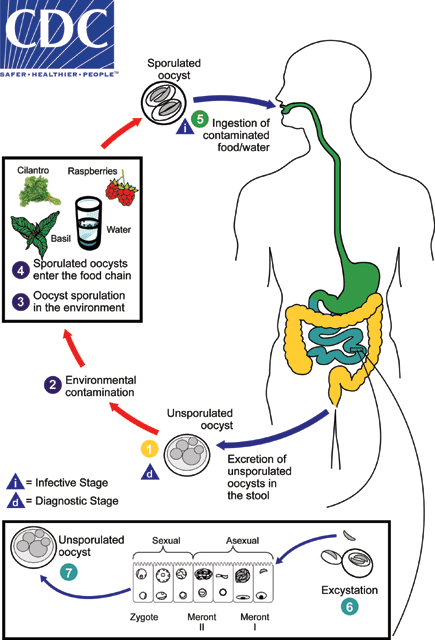
Two ongoing studies funded by the Center for Produce Safety (CPS) are looking to improve detection and control methods for Cyclospora cayetanensis. A complex protozoan parasite, C. cayetanensis is extremely challenging to culture in a laboratory setting, and requires complicated microscopy for detection in samples.

The first project, led by Purdue University’s Lia Stanciu, Ph.D., seeks to use “aptamers”—or short strands of synthesized DNA—to bind to C. cayetanensis. The aptamers would then be used to create a paper-based, low-cost, and easy-to-use water test for the parasite, similar to rapid COVID-19 or pregnancy tests.

The second study is exploring the use of zero-valent iron (ZVI) sand filters to remove C. cayetanensis from water, evaluating the basic principle that physical exclusion might be an option to reduce parasite burdens.

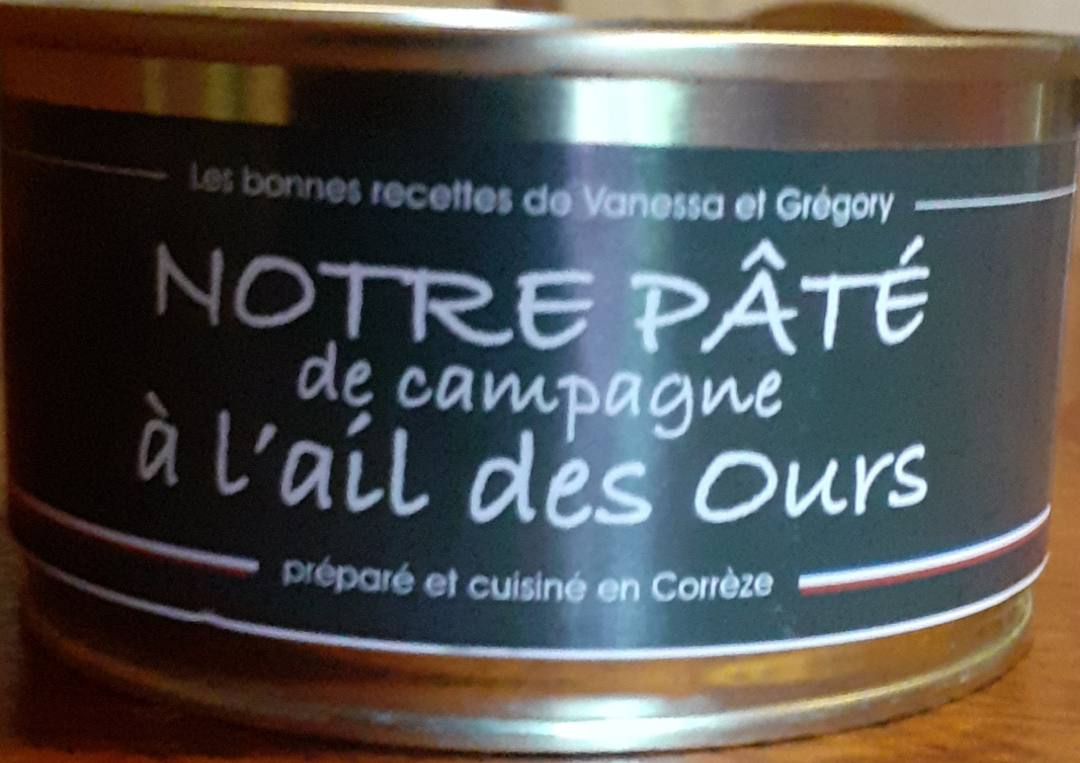
France – Pate – KEEP VANESSA AND GREGORY’S GOOD RECIPES – Clostridium botulinum

Gov france

Identification information of the recalled product

  • Product category Feed
  • Product subcategory Meats
  • Product brand name The good recipes of Vanessa and Grégory of Corrèze flavors
  • Model names or references Country pâté, Country pâté with wild garlic, Country pâté with porcini mushrooms, Rabbit pâté with savory, Grandmother’s pâté, Grandmother’s pâté with porcini mushrooms, Pork cheek confit, Duck pâté with Tonka bean
  • Identification of products
    Lot Date
    333 et 148 Recommended best before date between 06/01/2024 and 11/29/2024
  • Packaging Metal cans of 190gr (1/4 low) and 380gr (1/2 low) for pâtés.
  • Marketing start/end date From 06/01/2021 to 12/31/2022
  • Storage temperature Product to be stored at room temperature
  • Health mark 19.249.002
  • Geographic area of ​​sale Corrèze Flavors Egletons
  • Distributors Correzian Flavors

Practical information regarding the recall

  • Reason for recall can stability problem
  • Risks incurred by the consumer Clostridium botulinum (agent responsible for botulism)