Brand : Agrisalumeria Luiset
Denomination : Traditional raw salami
Reason for reporting : Remind for microbiological risk
Date of publication : 1 February 2023

Brand : Agrisalumeria Luiset
Denomination : Traditional raw salami
Reason for reporting : Remind for microbiological risk
Date of publication : 1 February 2023
Posted in food contamination, food handler, Food Hazard, Food Hygiene, Food Inspections, Food Micro Blog, Food Microbiology, Food Microbiology Blog, Food Microbiology Testing, Food Pathogen, food recall, Food Safety, Food Safety Alert, Food Safety Management, Food Safety Regulations, Food Testing, Listeria, Listeria monocytogenes, Salmonella
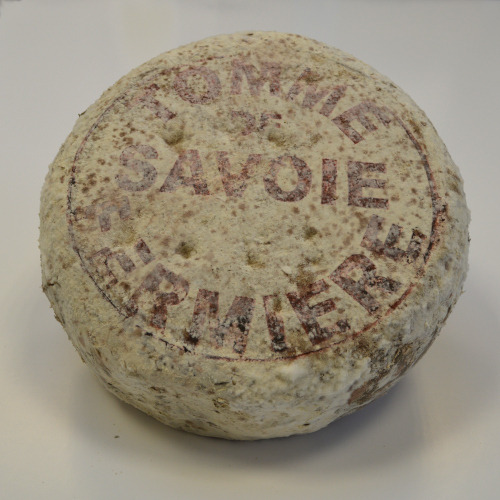
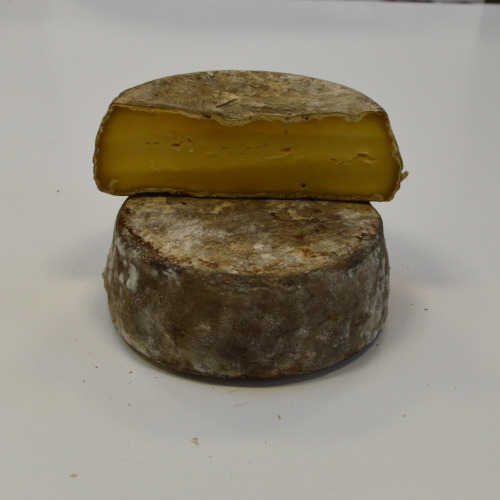

| Batch | ||
|---|---|---|
| Tommes de Savoie farmhouse (IGP): from lot 2964 to lot 2975 | ||
| Floor tiles: lots 51222, 61222, 81222, 91222, 171222 | ||
| Sarvan: lots 31222, 151222, 171222 | ||
Posted in food contamination, food handler, Food Hazard, Food Hygiene, Food Inspections, Food Micro Blog, Food Microbiology, Food Microbiology Blog, Food Microbiology Testing, Food Pathogen, food recall, Food Safety, Food Safety Alert, Food Safety Management, Food Safety Regulations, Food Testing, Listeria, Listeria monocytogenes
GUNTUR: As many as 130 students fell sick after consuming food at Gurukul school in Ramakrishnapuram in Palnadu district on Monday. Out of these students, 60 were admitted to hospital due to suspected food poisoning after they complained of vomiting and diarrhoea. As many as 650 students are studying at the Gurukul.
According to sources, a few students complained of stomach pain and nausea in the morning hours of Monday. The health officer at the school gave them the required medicines. However, the situation turned worse when several other students too took ill with similar symptoms. Later, they shifted the students to the Sattenapalli area hospital.
Posted in Food Illness, Food Micro Blog, Food Microbiology, Food Microbiology Blog, Food Microbiology Research, Food Microbiology Testing, Food Poisoning, Foodborne Illness, Illness, microbial contamination, Microbial growth, Microbiological Risk Assessment, Microbiology, Microbiology Investigations, Microbiology Risk, Poisoning
If you’re feeding maize, you likely have a mycotoxin problem on your farm, delegates at a recent ruminant nutrition were told.
Breaking down the results of this year’s mycotoxin survey, Laura Quinn, Ruminant Technical Species Expert at DSM, said: “When plants get stressed – whether that be drought, weather-related or disease – they can be vulnerable to being attacked by fungi, and mycotoxins are toxic secondary metabolites which are released by the fungi.
Biomin and DSM have run the survey since 2004.
The firm analyses over 20,000 samples a year and offers localised predictions for mycotoxins based on weather patterns.
“Mycotoxins are anti-protozoal, anti-bacterial and anti-fungal, which is great for disinfectant, but considering in the rumen we are trying to use these to break down feed materials to produce milk, we don’t want them having that effect in the cow.”
In dairy animals, mycotoxins have been linked with reduced feed intake, lower milk yields, liver inflammation, lower vaccine efficacy, and lower fatty acid production, among other production and health issues.
There are currently more than 1,000 mycotoxins identified, with more being discovered by scientists all the time.
Posted in Aflatoxin, Aflatoxin B1, Alternaria Toxin, Animal Feed Mould Toxin, Aspergillus Toxin, Food Micro Blog, Food Microbiology, Food Microbiology Blog, Food Microbiology Research, Food Microbiology Testing, Fusarium Toxin, microbial contamination, Microbial growth, Microbiological Risk Assessment, Microbiology, Microbiology Investigations, Microbiology Risk, Mold Toxin, Mould Toxin, Mycotoxin, Ochratoxin, Ochratoxin A
A large salmonella outbreak on eight poultry farms around the country has resulted in more than 7,000 birds having to be culled to ensure potentially-infected chicken products do not enter the food chain.
Due to the risk to human health from the bacteria, restrictions have been applied in the vicinity of the farms, most of which are in Co Cavan.
The Food Safety Authority of Ireland (FSAI) is working with the Department of Agriculture, Food and the Marine (DAFM) in an effort to curb the outbreak and to determine its cause.
The FSAI has confirmed that incidences of salmonella infection in broiler flocks were linked to a raw-chicken food recall it issued last week, when some poultry products were removed from supermarket shelves.
Posted in Food Micro Blog, Food Microbiology, Food Microbiology Blog, Food Microbiology Research, Food Microbiology Testing, FSAI, microbial contamination, Microbial growth, Microbiological Risk Assessment, Microbiology, Microbiology Investigations, Microbiology Risk, Salmonella, Salmonella in Chicken
Simply Sunny, dried figs, 400g

Eurogroup Deutschland GmbH

Eurogroup Deutschland GmbH
Eurogroup Deutschland GmbH Katzbergstraße 3 D – 40764 Langenfeld, Germany Distribution through branches of Penny Markt GmbH
Presence of ochratoxin A (“storage mold”)
See attached consumer information
Click to access 5493_Marktaushang_Simply_Sunny_-_Feigen_getrocknet.pdf
Posted in food contamination, food handler, Food Hazard, Food Hygiene, Food Inspections, Food Micro Blog, Food Microbiology, Food Microbiology Blog, Food Microbiology Testing, Food Poisoning, food recall, Food Safety, Food Safety Alert, Food Safety Management, Food Safety Regulations, Food Testing, Food Toxin, Mold Toxin, Mould Toxin, Mycotoxin, Ochratoxin, Ochratoxin A
WASHINGTON, Jan. 31, 2023 – Conagra Brands, Inc., a Fort Madison, Iowa establishment, is recalling approximately 2,581,816 pounds of canned meat and poultry products due to a packaging defect that may cause the products to become contaminated without showing any outward signs of contamination, the U.S. Department of Agriculture’s Food Safety and Inspection Service (FSIS) announced today.
The meat and poultry products were produced between December 12, 2022, and January 13, 2023. The following products are subject to recall: [view spreadsheet] [view labels].
The products subject to recall bear establishment number “P4247” on the product cans. These items were shipped to retail locations nationwide.
The problem was discovered when the establishment notified FSIS after observing spoiled and/or leaking cans from multiple production dates at the establishment’s warehouse.
Subsequent investigation by the establishment determined that the cans subject to recall may have been damaged in a manner that is not readily apparent to consumers, which may allow foodborne pathogens to enter the cans.
There have been no confirmed reports of adverse reactions due to consumption of these products. Anyone concerned about an injury or illness should contact a healthcare provider.
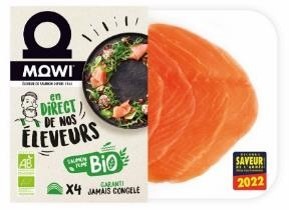
| GTIN | Batch | Date |
|---|---|---|
| 3321431026863 | 01136020 | Use-by date 20/01/2023 |
Posted in food contamination, food handler, Food Hazard, Food Hygiene, Food Inspections, Food Micro Blog, Food Microbiology, Food Microbiology Blog, Food Microbiology Testing, Food Pathogen, food recall, Food Safety, Food Safety Alert, Food Safety Management, Food Safety Regulations, Food Testing, Listeria, Listeria monocytogenes
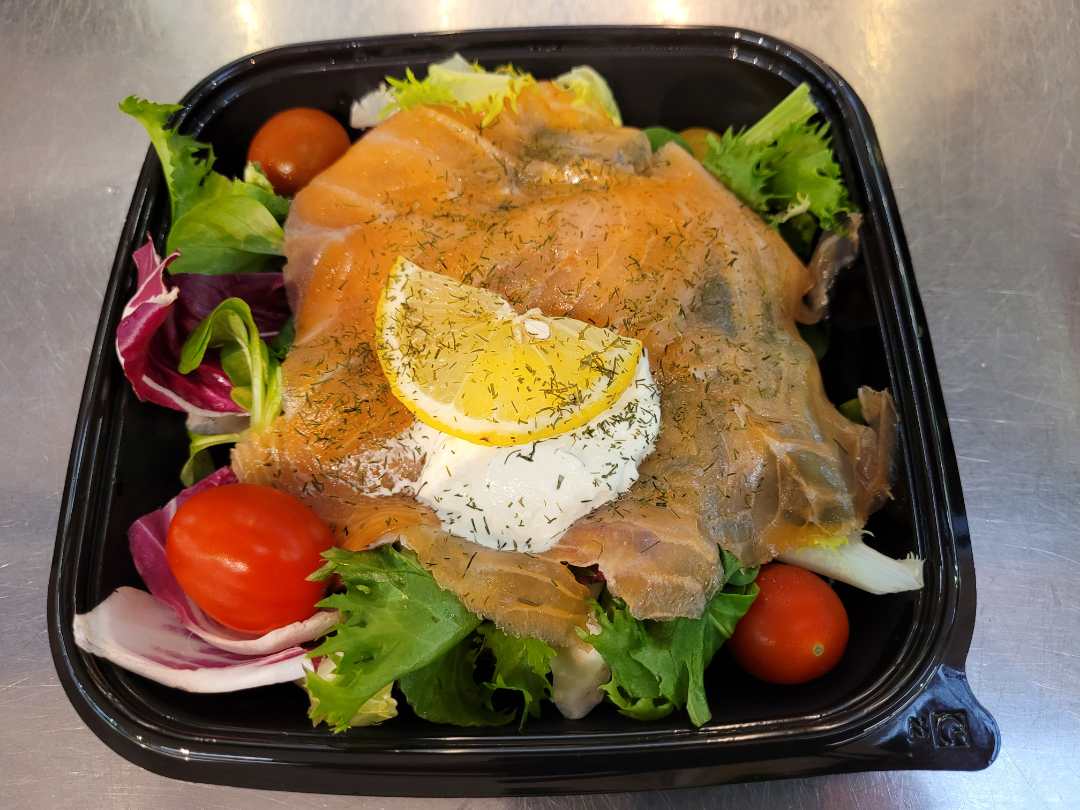
| GTIN | Date | |
|---|---|---|
| 0202731000000 | Use-by date between 03/01/2023 and 08/01/2023 | |
Posted in food contamination, food handler, Food Hazard, Food Hygiene, Food Inspections, Food Micro Blog, Food Microbiology, Food Microbiology Blog, Food Microbiology Testing, Food Pathogen, food recall, Food Safety, Food Safety Alert, Food Safety Management, Food Safety Regulations, Food Testing, Listeria, Listeria monocytogenes
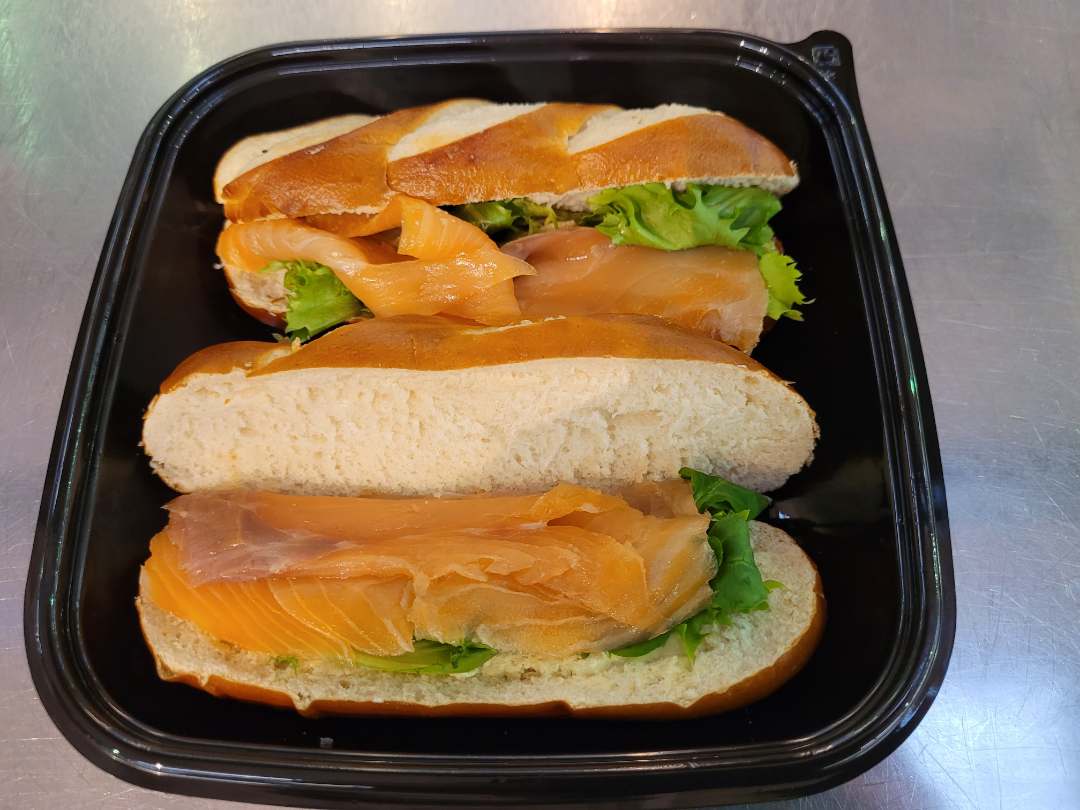
| GTIN | Date | |
|---|---|---|
| 0207233000000 | Use-by date 10/01/2023 | |
Posted in food contamination, food handler, Food Hazard, Food Hygiene, Food Inspections, Food Micro Blog, Food Microbiology, Food Microbiology Blog, Food Microbiology Testing, Food Pathogen, food recall, Food Safety, Food Safety Alert, Food Safety Management, Food Safety Regulations, Food Testing, Listeria, Listeria monocytogenes


