What is ACOP L8 & What Does It Say About Controlling Legionella?

Legionella Control

The Health and Safety Executive Approved Code of Practice L8 (ACOP L8) is a key document, offering essential direction and guidance to help business owners and those responsible for workplace safety manage the risks associated with legionella and Legionnaires’ disease.

In this guide the water safety specialists at Legionella Control International help to demystify the ACOP L8 to explain what it is, its special legal status, how to interpret it, and the role of the duty holder and responsible person.

A version of this guide to the HSEs ACOP L8 and how to interpret it first appeared in Legionella Control International’s newsletter. To get it in your inbox, sign up for free here.

Research – Safety Properties of Escherichia coli O157:H7 Specific Bacteriophages: Recent Advances for Food Safety

MDPI

Abstract

Shiga-toxin-producing Escherichia coli (STEC) is typically detected on food products mainly due to cross-contamination with faecal matter. The serotype O157:H7 has been of major public health concern due to the severity of illness caused, prevalence, and management. In the food chain, the main methods of controlling contamination by foodborne pathogens often involve the application of antimicrobial agents, which are now becoming less efficient. There is a growing need for the development of new approaches to combat these pathogens, especially those that harbour antimicrobial resistant and virulent determinants. Strategies to also limit their presence on food contact surfaces and food matrices are needed to prevent their transmission. Recent studies have revealed that bacteriophages are useful non-antibiotic options for biocontrol of E. coli O157:H7 in both animals and humans. Phage biocontrol can significantly reduce E. coli O157:H7, thereby improving food safety. However, before being certified as potential biocontrol agents, the safety of the phage candidates must be resolved to satisfy regulatory standards, particularly regarding phage resistance, antigenic properties, and toxigenic properties. In this review, we provide a general description of the main virulence elements of E. coli O157:H7 and present detailed reports that support the proposals that phages infecting E. coli O157:H7 are potential biocontrol agents. This paper also outlines the mechanism of E. coli O157:H7 resistance to phages and the safety concerns associated with the use of phages as a biocontrol.

Research – Two successive outbreaks of acute gastroenteritis due to Norovirus GII.6 in a holiday camp house

Nature.com

Food Borne Illness - Norovirus -CDC Photo

Abstract

When two outbreaks occur in the same institution within a short period of time, an important health and social concern is generated. Two gastroenteritis outbreaks occurring a week apart in the same facility were reported in Lleida, Spain, in 2018. The objective of this study was to describe the clinical, epidemiological and microbiological investigation carried out and to determine the risk factors. Demographic data, food consumption and symptoms were collected. Health inspections of the facility were carried out. Risk ratio and their 95% confidence intervals were estimated for the implication of each food consumed. The attack rate was 89.7% in the first outbreak and 69.6% in the second outbreak. The most frequent symptoms in the first and second outbreak were abdominal pain (88.5% and 100%, respectively), vomiting (80.8% and 87.5%, respectively) and nausea (69.2% and 81.3%, respectively). The first outbreak was associated with the consumption of a salad and the second with a cheese omelet. Norovirus GII.6 was detected by RT-PCR and sequenced in both groups of students and in the food handlers who prepared the meals. These results highlight the importance of exclusion from work of food handlers with gastroenteritis, the adequate availability of mechanisms for correct hand washing and the correct cleaning of surfaces.

Research – Survival of Foodborne Pathogens in Low and Nonalcoholic Craft Beer

Science Direct

Abstract

Breweries and beverage companies have recently been interested in creating innovative beer varieties that deviate from traditional beer styles, with either low-alcohol content <2.5% alcohol by volume (ABV) or the absence of alcohol altogether (<0.5% ABV). Traditional beers (up to 10% ABV) contain numerous intrinsic and extrinsic factors preventing pathogens from proliferation or propagation. Physiochemical properties such as a low pH, presence of ethanol and hop acids, limited oxygen, and specific processing techniques, including wort boiling, pasteurization, filtration, cold storage, and handling, all contribute to microbial stability and safety. The potential change or absence in one or more of these antimicrobial hurdles can render the final product susceptible to pathogen survival and growth. In this study, the effect of pH, storage temperature, and ethanol concentration on the growth or die-off of foodborne pathogens in low and nonalcoholic beers was evaluated. pH and ethanol concentrations were adjusted from their initial values of 3.65 and <0.50% ABV to pHs 4.20, 4.60, and 4.80; and 3.20 ABV, respectively. The samples were inoculated with individual five-strain cocktails of E. coli O157:H7, S. enterica, and L. monocytogenes, then stored at two different temperatures (4 and 14°C) for 63 days. Microbial enumeration was performed using selective agar with incubation at 35°C. Results showed that nonalcoholic beers allowed for pathogen growth and survival, as opposed to the low-alcoholic ones. E. coli O157:H7 and S. enterica grew approximately 2.00 log  at 14°C, but no growth was observed at 4°C. L. monocytogenes was more susceptible and fell at, or below, the detection limit rapidly in all the conditions tested. The results show that storage temperature is critical in preventing the growth of pathogens. pH did not appear to have a significant effect on the survival of pathogens (p < 0.05). This challenge study demonstrates the need for beverage manufacturers to prioritize and maintain food safety plans along with practices specific to low- and nonalcoholic beer manufacturers.

Research – Unveiling Fresh-Cut Lettuce Processing in Argentine Industries: Evaluating Salmonella Levels Using Predictive Microbiology Models

MDPI

Abstract

A survey was performed to gather information on the processing steps, conditions, and practices employed by industries processing ready-to-eat (RTE) leafy vegetables in Argentina. A total of seven industries participated in the survey. A cluster analysis of the data obtained was performed to identify homogeneous groups among the participating industries. The data collected were used as inputs of two predictive microbiology models to estimate Salmonella concentrations after chlorine washing, during storage and distribution of final products, and to rank the different practices according to the final estimated Salmonella levels. Six different clusters were identified by evaluating the parameters, methods, and controls applied in each processing step, evidencing a great variability among industries. The disinfectant agent applied by all participating industries was sodium hypochlorite, though concentrations and application times differed among industries from 50 to 200 ppm for 30 to 110 s. Simulations using predictive models indicated that the reductions in Salmonella in RTE leafy vegetables would vary in the range of 1.70–2.95 log CFU/g during chlorine-washing depending on chlorine concentrations applied, washing times, and vegetable cutting size, which varied from 9 to 16 cm2 among industries. Moreover, Salmonella would be able to grow in RTE leafy vegetables during storage and distribution, achieving levels of up to 2 log CFU/g, considering the storage and transportation temperatures and times reported by the industries, which vary from 4 to 14 °C and from 18 to 30 h. These results could be used to prioritize risk-based sampling programs by Food Official Control or determine more adequate process parameters to mitigate Salmonella in RTE leafy vegetables. Additionally, the information gathered in this study is useful for microbiological risk assessments.

Research – Health, in Italy 406 cases of botulism in 36 years, 47% due to vegetable preserves in oil

ISS

The foods most involved in cases of botulism that occur in Italy belong to the category of vegetable preserves in oil (47.7%), vegetable preserves in water/brine (25.5%), meat preserves (7.8% ), canned fish (7.8%), ham (4.6%), salami and sausages (3.3%), canned cheese (2.0%), macrobiotic foods (1.3%). The preparations most frequently implicated in cases of food botulism which have occurred in Italy are home-produced mushroom preserves in oil. Preserves of olives and turnip tops are also very common.

Thanks to the consolidated tradition of preparing food preserves at home, botulism remains a public health problem in Italy, especially in the southern regions.

South Africa – ActionSA calls for probe into EC food poisoning scare

Algo AFM

ActionSA in the Eastern Cape has called for an investigation into incidents of suspected food poisoning in parts of the province.

The call came amid reports that 120 learners from two schools in Komani were admitted to health facilities week after taking ill after eating snacks bought from spaza shops.

The Eastern Cape Health Department also reported on Thursday that 55 learners from a school in eDikeni, formerly Alice, were admitted to a hospital with a suspected food-borne disease, while 11 learners from a school in the Debe Nek area were treated in a Keiskammahoek hospital earlier this week.

Department spokesperson, Sizwe Kupelo, said tests were being done to determine the cause of their sickness.

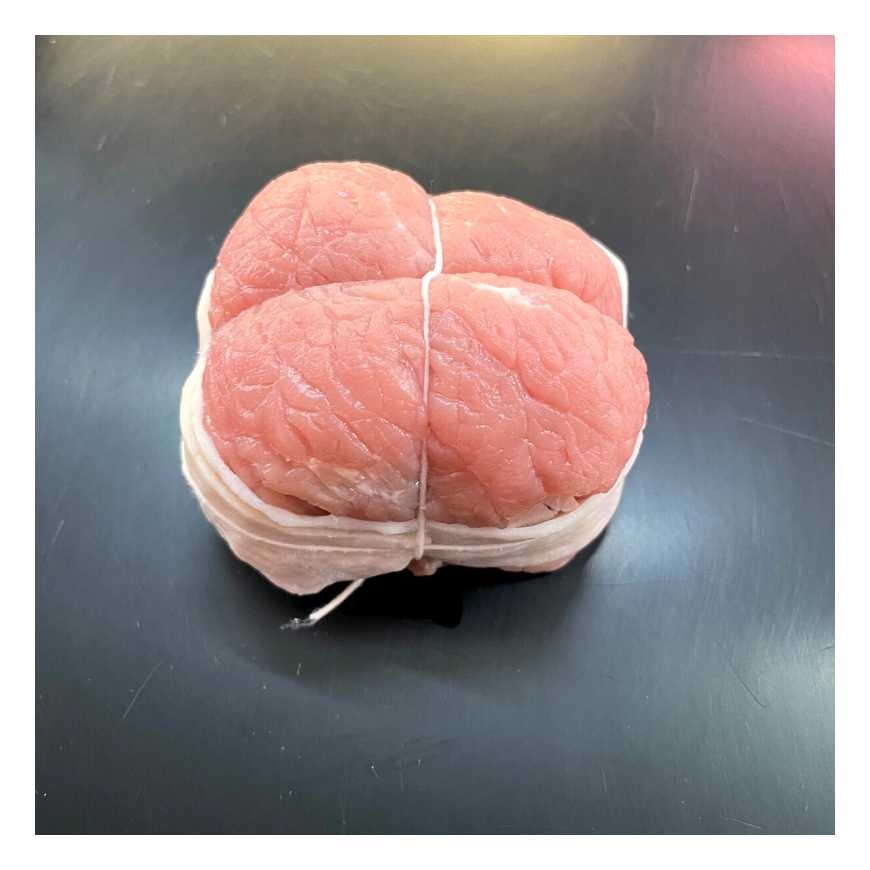
France – Veal paupiette – Salmonella

Gov france

  • Product category Food
  • Product subcategoryMeats
  • Product brand name 100% Aussonne
  • Model names or references Veal paupiette
  • Product identification
    GTIN Batch Date
    0209069000000 / Use-by date between 10/23/2023 and 10/26/2023
  • Packaging Sale by piece
  • Start/end date of marketing From 10/23/2023 to 10/26/2023
  • Storage temperature Product to keep in the refrigerator
  • Further information Sold in the traditional butcher section
  • Geographical sales area E.Leclerc Aussonne Montauban
  • Distributors E.Leclerc Aussonne Montauban

Research – Three clusters of Salmonella Enteritidis ST11 infections linked to chicken meat and chicken meat products

EFSA

Abstract

From 1 January–24 October 2023, 335 laboratory‐confirmed Salmonella Enteritidis ST11 cases belonging to three distinct microbiological clusters have been reported in 14 EU/EEA countries, the United Kingdom and the United States, affecting all age groups. Most interviewed cases reported consumption of chicken meat, including chicken kebabs. Nine cases in three countries were hospitalised and one case in Austria died, highlighting the potential for severe and fatal infections from this outbreak.

Following the food exposure information and the national investigations in 2023, the food safety authorities in Austria, Denmark and Italy investigated 10 food products (six contaminated by Salmonella Enteritidis ST11 cluster 1 and/or cluster 2), seven final producers in Poland and one in Austria. Traceability information revealed that three Salmonella‐contaminated kebabs shared a number of Polish food business operators. The trading link of the suspected kebab suggests one or more common source(s)/point(s) of contamination in Austria, Denmark, and Italy.

Following the collection of genomic information, the cluster analysis revealed the presence of the outbreak strains in the food chain in multiple European countries. Most positive foods sampled in 2022–2023 with shared epidemiological data originated from Poland.

Given the information collected, contaminated chicken kebab and chicken meat are the plausible vehicles of the human infections reported in these three clusters. In the absence of conclusive microbiological evidence and comprehensive traceability, the role of the identified final producers, their meat suppliers, and the possible involvement of other food business operators as sources of the infections could not be confirmed or excluded.

Further investigations are needed to identify the root cause of the contamination and the source of infections, which is crucial for prompt implementation of targeted effective control and corrective measures. As the source(s) have not been identified, new cases are likely to occur in this prolonged multi‐country outbreak.

France – PIERRE DES BURONS – Listeria monocytogenes

Gov france

  • Product category Food
  • Product subcategory Milk and dairy products
  • Product brand name HENNART
  • Model names or references article code 07518 and article code 13760
  • Product identification
    GTIN Batch Date
    3700222102786 LOT 327805 Minimum durability date 10/19/2023
    3700222102786 LOT 327824 Minimum durability date 10/19/2023
    3700222102786 LOT 327814 Minimum durability date 10/18/2023
    3700222105039 LOT 338502 Minimum durability date 08/11/2023
  • Products List Rappel_Pierre_Brons_LOT_DDM.pdf Attachment
  • Packaging Filmed cut cheese bar
  • Start/end date of marketing From 03/10/2023 to 05/10/2023
  • Storage temperature Product to keep in the refrigerator
  • Health mark FR 62.215.030 CE
  • Further information PIERRE DES BURONS WITH RAW MILK APPROXIMATELY 4KG
  • Geographical sales area Whole France
  • Distributors INDEPENDENTS CORA SAINTE MARIE AUX CHENES 57255 SUPERLOG 6041 GOSSELIES BELGIUM OTERA AMIENS OTERA VILLENEUVE d’ASCQ OERA AVELIN INTERMARCHE GROIX INTERMARCHE MONS EN BAROEUIL LECLERC DAINVILLE LECLERC MONTBELIARD LECLERC ORCHIES
  • List of points of sale LIST_CLIENT_FRANCE_ET_BELGIUM.pdf