Foodborne illness source attribution estimates for Salmonella, Escherichia coli O157, and Listeria monocytogenes — United States, 2021

CDC

Executive Summary
Each year in the United States an estimated 9 million people get sick, 56,000 are hospitalized, and 1,300 die of foodborne disease caused by known pathogens. These estimates help highlight the scope of this public health problem. However, to develop effective prevention measures, food safety agencies and partners need to understand the types of foods contributing to the problem.

The Interagency Food Safety Analytics Collaboration (IFSAC) is a tri-agency group created by the Centers for Disease Control and Prevention (CDC), the U.S. Food and Drug Administration (FDA), and the U.S. Department of Agriculture’s Food Safety and Inspection Service (FSIS). By bringing together data from CDC, FDA, and FSIS,
and by developing sound analytical methods, IFSAC scientists can improve estimates of the sources of foodborne illness.

Using outbreak surveillance data from 1998 through 2021, this report presents annual estimates of the percentages of foodborne illness attributed to 17 food categories for Salmonella, Escherichia coli O157, and Listeria monocytogenes.

Salmonella illnesses came from a wide variety of foods. More than 75% of Salmonella illnesses were attributed to seven food categories: Chicken, Fruits, Pork, Seeded Vegetables (such as tomatoes), Other Produce (such as nuts), Beef, and Turkey.

Escherichia coli (E. coli) O157 illnesses were most often linked to two categories.
Over 80% of Escherichia coli (E. coli) O157 illnesses were linked to Vegetable Row Crops (such as leafy greens) and Beef.

Listeria monocytogenes (Listeria) illnesses were most often linked to Dairy products, Vegetable Row Crops, and Fruits. More than 75% of illnesses were attributed to these three categories, but the rarity of Listeria outbreaks makes these estimates less reliable than those for other pathogens.

Attribution estimates for Campylobacter are not presented in this year’s report. Evidence suggests the sources of Campylobacter outbreaks likely differ considerably from the sources of non-outbreak-associated illnesses caused by this pathogen. IFSAC is exploring alternative approaches for estimating the sources of Campylobacter illnesses.

IFSAC derived the estimates for 2021 using the same method used for previous estimates, with some modifications. The original method, dating back to the estimates from 2012, was described in a report, a peer- reviewed journal article, and at a public meeting. The data in this year’s report came from 47,657 illnesses linked to 1,322 foodborne disease outbreaks that occurred from 1998 through 2021 and for which each confirmed or suspected implicated food was assigned to a single food category. The method relies most heavily on the last five years of outbreak data (2017 – 2021). Foods are categorized using a scheme IFSAC
created that classifies foods into 17 categories that closely align with the U.S. food regulatory agencies’ classification needs.

Examples of foods included in each food category can be found in the appendix.
This collaborative effort to provide annual attribution estimates continues IFSAC’s work to improve foodborne illness source attribution, which can help inform efforts to prioritize food safety initiatives, interventions, and policies for reducing foodborne illnesses. These consensus estimates allow all three agencies to take a consistent approach to identifying food safety priorities to protect public health. For more information on
IFSAC projects visit https://www.cdc.gov/foodsafety/ifsac/projects/index.html.
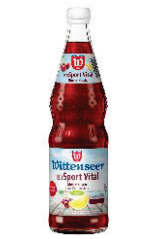
Germany – Wittenseer IsoSport Vital lemon-cherry – Visible Mold/Mould

Lebensmittelwarnung

Alert type: Groceries
Date of first publication:

November 20, 2023

Product name:

Wittenseer IsoSport Vital lemon-cherry

Product images:

Wittenseer Sport Vital.png
Manufacturer (distributor):

Wittenseer Quelle Mineralbrunnen GmbH 24361 Groß-Wittensee

Reason for warning:

A microbiological abnormality has been detected, which may be manifested by mold formation on the surface of the beverage or a noticeably different odor.

Packaging Unit: 0.7 liter bottle
Durability: 09/07/2024
Additional Information:

Reference is made to the attached customer information.

Click to access Verbraucherinformation_IsoSport_Vital_Zitrone_Kirsch.pdf

Australia – Paris Creek Farms – Bio-dynamic fresh butter unsalted – Yersinia enterocolitica

FSANZ

Product information

B.-d. Farm Paris Creek is conducting a recall of Bio-dynamic fresh butter unsalted, 200g. The product has been available for sale at Foodies and Harris Farms in NSW, Foodland in SA and independent food retailers including IGA in SA, NT, VIC and WA.

Date markings

Best Before: 13JAN24​

Fresh butter unsalted

Problem

The recall is due to microbial (Yersinia enterocolitica) contamination​.

Food safety hazard

Food products contaminated with Yersinia enterocolitica may cause illness if consumed.
What to do​

Consumers should not eat this product. Any consumers concerned about their health should seek medical advice and should return the product to the place of purchase for a full refund.

For further information please contact:

B.-d. Farm Paris Creek
08 8388 3339

​

Related links:

UK -FSA assesses risk of Norovirus from oysters

Food Safety News

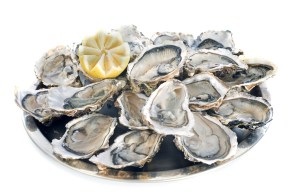
Scientists at the Food Standards Agency (FSA) have looked at the key topics to consider when dealing with norovirus outbreaks linked to oysters.

Microbiological experts at the FSA assessed the public health risk of raw oysters, to help with development of risk management options during outbreaks.

Work was done in response to recurring norovirus outbreaks linked to consumption of raw oysters. In England, between 2013 and 2022, there were 1,307 cases of norovirus linked to oysters. In Scotland, from 2017 to 2023, there were 259 reported cases. In the same periods, there were 28 outbreaks in England and eight in Scotland caused by oysters.

Earlier this month, two incidents of norovirus in oysters from France were reported to have sickened six people in Norway and 14 in Sweden.

China – Rice noodles behind Bacillus cereus outbreak in China

Food Safety News

A large outbreak with almost 200 cases in China was caused by poor hygiene at the producer and inadequate food storage at schools, according to a recent study.

An outbreak of acute gastrointestinal illness occurred at two middle schools in a rural region of Chongqing in 2021. The source was rice noodles contaminated with Bacillus cereus.

In May 2021, an outbreak was reported in the two schools. More than 100 students from the schools had symptoms of vomiting and nausea, prompting the Chongqing Center for Disease Control and Prevention and the local CDC to investigate and implement control measures.

Salmonella tainted Cantaloupe sickens over 50 in the United States and Canada

Food Poison Journal

As of November 17, 43 people infected with the outbreak strain of Salmonella have been reported from 15 states. Illnesses started on dates ranging from October 17, 2023, to November 6, 2023. Of 30 people with information available, 17 have been hospitalized. No deaths have been reported.

Public health investigators are using the PulseNet system to identify illnesses that may be part of this outbreak. CDC PulseNet manages a national database of DNA fingerprints of bacteria that cause foodborne illnesses. DNA fingerprinting is performed on bacteria using a method called whole genome sequencing (WGS). WGS showed that bacteria from sick people’s samples are closely related genetically. This suggests that people in this outbreak got sick from the same food.

Canada is also investigating a Salmonella outbreak linked to cantaloupes. The strain causing the outbreak in Canada is the same as the US outbreak strain. The Canadian Food Inspection Agency found Salmonella in a sample of Malichita brand cantaloupe, and WGS showed that the Salmonella on the cantaloupe is closely related genetically to the bacteria from sick people in Canada. This suggests that people in the Canadian and US outbreaks likely got sick from eating cantaloupe.

On November 1, 2023, Malichita brand cantaloupes were recalled in Canada.

On November 8, Trufresh recalled Malichita brand whole cantaloupes that were sold to US businesses between October 16 and October 23. On November 15, Trufresh expanded their recall to include additional whole cantaloupes.

Additional products containing Malichita brand cantaloupes were also recalled. On November 14, Vinyard Fruit and Vegetable Company recalled pre-cut fruit products and ALDI recalled [PDF – 2 pages] its whole cantaloupe, cantaloupe chunks, and pineapple spears.

CDC is advising people not to eat, sell, or serve recalled fruit.

Denmark – Lactic acid bacteria in mayonnaise

Foedevarestyrelsen

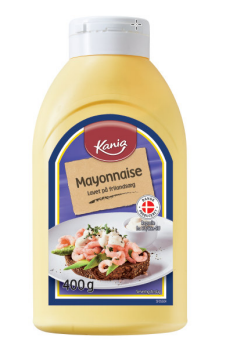
Lidl Denmark is recalling Kania mayonnaise, as growth of lactic acid bacteria has been detected in the product.

If you have the product, you should discard it or return it to the store where it was purchased.

Kania mayonnaise
Image of the product

Which food is recalled

Kania mayonnaise
Net content 400 g
Best-before date 27-02-2024

Where is the product sold

The product is sold in Lidl stores throughout the country.

Why is the product being recalled?

Growth of lactic acid bacteria makes the product unsuitable as food.

What should you do as a consumer?

The Danish Veterinary and Food Administration advises consumers to return the product to the store where it was purchased or to discard it.

Who recalls the product

Lidl Denmark K/S, Carl Blochs Gade 89, 8000 Aarhus C.

USA – Outbreak Investigation of Salmonella: Cantaloupes (November 2023)

FDA

Product and Stores Affected

Recalled cantaloupe from three brands:

More information about recalled products and product images can be found in the recall links above.

  • Whole fresh cantaloupes with a label that says “Malichita”, “4050”, and “Product of Mexico/produit du Mexique” sold between October 16 and October 23.
  • ALDIExternal Link Disclaimer cantaloupe, cut cantaloupe, and pineapple spears in clamshell packaging with Best-by dates between October 27 and October 31.
  • Vinyard cantaloupe chunks and cubes, fruit mixes, melon medleys, and fruit cups containing cantaloupe. Most have a “Vinyard” label, and some have a red label with “Fresh” sold between October 30 and November 10 in Oklahoma stores.
  • Recalled cantaloupe was sold at retail stores in Arizona, California, Maryland, New Jersey, Tennessee, Illinois, Indiana, Kentucky, Michigan, Oklahoma, Wisconsin, Texas, Florida and Canada. This list may not include all states as the cantaloupes could have reached consumers through further retail distribution.

More information about recalled products and product images can be found in the recall links above.

FDA’s investigation is ongoing. Updates to this advisory will be provided as they become available.

Symptoms of Salmonella Infection

Illness usually occurs within 12 to 72 hours after eating contaminated food and usually lasts four to seven days. Symptoms include diarrhea, fever, and abdominal cramps. Children younger than five, the elderly, and people with weakened immune systems are more likely to have severe infections.

Status

Ongoing: updates to this advisory will be provided as they become available.

Recommendation

  • Consumers, restaurants, and retailers should not eat, sell, or serve recalled cantaloupe and products containing cantaloupe.
  • Some consumers freeze cantaloupe for later use. Consumers, restaurants, and retailers should check their freezers and throw away recalled fresh or cut cantaloupe that was frozen for later use.
  • If you cannot tell if your cantaloupe is part of the recall, do not eat or use it and throw it away.
  • Follow FDA’s safe handling and cleaning advice and use extra vigilance in cleaning and sanitizing any surfaces and containers that may have come in contact with these products to reduce the risk of cross-contamination.
  • Contact your healthcare provider if you think you may have symptoms of a Salmonella infection after eating recalled cantaloupe.

France – Chablis terrine – Salmonella

Gov France

  • Product category Food
  • Product subcategory Meats
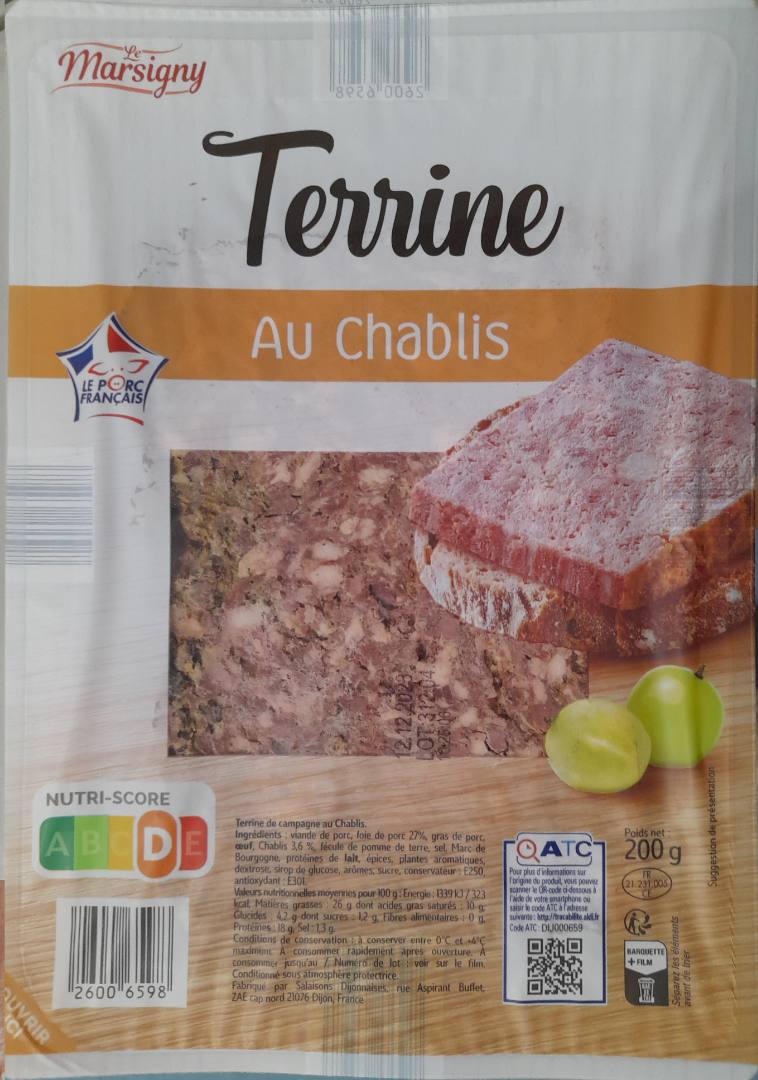
  • Product brand name Le Marsigny
  • Model names or references Terrine with Chablis Le Marsigny
  • Product identification
    GTIN Batch Date
    26006598 312045 Use-by date 12/12/2023
    26006598 311025 Use-by date 11/12/2023
  • Packaging Individual tray 200G slice
  • Start/end date of marketing Since 10/11/2023
  • Storage temperature Product to keep in the refrigerator
  • Health mark FR 21 231 005 EC
  • Geographical sales area Regions: Burgundy-Franche-Comté, Île-de-France
  • Distributors Aldi

USA – HMC Farms Voluntarily Recalls Whole Peaches, Plums and Nectarines Sold at Retail Stores in 2022 and 2023 Because of Possible Health Risk – Listeria monocytogenes

FDA

Image 1: “HMC Farms Peaches label, 2 lb. bag”

Image 10: “HMC Farms Peaches label, 4 lb. box”

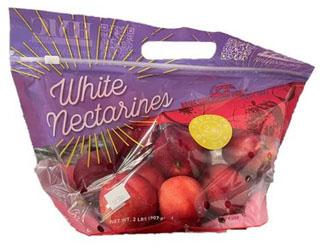
Image 5: “HMC Farms White Nectarines label, 2 lb. bag”

Company Announcement

November 17, 2023 – The HMC Group Marketing, Inc., which does business as HMC Farms, is voluntarily recalling peaches, plums and nectarines sold in retail stores between May 1 and November 15, 2022 and between May 1 and November 15, 2023. The fruit is being recalled because it has the potential to be contaminated with Listeria monocytogenes, an organism that can cause serious and sometimes fatal infections in young children, frail or elderly people, and others with weakened immune systems. Although healthy individuals may suffer only short-term symptoms such as high fever, severe headache, stiffness, nausea, abdominal pain, and diarrhea. Listeria infection can cause miscarriages and stillbirths among pregnant women.

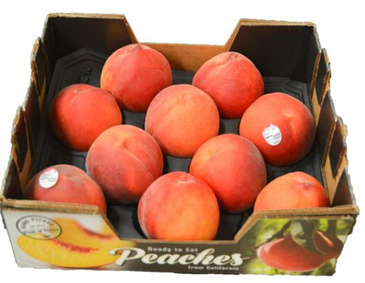
The recalled fruit was distributed nationwide and sold at retail stores as individual pieces of fruit bearing PLU stickers (see photos) or in consumer packaging (also shown in the attached photos) AND sold at retail between May 1 and November 15, 2022 and between May 1 and November 15, 2023.

This recall includes only conventionally grown fruit – no organic fruit is being recalled. Peaches, plums, and nectarines currently available for sale at retail stores are not included in this recall.

The recalled peaches have been linked to an outbreak of Listeriosis that has resulted in eleven illnesses.

Consumers: Although the recalled fruit is no longer available in retail stores, consumers may have frozen the recalled fruit at home for later use. Consumers are urged to check their freezers for the recalled fruit, not consume it, and discard it. Consumers with further questions can contact the company’s consumer information desk at 844-483-3867, Monday-Friday, 8:00 a.m. – 8:00 p.m. Eastern Time.

This recall is being carried out with the knowledge of the U.S. Food and Drug Administration.


Company Contact Information

Consumers:
 844-483-3867
Media:
Amy Philpott
 703-472-6615
 amy@philpott-prsolutions.com