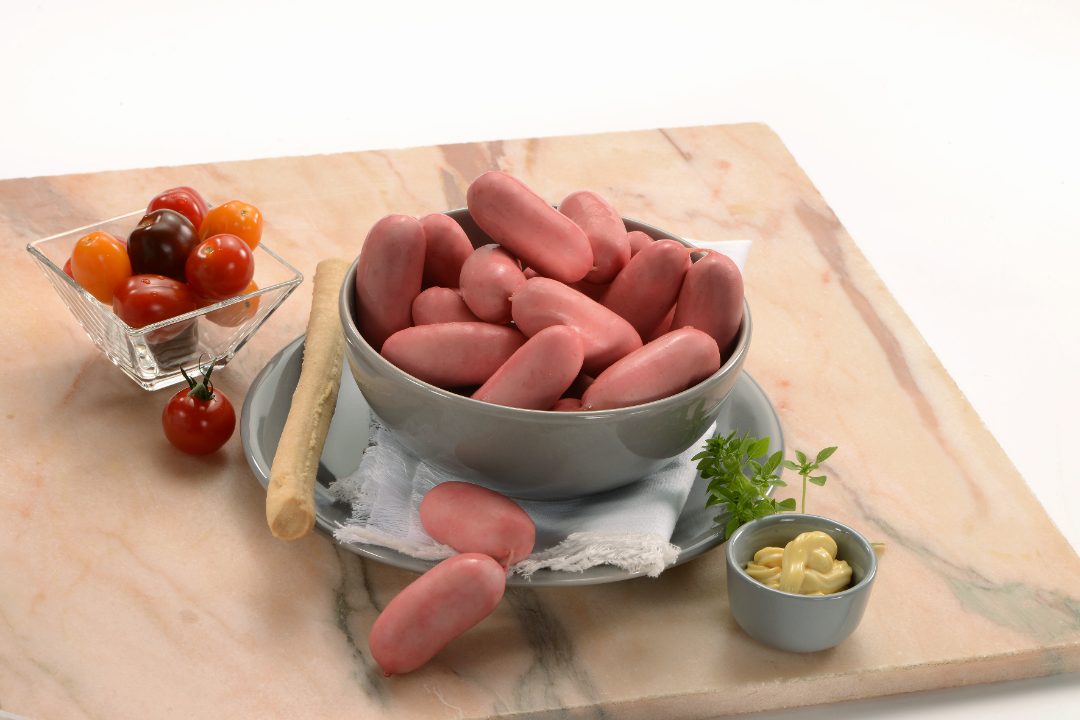
France – Knack d’Alsace Cocktail – Listeria monocytogenes

Gov France

  • Product category Food
  • Product subcategory Meats
  • Product brand name Metzger-Muller
  • Model names or references Knack d’Alsace Cocktail
  • Product identification
    GTIN Batch Date
    3272120002579 13314005 Use-by date 04/12/2023
    3272120011434 13312153 Use-by date between 09/11/2023 and 07/12/2023
    3272120011434 13313186 Use-by date between 09/11/2023 and 07/12/2023
  • Packaging IN BULK AND UNDER ATMOSPHERE
  • Start/end date of marketing From 09/11/2023 to 13/11/2023
  • Storage temperature Product to keep in the refrigerator
  • Health mark FR 67-226-002 CE
  • Geographical sales area Whole France
  • Distributors SUPER U CORA / INTERMARCHE MATCH
  • List of points of sale List_of_Customers_Knack_Cocktail.pdf

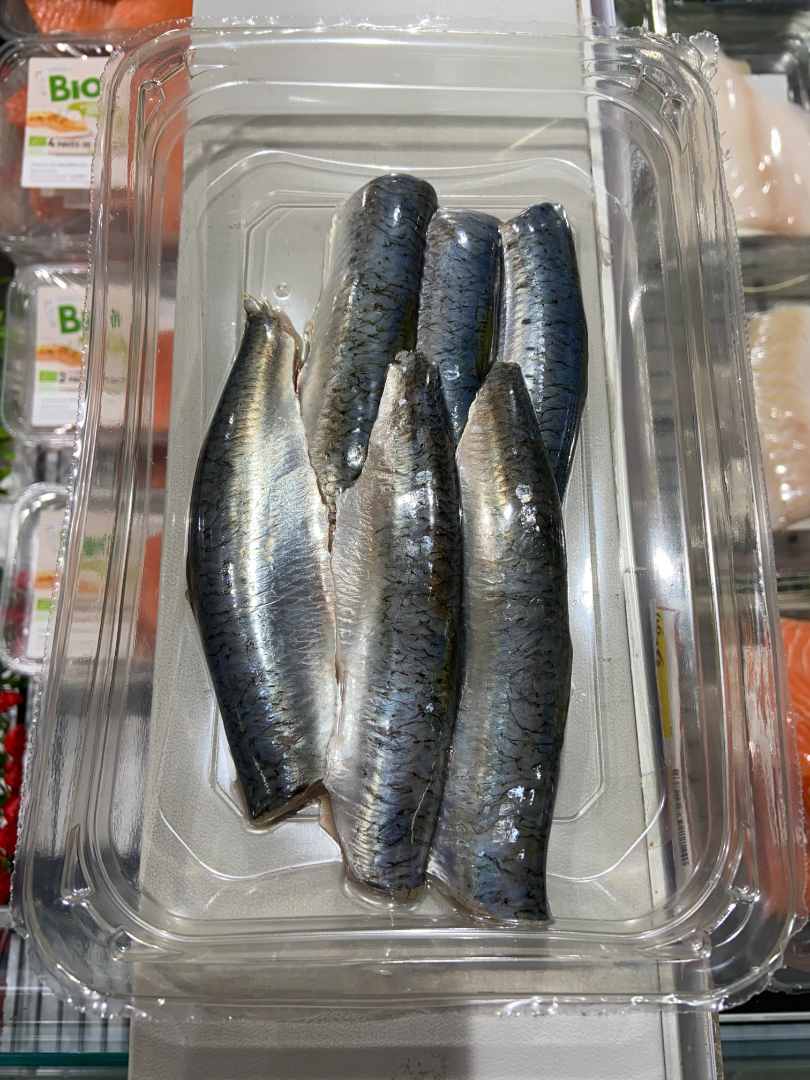
France – SARDINE FILLETS – Histamine

Gov France

  • Product category Food
  • Product subcategory Fishing and aquaculture products
  • Product brand name WITHOUT
  • Model names or references SARDINE FLOODS
  • Product identification
    Batch Date
    332840367 Use-by date 10/21/2023
  • Packaging SARDINE FILLETS IN PLASTIC TRAYS, VACUUM PACKED
  • Start/end date of marketing From 10/14/2023 to 10/21/2023
  • Storage temperature Product to keep in the refrigerator
  • Geographical sales area CHATILLON SUR SEINE
  • Distributors Intermarché Châtillon sur Seine

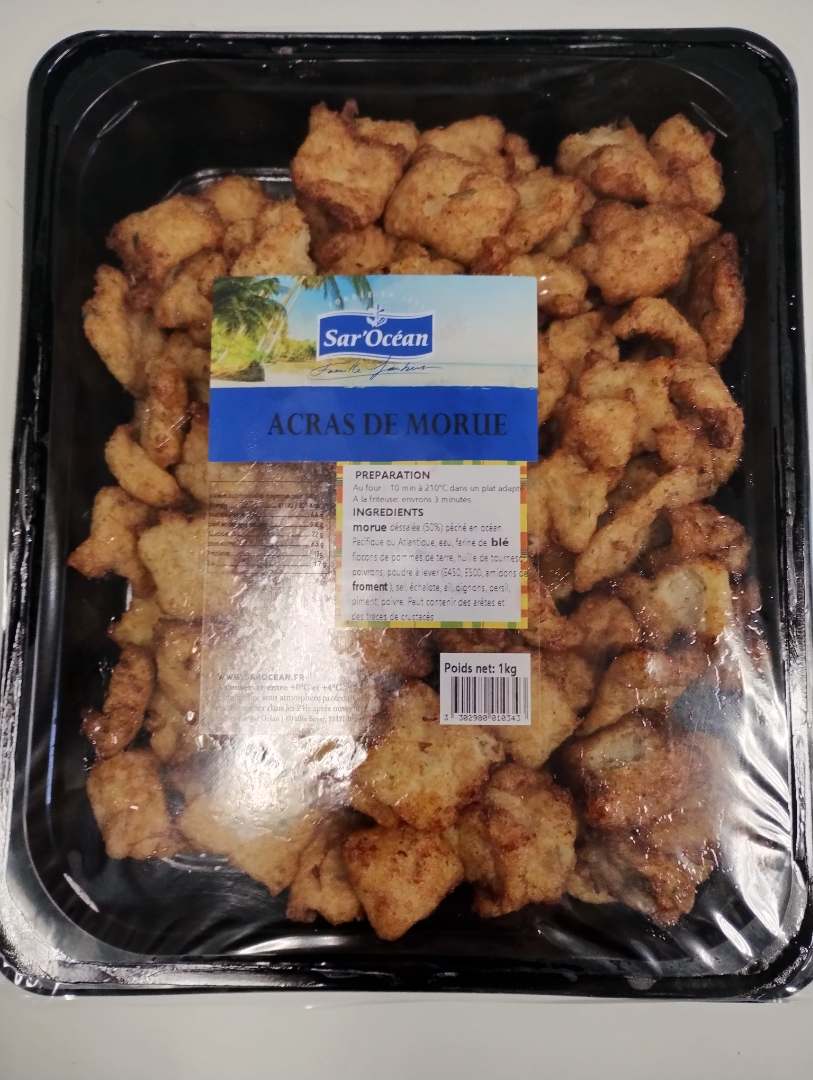
France – COD ACRAS 1 KG – Listeria monocytogenes

Gov France

  • Product category Food
  • Product subcategory Prepared meals and snacks
  • Product brand name SAR’OCEAN
  • Model names or references TRAYS 1 KG
  • Product identification
    GTIN Batch Date
    3302980010343 C310 Use-by date 11/27/2023
  • Packaging BLACK PLASTIC TRAY 1 KG
  • Start/end date of marketing From 08/11/2023 to 08/11/2023
  • Storage temperature Product to keep in the refrigerator
  • Health mark FR33039007CE
  • Geographical sales area Whole France
  • Distributors REYNAUD RUNGIS – WHOLESALER 94

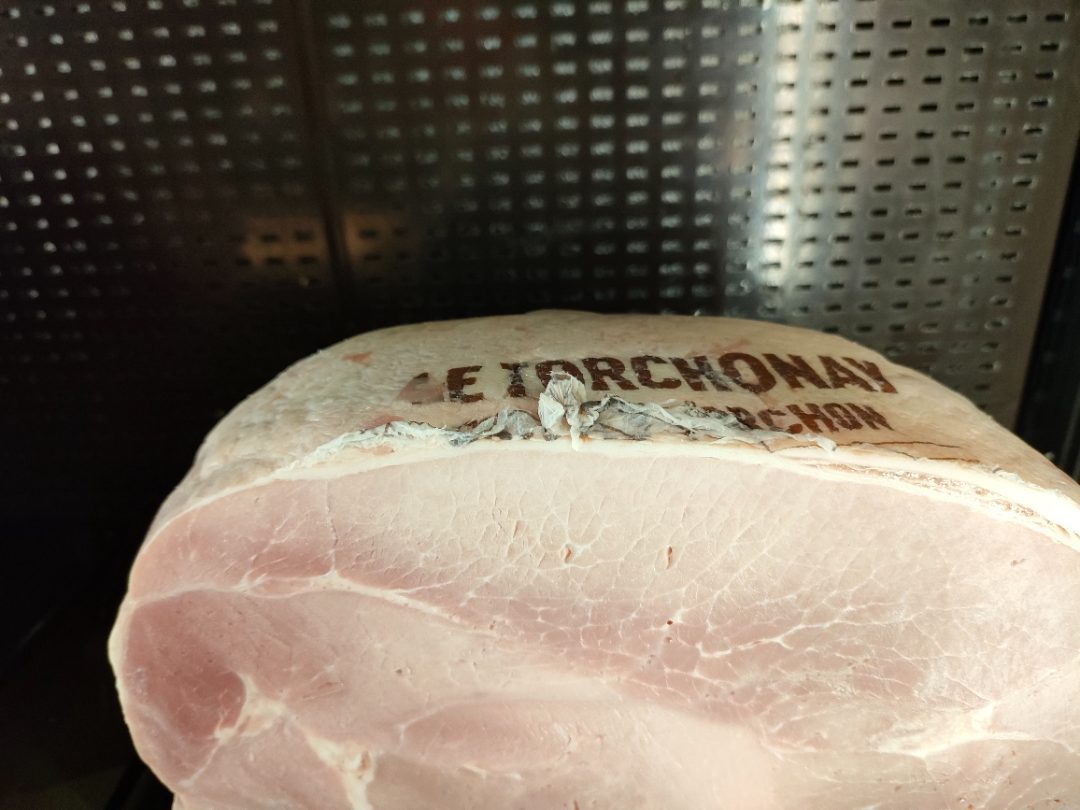
France – HAM LE TORCHONAY – Salmonella

Gov France

  • Product category Food
  • Product subcategory Meats
  • Product brand name WITHOUT
  • Model names or references COOKED HAM
  • Product identification
    GTIN Batch Date
    45460054 9932980347 Use-by date 11/12/2023
  • Packaging SALE IN THE TRAD AREA: SLICED THEN BAGTED
  • Start/end date of marketing From 03/11/2023 to 14/11/2023
  • Storage temperature Product to keep in the refrigerator
  • Geographical sales area INTERMARCHE SAINT GEORGES DE MONS
  • Distributors INTERMARCHE SAINT GEORGES DE MONS PDV 08945

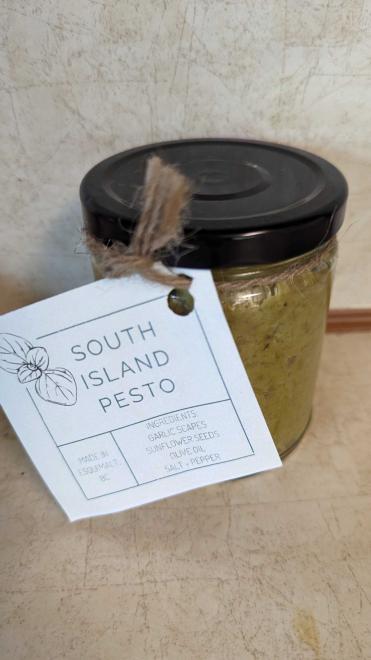
Canada – South Island brand Pesto recalled due to potential presence of dangerous bacteria – Clostridium botulinum

CFIA

Summary

Product
Pesto
Issue
Food – Microbial Contamination – Clostridium botulinum
What to do

Do not consume, use, sell, serve or distribute recalled products.

Distribution
British Columbia

The affected product is being recalled from the marketplace because it may permit the growth of Clostridium botulinum.

  • If you think you became sick from consuming a recalled product, contact your healthcare provider
  • Check to see if you have recalled products
  • Do not consume, serve, use, sell, or distribute recalled products
  • Recalled products should be thrown out or returned to the location where they were purchased

Food contaminated with Clostridium botulinum toxin may not look or smell spoiled but can still make you sick. Symptoms in adults can include facial paralysis or loss of facial expression, unreactive or fixed pupils, difficulty swallowing, drooping eyelids, blurred or double vision, difficulty speaking, including slurred speech, and a change in sound of voice, including hoarseness. Symptoms of foodborne botulism in children can include difficulty swallowing, slurred speech, generalized weakness and paralysis. In all cases, botulism does not cause a fever. In severe cases of illness, people may die.

Canada – Various brands of Fresh Cut Fruit recalled due to Salmonella

CFIA

Product
Fresh Cut Fruit
Issue
Food – Microbial Contamination – Salmonella
What to do

Do not consume, use, sell, serve or distribute recalled products.

Distribution
Alberta
British Columbia
Manitoba
Possibly other provinces and territories

Issue

The affected products are being recalled from the marketplace due to possible Salmonella contamination.

What you should do

  • If you think you became sick from consuming a recalled product, contact your healthcare provider
  • Check to see if you have recalled products
  • Do not consume, serve, use, sell, or distribute recalled products
  • Recalled products should be thrown out or returned to the location where they were purchased
  • Consumers who are unsure if they have purchased the recalled product are advised to contact their retailer

Food contaminated with Salmonella may not look or smell spoiled but can still make you sick. Young children, pregnant women, the elderly and people with weakened immune systems may contract serious and sometimes deadly infections. Healthy people may experience short-term symptoms such as fever, headache, vomiting, nausea, abdominal cramps and diarrhea. Long-term complications may include severe arthritis.

Similar recalls or alerts
Groupe Tomapure and Fruit Pure brand Cantaloupe products recalled due to Salmonella
Urban Fare brand and Save on Foods brand Cantaloupe products recalled due to Salmonella
Malichita brand Cantaloupes recalled due to Salmonella

Canada – Urban Fare brand and Save on Foods brand Cantaloupe products recalled due to Salmonella

CFIA

Summary

Product
Cantaloupe products
Issue
Food – Microbial Contamination – Salmonella
What to do

Do not use, sell, serve or distribute the affected products.

Distribution
Alberta
British Columbia
Manitoba
Saskatchewan
Yukon

Urban Fare brand and Save on Foods brand Cantaloupe products recalled due to Salmonella.

Similar recalls or alerts

New Zealand Research – Superbugs: how you can help fight back

MPI

New Zealand Food Safety is fighting back against superbugs – antimicrobial resistance (AMR) – and we need your help.

“The World Health Organization has identified AMR as one of the top 10 global health threats facing humanity,” says New Zealand Food Safety deputy director-general Vincent Arbuckle.

“World Antimicrobial Awareness Week, which begins tomorrow, recognises that this serious issue will need a global effort to manage. This year’s theme is ‘preventing antimicrobial resistance together’.”

AMR occurs when microbes, or germs, develop resistance to medicines, such as antibiotics. Antimicrobial medicines are critical to human, animal, and plant health, as well as the environment, but they lose effectiveness over time if they are not properly handled and disposed of.

“Antibiotic medicines are essential to the health of humans, animals, and plants. If they are not used properly, diseases can develop resistance, which makes the medicine less effective,” says Mr Arbuckle.

“Everyone has a role to play to ensure the appropriate use and disposal of antibiotics in their care to prevent the spread of AMR in humans, animals, plants, and the environment.

“New Zealand Food Safety works to reduce AMR risks in domestic animals, livestock and plants with a dedicated team that works with the New Zealand veterinary and primary industry sectors to promote careful use of antibiotics and encourage infection prevention strategies such as good hygiene and vaccination, and undertake surveillance for resistance in bacteria collected from animal samples.”

Here’s what pet owners and livestock farmers can do to help reduce the risk:

  • Take measures to keep animals healthy, such as keeping up them up to date with vaccinations and using good hygiene and biosecurity.
  • If antibiotics are needed, closely follow the instructions outlined by your veterinarian. Make sure you give the correct dose, at the right time of day, and for the prescribed duration.
  • Wash your hands after dosing and handling animals.
  • Make sure your animal completes the prescribed course. If for some reason you are unable to complete the course, let your veterinarian know so they can help you.
  • Never keep antibiotics for future use because each infection and animal need unique treatment.
  • Dispose of the empty containers appropriately to help keep the environment safe.

“In further good news, our 2022 Antibiotic agricultural compound sales analysis shows quantities of antibiotics used in animals have been declining for the last 5 years, with a 23% reduction. However we need to continue our efforts to preserve the effectiveness of lifesaving medicines,” says Mr Arbuckle.

Media release: Sales of antibiotics used in animals and plants down by nearly a quarter

New Zealand Food Safety takes a One Health approach to AMR, working closely with the Ministry of Health including on the joint New Zealand antimicrobial resistance action plan – with an updated plan due for publication in 2024.

New Zealand antimicrobial resistance action plan [PDF, 836KB] 

Find out more

For further information and general enquiries, call MPI on 0800 00 83 33 or email info@mpi.govt.nz

Research-Contamination of Plant Foods with Bacillus cereus in a Province and Analysis of Its Traceability

MDPI

Abstract

Bacillus cereus is an important zoonotic foodborne conditional pathogen. It is found in vegetables, dairy products, rice, and other foods, thereby greatly endangering human health. Investigations on B. cereus contamination in China primarily focus on raw milk, dairy products, meat, and others, and limited research has been conducted on plant-based foodstuffs. The rapid development of sequencing technology and the application of bioinformatics-related techniques means that analysis based on whole-genome sequencing has become an important tool for the molecular-epidemiology investigation of B. cereus. In this study, we investigated the contamination of B. cereus in six types of commercially available plant foods from eight regions of a province. The molecular epidemiology of the isolated B. cereus was analyzed by whole-genome sequencing. We aimed to provide fundamental data for the surveillance and epidemiology analysis of B. cereus in food products in China. The rapid traceability system of B. cereus established in this study can provide a basis for rapid molecular epidemiology analysis of B. cereus, as well as for the prevention and surveillance of B. cereus. Moreover, it can also be expanded to monitoring and rapid tracing of more foodborne pathogens.

France – Campylobacter Information

Sante Publique

Transmitted to humans mainly through contaminated, undercooked meat, Campylobacter infections are a common cause of bacterial gastroenteritis in developed countries.