Research – Salmonella Infection in Poultry: A Review on the Pathogen and Control Strategies

MDPI

Abstract

Salmonella is the leading cause of food-borne zoonotic disease worldwide. Non-typhoidal Salmonella serotypes are the primary etiological agents associated with salmonellosis in poultry. Contaminated poultry eggs and meat products are the major sources of human Salmonella infection. Horizontal and vertical transmission are the primary routes of infection in chickens. The principal virulence genes linked to Salmonella pathogenesis in poultry are located in Salmonella pathogenicity islands 1 and 2 (SPI-1 and SPI-2). Cell-mediated and humoral immune responses are involved in the defense against Salmonella invasion in poultry. Vaccination of chickens and supplementation of feed additives like prebiotics, probiotics, postbiotics, synbiotics, and bacteriophages are currently being used to mitigate the Salmonella load in poultry. Despite the existence of various control measures, there is still a need for a broad, safe, and well-defined strategy that can confer long-term protection from Salmonella in poultry flocks. This review examines the current knowledge on the etiology, transmission, cell wall structure, nomenclature, pathogenesis, immune response, and efficacy of preventative approaches to Salmonella.
Research – Sage Essential Oil as an Antimicrobial Agent against Salmonella enterica during Beef Sous Vide Storage

MDPI

Abstract

Sous-vide is a process comprising vacuum-sealing food, heating it to the desired temperature, and circulating it in a water bath in a sous vide machine. This cooking technique is increasingly common in homes and catering establishments due to its simplicity and affordability. However, manufacturers and chef’s recommendations for low-temperature and long-term sous-vide cooking in media raise food safety concerns, particularly when preparing beef tenderloin. In this study, Salmonella enterica was found to be inactivated by heat and sage essential oil (EO) in beef samples from musculus psoas major that had been sous vide processed. To determine whether heat treatment was likely to increase the sous vide efficiency, S. enterica and sage EO were mixed. After being vacuum-packed and injected with S. enterica, the samples were cooked at 50–65 °C through the sous vide technique for the prescribed time. On days 1, 3, and 6, the amounts of S. enterica, total bacteria, and coliform bacteria were measured in the control and treated groups of beef processed sous vide. Mass spectrometry was used to identify bacterial isolates on different days. On each day that was measured, a higher number of all the microbiota was found in the samples exposed to 50 °C for 5 min. The most frequently isolated microorganisms from both groups of samples were Pseudomonas fragi (17%), Pseudomonas cedrina (8%), and Proteus vulgaris (8%); in the treated group, also S. enterica (21%), Pseudomonas fragi (13%), and Pseudomonas veronii (6%). After the heat treatment of samples at 65 °C for 20 min, the total count of bacteria and coliform bacteria was zero. It has been shown that adding sage essential oil (EO) in combination with sous vide processing technique leads to the stabilization and safety of beef tenderloin.

Number of food poisoning patients in Japan expected to rise for 1st time in 3 yrs

Mainichi

TOKYO — Japan’s health ministry is calling for caution as the number of food poisoning patients in the country is expected to increase for the first time in three years, with the risk existing even in winter.

There has been a spate of food poisoning patients due to the easing of measures against coronavirus infections. Some outbreaks have occurred in groups of several hundred people after eating bento boxed lunches or “nagashi-somen” — noodles carried by water in flumes of bamboo so that diners can pluck them out with their chopsticks to eat.

Research – Foodborne botulism outbreak involving different nationalities during the Rugby World Cup: critical role of credit card data and rapid international cooperation, France, September 2023

Eurosurveillance

An unprecedented outbreak of 15 cases (including one death) of foodborne botulism occurred in Bordeaux, France, in September 2023 during the Rugby World Cup. Here we describe the national and international outbreak investigation using credit card data and control measures taken.

On 10 September 2023, the Bordeaux University Hospital reported three suspected cases of botulism to the local public health authorities [1]. All suspected cases had visited the same restaurant (Restaurant A) in Bordeaux on different dates and reported consumption of canned marinated sardines. The sardines were part of a batch made by Restaurant A on 1 September 2023 and served between 1 and 10 September. Cases were of different nationalities. In the previous days, the city had hosted two international rugby games as part of the Rugby World Cup attended by a large number of international visitors. An investigation was initiated to identify and contact persons visiting restaurant A and to contact public health agencies of countries whose citizens were affected by the outbreak.

Considering the severity of botulism and the urgency of control measures to stop the outbreak, an active search for persons who had consumed the sardines was performed by using data retrieved from credit card receipts of restaurant A.

A suspected case of botulism was defined as a person with symptoms compatible with botulism (oculomotor palsy, mydriasis, ptosis, dysphagia, nausea, vomiting, diarrhoea), living or visiting the Bordeaux area and visiting Restaurant A between 1 and 10 September 2023. A confirmed case was defined as detection of type B botulinum neurotoxins (BoNT) in stool and/or serum samples and/or detection of type B  in stools from a suspected case.

By screening meal orders and credit card receipts of Restaurant A, we identified 29 customers who had ordered canned sardines (Figure 1). Among these, 12 had already been identified as suspected cases, 14 were contacted by the French or British health authorities and were considered non-cases as they did not present any symptoms and three were symptomatic British citizens who were urgently referred to an emergency care in the United Kingdom (UK) on 13 September where they received botulinum antitoxin.

Canada – Catering company at centre of Calgary day care E. coli outbreak pleads not guilty to municipal charges

Calgary City News

The owners of the company behind the historic Calgary E. coli outbreak at daycares back in September are appeared in court Tuesday, entering a ‘not guilty’ plea to several municipal bylaw charges.

The two directors of KidsU Centennial — operating as Fueling Brains Academy and Fueling Minds Incorporated — Faisal Alimohd and Anil Karim, are facing a fine of up to $120,000 for allegedly providing third-party food services to five Calgary childcare centres they didn’t own.

The city said in September the catering company had also been operating without a food services business license.

In total, the company faces 12 charges.

A lawyer for the company met with the Crown prosecutor in a Calgary courtroom Tuesday, where they pleaded ‘not guilty.’

A trial date has now been set for Sept. 6, 2024.

France – Fermented pork balls with leaf (Nem chua with leaf) – Listeria monocytogenes

Gov France

Product category
Food
Product subcategory
Meats
Product brand name
HOA NAM
Model names or references
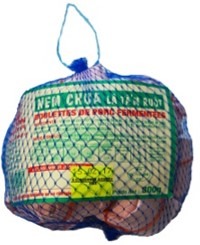
Fermented pork balls with leaf (Nem chua with leaf)
Product identification
GTIN Batch Date
3474930202006 151123 Use-by date 11/15/2023
Packaging
Clipped net with 10 pieces
Start/end date of marketing
From 10/25/2023 to 10/31/2023
Storage temperature
Product to keep in the refrigerator
Health mark
FR 75 113 006 CE
Geographical sales area
Whole France
Distributors
see list of points of sale
List of points of sale
List_of_sales_points_with_address.pdf

Scotland – The Cocktail Geeks Ltd recalls various canned cocktails because they have been produced without adequate food safety controls

Food Standards Scotland

The Cocktail Geeks Ltd is recalling various canned cocktails because they have been produced without adequate food safety controls and may be unsafe to consume.

Product details:

Products Pack size Best before date
My Precious 150ml All handwritten durability dates
Order 66 150ml All handwritten durability dates
Sorting Potion 150ml All handwritten durability dates
Hellfire 150ml All handwritten durability dates
Dracarys 150ml All handwritten durability dates
Friendly Neighbourhood 150ml All handwritten durability dates

No other The Cocktail Geeks products are known to be affected

Risk

As these products were not prepared in line with food hygiene and legislative requirements, they may be unsafe.

Our advice to consumers

If you have bought any of the above products do not consume them. Instead, return them to The Cocktail Geeks store at 27 East Market Street, Edinburgh, EH8 8FS or contact Info@thecocktailgeeks.com for a full refund.

Action taken by the company

The Cocktail Geeks Ltd is recalling the above products. Point of sale notices will be displayed in all retail stores that are selling these products. These notices explain to customers why the products are being recalled and tell them what to do if they have bought the product.

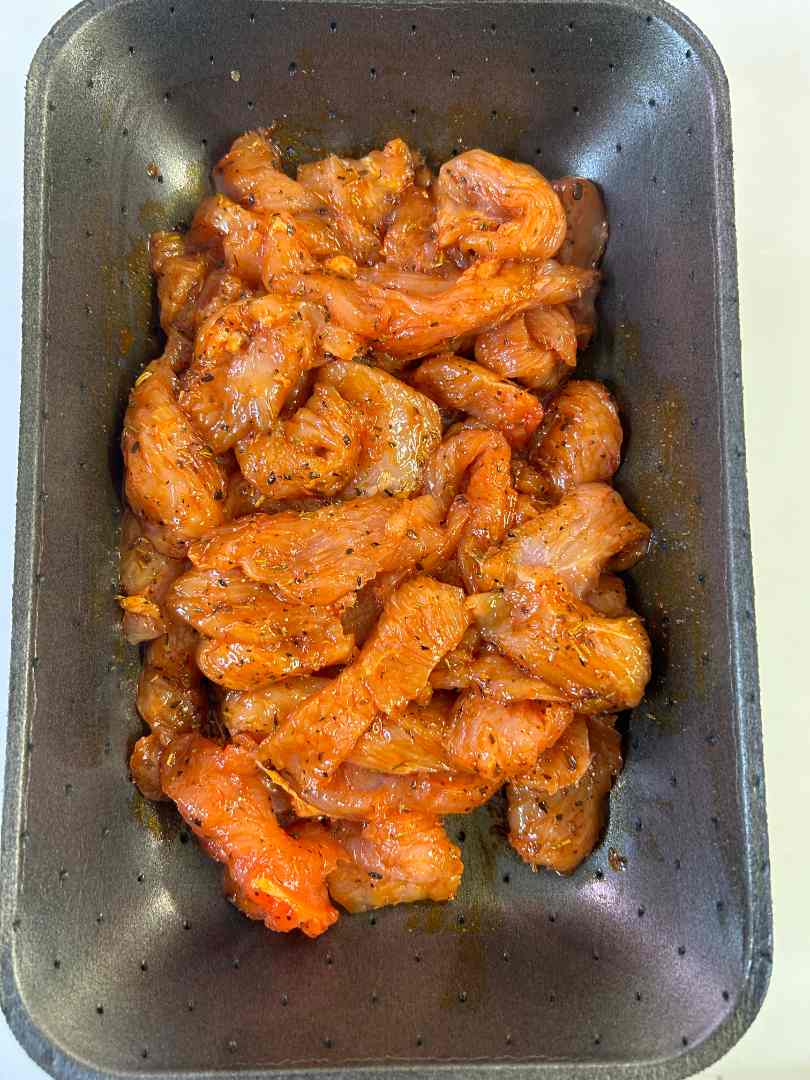
France – Provençal-style sliced ​​turkey – Salmonella

Gov France

Product category
Food
Product subcategory
Meats
Product brand name
None
Model names or references
nothing
Product identification
GTIN Batch Date
0209699000000 Made on 11/11/2023 Use-by date 11/15/2023
Packaging
bulk intended for sale in the traditional butcher’s department
Start/end date of marketing
From 11/11/2023 to 11/15/2023
Storage temperature
Product to keep in the refrigerator
Health mark
nothing
Further information
Internal traceability
Geographical sales area
48 boulevard des 2 moulins le Poiré sur Vie 85170
Distributors
PSV DISTRIBUTION

France – Chablis terrine – Salmonella

Gov France

Product category
Food
Product subcategory
Meats
Product brand name
Le Marsigny
Model names or references
Terrine with Chablis Le Marsigny
Product identification
GTIN Batch Date
26006598 312045 Use-by date 12/12/2023
26006598 311025 Use-by date 11/12/2023
26006598 306045 Use-by date 06/12/2023
26006598 307025 Use-by date 07/12/2023
26006598 310062 Use-by date 10/12/2023
Packaging
Individual tray 200G slice under modified atmosphere
Start/end date of marketing
Since 09/11/2023
Storage temperature
Product to keep in the refrigerator
Health mark
FR 21 231 005 CE
Geographical sales area
Whole France
Distributors
Aldi, Salaisons Dijonnaises factory store

Norway – Coop Norge SA and Goman Vest are recalling Coop Suksesskake small 500g, due to the content of harmful bacteria – Staphylococcus

Matportalen

Coop Norge SA recalls Coop Success Cake small 500g. The product is marked with lot numbers 563452 and 563462. The reason is that coagulase-positive staphylococci have been detected through routine analysis samples. The product is sold at OBS Lagunen, OBS Sartor, OBS Vestkanten, OBS Horisont and Coop Mega Nordås.

The product can be dangerous to health and should therefore not be eaten. The consumer can return the product with the specified lot number to the store for a refund, or throw it away.

The lot consists of 17 cakes, of which 12 pieces have been sold to consumers.

Contact
Coop: Harald Kristiansen, communications manager: harald.kristiansen@coop.no