Quebec – Notice not to consume various products prepared and sold by the company Restaurant l’Étrier – Food Safety

Quebec

The Ministry of Agriculture, Fisheries and Food (MAPAQ), in collaboration with the company Restaurant l’Étrier, located at 547, rue Shefford , in Bromont , advises the population not to consume the products indicated in the table below, because they have not been prepared and packaged to ensure their safety.

Product name

Format

Target lot

“Grandma’s Stew”

All

Units sold until November
21 , 2023

“Coconut curry meatballs”

All

The products that are the subject of this warning were offered for sale until November 21, 2023, and only at the location designated above. The products were packaged in glass jars with a metal lid and sold at room temperature.

The operator is recalling the products in question. He agreed with MAPAQ to broadcast this warning as a precautionary measure. Additionally, people who have one of these products in their possession are advised not to consume it. They must return it to the establishment where they purchased it or throw it away. Even if the affected products do not show signs of spoilage or suspicious odor, their consumption may represent a health risk.

It should be noted that no cases of illness associated with the consumption of these foods have been reported to MAPAQ to date.
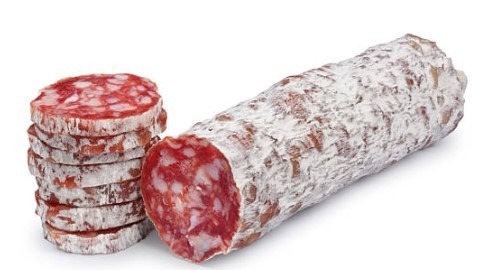
France – dry pork sausage – Listeria monocytogenes

Gov France

Product category
Food
Product subcategory
Meats
Product brand name
Maison Fournet Fayard
Model names or references
dry pork sausage, salt sausage, hazelnut sausage, duck sausage, dry sausage
Product identification
Batch
S233909
S233910
S233911
S233912
S233913
Start/end date of marketing
From 10/17/2023 to 11/23/2023
Storage temperature
Product to be stored at room temperature
Health mark
FR 63231001 CE
Geographical sales area
Whole France
Distributors
mixed circle 03 montluçon, Argedis63 orléat, volcanic artisans 63 clermont Frd, HRC highway 42 les salle, TYARBLAZ 29 Plouzane, SASU grocery store 63 aigueperse, dubien 63 vollore mountain, Maison thomas 63 St gervais d’auvergne, l’auvergnat 44130

UK -Lidl recalls Braemoor Duck Breast Fillet products because of the presence of Salmonella

FSA

Lidl is recalling Braemoor 2 Duck Breast Fillets with Plum, Soy and Ginger Sauce Sachet and Braemoor 2 Duck Breast Fillets, Skin on and Boneless because salmonella has been found in the products.

Product details
Braemoor 2 Duck Breast Fillets with Plum, Soy and Ginger Sauce Sachet
Pack size 400g
Best before 21 August 2024
Braemoor 2 Duck Breast Fillets, Skin on and Boneless
Pack size 400g
Best before 31 August 2024
Risk statement
Salmonella has been found in the products listed above. Symptoms caused by salmonella usually include fever, diarrhoea and abdominal cramps.

Action taken by the company
Lidl is recalling the above products and has issued a point-of-sale to their customers. These notices explain to customers why the products are being recalled and tell them what to do if they have bought the products. Please see the attached notices.
PDF
ViewCustomer notice – Braemoor Duck Breast Filletsas pdf(Open in a new window) (225.18 KB)
Our advice to consumers
If you have bought any of the above products do not eat them. Instead, return them to the store where they were bought for a full refund. For further information contact Lidl Customer Care on 0203 966 5566 or email customer.care@lidl.co.uk. For Northern Ireland, please contact 0289 568 4888.

Research -Isolation and Characterization of Bacteriophage VA5 against Vibrio alginolyticus

MDPI

Abstract

Bacteriophages, or phages, can be used as natural biological control agents to eliminate pathogenic bacteria during aquatic product cultivation. Samples were collected from seafood aquaculture water and aquaculture environmental sewage, and phage VA5 was isolated using the double-layer agar plate method, with Vibrio alginolyticus as the host bacteria. The purified phage strain was subjected to genome sequencing analysis and morphological observation. The optimal multiplicity of infection (MOI), the one-step growth curve, temperature stability, and pH stability were analyzed. Phage VA5 was observed to have a long tail. Whole-genome sequencing revealed that the genome was circular dsDNA, with 35,866 bp length and 46% G+C content. The optimal MOI was 1, the incubation period was 20 min, the outbreak period was 30 min, and the cleavage amount was 92.26 PFU/cell. The phage showed good activity at −20 °C, 70 °C, and pH 2–10. Moreover, the phage VA5 exhibited significant inhibitory effects on V. alginolyticus-infected shrimp culture. The isolated phage VA5 has a wide range of host bacteria and is a good candidate for biological control of pathogenic bacteria.

Research – Control of Salmonella in Chicken Meat by a Phage Cocktail in Combination with Propionic Acid and Modified Atmosphere Packaging

MDPI

Abstract

Salmonella contamination in poultry meat is an important food safety issue as this pathogen can lead to serious illness and economic losses worldwide. In poultry meat processing, a variety of strong bacteriostatic agents has been introduced for controlling Salmonella including bacteriophages (phages), organic acids, and modified atmosphere packaging (MAP). In our study, two selected phages including vB_SenM_P7 and vB_SenP_P32 were used in combination with propionic acid (PA) and MAP for controlling Salmonella of multiple serovars on chicken meat under storage at 4 °C. The two phages showed strong lytic activity against over 72 serovars of Salmonella tested (25.0 to 80.6%). Phages, vB_SenM_P7 and vB_SenP_P32 showed 40% and 60% survival rates, respectively, after the exposure to temperatures up to 70 °C. Both phages remained active, with nearly 100% survival at a wide range of pH (2 to 12) and 15% NaCl (w/v). The available chlorine up to 0.3% (v/v) led to a phage survival rate of 80–100%. A combination of Salmonella phage cocktail and 0.5% PA could reduce Salmonella counts in vitro by 4 log CFU/mL on day 3 whereas a phage cocktail and 0.25% PA showed a 4-log reduction on day 5 during storage at 4 °C. For the phage treatment alone, a 0.3-log reduction of Salmonella was observed on day 1 of storage at 4 °C. In the chicken meat model, treatment by a phage cocktail and PA at both concentrations in MAP conditions resulted in a complete reduction of Salmonella cells (4–5 log unit/g) on day 2 of storage whereas each single treatment under MAP conditions showed a complete cell reduction on day 4. For the meat sensory evaluation, chicken meat treated with a phage cocktail-PA (0.5%) in MAP condition showed the highest preference scores, suggesting highly acceptability and satisfactory. These findings suggest that a combined treatment using a phage cocktail and PA in MAP conditions effectively control Salmonella in poultry meat during storage at low temperature to improve the quality and safety of food.

Research -Improvement of Microbial Quality, Physicochemical Properties, Fatty Acids Profile, and Shelf Life of Basa (Pangasius bocourti) Fillets during Chilling Storage Using Pepsin, Rosemary Oil, and Citric Acid

MDPI

Abstract

Meat discoloration, lipid oxidation, and undesirable texture are inevitable phenomena in basa fish fillets during storage, which in turn limits their exportation as well as decreases consumer acceptability. In addition, increasing consumers’ requirements for high-quality, minimally processed, and ready-to-cook fish fillets with an extended shelf-life is a great challenge, particularly with lifestyle changes. Accordingly, this study aimed to improve the quality, lipid stability, fatty acid profile, and lipid nutritional quality indices (LNQI) of basa fish fillets during chilling storage at 4 °C for 15 days using pepsin enzyme (E, 0.1%), rosemary oil (R, 0.5%), citric acid (CA, 0.5%), and their combination (0.1% E + 0.5% R; 0.1% E + 0.5% CA; and 0.1% E + 0.5% R + 0.5% CA). Our results revealed that all treated samples exhibited a significant increase in protein content, a significant decrease in fat content, and a marked reduction in pH, total volatile base nitrogen (TVBN), thiobarbituric acid (TBA), free fatty acids, and shear force (SF) values in comparison to control ones. Moreover, significant improvements in sensory scores, color stability, fatty acid profile, LNQI, and microbial quality of all treated samples were observed. Such findings were more pronounced in samples treated with a mixture of pepsin, rosemary, and citric acid (TVBN: 2.04 vs. 6.52 mg%; TBA: 0.40 vs. 2.68 mg malonaldehyde/Kg; and SF: 8.58 vs. 19.51 Kgf). Based on the obtained results, there was an extension for the shelf life of all treated basa fish fillet samples, especially in samples treated with a mixture of pepsin, rosemary, and citric acids when compared with the control samples (˃15 days versus 10 days). Additionally, eucalyptol, camphor, isoborneol, and α-pinene are the main components of rosemary, with great antioxidant and antimicrobial activity. In conclusion, the mixture of pepsin, rosemary, and citric acid can be applied easily in the seafood industry and at the household level to provide ready-to-cook fish fillets of high quality with great health benefits.

Research -Chemical Composition and Antimicrobial Activity against the Listeria monocytogenes of Essential Oils from Seven Salvia species

MDPI

Abstract

In recent years, essential oils (EOs) have received interest due to their antibacterial properties. Accordingly, the present study aimed to investigate the effectiveness of the EOs obtained from seven species of Salvia on three strains of Listeria monocytogenes (two serotyped wild strains and one ATCC strain), a bacterium able to contaminate food products and cause foodborne disease in humans. The Salvia species analysed in the present study were cultivated at the Botanic Garden and Museum of the University of Pisa, and their air-dried aerial parts were subjected to hydrodistillation using a Clevenger apparatus. The obtained EOs were analysed via gas chromatography coupled with mass spectrometry for the evaluation of their chemical composition, and they were tested for their inhibitory and bactericidal activities by means of MIC and MBC. The tested Eos showed promising results, and the best outcomes were reached by S. chamaedryoides EO, showing an MIC of 1:256 and an MBC of 1:64. The predominant compounds of this EO were the sesquiterpenes caryophyllene oxide and β-caryophyllene, together with the monoterpenes bornyl acetate and borneol. These results suggest that these EOs may possibly be used in the food industry as preservatives of natural origins.

Research – Microbial Pathogens in Aquaponics Potentially Hazardous for Human Health

MDPI

Abstract

The union of aquaculture and hydroponics is named aquaponics—a system where microorganisms, fish and plants coexist in a water environment. Bacteria are essential in processes which are fundamental for the functioning and equilibrium of aquaponic systems. Such processes are nitrification, extraction of various macro- and micronutrients from the feed leftovers and feces, etc. However, in aquaponics there are not only beneficial, but also potentially hazardous microorganisms of fish, human, and plant origin. It is important to establish the presence of human pathogens, their way of entering the aforementioned systems, and their control in order to assess the risk to human health when consuming plants and fish grown in aquaponics. Literature analysis shows that aquaponic bacteria and yeasts are mainly pathogenic to fish and humans but rarely to plants, while most of the molds are pathogenic to humans, plants, and fish. Since the various human pathogenic bacteria and fungi found in aquaponics enter the water when proper hygiene practices are not applied and followed, if these requirements are met, aquaponic systems are a good choice for growing healthy fish and plants safe for human consumption. However, many of the aquaponic pathogens are listed in the WHO list of drug-resistant bacteria for which new antibiotics are urgently needed, making disease control by antibiotics a real challenge. Because pathogen control by conventional physical methods, chemical methods, and antibiotic treatment is potentially harmful to humans, fish, plants, and beneficial microorganisms, a biological control with antagonistic microorganisms, phytotherapy, bacteriophage therapy, and nanomedicine are potential alternatives to these methods.

Research – Qatar team identifies way to inhibit mycotoxin growth in fish feed

Feed Navigator

Qatar based researchers say the findings of their study indicate that aquaculture feed imports from some Asian and European countries can be contaminated with moderate levels of mycotoxins.

Research – High Prevalence of Multidrug-Resistant, Biofilm-Forming Virulent Clostridium perfringens in Broiler Chicken Retail Points in Northeast India

MDPI

Abstract

In light of the significant public health and food safety implications associated with Clostridium perfringens, this study aimed to isolate and characterize C. perfringens in samples obtained from broiler chicken retail points in Meghalaya, northeastern India. A total of 280 samples comprising meat, intestinal contents, water, and hand swabs were processed to detect contamination by C. perfringens. The isolates were subjected to toxinotyping, antimicrobial susceptibility testing, and biofilm-forming ability test. The overall occurrence of C. perfringens was 22.5% (17.74–27.85, 95% CI) with the highest recovery from intestine samples (31%; 22.13–41.03, 95% CI), followed by meat (23%, 15.17–32.49, 95% CI) and water samples (18%, 8.58–31.44, 95% CI). Type A was the predominant toxinotype (71.43%, 58.65–82.11, 95% CI), followed by Type A with beta2 toxin (17.46%, 9.05–29.10, 95% CI), Type C (7.94%, 2.63–17.56, 95% CI), and Type C with beta2 toxin (3.17%, 0.39–11.0, 95% CI). Nearly all (95.24%) isolates were multidrug resistant and 68.25% were biofilm formers. The predominance of multidrug-resistant and virulent Type A and Type C C. perfringens in retail broiler meat and intestines in the tribal-dominated northeastern region of India is of great concern from food safety and public health perspectives.