RASFF Alert- Mold/Mould – Soft Drink

RASFF

Mould infestation in soft drink from Germany in Austria, Netherlands and Switzerland

RASFF Alert- STEC E.coli – Beef

RASFF

E. Coli STEC in beef from Brazil in Spain

RASFF Alerts – Listeria monocytogenes – French Cheese –

RASFF

Listeria monocytogenes in salted and smoked salmon from Denmark in the Czech Republic

RASFF

Listeria monocytogenes in cheese from France in Luxembourg and Belgium

RASFF Alert – Foodborne Outbreak – Salmonella – Duck Breast

RASFF

Foodborne outbreak caused by Salmonella enterica ser. Enteritidis (presence /25g) in frozen duck breasts from Hungary in Slovenia

RASFF Alerts – Aflatoxin – Groundnuts- Dried Figs – Egusi Seeds – Nut Crackers – Hazelnut Flour – Basmati Rice – Brazil Nuts – Peanuts

RASFF

Aflatoxins (B1 = 3,94 ppb; Tot. = 5,77 ppb) in groundnuts kernels from Argentina in Poland

RASFF

Aflatoxin B1 and total aflatoxins in dried figs from Turkey in France

RASFF

Elevated levels of aflatoxins in Egusi Seeds from Nigeria in Ireland

RASFF

Groundnuts China Aflatoxin in the Netherlands

RASFF

Aflatoxins in nut crackers from India in Germany

RASFF

Aflatoxin in hazelnut flour from Georgia in Germany and Bulgaria

RASFF

Elevated Aflatoxin B1 and Total Aflatoxins in Basmati Rice from Pakistan in Ireland

RASFF

Aflatoxin in brazil nuts in the UK, Finland and Sweden

RASFF

Aflatoxin B1 in peanuts from the United States in Lithuania, Netherlands, Slovakia Ukraine

RASFF

Aflatoxine B1 in peanuts from Paraguay in the Netherlands

RASFF Alert – Animal Feed – Moulds/Mold – Groundnut Kernels

RASFF

Molds in groundnut kernels from Netherlands in Belgium

RASFF Alert – Animal Feed – Salmonella – Sunflower Cake Feed

RASFF

Salmonella in feed (sunflower cake) from Ukraine in Poland

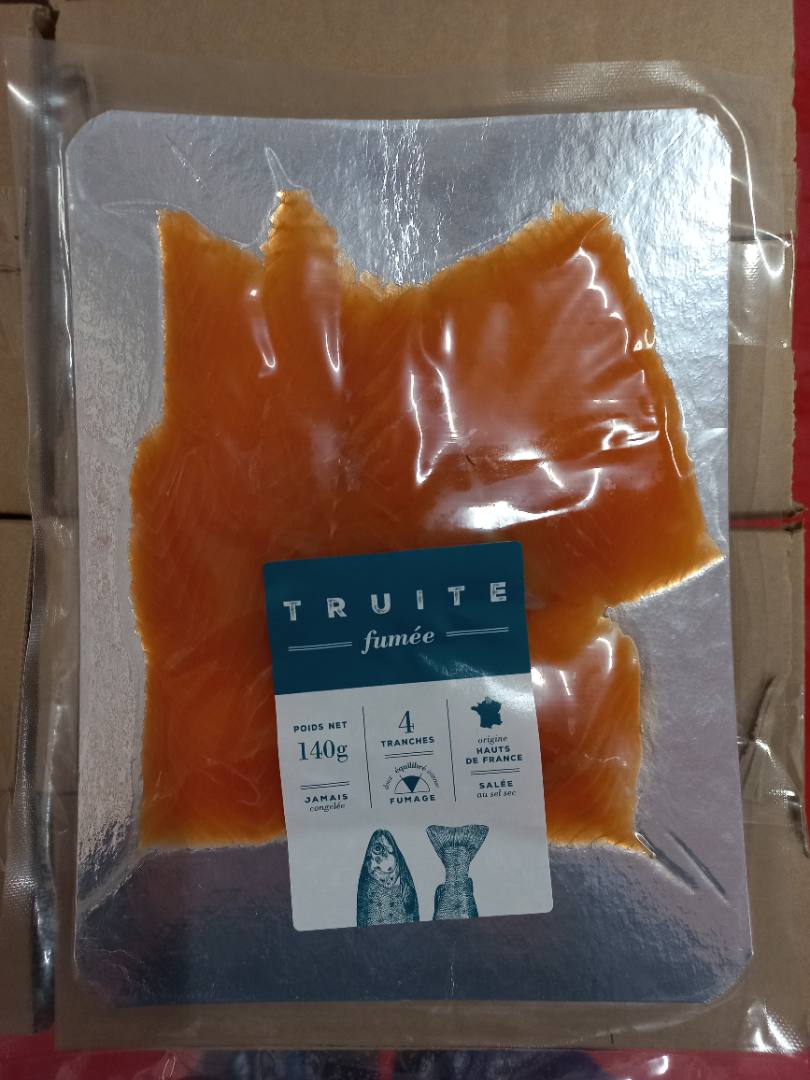
France – Smoked trout 4 slices HDF 140g – Listeria monocytogenes

Gov France

Product category
Food
Product subcategory
Fishing and aquaculture products
Product brand name
Unbranded
Model names or references
Smoked trout 4 slices HDF 140g
Product identification
GTIN Batch Date
3760261181944 07301123 Use-by date 04/11/2024
Packaging
plate + vacuum bag
Start/end date of marketing
From 03/21/2024 to 03/28/2024
Storage temperature
Product to keep in the refrigerator
Health mark
FR 62 667 200
Geographical sales area
Whole France
Distributors
Fresh, Grand fresh, mon-marché.fr, Biofrais

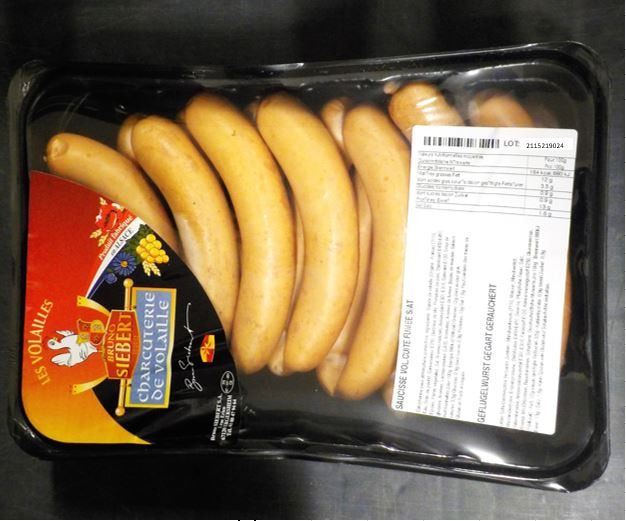
France – COOKED SMOKED POULTRY SAUSAGE – Listeria monocytogenes

Gov France

Product category
Food
Product subcategory
Meats
Product brand name
Bruno SIEBERT SA
Model names or references
COOKED SMOKED POULTRY SAUSAGE X14 SAT NC
Product identification
GTIN Batch Date
3343660242777 2115219024 Use-by date between 03/27/2024 and 04/08/2024
Products List
Product_recall.pdfAttachment
Packaging
UNDER PROTECTIVE ATMOSPHERE
Start/end date of marketing
From 03/14/2024 to 03/26/2024
Storage temperature
Product to keep in the refrigerator
Health mark
FR 67-127-001 CE
Geographical sales area
Regions: Grand-Est
Distributors
N / A

EU – Multi‐country outbreak of Salmonella Mbandaka ST413 linked to consumption of chicken meat products in the EU/EEA and the UK – first update

EFSA

A cross‐border outbreak of Salmonella Mbandaka ST413 has been ongoing in the European Union/European Economic Area (EU/EEA) and the United Kingdom (UK) for over two years since September 2021. By 30 November 2022, 196 cases had been recorded and published in a joint European Centre for Disease Prevention and Control (ECDC) and European Food Safety Authority (EFSA) Rapid Outbreak Assessment. By 15 March 2024, 300 cases (an increase of 104 cases) had been reported in Estonia (n = 3), Finland (n = 98), France (n = 16), Germany (n = 2), Ireland (n = 7), the Netherlands (n = 1), and the United Kingdom (n = 173), according to the European case definition. Twenty‐three cases were hospitalised, six cases had septicaemia and one case died in the UK.

In November 2022, when the first assessment was published, ready‐to‐eat chicken products and/or fresh chicken meat were identified as probable vehicles of infection based on case interviews in Finland and the UK. Subsequent investigations by the food safety authorities in Estonia, Finland and the Netherlands and the sharing of genomic food information with EFSA in 2024 identified frozen steam‐cooked chicken breast, produced in Ukraine, as the vehicle of infections. The contaminated batches had been imported by non‐EU operators and distributed in the EU/EEA and UK markets.

The shelf lives of contaminated frozen chicken meat products expired in November and December 2023. The most recent cases were detected in Finland in October 2023 and in the UK in February 2024. Assuming that the identified contaminated batches are no longer on the market, and given the expiration dates and control measures implemented, the likelihood of new infections occurring with the outbreak strain from these batches is low. However, despite the implementation of control measures, cases continued to occur throughout 2023 in the EU/EEA and in early 2024 in the UK, suggesting undetected routes of exposure which require further investigation and pose a continued, albeit reduced, risk for new infections.