
histamine (1071 mg/kg – ppm) in canned tuna from Thailand in Germany
food poisoning caused by histamine (280 mg/kg – ppm) in frozen yellowfin tuna loins from Vietnam, via the Netherlands in Italy

histamine (1071 mg/kg – ppm) in canned tuna from Thailand in Germany
food poisoning caused by histamine (280 mg/kg – ppm) in frozen yellowfin tuna loins from Vietnam, via the Netherlands in Italy
Listeria monocytogenes in chilled goat’s milk cheese from France in France
Listeria monocytogenes (<10 CFU/g) in chilled vacuum-packed garlic sausage from France in France
Listeria monocytogenes (presence /25g) in red beetroot chunks from the Netherlands in the Netherlands
Posted in Uncategorized

Salmonella (presence /25g) in sesame seeds from Belgium in the Netherlands
Salmonella enterica ser. Agona (presence /25g) in poultry meal from the Netherlands in Belgium
Salmonella enterica ser. Havana (presence /25g) in linseed meal extract from Germany in Austria
anim
Customer notice
Salmonella
Salmonella
A salmonella disease manifests itself within a few days after infection with diarrhea, abdominal pain and occasionally vomiting and a slight fever. The symptoms usually subside on their own after several days. Infants, toddlers, the elderly and people with a weakened immune system in particular can develop more severe disease processes. People who have eaten this food and develop severe or persistent symptoms should seek medical attention and advise them of a possible salmonella infection.
Seeking preventive medical treatment without symptoms does not make sense.
| Press releases and information | |
|---|---|
| title | Attachment or web link |
|
Customer notice
|
|
Posted in food contamination, Food Hazard, Food Hygiene, Food Inspections, Food Micro Blog, Food Microbiology, Food Microbiology Blog, Food Microbiology Testing, Food Pathogen, food recall, Food Safety, Food Safety Alert, Food Testing, microbial contamination, Microbiological Risk Assessment, Microbiology, Salmonella
Keeping backyard chickens was already on the rise, and the hobby has become even more popular during the COVID-19 pandemic. Now, a University of Georgia researcher cautions that the practice has risks not just for chickens, but for wildlife and people as well.
“As a researcher who studies pathogen movement along different groups, I see backyard chickens as a potential interface where pathogens can spill over into wild birds, or vice versa, and even into people,” said Sonia Hernandez, professor of wildlife disease at the Warnell School of Forestry and Natural Resources and the College of Veterinary Medicine. “Owners need to seek information and medical care for their animals to minimize those risks.”
Hernandez and first author Andrea Ayala published their comprehensive review of pathogen transmission at the backyard chicken-wild bird interface in Frontiers in Veterinary Science. Ayala, now a postdoctoral researcher at Yale University, earned a Ph.D. in the College of Veterinary Medicine’s Comparative Biomedical Sciences program.
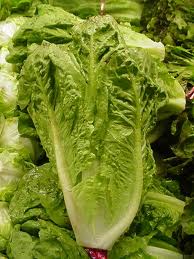
A new study has shown that gentle streams of water carrying sound and microscopic air bubbles can clean bacteria from salad leaves more effectively than current washing methods used by suppliers and consumers. As well as reducing food poisoning, the findings could reduce food waste and have implications for the growing threat of anti-microbial resistance.
A diet containing uncooked salad, fruit and vegetables is key to reducing a range of conditions, including cardiovascular diseases, Type II diabetes and certain types of cancer.
However, salad and leafy green vegetables may be contaminated with harmful bacteria during growing, harvesting, preparation and retail leading to outbreaks of food poisoning which may be fatal in vulnerable groups.
Because there is no cooking process to reduce the microbial load in fresh salads, washing is vital by the supplier and the consumer.
Washing with soap, detergent bleach or other disinfectants is not recommended and the crevices in the leaf surface means washing with plain water may leave an infectious dose on the leaf. Even if chemicals are used, they may not penetrate the crevices.
In this new study, published in the journal Ultrasound in Medicine and Biology, scientists used acoustic water streams to clean spinach leaves directly sourced from the field crop, then compared the results with leaves rinsed in plain water at the same velocity.
Leptospira borgpetersenii serovar Hardjo (LH) is an important infectious agent of reproduction pathologies and lactation decline in cattle, with a possible zoonotic role. To figure out the potential zoonotic risk for human raw-milk consumption, the present study aims at assessing the persistence and viability of LH in refrigerated raw milk over a 10-day period, which is set as the maximum time range for raw-milk domestic consumption. A negative sample of fresh raw milk was contaminated with an LH strain (2 × 10⁸ Leptospires/mL) and analyzed by a rrs (16S) gene targeting real-time PCR (rPCR) protocol for LH DNA at days 1, 2, 3, 6, 7, 9, and 10. Seven aliquots of the same sampling time were inoculated into a semisolid EMJH media for bacterial culture. All aliquots tested positive in both rPCR and culture, which demonstrates that raw milk does not alter the detectability and viability of LH, respectively. The analytical sensitivity (LoD, limit of detection) determined for the rPCR (103 Leptospires/mL) was repeatable during the study, whereas it gradually decreased when it came to the bacterial culture. This study demonstrates that bovine raw milk might be a potential vehicle of infection by LH, even when storage conditions are strictly respected. View Full-Text

The New Jersey Department of Health (NJDOH) is investigating a cluster of Legionnaires’ disease — a bacteria-triggered form of pneumonia — in Union County in which at least 14 cases, including one death, were confirmed.
The cases were reported to the state’s Department of Health between Feb. 3 and Feb. 26, according to officials.
Health officials are working with the local health departments in Union County to investigate this cluster. The individual who died was a male resident of Union County in his late 60s.

The health authorities are sounding the alarm over norovirus-induced gastroenteritis, with cases soaring over the past week.
Taiwan recorded over 138,000 cases of diarrhea between Feb. 21 and 27, reflecting an uptick in stomach illnesses following the Lunar New Year. Over the past four weeks, 87 diarrhea clusters have been reported nationwide, and 97 percent of the 58 cases where pathogens were identified pointed to norovirus as the culprit, according to the Taiwan Centers for Disease Control (CDC).
Members of the public are urged to improve their hygiene, as the virus is transmitted via the fecal-oral route, which involves contaminated food or water or contact with infected persons.
Posted in food bourne outbreak, food contamination, Food Hazard, Food Hygiene, Food Illness, Food Inspections, Food Micro Blog, Food Microbiology, Food Microbiology Blog, Food Microbiology Testing, Food Pathogen, Food Safety, Food Safety Alert, Food Testing, Food Virus, Foodborne Illness, foodborne outbreak, foodbourne outbreak, Illness, Norovirus, outbreak, Virus, Water, water microbiology, Water Safety

The norovirus is a foodborne illness that causes a variety of symptoms, including vomiting, diarrhea, and stomach pain. It does not cause a sore throat directly, but a sore throat could come as a result of vomiting or happen due to another condition altogether.


