USA – Olymel S.E.C./L.P. Recalls Ready-to-Eat Ham Products Due to Possible Salmonella Enteritidis Contamination

FSIS USDA

Olymel S.E.C./L.P., a Quebec, Canada establishment, is recalling approximately 6,804 pounds of ready-to-eat (RTE) ham products that may be contaminated with Salmonella Enteritidis, the U.S. Department of Agriculture’s Food Safety and Inspection Service (FSIS) announced today.

The ham items were packaged on November 5, 2020. The following products are subject to recall [View Labels (PDF Only)]:

  • 12-lb. plastic film vacuum package of “Celebrity EXTRA LEAN IMPORTED HAM 98% FAT FREE” with product codes “20309 11 – 91”, “20309 21 – 91”, “20309 31 – 91”, “20309 41 – 91” or “20309 51 – 91” printed on the side of the packaging.

The products subject to recall bear Canadian establishment number 180 inside the Canadian inspection mark located below the ingredient list. These items were shipped to distributors in California for further distribution for institutional use.

The problem was discovered when FSIS collected a routine product import sample that confirmed positive for the presence of Salmonella Enteritidis­­­. The product subject to recall was determined by the Canadian Food Inspection Agency (CFIA) to be associated with the FSIS positive sample result.

There have been no confirmed reports of adverse reactions due to consumption of these products. Anyone concerned about an injury or illness should contact a healthcare provider.

Consumption of food contaminated with Salmonella can cause salmonellosis, one of the most common bacterial foodborne illnesses. The most common symptoms of salmonellosis are diarrhea, abdominal cramps, and fever within 6 hours to 6 days after eating the contaminated product. The illness usually lasts 4 to 7 days. Most people recover without treatment. In some persons, however, the diarrhea may be so severe that the patient needs to be hospitalized. Older adults, infants, and persons with weakened immune systems are more likely to develop a severe illness. Individuals concerned about an illness should contact their health care provider.

FSIS is concerned that some product may be in consumers’ refrigerators or freezers. Consumers who have purchased these products are urged not to consume them. These products should be thrown away or returned to the place of purchase.

FSIS routinely conducts recall effectiveness checks to verify recalling firms notify their customers of the recall and that steps are taken to make certain that the product is no longer available to consumers. When available, the retail distribution list(s) will be posted on the FSIS website at www.fsis.usda.gov/recalls.
USA – JBS USA Food Company Recalls Imported Boneless Beef Products Due to Possible E. coli O157:H7 Contamination

USDA

JBS USA Food Company, a Greeley, Colo. firm and Importer of Record, is recalling approximately 4,860 pounds of imported boneless beef products that may be contaminated with E. coli O157:H7, the U.S. Department of Agriculture’s Food Safety and Inspection Service (FSIS) announced today.

The raw, frozen, boneless beef products were imported on or around Nov. 10, 2020 and distributed for further processing. The following products are subject to recall [View Label (PDF Only)]:

  • 60-lb. cardboard boxes containing “95CL BONELESS BEEF PRODUCT OF AUSTRALIA” with “PACKED ON: 02-SEP-20” and Australian “EST. 4” on the packaging label.

The products were shipped to distributors and further processors in New York and Pennsylvania.

The problem was discovered when FSIS collected a routine product sample that confirmed positive for the presence of E. coli O157:H7. There have been no confirmed reports of adverse reactions due to consumption of these products.

Anyone concerned about an illness should contact a healthcare provider. E. coli O157:H7 is a potentially deadly bacterium that can cause dehydration, bloody diarrhea and abdominal cramps 2–8 days (3–4 days, on average) after exposure the organism. While most people recover within a week, some develop a type of kidney failure called hemolytic uremic syndrome (HUS). This condition can occur among persons of any age but is most common in children under 5-years old and older adults. It is marked by easy bruising, pallor, and decreased urine output. Persons who experience these symptoms should seek emergency medical care immediately.

FSIS is concerned that some product may be frozen and in cold storage at distributor or further processor locations. Distributors and further processors who received these products are urged not to utilize them.

FSIS routinely conducts recall effectiveness checks to verify recalling firms notify their customers of the recall and that steps are taken to make certain that the product is no longer available to consumers. When available, the retail distribution list(s) will be posted on the FSIS website at www.fsis.usda.gov/recalls.
FSIS advises all consumers to safely prepare their raw meat products, including fresh and frozen, and only consume whole cuts of beef that have been cooked to a temperature of 145 °F with a 3-minute rest time and ground beef to 160 °F. The only way to confirm that beef is cooked to a temperature high enough to kill harmful bacteria is to use a food thermometer that measures internal temperature, https://www.fsis.usda.gov/safetempchart.

Consumers with questions about the recall can contact Mr. Kim Holzner, Head of JBS Imports, at Kim.Holzner@jbssa.com. Members of the media with questions about the recall can contact Ms. Nikki Richardson, Director of Communications for JBS USA Food Company, at Nikki.Richardson@jbssa.com.

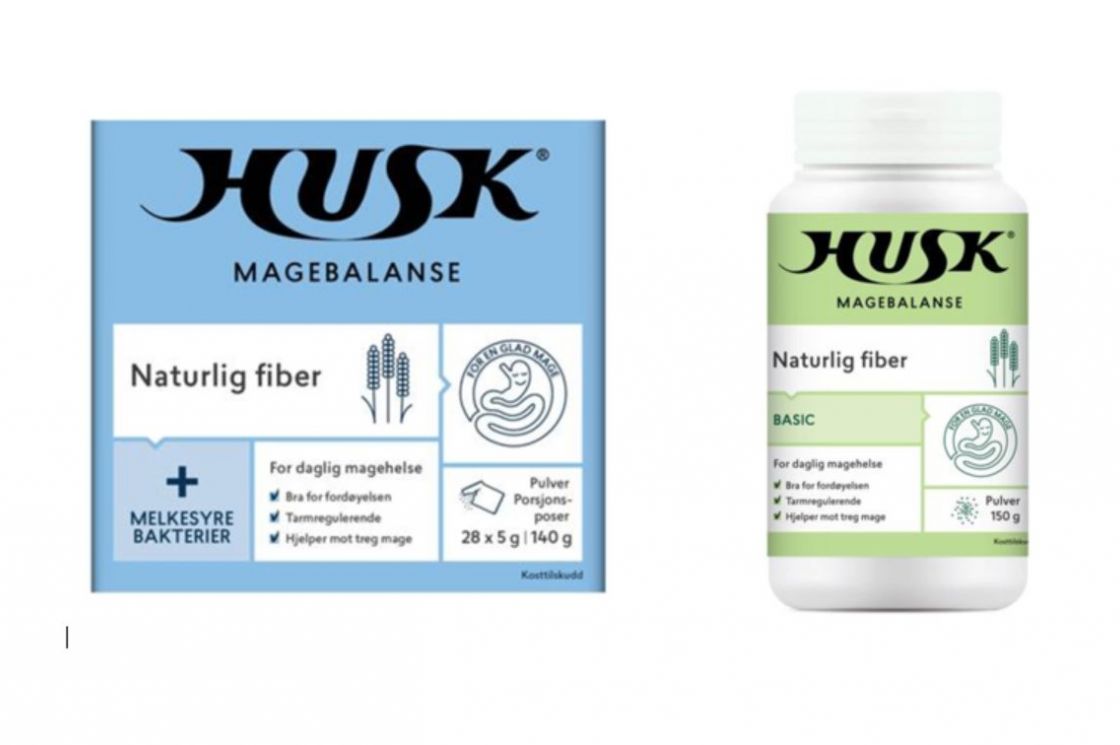
Iceland – Salmonella in HUSK fiber capsules and powders – updated distribution

MAST

Recall of REMEMBER

Updated 17.04.21 at 11:55 – Distribution:  Recalled products were for sale in Lyfjavers store on Suðurlandsbraut, Lyfjavers online store and Kaupfélag Skagfirðinga in Sauðárkrókur. No further distribution within the country is known at this time, but work is continuing to gather information on distribution. 

  • ural fiber, powder (Natural fiber)
  • REMEMBER Natural fibers, capsules (Natural fiber)    
  • REMEMBER Fiber + Lactic acid bacteria, powder (Natural fiber + Lactic acid bacteria)
  • REMEMBER Fiber + Lactic Acid Bacteria (Natural Fiber + Lactic Acid Bacteria)
  • REMEMBER Stomach Balance
  • REMEMBER Psyllium Stomach Balance
  • REMEMBER Psyllium Frogs

All batches are recalled. See further information about products in the press release of the Reykjavík Health Inspectorate . 

————————————————– –

News 16.04.21 at 11:20:

Matvælastofnun warns against consuming HUSK PSYLLIUM FROSKALLER and HUSK PSYLLIUM MAVEBALANCE fiber capsules and powders from the company Orkla Care. Salmonella has been identified in the products and three deaths and a number of infections in Denmark can be traced to their consumption.

Recall of REMEMBER

Matvælastofnun and the municipal health inspectorate continue to work on obtaining information on distribution to Iceland. The products have been imported to the country and are available in pharmacies, among other places. Recall is ongoing in all rounds. Full distribution is not available at this time, but further information will be published as soon as it is available.

France – Product recall: Pierre Sajous brand fresh Black Pork Sausage from Bigorre – Listeria monocytogenes

Oulah

Product recall: Pierre Sajous brand fresh Black Pork Sausage from Bigorre

ENCOUNTERED PROBLEM

Unsuccessful suspicion of the presence of Listeria monocytogenes following a presence detected in the raw material of the meat supplier of Black Pork from Bigorre

PROPOSED SOLUTION

Those in possession of this product are asked not to consume it and to return it to the point of sale where it was purchased.

People who have consumed this product and who have a fever, isolated or accompanied by headaches, are invited to consult their doctor, notifying him of this consumption.
Pregnant women should pay special attention to these symptoms, as well as immunocompromised people and the elderly. These symptoms may suggest listeriosis, a disease that can be serious and can take up to eight weeks to incubate.

FURTHER INFORMATION

▸ Names of models or references
Fresh Sausage of Black Pork from Bigorre Sous vide

▸ Barcode
…

▸ Lot
070421

▸ DLC
04/16/2021

▸
Vacuum packaging

▸ Start date / End of marketing
From 04/07/2021 to 04/16/2021

▸ Health mark
…

▸ Distributors
• Pierre Sajous Beaucens store 65400
• Point Vert sign

▸ Consumer service contact
0562421055

▸ Source
https://rappel.conso.gouv.fr/

Denmark – Risk of Salmonella in HUSK supplements and FiberHUSK

DVFA

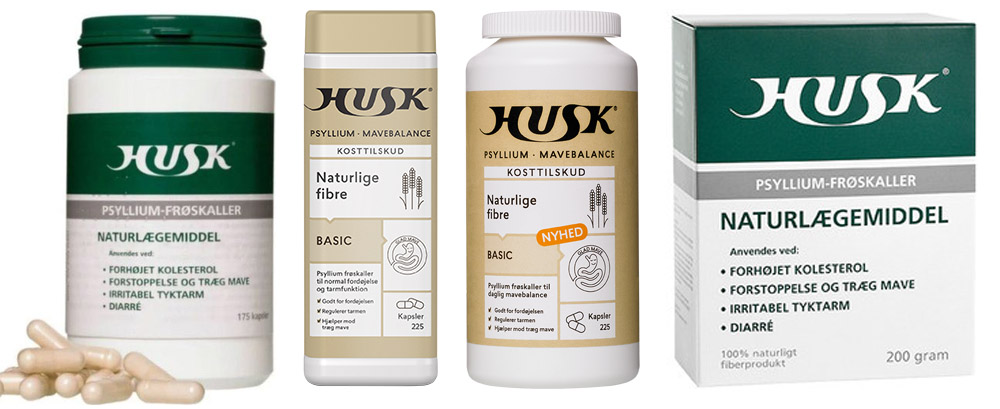
Orkla Care A / S recalls all products of HUSK supplements, ie. REMEMBER capsules and REMEMBER powder, incl. FiberHUSK due to the risk of salmonella in the product.
13.04.2021 UPDATED – New batch number and product image added
16.04.2021 UPDATED – Recall extended with all products

Recalled Foods , Published: April 9, 2021

Modified April 16, 2021
Updated 13.04.2021: New batch number and product image added
Updated 16.04.2021:  Recall extended with all products
What foods:
FiberHUSK
Net content: 100 g ( see picture here )
Net content: 300 g ( see picture here )
Net content: 30×3 g ( see picture here )
 
Sold in:
Convenience stores, specialty stores and online stores
 
What foods:
FiberHUSK daily stomach balance with lactic acid
Net content: 200g ( see picture here )
Net content: 28x5g ( see picture here )
FiberHUSK daily stomach balance lemon flavor  ( see picture here )
Net content: 250g
FiberHUSK daily stomach balance blackcurrant taste ( see picture here )
Net content: 250g 
Sold in:
Convenience stores
What foods:
REMEMBER Psyllium Stomach Balance Basic (capsules)
Net content: all products ( see picture here  and  see picture here ).
 
REMEMBER psyllium stomach balance lemon flavor ( see picture here )
Net content: all products 
 
REMEMBER psyllium stomach balance blackcurrant flavor ( see picture here )
Net content: all products
 
REMEMBER Psyllium stomach balance with lactic acid bacteria
Net content: 200g ( see picture here )
Net content: 28x5g ( see picture here )

Sold in:
Pharmacy and online pharmacy
Company recalling:
Orkla Care A / S
Cause:
Risk of salmonella in the products.
Risk:
There is a risk of infection with salmonella. The symptoms are i.a. diarrhea, nausea, abdominal pain, fever and vomiting.
Advice for consumers:
The Danish Veterinary and Food Administration advises consumers to deliver the product back to the store where it was purchased or to discard it.

France – Product recall: GAEC des Lauriers brand Ambalon – Listeria monocytogenes

Oulah

Product recall: GAEC des Lauriers brand Ambalon

ENCOUNTERED PROBLEM

Presence of Listeria monocytogenes

PROPOSED SOLUTION

Do not consume and destroy or bring back to the point of sale

Ethylene oxide gas is used as a biocide (bactericide killing bacteria and their endospores), as a fungicide (killing molds and fungi).
The MRL, set at 0.05 mg / kg in EC regulation n ° 396/2005, has been exceeded leading to product withdrawals in several European countries including France.

In the event of consumption, various disorders may appear for which we invite you to consult your doctor or the poison control center in your region in case of occurrence.

FURTHER INFORMATION

▸ Names of models or references
Semi-cooked pressed cheese, lot 49, sold by the cut

▸ Barcode
…

▸ Lot
49

▸ DDM
05/09/2021

▸ Start / end date of marketing
From 09/30/2019 to 04/02/2021

▸ Distributors
Cheeses sold on the Roussillon, Vienne and Bourgoin Jallieu markets, on the farm and at the La Ronde des Fermes collective point of sale in Estrablin.

▸ Consumer service contact
0474581320

▸ Source
https://rappel.conso.gouv.fr/

Research – Effect of food matrix type on growth characteristics and hemolysin production of Vibrio alginolyticus

Journal of Food Protection

Food Illness

The growth and hemolysin production of two V.   alginolyticus  strains (HY9901 and ATCC17749T) at 30 °C in briny tilapia, shrimp, scallop, oyster, pork, chicken, freshwater fish and egg fried rice were investigated. Bacterial counts were enumerated by plate counting. Hemolysin production was evaluated by blood agar and hemolytic titer tests. The two V.   alginolyticus  strains displayed similar growth and hemolysin production patterns in the foods. Based on the goodness of fit primary model statistics (R 2 , MSE, BF, AF), the modified Gompertz model was a better fit to V.   alginolyticus  growth in foods than the logistic model. Growth kinetic parameters of V.   alginolyticus  displayed a higher μ max and shorter λ in briny tilapia > shrimp > freshwater fish > egg fried rice > scallop > oyster > chicken > pork. It was notable that the V.   alginolyticus  counts were similar at the stationary phase, with no significant growth behavior difference between raw and cooked foods. Significantly higher (p < 0.05) thermostable direct hemolysin (TDH) activity was produced by V.   alginolyticus  in briny tilapia > freshwater fish > shrimp > chicken > egg fried rice > scallop > oyster > pork. But the hemolytic titer was not consistent with the TDH activity, being significantly higher (p < 0.05) in briny tilapia > egg fried rice > shrimp > freshwater fish > chicken > scallop > oyster > pork. Contrary to current belief, V.   alginolyticus  displayed a higher hemolysin production in some non-seafoods (freshwater fish, egg fried rice and chicken) than in scallop or oyster. This is the first report of growth and toxicity of V. alginolyticus  in different food matrices and confirmation that some non-seafood contaminated with V. alginolyticus  can be even more pathogenic. This study will enhance the awareness of non-seafood safety and improve the V.   alginolyticus  risk assessment accuracy.

Research – An Overview of Traceback Investigations and Three Case Studies of Recent Outbreaks of Escherichia coli O157:H7 Infections Linked to Romaine Lettuce

Journal of Food Protection

Eurofins Food Testing UK

Leafy greens contaminated with Shiga toxin-producing Escherichia coli (STEC) have continued to cause foodborne illness outbreaks in recent years and present a threat to public health. An important component of foodborne illness outbreak investigations is determining the source of the outbreak vehicle through traceback investigations. The Food and Drug Administration is home to traceback investigation experts that employ a standardized process to initiate, execute, and interpret the results of traceback investigations in collaboration with the Centers for Disease Control and Prevention and state and local partners. Traceback investigations of three outbreaks of STEC infections linked to romaine lettuce in 2018 and 2019 were examined to demonstrate challenges, limitations, and opportunities for improvement. The three outbreaks resulted in a total of 474 illnesses, 215 hospitalizations, and five deaths. These illnesses were linked to the consumption of romaine lettuce from three distinct growing regions in Arizona and California. Some of the challenges encountered included the time it took to initiate a traceback, limited product-identifying information throughout the supply chain, lack of interoperability in record keeping systems, and co-mingling of product from multiple suppliers. These challenges led to time delays in the identification of the farm source of the leafy greens and the inability to identify the root cause of contamination. Implementation of technology enabled traceability systems, testing of these systems, and future regulations to incentivize adoption of traceability systems are some of the initiatives that will help address these challenges by improving traceback investigations and ultimately preventing foodborne illnesses and future outbreaks from occurring.

Research – Factors affecting persistence of Listeria monocytogenes need to be identified for evaluation and prioritization of interventions.

Centre For Produce Safety

Listeria kswfoodworld food safety food poisoning

Image CDC

The foodborne pathogen Listeria monocytogenes can survive over time in food processing environments such as produce facilities. These “resident” Listeria strains increase the likelihood for finished product contamination, recalls, and outbreaks. Advances in sequencing allow for enhanced discrimination between Listeria strains, such as those that may be unique to a specific facility. This results in improved traceback from listeriosis patients to the facility where the implicated food was prepared. However, sequencing advances have also enabled us to better understand how a unique Listeria strain may survive and spread in a facility over time. Thus far, there is little peer-reviewed research on how to prevent, eliminate, or manage a “resident” Listeria strain in a facility, particularly for the produce industry. This project was designed to review published and unpublished data to identify factors that may contribute to a Listeria persisting in a facility and to validate potential interventions suitable for produce facilities using experiments in commercial facilities as well as computer modeling. This project will provide industry with tools to (i) help identify what characteristics of their facilities may allow a Listeria to persist, and (ii) select and justify interventions that are used to prevent, eliminate, or manage Listeria persistence.

Technical Abstract

Persistence of Listeria in produce packing and fresh-cut facilities continues to be a concern that the industry tries to address through development and implementation of “seek and destroy” programs. While industry has considerably improved their ability to detect Listeria persistence (“seek”), identification and implementation of strategies to eliminate or manage persistence (“destroy”) remains a major challenge. There thus is a need for the produce industry to have improved resources to (i) rapidly identify factors (root causes) that may be responsible for or contribute to Listeria persistence, as well as factors that contribute to dispersal of resident strains; and (ii) identify appropriate science-based
interventions that can be used to prevent, eliminate, or manage relevant root causes. In particular, the produce industry has a need for data and procedures to validate Listeria persistence interventions, which will allow produce facilities to justify a given control strategy to regulatory agencies, customers, and third-party auditors. This project was thus designed to (i) assemble a comprehensive list of factors that contribute to the establishment and dispersal of “resident” Listeria in produce packing and fresh-cut facilities and to (ii) use different approaches to validate interventions that target these factors. Validation approaches will include (i) identifying relevant previous scientific literature; (ii) experimental
validation in commercial facilities, and (iii) in silico validation utilizing agent-based models for produce packinghouses and fresh-cut facilities. To achieve these project goals, we propose the following objectives:

Obj. 1: Conduct a systematic review of published and unpublished data and literature to identify modifiable factors that may contribute to resident Listeria in produce packing and fresh-cut facilities and relevant interventions, assess the validity of these findings based on the strength of evidence and prioritize interventions for assessment in Objs. 2 and 3 using expert elicitation.

Obj. 2: Use controlled experiments and observational studies to validate selected interventions identified in Obj. 1 in produce packing and fresh-cut facilities with resident Listeria.

Obj. 3: Validate selected interventions that are challenging to validate experimentally (e.g., extensive facility modifications) using our previously developed agent-based model.

Results from all three objectives will be used to assemble a resource document that includes (i) a comprehensive list of factors that are well supported to contribute to Listeria persistence and dispersal of resident strains, and (ii) interventions for each factor, along with justification and data supporting each intervention. In addition, we will also develop a step-by-step approach for conducting a root cause analysis to identify the most likely factors contributing to a given persistence event and selecting appropriate interventions. These resource documents will be assembled into a toolkit and made available through different mechanisms, including collaborations with produce trade organizations, to facilitate their widespread use. Ultimately, the project outcomes will allow industry to more effectively control Listeria persistence, leading to a lower risk of cross-contamination and recalls.

Research- Fish, Tilapia, and Shigellosis: A review

AJAR

Foodborne diseases are considered a relevant issue in health around the world due to their incidence, mortality and negative effects on the economic and productive sector. Fish is considered a food of high nutritional quality, being of global production, distribution and commercialization mainly for human consumption. Among the fish worldwide obtained from capture fisheries and mainly aquaculture for human consumption is Tilapia, due to the adaptability of this fish under cultivation conditions in addition to the fact that its meat is of quality and accessible economic value. Fish due to its composition, is highly susceptible to deterioration and contamination by different hazards throughout the food chain, putting the safety of products and public health at risk. Shigellosis is among the diseases that may be contracted from the consumption of food contaminated by bacteria of the genus Shigella spp.; food contamination is mainly related to inadequate or non-hygienic conditions and practices in the production, processing and handling of food. Therefore, the purpose of this review is to provide a general perspective of foodborne diseases, especially shigellosis, causal agents, conditioning factors, related foods such as fish, as well as control and preventive actions in order to protect the food safety and public health.