Recalled Foods , Published: February 18, 2022
Archives
-
Join 347 other subscribers
KSWFoodWorld
Blog Stats
- 484,960 Views
Recalled Foods , Published: February 18, 2022
The public and industry had the opportunity this week to hear FDA representatives talk about a proposed rule regarding how to make water used in the growing of fresh produce safer.
The session with the Food and Drug Administration officials included about 30 minutes for comments from the audience, which consisted of three-minutes each from industry spokespeople.
During one portion of the five-hour session a representative from the Center for Science in the Public Interest provided comments about public welfare issues concerning the proposed water safety rule. That portion of the session also included a presentation by a representative of Western Growers, which is a group of produce growers in western states.
One thing the government speakers and other commenters had in common was the fact that the ag water rule is complicated. They all also said the proposed rule is more flexible than the one-size-fits-all proposal previously put forward by the Food and Drug Administration.
The agency has been working on the rule regarding agricultural water requirements under the Produce Rule since 2013. The rule is one of the mandates included in the federal Food Safety and Modernization Act of 2011. It covers water safety issues for fresh fruits and vegetables. It has a special section for the production of sprouts that is already in place.
Provisions of the proposed water rule do not include most small farmers, if their annual income generated by their sales of fresh produce is less than $25,000. Many of those growers use organic methods.

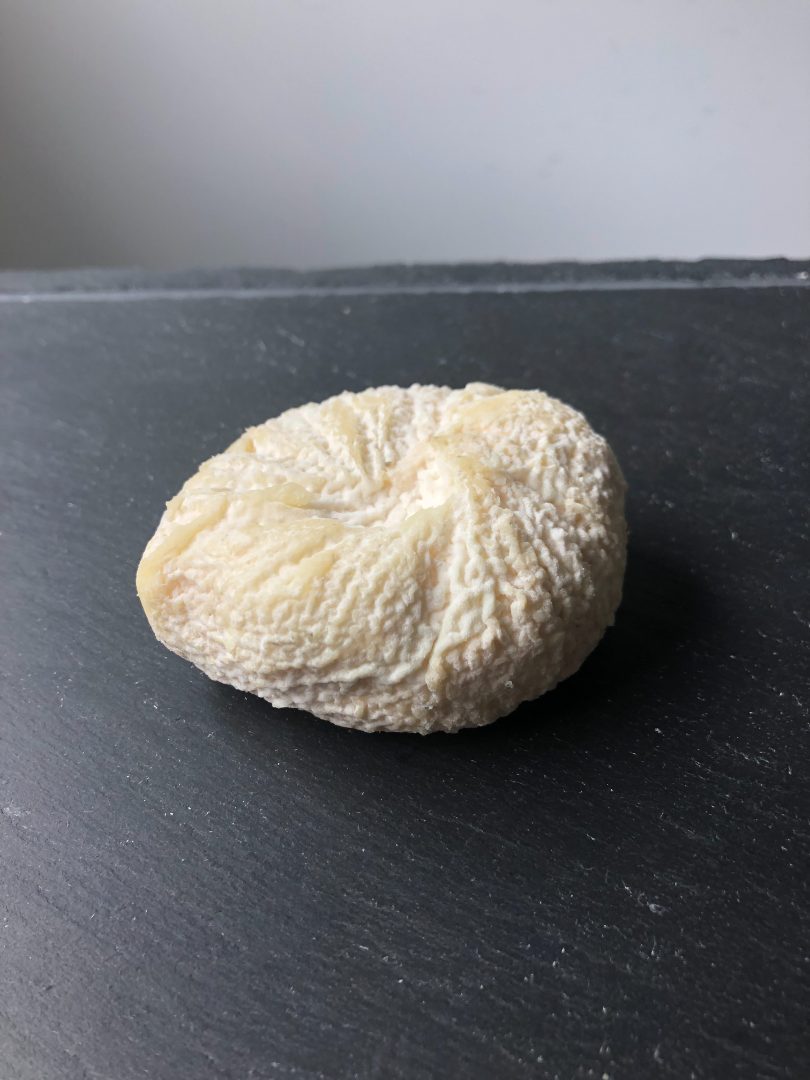
There was mold on the surface of the food. Food is not considered safe if it shows signs of spoilage.
The food did not expire.
| Lots: | LOT 72101 |
| Date of minimum durability: | 09-11-2022 |
| Packaging: | PE cover |
| Quantity of product in package: | 4.2 kg |
| Distributor: | Gornicky, sro, Harantova 1359, 397 01 Písek, Czech Republic |
| Country of origin: | Spain |
| Sampling date: | Jan 17, 2022 |
| Reference number: | 22-000073-CAFIA-CZ |
Posted in food contamination, food handler, Food Hazard, Food Hygiene, Food Inspections, Food Micro Blog, Food Microbiology, Food Microbiology Blog, Food Microbiology Testing, food recall, Food Safety, Food Safety Alert, Food Spoilage, Food Temperature Abuse, Food Testing, mold, Mould/Mold, Potravinynapranyri
The pathogenic bacterium Salmonella Typhimurium was detected in the product . This bacterium can cause a condition called salmonellosis.
| Lots: | 211220 |
| Expiration date: | 12/25/2021 |
| Producer: | Beskydy sausages, as |
| Country of origin: | Czechia |
| Sampling date: | 21. 12. 2021 |
| Reference number: | 22-000020-SVS-CZ |
The pathogenic bacterium Listeria monocytogenes was detected in the product . This bacterium can cause a condition called listeriosis.
| Lots: | 11/26/2021 |
| Producer: | JATKA TISMICE sro |
| Country of origin: | Czechia |
| Sampling date: | Nov 30, 2021 |
| Reference number: | 22-000021-SVS-CZ |
Posted in food contamination, food handler, Food Hazard, Food Hygiene, Food Inspections, Food Micro Blog, Food Microbiology, Food Microbiology Blog, Food Microbiology Testing, Food Pathogen, food recall, Food Safety, Food Safety Alert, Food Testing, Listeria, Listeria monocytogenes, Potravinynapranyri

| GTIN | Lot | Dated |
|---|---|---|
| 3509050002509 | LOT N°18 | Best before date 04/14/2022 |
| 3509050101608 | LOT N°18 | Best before date 04/14/2022 |
| 3509050001601 | LOT N°18 | Best before date 04/14/2022 |
| 3509050111195 | LOT N°18 | Best before date 04/14/2022 |
| BALUCHON LOT N°18 | Best before date 04/14/2022 | |
Norovirus was the main cause of foodborne outbreaks in Finland from 2017 to 2019, according to figures published recently by the Finnish Food Authority (Ruokavirasto).
About 2,900 people were reported to have fallen ill in 162 foodborne outbreaks with 110 hospitalizations and nine deaths.
Norovirus caused 57 foodborne outbreaks including two in 2018 through meals at medical and elderly care institutions with 292 and 110 cases. The most commonly reported vectors were fish and fish products, including shellfish and mussels. These caused 14 outbreaks.
Posted in food bourne outbreak, Food Illness, Food Micro Blog, Food Microbiology, Food Microbiology Blog, Food Microbiology Research, Food Microbiology Testing, Food Virus, Foodborne Illness, foodborne outbreak, foodbourne outbreak, Illness, microbial contamination, Microbiological Risk Assessment, Microbiology, Microbiology Investigations, Norovirus, outbreak, Virus
|
Product(s) |
|||||
|
2/17/ 2022 |
1056 |
Cronobacter |
Powdered |
Active |
|
|
2/9/ 2022 |
1040 |
Not Yet |
14 |
Active |
|
|
2/2/ 2022 |
1054 |
Enteroinvasive |
Not Yet |
16 |
Active |
|
1/10/ 2022 |
1050 |
E. coli |
Romaine |
4 |
Closed |
|
12/29/ 2021 |
1052 |
E. coli |
Packaged |
Active |
|
|
12/20/ 2021 |
1039 |
Packaged |
Active |
||
|
12/15/ 2021 |
1048 |
Packaged |
Active |
Posted in Cronobacter sakazakii, E.coli O121, E.coli O157, E.coli O157:H7, FDA, Food Microbiology, Food Microbiology Blog, Food Microbiology Research, Food Microbiology Testing, Listeria, Listeria monocytogenes, microbial contamination, Microbiological Risk Assessment, Microbiology, Microbiology Investigations, O143:H26, Salmonella
Authorities announced that norovirus is the culprit behind the hospitalization of hundreds of people in the western province of Bilecik in recent weeks. An investigation found out that the virus, whose symptoms include vomiting, diarrhea and stomachache, originated from city’s drinking water. Health Ministry crews discovered that unfiltered water from a spring had contaminated drinking water supplies to the city of more than 228,000 people.
Posted in Contaminated water, food bourne outbreak, Food Illness, Food Micro Blog, Food Microbiology, Food Microbiology Blog, Food Microbiology Research, Food Microbiology Testing, Food Virus, Foodborne Illness, foodborne outbreak, foodbourne outbreak, Illness, microbial contamination, Microbiological Risk Assessment, Microbiology, Microbiology Investigations, Norovirus, outbreak, Virus, Water, water microbiology, Water Safety

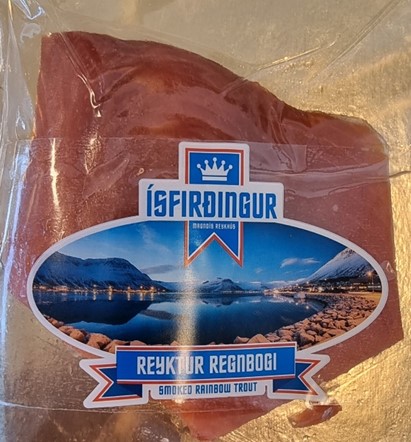
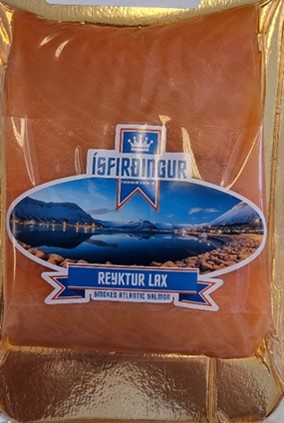
Listeria monocytogenes was detected in samples of smoked salmon and smoked rainbow produced under the name Ísfirðing. The distribution and sale of the products has been stopped. Smoked salmon should therefore not be distributed in stores, but consumers could keep the product in the freezer or refrigerator.
Fiskvinnslan Hrefna has notified Matvælastofnun that due to precautionary measures, consumption is being warned and the product is being recalled from consumers. The recall covers the date “Expiry date” 14.02.2022. This batch was produced in December, frozen by producers and placed on the market in January. The batch was first launched on the market in December with the last day of use 14.01.2022 and therefore its consumption is also warned.
Listeria monocytogenes was also detected in small amounts in smoked salmon and smoked rainbow with the last day of use 08.03.2022.

Consumers who have in their luggage, in the fridge or freezer, packages with the above dates are asked to dispose of the product or return it by contacting Fiskvinnslan Hrefna ehf, tel. 8943653 or e-mail fiskvinnslanhrefna@gmail.com.
Products, with the above dates, have been withdrawn from the market.
Listeria monocytogenes can cause disease in both humans and animals and is called listeriosis. Symptoms of the disease include mild flu-like symptoms, muscle aches, fever and sometimes nausea and diarrhea. More serious symptoms are meningitis in infants, sepsis and the disease can also cause miscarriage. In rare cases, the bacterium can cause death, usually in individuals with impaired immune systems.
In most healthy individuals, the consumption of listeria-contaminated foods does not cause disease. Risk groups are pregnant women, unborn and newborn babies, the elderly and people with impaired immune systems. Group infections caused by listeria are rare, usually individual infections.
Matvælastofnun also draws attention to the fact that foods marked with the “expiration date” should not be consumed after that day, as they may not be safe. Foods marked with “best before” can, however, be safe and to reduce food waste, it is important to use the nose to assess their quality.
It is important that the relatives of the elderly or others who care for the elderly monitor food in their refrigerator and dispose of food after the “last day of use” has passed.