Category Archives: vibrio cholerae

RASFF Alert – Vibrio cholerae – Frozen Prawns

RASFF

Vibrio cholerae (presence /25g) in frozen prawns (Litopenaeus vannamei) from Ecuador in Spain

Research – Editorial: Vibrio Species in the Food Processing Chain

Frontiers in Microbiology
Food Illness

Editorial on the Research Topic
Vibrio Species in the Food Processing Chain

Rising concern about the foodborne illnesses caused by pathogenic Vibrio species (mainly V. parahaemolyticus, V. cholera, and V. vulnificus) has led to a strengthening of research on the characterization of the presence of the genus in food matrices, virulence genes, pandemic markers, and the correlation between clinical and environmental isolates from different ecosystems. The emergence of antimicrobial resistance strains (AMR) in Vibrio spp. may produce a decrease in the effectiveness of commonly used antibiotics, thus posing a threat to public health. Progress in genomic studies has identified motile elements implied in gene transfer that may give birth to developing surveillance strategies for risk mitigation. The development of new infection models that can predict the pathogenesis of Vibrio spp. and the use of high-throughput sequencing techniques for serogroup genes may be useful tools for understanding molecular pathways and the infectivity of Vibrio spp. food isolates. In this Research Topic, different approaches, aiming at characterizing Vibrio spp. from aquaculture, marine, and vegetable ecosystems, together with the evaluation of microbial behavior and the development of new infection and serogroup models, are shown.

A mini-review by Dutta et al. discusses the role and antimicrobial resistance of pathogenic Vibrio spp. They present potential sources of antibiotic resistance genes for Vibrio spp., including the horizontal gene transmission from other pathogens as the main route. This has shown the genetic basis of the emergence of multidrug and extensively multidrug resistant Vibrio spp. through different types of highly mobile elements that can be extensively propagated among bacteria. The use of phage or probiotic therapies as alternative treatments for the inactivation of antibiotic resistant species of Vibrio may be helped by the maintenance of good hygiene practices and processing technologies to protect public health.

Antibiotic resistance genes can also originate from the environment, such as wastewater effluents or sediments in marine or aquaculture habitats. In this regard, Siddique et al. studied the characterization of pathogenic V. parahaemolyticus in a fish farm ecosystem (tilapia, rui, and shrimp). Among the 216 samples, 60.2% were positive for the pathogen, including 323 isolates of which 17 harboured the trh virulence gene gene. They confirm the presence of resistant strains to amoxicillin, ampicillin, and penicillin. Pathogenicity was further confirmed by the fluid accumulation in the ileal loop of rabbits being O8: KUT, the most predominant pathogenic serotype.

The presence and characterization of V. parahaemolyticus and V. vulnificus in marine and estuarine environments was studied by da Silva et al. They found 150 isolates of V. parahaemolyticus, including 52 positives for trh gene, and 129 of V. vulnificus from water and blue crab samples. PFGE and agglutination tests were used for molecular subtyping and determination of antibiotic resistance. The study showed the high presence of the O5 pathogenic serotype, together with the multidrug resistant isolates (41%) and the high genetic diversity of both Vibrio species, as no correlations were found among the sampling sites, antimicrobial resistance profiles, and pathogenicity.

The associated presence of Vibrio spp. in water ecosystems may underestimate their origin from other environmental and food sources. Ready-To-Eat vegetables can harbor pathogenic Vibrio spp. if poor manufacturing, hygiene, and storage practices are followed. Igbinosa et al. evaluated the presence of V. parahaemolyticus in minimally processed vegetables. Among the 63 isolates, they found microbial counts from 1.5 to 1,000 MPN/g and drug resistant isolates to ampicillin and cefotaxime mainly (>60%). They studied the biofilm formation finding that 23.8% of the isolates were strong biofilm producers. Regarding the presence of virulence genes, 100, 14.3, and 31.8% of the isolates harbored the toxR gene, trh, and tdh determinants, respectively.

The microbial behavior of Vibrio spp. can be quantified with predictive models. Posada-Izquierdo et al. investigated the fate of a Vibrio spp. cocktail inoculated in lye-treated table olives for 22 days. A predictive growth model was developed as a function of salt concentration (2–12%) and pH (4–9) using a synthetic medium and table olive brines. They found a higher effect of salt concentration than of pH for the growth inhibition of Vibrio spp. However, they were not able to proliferate in the table olives during fermentation, highlighting that phenolics compounds could exert a clear antimicrobial effect.

The disposal of reliable models to predict the pathogenesis of Vibrio spp. are increasingly needed since the use of virulence markers could not fully elucidate the presence of long-standing virulence indicators. This was demonstrated by Santos et al. using clinical and environmental V. parahaemolyticus isolates in two systemic infection models, namely mice and Galleria mellonella larvae. Interestingly, non-pathogenic environmental isolates produced lethal infections regardless of their source, serotype, and genotype (tdh, orf8, toxRSnew, and vpadF). A high correlation was found in the assayed models, supporting that G. mellonella larvae can be used as an alternative model to study the pathogenesis of V. parahaemolyticus.

Recently, the use of high-throughput sequencing technologies has aided researchers in deciphering the genome of different species. This was essential to provide complete knowledge of the molecular and metabolic pathways of microorganisms and the identification of virulence gene clusters. Bian et al. have developed VPsero, a rapid serotyping tool for V. parahaemolyticus using serogroup specific genes obtained from whole-genome sequencing data. The algorithm, based on the comparison of lipopolysaccharide and capsular polysaccharide gene clusters covered 43 K and 12 O serogroups. The authors showed the high sensitivity and specificity of the tool (>0.91), though limitations could be faced in future studies, such as the addition of new serogroups, the verification of the quality of assembled genomes and the availability of short reads.

This Research Topic presents a collection of manuscripts highlighting relevant findings in the pathogenesis of Vibrio spp. in the food chain and suggests future directions for research, enabling progress in the development of novel analytical methods and surveillance actions to mitigate the emerging risk posed by these human pathogens.

India – Operation Vibrio launched in Kozhikode to tackle waterborne diseases

The Hindu

Operation Vibrio, an action plan to tackle the recurring incidents of food poisoning and waterborne diseases, has been launched in Kozhikode. The Health Department has also issued an alert against cholera in the district.

District Medical Officer Ummer Farooque said on Tuesday that the effort was to detect diseases such as cholera, shigella, amoebiasis, typhoid and jaundice that spread through contaminated food and water. As many as 17 cases of food poisoning had been reported in the district between February and November this year. As many as 257 people were infected and two died. Family events and wedding receptions and the food supplied in shops and hostels were reported to be the source of the infection. Some others took ill through having ice cream and fruit juices. The presence of bacteria such as vibrio cholerae, coliform, and e-coli had been found in water sources in some parts of the district as well.

India – Five instances of food poisoning in Kozhikode in less than a month

The Hindu

Health Department issues advisory on checking quality of drinking water sources. (Cholera)

At least five incidents of suspected food poisoning have occurred in Kozhikode district in less than a month, prompting the Health Department to issue an advisory on checking the quality of drinking water sources.

Fifteen girl students of a private entrance coaching centre at Perumanna were admitted to hospital after they had stomach upset and other symptoms on October 25.

Two-and-a-half-year-old Mohammed Yamin of Narikkuni died on November 13, just a couple of days after he had food at a wedding event. A dozen children and some elders too fell ill.

Hundreds sought medical treatment at Puthoor in Vadakara on November 15 after they had food at another wedding event in the previous days. Those who had idli and sambar from two temples at Mukkom complained of uneasiness, and 22 people sought treatment on November 19.

Fourteen students of a hostel at Pantheerankavu sought treatment at the Government Medical College Hospital, Kozhikode, after they had breakfast on November 20.

Another instance of food poisoning was averted in the nick of time when an alert food safety inspector detected pseudomonas bacteria in eggs scheduled to be distributed at a school at Payyadimeethal near Pantheerankavu on November 10.

USA – The amount of coastal water that can harbor harmful Vibrio bacteria has spiked 56%. One species is flesh-eating.

Business Insider

KSWFOODWORLD

The amount of coastal water in which harmful bacteria can live has increased 56% over the past few decades, a report published Wednesday found.

That bacteria family, called Vibrio, lives in salty or brackish coastal waters, including in the US and Canada. The infection it causes, vibriosis, is usually contracted by eating raw or undercooked seafood or by exposing a wound to bacteria-infested seawater. Mild cases resolve in about three days, but Vibrio can also cause severe diseases, including gastroenteritis, life-threatening cholera, dangerous wound infections, and sepsis.

One species of Vibrio bacteria, Vibrio vulnificus, is referred to as flesh-eating because the bacteria can aggressively destroy body tissue. Those infections, though rare, often require intensive care or amputation. And they can be fatal, killing one in five infected people, usually within two days, according to the Centers for Disease Control and Prevention.

The reasons Vibrio is becoming a greater threat are that sea surface temperatures are rising and seawater is getting saltier. That’s one of many alarming findings from the medical journal The Lancet’s sixth annual report on health and climate change. In it, researchers from academia and the United Nations tracked 44 indicators of health effects linked to climate change.

Research – Heatwave-associated Vibrio infections in Germany, 2018 and 2019

Eurosurveillance

Food Illness

The genus , which belongs to the family  and the class , includes many species that are potential human pathogens [1].  is a highly diverse species that consists of more than 200 serogroups [2]. Strains within the serogroups O1 and O139 produce cholera toxin and are the causative agents of endemic and epidemic cholera, which represent an important cause of morbidity and mortality in countries with inadequate access to clean water and sanitation facilities [3].  strains not included in these serogroups as well as other  spp. are referred to as non-cholera  spp. and are ubiquitous aquatic bacteria with a worldwide distribution, especially in warm estuarine and marine ecosystems [2]. These halophilic bacteria prefer low to moderate salinity (less than 25 parts per thousand (ppt) NaCl) [4]. The abundance of  spp. in marine and estuarine waters closely corresponds with the sea surface temperatures (SSTs) since they proliferate in warm water [5]. Thus, regional variations in environmental conditions are paramount importance in understanding the ecology of  spp.

Human infections with non-cholera  spp. can manifest as wound infections, ear infections, gastroenteritis, and primary septicaemia and have been predominantly reported in tropical and subtropical regions [6]. In Europe, cases are rare, and infections associated with the Mediterranean Sea [79], the Atlantic Ocean [1012], or the Baltic Sea [13,14] have only been sporadically reported. However, a rapidly warming marine environment accompanied by an increase in extreme weather events such as heatwaves has resulted in unprecedented peak SSTs favouring the spread of  spp. worldwide. Recently, larger  spp. outbreaks have been reported in temperate regions such as Spain [15], Sweden, and Finland [16]. In Germany,  spp. other than toxigenic  strains were not classified as reportable pathogenic agents before March 2020; to date, only a few cases have been reported and few case series of autochthonous infections have been published [1720]. Over the last decades, resistance to various antibiotics, including to ampicillins, tetracyclines, and carbapenems, has emerged among  spp [21,22]. As a result of resistant isolates, the monitoring of antibiotic profiles of clinical and environmental  spp. has become of increasing importance. However, information on the number of human cases and the abundance of  spp. in coastal waters is scarce in most other European countries.

When we became aware of a high number of human infections with virulent  strains contracted in the Baltic Sea during the summer months of 2018 and 2019 (data not shown), we decided to conduct an observational retrospective multi-centre cohort study of domestically-acquired  infections. This study describes the epidemiology and the clinical impact of those infections and assesses antibiotic resistance patterns and phylogenetic relationships among clinical isolates. To determine the association between  infections and SST anomalies, we analysed the degree of warming in the south-western Baltic Sea, where the majority of the infections occurred.

ECDC – Cholera – Annual Epidemiological Report for 2019

ECDC

Food Illness

Key facts

•In the European Union/European Economic Area (EU/EEA), cholera is a rare disease that is primarily associated with travel to endemic countries outside of the EU/EEA.

•In 2019, seven EU countries reported 26 confirmed cases of cholera, which was similar to previous years.

•Most cases (16/26) were reported by the United Kingdom.

Click to access CHOL_AER_2019_Report.pdf

Research – Whole genome sequencing reveals great diversity of Vibrio spp in prawns at retail

Microbiology Research

Food Illness

Consumption of prawns as a protein source has been on the rise worldwide with seafood identified as the predominant attributable source of human vibriosis. However, surveillance of non-cholera is limited both in public health and in food. Using a population- and market share-weighted study design, 211 prawn samples were collected and cultured for spp. Contamination was detected in 46 % of samples, and multiple diverse isolates were obtained from 34 % of positive samples. Whole genome sequencing (WGS) and phylogenetic analysis illustrated a comprehensive view of species diversity in prawns available at retail, with no known pathogenicity markers identified in and . Antimicrobial resistance genes were found in 77 % of isolates, and 12 % carried genes conferring resistance to three or more drug classes. Resistance genes were found predominantly in , though multiple resistance genes were also identified in and . This study highlights the large diversity in derived from prawns at retail, even within a single sample. Although there was little evidence in this study that prawns are a major source of vibriosis in the UK, surveillance of non-cholera is very limited. This study illustrates the value of expanding WGS surveillance efforts of non-cholera Vibrios in the food chain to identify critical control points for food safety through the production system and to determine the full extent of the public health impact.

USA – Florida Vibrio vulnificus update: Additional case/death in Orange County

Outbreak News Today

Food Illness

The Florida Department of Health reported Friday an additional Vibrio vulnificus case and death in Orange County, bringing the state total to 19 cases and seven deaths so far in 2021.

The even fatalities have been reported in Manatee (2), Duval, Escambia, Lee, Orange and Polk counties.

Since 2008, state officials have reported 471 cases and 124 deaths, including 36 cases and 7 deaths in 2020.

Vibrio vulnificus can cause disease in those who eat contaminated seafood or have an open wound that is exposed to warm seawater containing the bacteria. Ingestion of Vibrio vulnificus can cause vomiting, diarrhea and abdominal pain. Vibrio vulnificus can also cause an infection of the skin when open wounds are exposed to warm seawater; these infections may lead to skin breakdown and ulcers.

USA – Oysters and Vibriosis

CDC

What You Need to Know

  • Eating raw oysters and other undercooked seafood can put you at risk for infections, such as vibriosis.
  • Vibriosis is caused by some kinds of Vibrio bacteria.
  • Most Vibrio infections happen during warmer months, but they can happen anytime.
  • An oyster that contains Vibrio doesn’t look, smell, or taste different from any other oyster.
  • A way to kill Vibrio in oysters is to cook them properly.
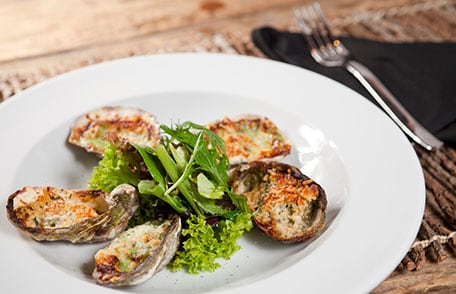
Plate of baked oysters

Many people enjoy eating raw oysters, and raw oyster bars are growing in popularity. But eating raw or undercooked oysters and other shellfish can put you at risk for foodborne illness.

Learn about vibriosis, an illness caused by infection with certain kinds of Vibrio bacteria, and steps you can take to protect your health when it comes to oysters and other shellfish.

Vibrio bacteria naturally inhabit coastal waters where oysters live. Because oysters feed by filtering water, Vibrio and other harmful bacteria and viruses can concentrate in their tissues. When someone eats raw or undercooked oysters, germs that might be in the oyster can cause illness.

CDC estimates that about 80,000 people get vibriosis—and 100 people die from it—in the United States every year. Most of these illnesses happen from May through October when water temperatures are warmer. However, you can get sick from eating raw or undercooked oysters during any month of the year, and raw oysters from typically colder waters also can cause vibriosis.

An oyster that contains harmful bacteria doesn’t look, smell, or even taste different from any other oyster. You can kill Vibrio in oysters and certain other shellfish, such as mussels and clams, by cooking them properly.

What are the symptoms of vibriosis?

Most Vibrio infections from oysters, such as Vibrio parahaemolyticus infection, result in mild illness, including diarrhea and vomiting. However, people with a Vibrio vulnificus infection can get very sick. As many as 1 in 5 people with a Vibrio vulnificus infection die. This is because Vibrio vulnificus infection can lead to bloodstream infections, severe blistering skin lesions, and limb amputations.

If you develop symptoms of vibriosis, tell your medical provider if you recently ate or touched raw oysters or other raw shellfish or came into contact with salt water or brackish water. Brackish water is a mixture of salt water and fresh water. It is often found where rivers meet the sea.

Who is more likely to get vibriosis?

Anyone can get vibriosis, but you may be more likely to get an infection or severe illness if you:

  • Have liver disease, cancer, diabetes, HIV, or the blood disorder thalassemia
  • Receive immune-suppressing therapy for the treatment of disease
  • Take medicine to lower stomach acid levels
  • Have had recent stomach surgery
  • Are 65 years or older

How do people get vibriosis?

Most people become infected by eating raw or undercooked shellfish, particularly oysters. Other people become infected by:

  • Getting brackish or salt water in a wound, such as when they’re swimming, wading, or fishing.
  • Cutting themselves on an item, such as a rock or pier, that has come into contact with brackish or salt water.
  • Getting raw seafood juices or drippings in a wound.

How can I stay safe?

Follow these tips to reduce your chances of getting an infection when eating or touching shellfish and other seafood:

  • Don’t eat raw or undercooked oysters or other shellfish. Fully cook them before eating, and only order fully cooked oysters at restaurants. Hot sauce and lemon juice don’t kill Vibrio bacteria and neither does alcohol.
    • Some oysters are treated for safety after they are harvested. This treatment can reduce levels of vibriosis in the oyster, but it does not remove all harmful germs. People who are more likely to get vibriosis should not eat any raw or undercooked oysters.
  • Separate cooked seafood from raw seafood and its juices to avoid cross contaminationexternal icon.
  • Wash your hands with soap and water after handling raw seafood.
  • Stay out of salt water or brackish water if you have a wound (including from a recent surgery, piercing, or tattoo).
    • Cover any wounds if they could touch raw seafood or raw seafood juices, or if you might come into contact with brackish or salt water.
  • Wash open wounds and cuts thoroughly with soap and water if they contacted salt water or brackish water or raw seafood or raw seafood juices or drippings.

What are tips for cooking shellfish?

Before cooking, discard any shellfish with open shells.

For shellfish in the shell, either:

  • Boil until the shells open and continue boiling another 3-5 minutes, or
  • Add to a steamer when water is already steaming and cook for another 4–9 minutes.

Only eat shellfish that open during cooking. Throw out any shellfish that do not open fully after cooking.

For shucked oysters, either:

  • Boil for at least 3 minutes,
  • Fry in oil for at least 3 minutes at 375°F,
  • Broil 3 inches from heat for 3 minutes, or
  • Bake at 450°F for 10 minutes.