Category Archives: Shellfish

USA – Certain Dungeness crabs recalled because of poisoning risk -Domoic Acid – Amnesic Shellfish Poisoning

Food Safety News

The Quinault Tribe of the Northwestern United States is voluntarily recalling almost 58,000 pounds of live or un-eviscerated Dungeness crab because of possible domoic acid contamination, which can cause amnesic shellfish poisoning in people. 

With Dungeness crab being a popular New Year’s dish, public health officials in Washing state posted the recall notice today in hopes of reaching holiday cooks before meals are prepared. It is not clear how far the crab may have been distributed.

Domoic acid is a naturally occurring toxin produced by certain types of algae and can be harmful to humans if contaminated shellfish is consumed. 

Domoic acid can cause amnesic shellfish poisoning (ASP) with symptoms including vomiting, nausea, diarrhea, and abdominal cramps within 24 hours of ingestion. In severe cases, ASP can cause permanent short-term memory loss.

Norway – The inspection program for shellfish 2019

Mattilsynet

Shells along the Norwegian coast have low concentrations of E. coli, heavy metals and other undesirable substances. It shows the results from the annual monitoring of bacteria and environmental toxins in mussels from production areas and mussel samples taken in connection with the Norwegian Food Safety Authority’s mussel warning.

What did we investigate? Mussels, scallops, flat oysters, Pacific oysters, cow mussels, O-mussels, carpet mussels, king snails and Drøbakkråkebolle.
Period: 2019
What were we looking for? E. coli, Salmonella and the environmental toxins cadmium, mercury, dioxins and dioxin-like PCBs, as well as polyaromatic hydrocarbons.
What did we find? About 90 percent of all submitted mussels were below the limit of E. coli and there were no detections of Salmonella. A total of 453 E. coli samples and 26 salmonella samples were analyzed.

Mussels: All examined mussels were below the limits for environmental toxins.

Scallops: No excesses of environmental toxins in muscle and gonads. Flat oysters: Cadmium was detected above the limit value in two samples.

O-shells and king snails: The heavy metal cadmium was, as in previous years, proven well above the limit value. The majority of heavy metals, such as cadmium and lead, have previously been localized to the kidneys. The Norwegian Food Safety Authority therefore recommends that the kidneys be removed before consumption, so that edible parts fall well below the limit values.

Canada – Updated Food Recall Warning – Certain Manila clams may be unsafe due to a marine biotoxin which causes Paralytic Shellfish Poisoning (PSP)

CFIA

Recall details

Ottawa, September 24, 2020 – The food recall warning issued on September 22, 2020 has been updated to include additional distribution information. This additional information was identified during the Canadian Food Inspection Agency’s (CFIA) food safety investigation.

Evergreen International Foodstuffs Ltd. is recalling certain Manila clams from the marketplace due to a marine biotoxin which causes PSP. Consumers should not consume the recalled product described below.

These Manila clams may also have been sold in bulk or in smaller packages with or without a label and may not bear the same brand, product name, or code as described below.

Recalled product

Brand Product Size Code
Evergreen Int’l Foodstuffs Ltd. Manila clams 25 lb. Harvest Date: Sep 16, 2020
Processing Date: Sep 17, 2020
Harvest Location: B.C. 17-20
Lot# 21057

What you should do

Check to see if you have the recalled product in your home. Recalled products should be thrown out or returned to the store where they were purchased. If you are unsure of the source of the clams, check with your place of purchase.

Paralytic shellfish toxins are a group of natural toxins that sometimes accumulate in bivalve shellfish that include oysters, clams, scallops, mussels and cockles. Non-bivalve shellfish, such as whelks, can also accumulate PSP toxins. These toxins can cause PSP if consumed. Symptoms of PSP include tingling and numbness of the lips, tongue, hands and feet, and difficulty swallowing with an onset of a few minutes and up to 10 hours after consumption. In severe situations, this can proceed to difficulty walking, muscle paralysis, respiratory paralysis and death.

Background

This recall was triggered by CFIA test results. The CFIA is conducting a food safety investigation, which may lead to the recall of other products. If other high-risk products are recalled, the CFIA will notify the public through updated Food Recall Warnings.

The CFIA is verifying that industry is removing the recalled product from the marketplace.

Illnesses

There have been no reported illnesses associated with the consumption of this product.

Public enquiries and media

Company information
Evergreen International Foodstuffs Ltd.: 604-253-8835
Public enquiries
Toll-free: 1-800-442-2342 (Canada and U.S.)
Telephone: 1-613-773-2342 (local or international)
Email: cfia.enquiries-demandederenseignements.acia@canada.ca
Media relations
Telephone: 613-773-6600
Email: cfia.media.acia@canada.ca

Canada – Certain Manila clams may be unsafe due to a marine biotoxin which causes Paralytic Shellfish Poisoning

CFIA

Recall details

Ottawa, September 22, 2020 – Evergreen International Foodstuffs Ltd. is recalling certain Manila clams from the marketplace due to a marine biotoxin which causes Paralytic Shellfish Poisoning. Consumers should not consume the recalled product described below.

These Manila clams may also have been sold in bulk or in smaller packages with or without a label and may not bear the same brand, product name, or code as described below.

Recalled product

Brand Product Size Code
Evergreen Int’l Foodstuffs Ltd. Manila clams 25 lb. Harvest Date: Sep 16, 2020
Processing Date: Sep 17, 2020
Harvest Location: B.C. 17-20
Lot# 21057

What you should do

Check to see if you have the recalled product in your home. Recalled products should be thrown out or returned to the store where they were purchased. If you are unsure of the source of the clams, check with your place of purchase.

Paralytic shellfish toxins are a group of natural toxins that sometimes accumulate in bivalve shellfish that include oysters, clams, scallops, mussels and cockles. Non-bivalve shellfish, such as whelks, can also accumulate Paralytic Shellfish Poisoning (PSP) toxins. These toxins can cause Paralytic Shellfish Poisoning (PSP) if consumed. Symptoms of Paralytic Shellfish Poisoning (PSP) include tingling and numbness of the lips, tongue, hands and feet, and difficulty swallowing with an onset of a few minutes and up to 10 hours after consumption. In severe situations, this can proceed to difficulty walking, muscle paralysis, respiratory paralysis and death.

Background

This recall was triggered by Canadian Food Inspection Agency (CFIA) test results. The CFIA is conducting a food safety investigation, which may lead to the recall of other products. If other high-risk products are recalled, the CFIA will notify the public through updated Food Recall Warnings.

The CFIA is verifying that industry is removing the recalled product from the marketplace.

Illnesses

There have been no reported illnesses associated with the consumption of this product.

Product photos

Printer ready version of photos

  • Evergreen Int'l Foodstuffs Ltd. - Manila clams

Public enquiries and media

Company information
Evergreen International Foodstuffs Ltd.: (604) 253-8835
Public enquiries
Toll-free: 1-800-442-2342 (Canada and U.S.)
Telephone: 1-613-773-2342 (local or international)
Email: cfia.enquiries-demandederenseignements.acia@canada.ca
Media relations
Telephone: 613-773-6600
Email: cfia.media.acia@canada.ca

Canada – N.B. declares outbreak of shellfish bacteria causing gastrointestinal illness – Vibrio parahaemolyticus

Global News CA

Food Illness - Vibrio

Image CDC

New Brunswick health officials have declared an outbreak of vibrio parahaemolyticus, a bacteria found in shellfish that causes gastrointestinal illness in humans.

The province says nine cases of vibrio have been confirmed. The average for New Brunswick is typically only two to three cases a year.

“I am advising all New Brunswickers to ensure that they obtain shellfish and other seafood from a licensed establishment or harvest shellfish from fishing zones which are currently open by Fisheries and Oceans Canada,” said N.B. chief of health Dr. Jennifer Russell in a news release.

South Korea – Increase in Vibrio vulnificus Cases

Outbreak News today

KSWFOODWORLD

The Korea Centers for Disease Control and Prevention (KCDC) has reported an increase in Vibrio vulnificus infections in the first eight months of 2020.

Epidemiological investigations of five patients who died from Vibrio vulnificus infection found that all of them were at high risk for the illness, with underlying conditions such as alcoholism, diabetes and liver disease, The Korea Times reports.

Vibrio vulnificus can cause disease in those who eat contaminated seafood or have an open wound that is exposed to warm seawater containing the bacteria. Ingestion of Vibrio vulnificus can cause vomiting, diarrhea and abdominal pain. Vibrio vulnificus can also cause an infection of the skin when open wounds are exposed to warm seawater; these infections may lead to skin breakdown and ulcers.

New Zealand – Shellfish biotoxin alert – PSP

MPI

North Island warnings

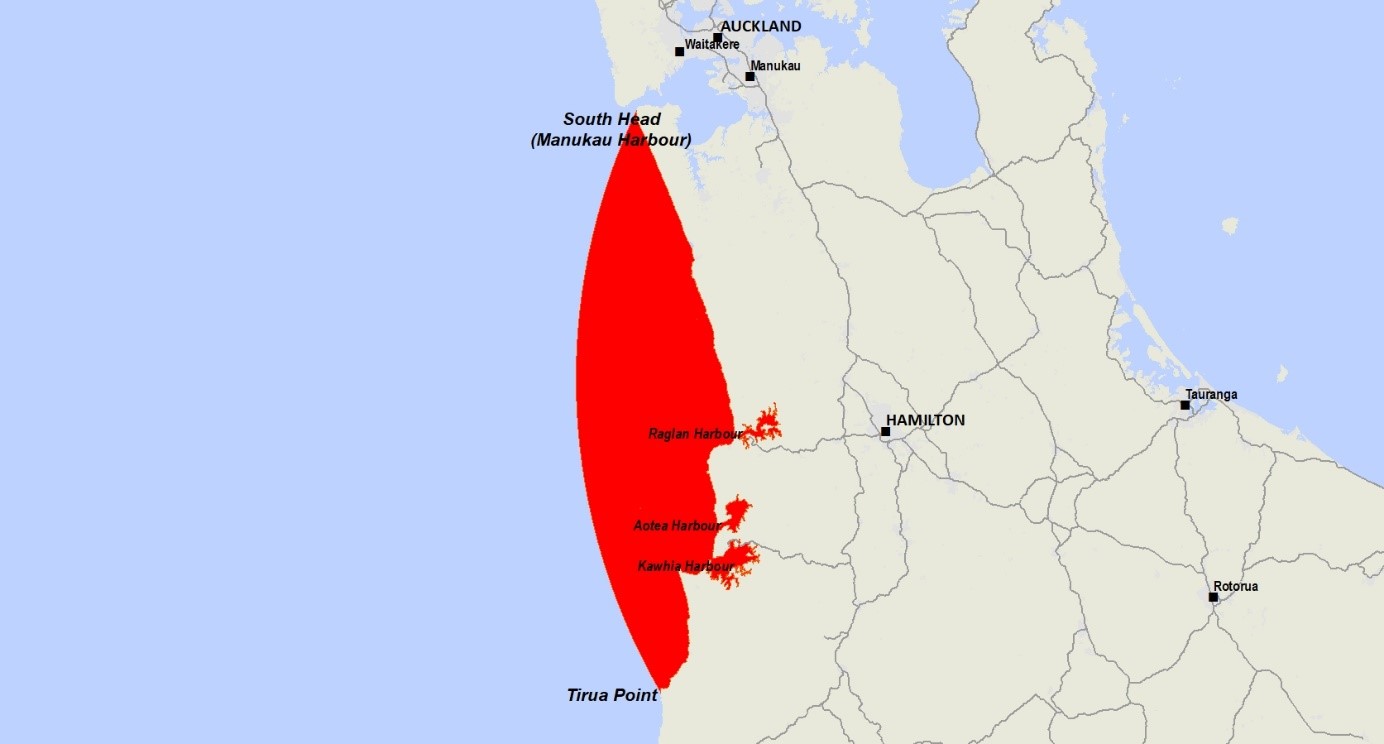
West coast, South Head to Tirua Point (south of Kawhia)

Reason for alert Paralytic Shellfish Poisoning (PSP)

Date warning issued Extended on 2 September 2020

Media release

First issue: 12 August 2020

Media release

Affected area West Coast North Island – from South Head (Manukau Harbour entrance) to Tirua Point (south of Kawhia)
Shellfish affected Mussels, oysters, tuatua, pipi, toheroa, cockles, scallops, catseyes, kina (sea urchin) and all other bivalve shellfish.

Note, cooking shellfish does not remove the toxin.

Pāua, crab and crayfish may still be eaten if the gut has been completely removed prior to cooking, as toxins accumulate in the gut. If the gut is not removed its contents could contaminate the meat during the cooking process.

Symptoms Symptoms typically appear between 10 minutes and 3 hours after ingestion and may include:

  • numbness and a tingling (prickly feeling) around the mouth, face, and extremities (hands and feet)
  • difficulty swallowing or breathing
  • dizziness
  • headache
  • nausea
  • vomiting
  • diarrhoea
  • paralysis and respiratory failure and in severe cases, death.
Other information Paralytic shellfish toxins have been detected in shellfish at levels over the safe limit of 0.8mg/kg set by MPI. Ongoing testing will continue and any changes will be communicated accordingly.

Map of affected area

Map showing the affected area

New Zealand – Shellfish biotoxin alert extended for North Island west coast, including Raglan

MPI

The Ministry for Primary Industries today extended the current public health warning against collecting shellfish from the west coast of the North Island. The warning now extends from South Head (Manukau Harbour entrance) to Tirua Point (south of Kawhia Harbour).

Paralytic Shellfish Poisoning (PSP) toxins have been detected in shellfish from the Kawhia Harbour above the safe limit set by MPI.

The other public health warning for Hawke’s Bay remains in place.

Mussels, oysters, tuatua, pipi, toheroa, cockles, scallops, catseyes, kina (sea urchin) and all other bivalve shellfish should not be eaten.

Note, cooking shellfish does not remove the toxin.

Pāua, crab and crayfish may still be eaten if the gut has been completely removed prior to cooking, as toxins accumulate in the gut. If the gut is not removed its contents could contaminate the meat during the cooking process.

Symptoms typically appear between 10 minutes and 3 hours after ingestion and may include:

  • numbness and a tingling (prickly feeling) around the mouth, face, and extremities (hands and feet)
  • difficulty swallowing or breathing
  • dizziness
  • headache
  • nausea
  • vomiting
  • diarrhoea
  • paralysis and respiratory failure and in severe cases, death.

If anyone becomes ill after eating shellfish from an area where a public health warning has been issued, phone Healthline for advice on 0800 61 11 16, or seek medical attention immediately. You are also advised to contact your nearest public health unit and keep any leftover shellfish in case it can be tested.

Monitoring of toxin levels will continue and any changes will be communicated accordingly. Commercially harvested shellfish – sold in shops and supermarkets, or exported – is subject to strict water and flesh monitoring programmes by MPI to ensure they are safe to eat.

New Zealand – Shellfish Biotoxin Alerts

MPI

ALL WARNINGS ARE UP TO DATE

Warnings are reviewed weekly following sampling results. Information on this page is then updated if needed.

If you have questions, email info@mpi.govt.nz

Current warnings

Hawke’s Bay – North Island

West Coast – South Head to Tauratahi Point – North Island

Previous changes
  • 19 August: Hawke Bay Warning extended to Young Nicks Head.
  • 12 August: NI West Coast – South Head to Tauratahi Point warning issued
  • 12 August: Port Levy warning removed.
  • 10 July 2020: Hawke’s Bay warning extended.
  • 2 July 2020: Hawke Bay warning issued

New Zealand – Shellfish biotoxin alerts – DSP – PSP

MPI

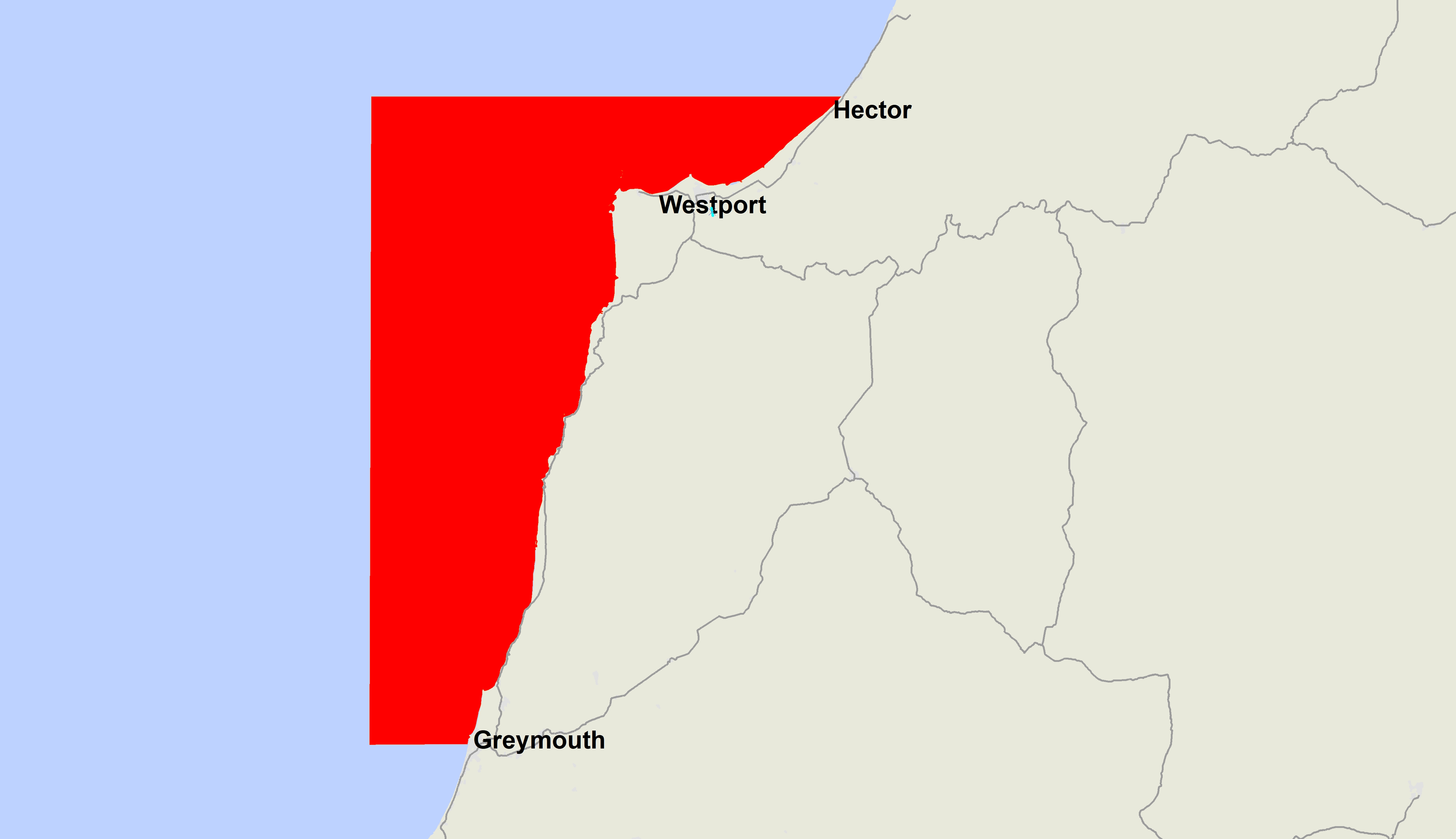
The Ministry for Primary Industries (MPI) today extended the public health warning advising the public not to collect or consume shellfish harvested from the South Island West Coast between Greymouth and Hector.

Routine tests on shellfish samples taken from this region has shown levels of Diarrhetic Shellfish Toxins above the safe limit of 0.16 mg/kg set by MPI.  Anyone eating shellfish from this area is potentially at risk of illness.

Map highlighting in red the areas affected.

MPI

The Ministry for Primary Industries (MPI) today issued a public health warning against collecting shellfish in the Pelorus Sound, excluding the upper Kenepuru Sound. The warning extends outwards to a line from Paparoa Point to Culdaff Point.

Routine tests on shellfish samples taken from this region have shown levels of paralytic shellfish poisoning (PSP) toxins above the safe limit of 0.8 mg/kg set by MPI. Anyone eating shellfish from this area is potentially at risk of illness.

Map highlighting in red the areas affected.