Category Archives: Salmonella

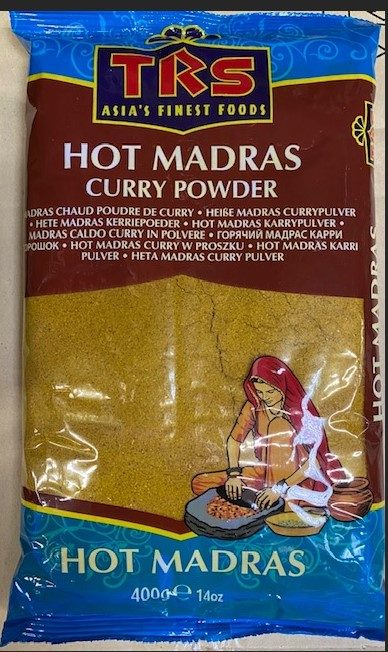
France – Spicy madras curry powder 400gx10 – Salmonella

Gov france

Identification information of the recalled product
Product category
Feed
Product subcategory
Herbs and spices
Product brand name
TRS
Model names or references
Spicy madras curry powder 400gx10 TRS
Identification of products
GTIN Batch Date
5017689005238 BATCH: 2022069773 Date of minimum durability 30/06/2023
Products List
Information_for_product_recall-_Example.pdfAttachment
Packaging
bag
Marketing start/end date
From 02/15/2022 to 06/21/2022
Storage temperature
Product to be stored at room temperature
Geographic area of ​​sale
Whole France
Distributors
THE ASIAN SQUARE EURASIA BORDEAUX ASIA STORE ANTIBES SAS 2L DISTRIBUTION ASIA PACIFIC / TRUONG
List of points of sale
Contact_customers.pdf
Practical information regarding the recall
Reason for recall
Presence of salmonella in the product, higher than the standard.
Risks incurred by the consumer
Salmonella spp (causative agent of salmonellosis)

Sweden -Lidl Sweden recalls Blandfärs KRAV, Svea Lantkött Mixed Mince Meat – Salmonella

Lidl

Lidl Sweden revokes Blandfärs KRAV of the Svea Lantkött brand. After routine analyses, it has been shown that a limited batch of the mixed mince may contain Salmonella.

Salmonella has been detected after a routine analysis. All affected products have been removed from stores and Lidl urges all customers who bought the mixed minced meat to return with the product. The concerned best-before date 2022-08-17 has been sold in all Lidl Sweden stores. Only mixed mince with the above best-before date is affected. Salmonella poses no risk if the food is heated to at least 70 degrees.

The recall only concerns the product:

Item: Mixed
minced meat REQUIREMENTS Package size: 500g
Brand: Svea Lantkött
Best before date: 2022-08-17

Other products of the Svea Lantkött brand are not affected. Lidl Sweden regrets and takes a serious view of what happened, is now investigating together with the supplier how it could have happened, and that something similar does not happen again. Consumers who bought the item are welcome to return it to the place of purchase, or to the nearest Lidl store. Customers will of course get their money back, even without presenting a receipt.

Sweden – Axfood recalls Garant Organic beef & pork (mixed mince) 18%, 500 g – Salmonella

Livsmedelsverket

Axfood is recalling Garant Organic beef & pork (mixed mince) 18%, 500 grams, after it was found that a limited batch of the product contains salmonella.

Research – Effects of High-Voltage Atmospheric Cold Plasma Treatment on Microbiological and Quality Characters of Tilapia Fillets

MDPI

Cold plasma (CP) has become an alternative to conventional thermal processing of food products. In this study, the effect of cold plasma treatment time on the inactivation and quality of tilapia fillets was investigated. The surfaces of tilapia fillets were inoculated with Salmonella enteritis (S. enteritis), Listeria monocytogenes (L. monocytogenes), and a mixture of both before being treated with cold plasma at 70 kV for 0, 60, 120, 180, 240, and 300 s. With the extension of treatment time, the number of colonies on the surface of the fillets decreased gradually; after 300 s of cold plasma treatment, S. enteritis and L. monocytogenes populations were reduced by 2.34 log CFU/g and 1.69 log CFU/g, respectively, and the a* value and immobile water content decreased significantly (p < 0.05), while the free water content increased significantly (p < 0.05). TBARS value increased significantly (p < 0.05) to 1.83 mg MDA/kg for 300 s treatment. The carbonyl value and sulfhydryl value of sarcoplasmic protein significantly (p < 0.05) increased and decreased, respectively, as treatment time extension, while no significant changes were found in myofibrillar protein. No significant differences were observed in pH, b* value, elasticity, chewiness, thiol value, and TVB-N value. The results showed that cold plasma had an inactivation effect on tilapia fillets and could preserve their original safety indicators. It was concluded that CP treatment could be used as an effective non-thermal method to maintain the quality of tilapia fillets and extend their shelf-life. View Full-Text

Denmark – Health and Economic Burden of Seven Foodborne Diseases in Denmark, 2019

Mary Anne Liebert

We ranked seven foodborne pathogens in Denmark on the basis of their health and economic impact on society in 2019. We estimated burden of disease of infections with Campylobacter spp., Salmonella spp., Shiga toxin-producing Escherichia coli (STEC), Yersinia enterocoliticaListeria monocytogenes, norovirus, and hepatitis A virus in terms of incidence, mortality, disability-adjusted life years (DALY), and economic burden in terms of direct and indirect health costs. These seven pathogens accounted for 268,372 cases, 98 deaths, and 3121 DALYs, and led to a total expenditure of 434 million Euro in 1 year in a country with 5.8 million citizens. Foodborne infections by CampylobacterSalmonella, and norovirus caused the most DALYs, whereas Campylobacter, and norovirus and STEC had the higher costs. A combination of disease burden and cost of illness estimates is useful to inform policymaking and establish food safety priorities at the national level.

Research – Oil-based systems show promise for eradicating Salmonella on food production machinery

Science Daily

Recent outbreaks of food-borne Salmonella have been associated with chocolate and peanut butter. Although Salmonella cannot grow in either of these low-water foods, the cells survive, becoming more resistant to heat treatment, which has contributed to recent outbreaks. New research published in Applied and Environmental Microbiology suggests that oil formulations with food-grade organic acids can kill dried Salmonella on stainless steel surfaces.

“Cleaning and sanitation of manufacturing environments are critical for a safe food supply,” said lead author Lynne McLandsborough, Ph.D., a professor of food science at University of Massachusetts Amherst. However, water-based cleaning is rarely used in processing peanut butter, because it promotes microbial growth. “Also, as anyone who has baked peanut butter cookies can tell you, peanut butter and water do not mix, and cleanup with water is challenging,” said McLandsborough.

Instead, manufacturers often remove residual peanut butter from manufacturing systems using heated oil, followed by overnight cooling and application of flammable alcohol-based sanitizing agents.

In the study, McLandsborough and collaborators dried Salmonella on stainless steel surfaces at controlled relative humidity. They then covered the dried bacteria with various oils with organic acids, varying the acid type, concentration, contact time and treatment temperature to identify highly antimicrobial formulations.

By using peanut oil mixed with acetic acid at a concentration about half that of household vinegar and applying heat, “killing was much greater than expected, indicating a synergistic effect,” said McLandsborough. “Our results show that acidified oils could be used as an effective means of sanitation in low-moisture food processing facilities, where water-based cleaning can be challenging.”

“To our knowledge, using oils as a carrier of organic acids is a novel approach to delivering antimicrobial compounds against food-borne pathogens,” said McLandsborough. The research may thus lead to adaptation of oil-based systems for industrial cleaning, for example, of machinery for processing chocolate and peanut butter, said McLandsborough. “That would enable more frequent cleaning, boosting the safety of these products.”

Research – A multi-jurisdictional outbreak of Salmonella Typhimurium infections linked to backyard poultry—Australia, 2020

Wiley Online

Zoonotic salmonellosis can occur either through direct contact with an infected animal or through indirect contact, such as exposure to an infected animal’s contaminated environment. Between May and August 2020, a multi-jurisdictional outbreak of Salmonella Typhimurium (STm) infection due to zoonotic transmission was investigated in Australia. In total, 38 outbreak cases of STm with a median age of 5 years were reported. Epidemiological investigation showed contact with live poultry to be a common risk factor with most cases recently purchasing one-week old chicks from produce/pet stores. Traceback investigation of cases identified 25 product/pet stores of which 18 were linked to a single poultry breeder farm. On farm environmental sampling identified the same STm genotype as identified in cases. Whole genome sequencing of both environmental and human outbreak isolates found them to be highly related by phylogenetic analysis. This investigation describes the first documented widespread zoonotic salmonellosis outbreak in Australia attributed to backyard poultry exposure and identified potential risk factors and prevention and control measures for future outbreaks. Prevention of future outbreaks will require an integrated One Health approach involving the poultry industry, produce/pet store owners, animal healthcare providers, public health and veterinary health agencies and the public.

USA – Method Change – Isolation and Identification of Salmonella from Meat, Poultry, Pasteurized Egg, and Siluriformes (Fish)Products and Carcass and Environmental Sponges

FSIS USDA

Introduction
The methods described in this guidebook are for use by the FSIS laboratories. FSIS does not specifically endorse any of the mentioned test products and acknowledges that equivalent products may be available for laboratory use.
FSIS utilizes the following performance criteria when evaluating the suitability of an alternative laboratory method or product for a given analyte and sample matrix pair:
•Sensitivity of 90% or greater
•Specificity of 90% or greater
•Accuracy of 90% or greater
•Positive predictive value of 90% or greater
•Negative predictive value of 90% or greater
Performance criteria are relative to the reference cultural method for that analyte and sample matrix as outlined in the corresponding MLG chapter. Method validation is necessary to demonstrate the equivalence of alternative tests as detailed in the document titled “FSIS Guidance for Evaluating Test Kit Performance.”
This method describes the analysis of various meat, poultry and Siluriformes (fish) products, sponge and rinse samples, and egg products for Salmonella.
It is not intended for the isolation and identification of Salmonella typhi.
Success in isolating Salmonella from any food can be related to a number of factors including food preparation procedures, the number of organisms present, sample handling after collection, etc. With raw samples, the competitive flora may be the most important factor. It varies from sample to sample and from one kind of matrix to another.
Another consideration is whether the examination is for routine monitoring or epidemiological purposes. The analyst may choose to augment the method for epidemiological purposes with additional enrichment procedures and culture media, two temperatures of incubation, intensified selection of colonies from plates, and/or rapid screening methods.
Unless otherwise stated all measurements cited in this method have a tolerance range of +/-2%.

Research – An 11-Year Analysis of Bacterial Foodborne Disease Outbreaks in Zhejiang Province, China

MDPI

Background: Foodborne diseases are a growing public health problem and contribute significantly to the global burden of disease and mortality. Bacteria are the most common foodborne pathogens. We aimed to explore characteristics of bacterial foodborne disease outbreaks (FBDOs) in Zhejiang Province and to provide data support for foodborne disease prevention and control. Methods: Descriptive statistical methods were used to analyze the data reported by centers for disease control (CDCs) at all levels in Zhejiang Province through Foodborne Disease Outbreaks Surveillance System (FDOSS) during 2010–2020. Results: CDCs in Zhejiang Province reported 517 bacterial FBDOs in 11 years, resulting in 7031 cases, 911 hospitalizations, and 3 deaths. Vibrio parahaemolyticus had the highest number of outbreaks, accounting for 58.41% of the total bacterial outbreaks, followed by Salmonella (18.38%). In all settings, restaurants (37.14%), staff canteens (11.99%), and households (11.80%) were responsible for the large number of outbreaks. Aquatic products (42.08%), meat and meat products (23.56%), cereals (10.81%), and flour products (9.27%) were the most common single foods reported. Further analysis showed that the settings and food vehicles of outbreaks caused by different pathogens were different. Conclusions: Bacterial outbreaks are the most common type of FBDOs in Zhejiang Province. By analyzing the epidemiological characteristics of common pathogenic bacteria, we can identify the etiology, food, and setting that the government needs to focus on, and issue relevant targeted policies to reduce the number of FBDOs. View Full-Text

Norway – Outbreak of Salmonella in Norway probably linked to watermelon

Matportalen

The Institute of Public Health has discovered a national outbreak caused by the gastrointestinal bacterium monophasic Salmonella Typhimurium. So far, infection has been detected in 18 people. The Norwegian Food Safety Authority cooperates with the Norwegian Institute of Public Health and the Norwegian Veterinary Institute on the outbreak. The Norwegian Food Safety Authority is now working to trace the relevant watermelons.

 We consider it highly unlikely that melons associated with the outbreak are still on the market, says senior adviser Catherine Signe Svindland at the Norwegian Food Safety Authority.

According to the Norwegian Institute of Public Health, all 13 people who have been interviewed so far have eaten watermelon in the last few days before they fell ill. Most of the people fell ill in the period from the end of June to the middle of July 2022 and whole watermelon has a shelf life of 3-4 weeks.

 Melon grows on the ground in countries with a warm climate. There have previously been many outbreaks of salmonella from various types of melon. Bacteria grow very well in the melon flesh because melon has a neutral PH compared to other fruits, a lot of sugar and a high water content. If there is a wound through the skin, bacteria can enter the pulp, grow and become very numerous. Bacteria can also enter the pulp from the skin when you split the melon. If you buy ready-cut melon, feel free to ask the shop about their routines, says senior advisor Catherine Signe Svindland at the Norwegian Food Safety Authority.

The Norwegian Food Safety Authority has the following advice on safe handling of melons:

  • Do not use melons with damage to the skin that goes into the pulp.
  • Wash the melon well and dry it with paper before cutting it into pieces.
  • Wash your hands and equipment thoroughly with soap and water after handling melon.
  • Sliced ​​melon should be kept cool.

Read more at the Institute of Public Health: Outbreak of Salmonella in Norway probably linked to watermelon (fhi.no)

Read more at the Veterinary Institute: Outbreak of salmonella probably linked to watermelon (vetinst.no)