Category Archives: Research

Research – Salmonella Newport Outbreaks Associated with Ground Beef Outbreak Investigation After-Action Report, 2016-2019

FSIS USDA

Outbreaks at a Glance
Illnesses 542 States included 36 Hospitalizations 163 Deaths 1
Response at a Glance
Ill people with 40 documentation to identify foods
Recall or Public Health Alert Yes Process improvement – Yes
•This Salmonella Newport strain associated with ground beef has been characterized as a reoccurring strain because it has caused repeated outbreaks of human illnesses with similar epidemiologic characteristics. Every month, FSIS monitors selected Salmonella serotypes, including Newport, for directional changes and trends, and compares them to a 3-year historical average for that particular serotype.

Highlights

•A strain of Salmonella Newport caused reoccurring human infections and two outbreaks associated with ground beef.

•There were over 100 illnesses for each outbreak (106 in outbreak 1 and 436 in outbreak 2), which is unusual for ground beef outbreaks.

•The investigations prompted a government-industry collaboration on innovative methods of obtaining shopper history. Shopper history best practices and success stories are highlighted in an article on the Association of Food and Drug Officials webpage.

What Happened?

From 2016 to 2019, in collaboration with public health partners, the Food Safety and Inspection Service (FSIS) investigated two Salmonella Newport outbreaks:

•The majority of reported ill people lived in the Southwestern area of the United States.

•The analyzed isolates did not show any predicted antimicrobial resistance.

•At least 80% of the ill people had eaten ground beef in the week before illness. At least one ground beef sample tested positive for Salmonella Newport and was closely related by whole genome sequencing (WGS) to clinical isolates.

•Ill people reported eating or possibly eating undercooked ground beef.

UK -New UK Food Safety Network to tackle £9 billion food poisoning challenge

FSA

Food poisoning is a major health challenge that costs the UK up to £9 billion each year. To help tackle the problem, the Food Standards Agency (FSA) and Biotechnology and Biological Sciences Research Council (BBSRC) have invested £1.6m into a new Food Safety Network, hosted by the Quadram Institute.

  • in the UK, estimates indicate there are 2.4 million cases of foodborne illness a year
  • the estimated annual cost from these illnesses is £9 billion (with £6 billion from unknown causes)
  • research shows that the cause of illness is often a microbial pathogen carried over into food from the environment, or from livestock, or even from people
  • the microbes which cause the greatest economic impact are Campylobacter and Salmonella
  • listeria-related food poisoning is rare, but has a mortality rate of nearly 13 per cent
  • microbes also play a key role in food waste, with Pseudomonas accounting for 25 per cent of food spoilage

FSA Chief Scientific Adviser Professor Robin May, said:

‘We are excited to partner with BBSRC and Quadram Institute for the creation of the UK Food Safety Network. Foodborne disease is a major cause of illness in the UK population and imposes a significant burden on both infected individuals and the economy. The network directly aligns with the core objectives of the FSA Strategy 2022-2027 to ensure food is safe and food is what it says it is. Importantly, the network will ensure that the FSA is well-placed to tackle the challenges of foodborne illnesses by bringing together experts from government, industry and academia to address current and emerging issues of food safety in the UK.’

Quadram Institute group leader and lead for the new network, Dr Matt Gilmour, said:

BBSRC Executive Chair, Professor Melanie Welham said:

Scientists at the Quadram Institute already use advanced genomic sequencing approaches and genomic epidemiology, which has significantly enhanced the UK’s ability to monitor and respond to microbial threats in the food system (also demonstrated by the Quadram team in its work on the SARS-CoV-2 pandemic).

The UK Food Safety Network will connect food industry, food and health policymakers and academia to collaboratively pursue shared research priorities that will protect the UK from foodborne hazards. The Network will serve as an innovation hub to coordinate and fund cross-sectoral research and training activities that address current and emerging challenges.

The Network’s objectives are to:

  • assemble a community of UK food producers, food policy makers and scientific researchers who collectively can take robust actions toward improving food safety
  • identify areas of research need and opportunity that, in the view of food stakeholders and network members, will have meaningful impacts on UK food safety
  • coordinate new collaborative research activities that will promote the application of science towards the food safety challenges identified by our food system community
  • host training promoting skills development, interoperability and relationship-building between our food system community
  • translate the knowledge generated within the Network to food safety stakeholders, and to upcycle existing information and technologies relevant to food safety that have not yet been applied more broadly

Quadram Institute Director, Professor Ian Charles, said:

‘The safety of our food is threatened by both enduring and emerging threats from microbes that contaminate our food. This threat is exemplified by microbes that spread between the environment, animals and humans – with foodborne exposures being a means for the transmission of pathogens and novel antimicrobial resistance genes from agriculture.

‘The challenge is to take an integrated and unified approach to these problems right through from agriculture and the environment, to food production and human health, in what’s termed a ‘One Health’ approach. To do that we need to collaborate with food and other associated industries to share research and innovation and deliver training activities.’

USA – Mystery 2021 Pennsylvania Pool E. coli and C. difficile Outbreak Finally Explained – 15 Sickened

Food Poison Journal

On June 7, 2021, the Pennsylvania Department of Health (PADOH) received multiple complaints of gastrointestinal illness from patrons of a community swimming pool. Two patrons reported positive Shiga toxin-producing Escherichia coli (STEC) and Clostridioides difficile from stool specimens. PADOH issued pool closure orders and initiated an outbreak response to identify a source and prevent additional illnesses.

Confirmed cases were defined as isolation of E. coli O157:H7 or detection of Shiga toxin or Shiga toxin genes from stool specimens of persons who visited the pool during May 31–June 7, 2021. Probable cases were defined as three or more loose stools in 24 hours with nausea, vomiting, fever, or cramps in persons who visited the pool during the same time frame. C. difficile results were deemed incidental upon consultation with experts (LC McDonald, MD, CDC, personal communication, June 2021) and were not included in the case definition.

Fifteen cases (nine confirmed, six probable) in persons aged 4–14 years were identified; 10 patients were male. All persons reported swimming at the pool on May 31, 2021, the seasonal opening date, and had no other common exposures. The total number of pool visitors on this date is unknown. Symptom onsets occurred during June 2–June 4, 2021. Thirteen patients sought medical evaluation, and six were hospitalized. Four received antibiotics for C. difficile. None developed hemolytic uremic syndrome.

Early findings suggested an unusual association between exposure to a chlorinated swimming pool and infections caused by two pathogens susceptible to chlorine. Pool inspection revealed an automatic chlorinator malfunction. Record-keeping was inconsistent with local requirements, and the few available records demonstrated at least one instance of no detectable chlorine. The pool reopened following chlorinator repair, after which no additional cases were identified.

Research – Outbreak of Salmonella Newport linked to imported frozen cooked crayfish in dill brine, Sweden, July to November 2019

Eurosurveillance

Salmonellosis is the second most commonly reported bacterial gastro-intestinal infection after campylobacteriosis in the European Union (EU) and European Economic Area (EEA). In the EU/EEA, the yearly notification rate of salmonellosis has been around 20 cases per 100,000 individuals in the period from 2015 to 2019 [1]. In 2020, the notification rate decreased to 14 cases per 100,000 individuals; the decline is considered to be an effect of the COVID-19 pandemic [2].  serotype Newport was the fifth most common serotype in the EU/EEA in 2019, accounting for 1.1% of reported serotypes from human salmonellosis cases [1]. In Sweden, human salmonellosis is notifiable by law. The average yearly notification rate of salmonellosis in Sweden between 2015 and 2019 was 21.5 cases per 100,000 individuals, with the majority of cases being infected abroad [3]. In 2019,  Newport was the fifth most common serotype also in Sweden and accounted for 5% of the reported serotypes [3].

Salmonellosis is a bacterial zoonosis. Humans get infected by contaminated foods, through contact with infected animals or humans or via the environment [4]. In recent years, egg and egg products, bakery products and pork and pork products have been the most common food vehicles in food-borne salmonellosis outbreaks reported in EU countries [1].  Newport has previously been linked to outbreaks caused by vehicles of both animal and vegetable origin, for example beef, watermelon and mung bean sprouts [58].  Newport have also been detected in fish and different shellfish and in fresh herbs [911].

In late September 2019, the Public Health Agency of Sweden (PHAS) identified a cluster of nine cases with  Newport sequence type (ST) 46. The cluster was detected as part of the routine microbial surveillance programme where isolates of  from domestic infections are sent to PHAS for typing using whole genome sequencing (WGS). The cluster was put under observation; it evolved slowly and on 23 October, the cluster consisted of 25 cases. The cases were geographically spread across the country and all but one case were adults. The onset of disease ranged from 16 August to 12 October 2019. The spread of cases, geographically and in time, indicated that the infection source was a contaminated food that was distributed nation-wide and could still be on the market. A national outbreak was declared and an outbreak investigation was initiated with the objectives to describe the outbreak and identify the source in order to prevent further cases.

The outbreak team included investigators from PHAS, the Swedish Food Agency (SFA) and the affected regional Departments of Communicable Disease Control and Prevention (CDC department).

Here we report an investigation of a national outbreak of  Newport in Sweden, with the aim of describing the actions that led to the identification and recall of the source of the infection.

Research – International outbreak of salmonellosis in young children linked to the consumption of Kinder brand products. Update in France as of June 2, 2022.

Sante Publique

Following the investigations carried out by the Belgian health authorities, together with their English, European and in particular French counterparts, the company Ferrero proceeded on April 5, 2022 to the recall of several Kinder range products manufactured in a factory in Belgium due to suspected contamination by Salmonella Typhimurium . On April 8, 2022, the recall finally affected all Kinder products from this factory, regardless of their expiry date. On April 14, 2022, an update of the recalled products, including the 2021 Christmas Advent Calendars, was released.

Case of salmonellosis in France: update on June 2, 2022

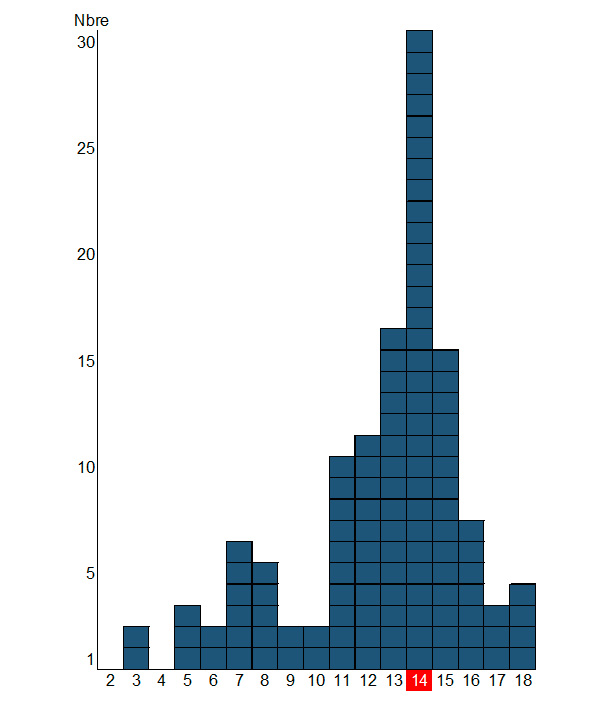
In total, as of 02/06/2022: 118 cases of salmonellosis with a strain belonging to the epidemic have been identified by the National Reference Center (CNR) for salmonella at the Institut Pasteur in France (figure 1) .

Figure 1 – Epidemic curve: number of confirmed cases of salmonellosis caused by Salmonella Typhimurium, monophasic variant (cluster 1 HC5_296366 and cluster 2 HC5_298160), by week of isolation (with in red the week corresponding to the recall of products from the production plant) ‘Arlon in Belgium) – Metropolitan France, weeks 2 to 18, 2022 (N=118)
Figure 1 - Epidemic curve: number of confirmed cases of salmonellosis caused by Salmonella Typhimurium, monophasic variant (cluster 1 HC5_296366 and cluster 2 HC5_298160), by week of isolation (with in red the week corresponding to the recall of products from the production plant) 'Arlon in Belgium) - Metropolitan France, weeks 2 to 18, 2022 (N=118)

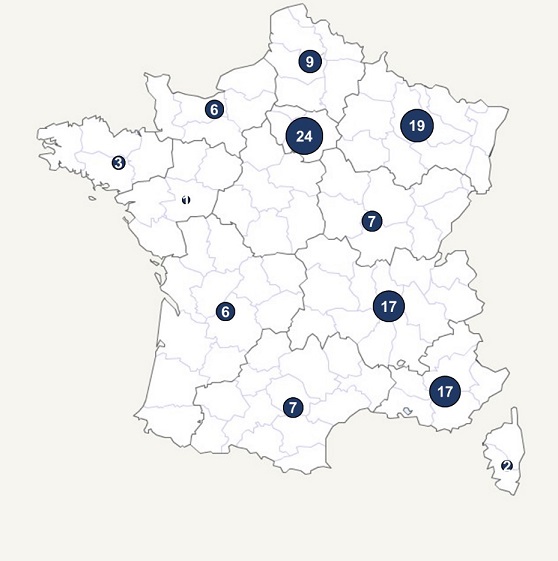
The 118 cases are spread over 12 metropolitan regions (Ile-de-France (24 cases), Grand-Est (19 cases), Auvergne-Rhône-Alpes (17 cases), Provence-Alpes-Côte d’Azur (17 cases) , Hauts-de-France (9 cases), Bourgogne-Franche-Comté (7 cases), Occitanie (7 cases), Normandy (6 cases), New Aquitaine (6 cases), Brittany (3 cases), Corsica (2 cases) and Pays de la Loire (1 case)) with a median age of 4 years, and concern 57 girls and 61 boys.

Figure 2 – Geographical distribution of confirmed cases of salmonellosis due to Salmonella Typhimurium, monophasic variant (cluster 1 HC5_296366 and cluster 2 HC5_298160), by region of residence – metropolitan France, weeks 2 to 18, 2022
Figure 2 - Geographical distribution of confirmed cases of salmonellosis due to Salmonella Typhimurium, monophasic variant (cluster 1 HC5_296366 and cluster 2 HC5_298160), by region of residence - metropolitan France, weeks 2 to 18, 2022

Fifty-one cases were questioned by Public Health France. All the cases, except 1, report, before the onset of their symptoms (which occurred between 20/01 and 04/04/2022), the consumption of chocolates of the brand cited here.

Twenty-two people were hospitalized for their salmonellosis, all since discharged. No deaths were reported.

The foods in question having been identified and the management measures taken, the weekly situation updates are drawn up. Public Health France continues to monitor the reporting of cases by the NR, which are expected due to the different delays inherent in monitoring ( see the infographic dedicated to food alerts ).

The successive withdrawals and recalls of the Kinder brand products concerned, produced by the Belgian factory with its closure by the Belgian authorities, should limit the occurrence in France of new cases of salmonellosis in connection with these chocolates.

The possible identification of new cases with dates of isolation at a distance from the recall withdrawal measures will be the subject of investigations if necessary.

To find out the list of products concerned by the withdrawal-recall: https://rappel.conso.gouv.fr/

People who have consumed the products mentioned above and who present symptoms (gastrointestinal disorders, fever within 72 hours of consumption), are invited to consult their doctor without delay, notifying him of this consumption.

In order to limit person-to-person transmission (especially in households with young children), it is recommended to wash your hands well with soap and water after using the toilet, after changing your child, and before to cook.

Research – Emergent marine toxins risk assessment using molecular and chemical approaches

EFSA

Cyanobacteria harmful blooms represent a deviation to the normal equilibrium in planktonic communities involving a rapid and uncontrolled growth. Owing to the capacity to produce toxins as secondary metabolites, cyanobacteria may cause huge economic losses in the fishing and aquaculture industries and poisoning incidents to humans due to their accumulation in the food chain. The conditions which promote toxic blooms have not yet been fully understood, but climate change and anthropogenic intervention are pointed as significant factors. For the detection of toxins in edible marine organisms, the establishment of international regulations and compulsory surveillance has been probed as exceptionally effective. However, not regulation nor monitoring have been settled concerning emergent marine toxins. In the light of this scenario, it becomes essential to apply fast and reliable surveillance methodologies for the early detection of cyanobacterial blooms as well as the occurrence of emergent marine toxins. Shotgun metagenomic sequencing has potential to become a powerful diagnostic tool in the fields of food safety and One Health surveillance. This culture‐independent approach overcomes limitations of traditional microbiological techniques; it allows a quick and accurate assessment of a complex microbial community, including quantitative identification and functional characterisation, in a single experiment. In the framework of the EU‐FORA fellowship, with the final goal of evaluate metagenomics as a promising risk assessment tool, the fellow worked on the development of an innovative workflow through state‐of‐the‐art molecular and chemical analytical procedures. This work programme aims to evaluate the occurrence of emergent marine toxins and the producing organisms in Cabo Verde coastal cyanobacteria blooms. Our results show the outstanding potential of a holistic metagenomic approach for the risk assessment of emergent marine toxins and the producing organisms. Additionally, we have also highlighted its value for the identification and evaluation of secondary metabolites as natural bioactive compounds with biotechnological and industrial interest.

Research – Clinical Escherichia coli: From Biofilm Formation to New Antibiofilm Strategies

MDPI

Escherichia coli is one of the species most frequently involved in biofilm-related diseases, being especially important in urinary tract infections, causing relapses or chronic infections. Compared to their planktonic analogues, biofilms confer to the bacteria the capacity to be up to 1000-fold more resistant to antibiotics and to evade the action of the host’s immune system. For this reason, biofilm-related infections are very difficult to treat. To develop new strategies against biofilms, it is important to know the mechanisms involved in their formation. In this review, the different steps of biofilm formation in E. coli, the mechanisms of tolerance to antimicrobials and new compounds and strategies to combat biofilms are discussed. View Full-Text

Research – Integration of genomics in surveillance and risk assessment for outbreak investigation

EFSA

Keeping food safe is a challenge that needs continuous surveillance for the sake of consumers’ health. The main issue when a food‐borne pathogen outbreak occurs is represented by the identification of the source(s) of contamination. Delivering this information in a timely manner helps to control the problem, with positive outcomes for everyone, especially for the consumers, whose health is in this way preserved, and for the stakeholders involved in food production and distribution, who could face enormous economic losses if recalls or legal issues occur. Whole genome sequencing (WGS) is a tool recently implemented for the characterisation of isolates and the study of outbreaks because of its higher efficiency and faster results, when compared to traditional typing methods. Lower sequencing costs and the development of many bioinformatic tools helped its spread, and much more attention has been given to its use for outbreak investigation. It is important to reach a certain level of standardisation, though, for ensuring result reproducibility and interoperability. Moreover, nowadays it is possible, if not mandatory for Open Science Practices, to share WGS data in publicly available databases, where raw reads, assembled genomes and their corresponding metadata can be easily found and downloaded. The scope of this Fellowship was to provide the Fellow all the training necessary for successfully integrating genomics to surveillance and risk assessment of food‐borne pathogens from farm to fork.

Research – Monitoring AMR in Campylobacter jejuni from Italy in the last 10 years (2011–2021): Microbiological and WGS data risk assessment

EFSA

Campylobacter jejuni is considered as the main pathogen in human food‐borne outbreaks worldwide. Over the past years, several studies have reported antimicrobial resistance (AMR) in C. jejuni strains. In Europe, the official monitoring of AMR comprises the testing of Campylobacter spp. from food‐producing animals because this microorganism is responsible for human infections and usually predominant in poultry. Food‐producing animals are considered to be a major source of campylobacteriosis through contamination of food products. Concerns are growing due to the current classification of C. jejuni by the WHO as a ‘high priority pathogen’ due to the emergence of resistance to multiple drugs such as those belonging to the fluoroquinolones, macrolides and other classes, which limits the treatment alternatives. Knowledge about the contributions of different food sources to gastrointestinal disease is fundamental to prioritise food safety interventions and to establish proper control strategies. Assessing the genetic diversity among Campylobacter species is essential to the understanding of their epidemiology and population structure. Using a population genetic approach and grouping the isolates into sequence types within different clonal complexes, it is possible to investigate the source of the human cases. The work programme was aimed for the fellow to assess the AMR of C. jejuni isolated from humans, poultry and birds from wild and urban Italian habitats. Given the public health concern represented by resistant pathogens in food‐producing animals and the paucity of data about this topic in Italy, the aim was to identify correlations between phenotypic and genotypic AMR and comparing the origin of the isolates. The work programme allowed the fellow to acquire knowledge, skills and competencies on the web‐based tools used by IZSAM to process the NGS data and perform bioinformatics analyses for the identification of epidemiological clusters, the study of AMR patterns in C. jejuni isolates, and the assessment of the human exposure to such AMR pathogens. Furthermore, the fellow became able to transfer the acquired knowledge through innovative web‐based didactical tools applied to WGS and clustering of specific food‐borne pathogens, with particular reference to C. jejuni. To achieve this objective, 2,734 C. jejuni strains isolated from domestic and wild animals and humans, during the period 2011–2021 were analysed. The resistance phenotypes of the isolates were determined using the microdilution method with EUCAST breakpoints, for the following antibiotics: nalidixic acid, ciprofloxacin, chloramphenicol, erythromycin, gentamicin, streptomycin, tetracycline. The data were complemented by WGS data for each strain, uploaded in the Italian information system for the collection and analysis of complete genome sequence of pathogens isolated from animal, food and environment (GENPAT) developed and maintained at IZSAM; information like clonal complex and sequence type to understand the phylogenetical distance between strains according to their origins were also considered. This work underlines that a better knowledge of the resistance levels of C. jejuni is necessary, and mandatory monitoring of Campylobacter species in the different animal productions is strongly suggested.

Research – Public Health Response to Multistate Salmonella Typhimurium Outbreak Associated with Prepackaged Chicken Salad, United States, 2018

CDC

Abstract

Quantifying the effect of public health actions on population health is essential when justifying sustained public health investment. Using modeling, we conservatively estimated that rapid response to a multistate foodborne outbreak of Salmonella Typhimurium in the United States in 2018 potentially averted 94 reported cases and $633,181 in medical costs and productivity losses.

The US Centers for Disease Control and Prevention estimates that 48 million illnesses, 128,000 hospitalizations, and 3,000 deaths are caused by foodborne illnesses each year in the United States (1). Salmonella alone accounts for 1.35 million illnesses, 26,600 hospitalizations, and 421 deaths in the United States annually (2). Although incidence of Salmonella enterica serotype Typhimurium has declined since 2000, infection with this serotype continues to pose a public health burden because it can result in higher rates of hospitalization and longer lengths of stay in a hospital relative to other serotypes (36). A subset of Salmonella illnesses are identified and reported as part of an outbreak (defined as >2 persons who become ill from the same exposure); 96% of Salmonella outbreaks are caused by foodborne transmission (7). Outbreaks provide an opportunity to identify implicated food vehicles, as well as root causes for contamination, which can in turn inform broader food safety prevention efforts. If a Salmonella outbreak is suspected, public health officials can limit further cases by quickly identifying the source and issuing a recall for the implicated product or making other recommendations for restricting exposure to it.