Category Archives: Research

Research – Ultrasonic cleaning of salad could reduce instances of food poisoning

Science Daily

A new study has shown that gentle streams of water carrying sound and microscopic air bubbles can clean bacteria from salad leaves more effectively than current washing methods used by suppliers and consumers. As well as reducing food poisoning, the findings could reduce food waste and have implications for the growing threat of anti-microbial resistance.

Salad and leafy green vegetables may be contaminated with harmful bacteria during growing, harvesting, preparation and retail leading to outbreaks of food poisoning which may be fatal in vulnerable groups.

Because there is no cooking process to reduce the microbial load in fresh salads, washing is vital by the supplier and the consumer.

Washing with soap, detergent bleach or other disinfectants is not recommended and the crevices in the leaf surface means washing with plain water may leave an infectious dose on the leaf. Even if chemicals are used, they may not penetrate the crevices.

In this new study, published in the journal Ultrasound in Medicine and Biology, scientists used acoustic water streams to clean spinach leaves directly sourced from the field crop, then compared the results with leaves rinsed in plain water at the same velocity.

Professor Timothy Leighton of the University of Southampton, who invented the technology and led this research, explains: “Our streams of water carry microscopic bubbles and acoustic waves down to the leaf. There the sound field sets up echoes at the surface of the leaves, and within the leaf crevices, that attract the bubbles towards the leaf and into the crevices. The sound field also causes the walls of the bubbles to ripple very quickly, turning each bubble into a microscopic ‘scrubbing’ machine. The rippling bubble wall causes strong currents to move in the water around the bubble, and sweep the microbes off the leaf. The bacteria, biofilms, and the bubbles themselves, are then rinsed off the leaf, leaving it clean and free of residues.”

The results showed that the microbial load on samples cleaned with the acoustic streams for two minutes was significantly lower six days after cleaning than on those treated without the added sound and bubbles. The acoustic cleaning also caused no further damage to the leaves and demonstrated the potential to extend food shelf life, which has important economic and sustainability implications.

Improving how food providers clean fresh produce could have a major role to play in combating the threat of anti-microbial resistance. In 2018 and 2019, there were fatal outbreaks of different strains of E. coli on romaine lettuce in the USA and Canada and samples from humans infected showed strains that are resistant to antibiotics.

University of Southampton PhD student Weng Yee (Beverly) Chong, who was part of the research team added: “I am very grateful to Vitacress and EPSRC for funding my PhD. I came from an engineering background, and took Professor Leighton’s classes, but he told me that I could be a trans-disciplinary PhD student, and become a microbiologist whilst increasingmy engineering skills. I am also very grateful to Sloan Water Technology Ltd.: They opened up their laboratories for use by students like me, so that I can keep working on my experiments. It is an exciting environment to work in because they are doing so much inventive work to combat the pandemic and infections as a whole.”

Previously as part of her PhD Beverly has studied how the technology could reduce the infection risk to horses and other livestock through hay cleaning.

The work was sponsored by Vitacress, whose Group Technical Director Helen Brierley said: “Ensuring food safety for our products is an essential requirement. At Vitacress, we wash our produce in natural spring water, and this type of ground-breaking new technology helps to enhance our process whilst ensuring our commitment to protect the environment is maintained. We are always interested in new developments and are excited to see the results of this research.”


Story Source:

Materials provided by University of SouthamptonNote: Content may be edited for style and length.


Journal Reference:

  1. Weng Yee Chong, Thomas J. Secker, Craig N. Dolder, Charles W. Keevil, Timothy G. Leighton. The Possibilities of Using Ultrasonically Activated Streams to Reduce the Risk of Foodborne Infection from SaladUltrasound in Medicine & Biology, 2021; DOI: 10.1016/j.ultrasmedbio.2021.01.026

Research – Prevalence of Listeria species on food contact surfaces in Washington State apple packinghouses

PubMed

The 2014 caramel apple listeriosis outbreak was traced back to cross-contamination between food contact surfaces (FCS) of equipment used for packing and fresh apples. For Washington State, the leading apple producer in the U.S with 79% of its total production directed to the fresh market, managing the risk of apple contamination with Listeria monocytogenes within the packing environment is crucial. The objectives of this study were to determine the prevalence of Listeria spp. on FCS in Washington State apple packinghouses over two packing seasons, and to identify those FCS types with the greatest likelihood to harbor Listeria spp. Five commercial apple packinghouses were visited quarterly over two consecutive year-long packing seasons. A range of 27 to 50 FCS were swabbed at each facility to detect Listeria spp. at two timings of sampling, (i) post-sanitation and (ii) in-process (three hours of packinghouse operation), following a modified protocol of the FDA’s Bacteriological Analytical Manual method. Among 2,988 samples tested, 4.6% (n=136) were positive for Listeria spp. Wax coating was the unit operation from which Listeria spp. were most frequently isolated. The FCS that showed the greatest prevalence of Listeria spp. were polishing brushes, stainless steel dividers and brushes under fans/blowers, and dryer rollers. The prevalence of Listeria spp. on FCS increased throughout apple storage time. The results of this study will aid apple packers in controlling for contamination and harborage of L. monocytogenes and improving cleaning and sanitation practices of the most Listeria-prevalent FCS.IMPORTANCE Since 2014, fresh apples have been linked to outbreaks and recalls associated with post-harvest cross-contamination with the foodborne pathogen L. monocytogenes These situations drive both public health burden and economic loss and underscore the need for continued scrutiny of packinghouse management to eliminate potential Listeria spp. niches. This research assesses the prevalence of Listeria spp. on FCS in apple packinghouses and identifies those FCS most likely to harbor Listeria spp. Such findings are essential for the apple packing industry striving to further understand and exhaustively mitigate the risk of contamination with L. monocytogenes to prevent future listeriosis outbreaks and recalls.

Research – Giardiasis Outbreaks — United States, 2012–2017

CDC

CDC Giardia2

Summary

What is already known about this topic?

Giardiasis is a diarrheal disease caused by the parasite Giardia duodenalis, the most common cause of intestinal parasite infections in the United States.

What is added by this report?

During 2012–2017, public health officials from 26 states reported 111 giardiasis outbreaks involving 760 cases. Leading causes of outbreaks were waterborne and person-to-person exposures. Private residences and child care facilities were the most common settings of giardiasis outbreaks across all transmission modes.

What are the implications for public health practice?

To prevent and control giardiasis outbreaks, CDC recommends prompt diagnosis, maintaining good hand hygiene, cleaning and disinfecting home environments and child care facilities, and monitoring water quality in private well

Giardiasis is a diarrheal disease caused by the parasite Giardia duodenalis, the most common cause of intestinal parasite infections in the United States. Transmission occurs when Giardia cysts spread from feces to water, food, surfaces, or skin and are then ingested. Illness is characterized by gastrointestinal symptoms, including diarrhea, abdominal cramps, greasy stools, bloating or gas, nausea, vomiting, weight loss, and dehydration. Approximately 50% of infections are asymptomatic (1,2). Most symptomatic Giardia infections are self-limited in duration; however, some persons might experience a reoccurrence of symptoms or develop long-term complications (3). During 2012–2017, public health officials from 26 states reported 111 giardiasis outbreaks (760 cases) to the National Outbreak Reporting System (NORS). Three main modes of transmission for these outbreaks were identified: water exposure in 29 (26%) outbreaks, person-to-person contact in 28 (25%) outbreaks, and contaminated food in six (5%) outbreaks. A single transmission mode could not be determined in 48 (43%) of the outbreaks. Private residences and child care facilities were the most common settings of outbreaks for all the transmission modes combined. To prevent and control giardiasis outbreaks, CDC recommends prompt diagnosis, maintaining good hand hygiene, cleaning and disinfecting home environments and child care facilities, and monitoring water quality in private wells.

A giardiasis outbreak is defined as the occurrence of two or more cases of illness epidemiologically linked to a common exposure (1). Health department officials from across the United States (state, local, and District of Columbia), U.S. territories,* and freely associated states voluntarily report outbreaks to NORS. This study included giardiasis outbreak reports submitted to NORS by December 30, 2019 and data reported during 2012–2017 (the year of the earliest case illness onset date through the most recent year for which data were available). NORS data summarized in this study include primary case counts, hospitalizations, and deaths; transmission mode; exposures and settings; and earliest onset date. Negative binomial regression analysis was conducted to assess for annual trends in outbreak counts using SAS (version 9.4; SAS Institute). This activity was reviewed by CDC and conducted consistent with applicable federal law and CDC policy.§

During 2012–2017, public health officials from 26 states reported 111 giardiasis outbreaks with 760 primary cases, 28 hospitalizations, 48 emergency department visits, and no deaths. Among the 703 cases with available data, 370 (53%) persons were male and 333 (47%) persons were female. Pennsylvania reported the largest number of outbreaks with 44 (40%), followed by Minnesota with 11 (10%); no other state reported >10 outbreaks (Figure 1). There was no significant trend in giardiasis outbreaks by year (χ2 = 0.67, p = 0.98) (Figure 2).

Among 29 (26%) waterborne outbreaks (370 cases), exposure sources included tap water systems (e.g., municipal systems or private wells) in nine outbreaks, outdoor freshwater consumption in seven outbreaks, treated recreational water in five outbreaks, untreated recreational water in four outbreaks, and “other” in four outbreaks (Table). Reported settings for waterborne outbreaks included 12 (41%) outdoor areas (e.g., parks and forests) five (17%) private residences, four (14%) camps or cabins, three (10%) community/municipality settings, three (10%) unknown, and two (7%) other settings. Person-to-person transmission was the primary mode identified in 28 (25%) outbreaks, resulting in 129 cases. The primary exposure settings for these outbreaks were 14 (50%) private residences and 12 (43%) child care facilities (Table). Among the 14 settings in private homes, nine (64%) were in households with children aged ≤5 years; two (14%) were in homes with only adults. Among the six (5%) foodborne outbreaks, all foods associated with the five known food exposures were eaten raw or with minimal or no processing. No outbreaks were attributed to animal contact or environmental contamination other than food and water (i.e., contact with objects or surfaces with Giardia). Among all 111 outbreaks, 48 (43%) had an indeterminate or unknown transmission mode, meaning that there was insufficient evidence to implicate one specific primary mode of transmission; 33 (69%) of these outbreaks occurred in private residences (Table).

Research – Growth of Listeria monocytogenes in Partially Cooked Battered Chicken Nuggets as a Function of Storage Temperature

MDPI

Battered poultry products may be wrongly regarded and treated by consumers as ready-to-eat and, as such, be implicated in foodborne disease outbreaks. This study aimed at the quantitative description of the growth behavior of Listeria monocytogenes in fresh, partially cooked (non-ready-to-eat) battered chicken nuggets as function of temperature. Commercially prepared chicken breast nuggets were inoculated with L. monocytogenes and stored at different isothermal conditions (4, 8, 12, and 16 °C). The pathogen’s growth behavior was characterized via a two-step predictive modelling approach: estimation of growth kinetic parameters using a primary model, and description of the effect of temperature on the estimated maximum specific growth rate (μmax) using a secondary model. Model evaluation was undertaken using independent growth data under both constant and dynamic temperature conditions. According to the findings of this study, L. monocytogenes may proliferate in battered chicken nuggets in the course of their shelf life to levels potentially hazardous for susceptible population groups, even under well-controlled refrigerated storage conditions. Model evaluation demonstrated a satisfactory performance, where the estimated bias factor (Bf) was 0.92 and 1.08 under constant and dynamic temperature conditions, respectively, while the accuracy factor (Af) value was 1.08, in both cases. The collected data should be useful in model development and quantitative microbiological risk assessment in battered poultry products. View Full-Text

Germany – Safe Food: Protecting against foodborne infections in communal facilities

BFR

In its updated leaflet, the German Federal Institute for Risk Assessment (BfR) provides recommendations for the preparation of meals in communal facilities that regularly cater for particularly vulnerable groups of people.

Foodborne infections particularly endanger young children, pregnant women and very old or sick people. “Errors in the selection and preparation of food can have serious consequences for particularly vulnerable people and even lead to death,” says Professor Dr. Dr. Andreas Hensel, President of the German Federal Institute for Risk Assessment (BfR). “With the BfR leaflet “Safe Food”, we would like to support community facilities in serving safe food to these particularly sensitive groups of people as well.”

Link to the leaflet:

Foodborne illness can occur when pathogens enter commercial kitchens via raw ingredients or infected staff, are spread by hygiene failures in kitchens, and enter prepared foods. Temperature errors contribute to the survival and multiplication of pathogens in food.

Avoiding pathogens such as salmonella or listeria is particularly important when catering for sensitive individuals. Good hygiene and the right choice of ingredients and recipes reduce foodborne infections. Adequate food quality, proper storage and preparation of food, and staff training are also essential.

Fruit and vegetables should be washed thoroughly and peeled if possible. Low-acid fruit, vegetables and leafy salads must be eaten immediately after cutting or should be kept in the refrigerator until consumption. To protect against listeriosis, it may be advisable to reheat raw, but also already heated, ready-to-eat food before serving.

Most pathogens are killed when the food is heated to 72 degrees for at least two minutes in all parts during cooking. This requirement should be followed to prepare safe food.

While bacteria are killed when heated, bacterial spores can survive high temperatures. Such spores are able to germinate and the vegetative bacteria can multiply and form toxins. Keeping food hot until it is served at a minimum of 60 degrees on all parts of the heated food can prevent spores from germinating and bacteria from multiplying.

Establishments that regularly cater for particularly vulnerable persons have a special responsibility when selecting their staff. They should be competent, experienced and regularly trained.

Research – Backyard chickens risk pathogen spread

Phys Org

Keeping backyard chickens was already on the rise, and the hobby has become even more popular during the COVID-19 pandemic. Now, a University of Georgia researcher cautions that the practice has risks not just for chickens, but for wildlife and people as well.

“As a researcher who studies pathogen movement along different groups, I see  as a potential interface where pathogens can spill over into , or vice versa, and even into people,” said Sonia Hernandez, professor of wildlife disease at the Warnell School of Forestry and Natural Resources and the College of Veterinary Medicine. “Owners need to seek information and medical care for their animals to minimize those risks.”

Hernandez and first author Andrea Ayala published their comprehensive review of pathogen transmission at the backyard chicken-wild bird interface in Frontiers in Veterinary Science. Ayala, now a postdoctoral researcher at Yale University, earned a Ph.D. in the College of Veterinary Medicine’s Comparative Biomedical Sciences program.

Research – Acoustic Water Could Cut Salad-Related Food Poisoning

Technology Networks

Eurofins Food Testing UK

A new study has shown that gentle streams of water carrying sound and microscopic air bubbles can clean bacteria from salad leaves more effectively than current washing methods used by suppliers and consumers. As well as reducing food poisoning, the findings could reduce food waste and have implications for the growing threat of anti-microbial resistance.

A diet containing uncooked salad, fruit and vegetables is key to reducing a range of conditions, including cardiovascular diseases, Type II diabetes and certain types of cancer.

However, salad and leafy green vegetables may be contaminated with harmful bacteria during growing, harvesting, preparation and retail leading to outbreaks of food poisoning which may be fatal in vulnerable groups.

Because there is no cooking process to reduce the microbial load in fresh salads, washing is vital by the supplier and the consumer.

Washing with soap, detergent bleach or other disinfectants is not recommended and the crevices in the leaf surface means washing with plain water may leave an infectious dose on the leaf. Even if chemicals are used, they may not penetrate the crevices.

In this new study, published in the journal Ultrasound in Medicine and Biology, scientists used acoustic water streams to clean spinach leaves directly sourced from the field crop, then compared the results with leaves rinsed in plain water at the same velocity.

Research – Persistence of Leptospira borgpetersenii Serovar Hardjo in Refrigerated Raw Milk: A Transmission Risk of Leptospirosis to Humans

MDPI

Leptospira borgpetersenii serovar Hardjo (LH) is an important infectious agent of reproduction pathologies and lactation decline in cattle, with a possible zoonotic role. To figure out the potential zoonotic risk for human raw-milk consumption, the present study aims at assessing the persistence and viability of LH in refrigerated raw milk over a 10-day period, which is set as the maximum time range for raw-milk domestic consumption. A negative sample of fresh raw milk was contaminated with an LH strain (2 × 10⁸ Leptospires/mL) and analyzed by a rrs (16S) gene targeting real-time PCR (rPCR) protocol for LH DNA at days 1, 2, 3, 6, 7, 9, and 10. Seven aliquots of the same sampling time were inoculated into a semisolid EMJH media for bacterial culture. All aliquots tested positive in both rPCR and culture, which demonstrates that raw milk does not alter the detectability and viability of LH, respectively. The analytical sensitivity (LoD, limit of detection) determined for the rPCR (103 Leptospires/mL) was repeatable during the study, whereas it gradually decreased when it came to the bacterial culture. This study demonstrates that bovine raw milk might be a potential vehicle of infection by LH, even when storage conditions are strictly respected. View Full-Text

Research – Does Norovirus cause a sore throat? Other symptoms and more

Medical News Today

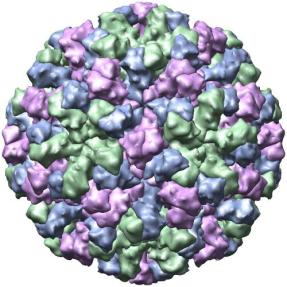
Norwalk_Caspid

The norovirus is a foodborne illness that causes a variety of symptoms, including vomiting, diarrhea, and stomach pain. It does not cause a sore throat directly, but a sore throat could come as a result of vomiting or happen due to another condition altogether.

CDC Norovirus Information

USA – Researchers describe outbreaks in Brazil, Pakistan and Malaysia

Food Safety News

Abstracts from a cancelled event have been issued on outbreaks in Brazil, Pakistan and Malaysia.

The conference abstracts were scheduled to be presented at the International Congress on Infectious Diseases in September 2020 in Kuala Lumpur, Malaysia, but the gathering was called off because of the coronavirus pandemic.

Studies in the International Journal of Infectious Diseases supplement involve E. coli O157, Staphylococcus aureus and Brucella.

The first study involves a deadly Shiga toxin-producing E. coli (STEC) O157:H7 outbreak with hemolytic uremic syndrome (HUS) cases in Brazil.