Category Archives: Research

Research – Ultrashort-pulse lasers kill bacterial superbugs, spores

Science Daily

Life-threatening bacteria are becoming ever more resistant to antibiotics, making the search for alternatives to antibiotics an increasingly urgent challenge. For certain applications, one alternative may be a special type of laser.

Researchers at Washington University School of Medicine in St. Louis have found that lasers that emit ultrashort pulses of light can kill multidrug-resistant bacteria and hardy bacterial spores. The findings, available online in the Journal of Biophotonics, open up the possibility of using such lasers to destroy bacteria that are hard to kill by other means. The researchers previously have shown that such lasers don’t damage human cells, making it possible to envision using the lasers to sterilize wounds or disinfect blood products.

“The ultrashort-pulse laser technology uniquely inactivates pathogens while preserving human proteins and cells,” said first author Shaw-Wei (David) Tsen, MD, PhD, an instructor of radiology at Washington University’s Mallinckrodt Institute of Radiology (MIR). “Imagine if, prior to closing a surgical wound, we could scan a laser beam across the site and further reduce the chances of infection. I can see this technology being used soon to disinfect biological products in vitro, and even to treat bloodstream infections in the future by putting patients on dialysis and passing the blood through a laser treatment device.”

Tsen and senior author Samuel Achilefu, PhD, the Michel M. Ter-Pogossian Professor of Radiology and director of MIR’s Biophotonics Research Center, have been exploring the germicidal properties of ultrashort-pulse lasers for years. They have shown that such lasers can inactivate viruses and ordinary bacteria without harming human cells. In the new study, conducted in collaboration with Shelley Haydel, PhD, a professor of microbiology at Arizona State University, they extended their exploration to antibiotic-resistant bacteria and bacterial spores.

The researchers trained their lasers on multidrug-resistant Staphylococcus aureus (MRSA), which causes infections of the skin, lungs and other organs, and extended spectrum beta-lactamase-producing Escherichia coli (E. coli), which cause urinary tract infections, diarrhea and wound infections. Apart from their shared ability to make people miserable, MRSA and E. coli are very different types of bacteria, representing two distant branches of the bacterial kingdom. The researchers also looked at spores of the bacterium Bacillus cereus, which causes food poisoning and food spoilage. Bacillus spores can withstand boiling and cooking.

In all cases, the lasers killed more than 99.9% of the target organisms, reducing their numbers by more than 1,000 times.

Viruses and bacteria contain densely packed protein structures that can be excited by an ultrashort-pulse laser. The laser kills by causing these protein structures to vibrate until some of their molecular bonds break. The broken ends quickly reattach to whatever they can find, which in many cases is not what they had been attached to before. The result is a mess of incorrect linkages inside and between proteins, and that mess causes normal protein function in microorganisms to grind to a halt.

“We previously published a paper in which we showed that the laser power matters,” Tsen said. “At a certain laser power, we’re inactivating viruses. As you increase the power, you start inactivating bacteria. But it takes even higher power than that, and we’re talking orders of magnitude, to start killing human cells. So there is a therapeutic window where we can tune the laser parameters such that we can kill pathogens without affecting the human cells.”

Heat, radiation and chemicals such as bleach are effective at sterilizing objects, but most are too damaging to be used on people or biological products. By inactivating all kinds of bacteria and viruses without damaging cells, ultrashort-pulse lasers could provide a new approach to making blood products and other biological products safer.

“Anything derived from human or animal sources could be contaminated with pathogens,” Tsen said. “We screen all blood products before transfusing them to patients. The problem is that we have to know what we’re screening for. If a new blood-borne virus emerges, like HIV did in the ’70s and ’80s, it could get into the blood supply before we know it. Ultrashort-pulse lasers could be a way to make sure that our blood supply is clear of pathogens both known and unknown.”


Story Source:

Materials provided by Washington University School of Medicine. Original written by Tamara Bhandari. Note: Content may be edited for style and length.
Research – A Strong Evidence Outbreak of Salmonella enteritidis in Central Italy Linked to the Consumption of Contaminated Raw Sheep Milk Cheese

MDPI

Salmonellaa

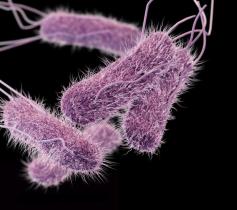
Salmonellosis is the second most commonly reported gastrointestinal infection in humans after campylobacteriosis, and an important cause of foodborne outbreaks in the EU/EEA. The vast majority (72.4%) of the salmonellosis foodborne outbreaks reported in EU in 2019 were caused by Salmonella enteritidis, even if their total number due to this serovar decreased. In spring 2020, a foodborne outbreak of S. enteritidis occurred in the Marche region (Central Italy), involving 85 people. The common exposure source was a cheese, pecorino “primo sale”, produced with raw sheep milk. The cheese batches were produced by two local dairies, with a livestock production facility, also including a sheep farm, being part of one dairy. Bacteriological analysis of samples collected allowed the detection of S. enteritidis in animal faeces, environmental samples, raw-milk bulk tanks and milk taken from single animals. These data confirm that, despite the scarce scientific evidence, S. enteritidis can infect sheep and be shed into the animals’ milk. Hence, this is a real risk for public health when unpasteurized milk is used in production of such cheese. The present paper describes the results of the investigations conducted to clarify this outbreak. View Full-Text

USA – Preparing Your Holiday Turkey Safely

CDC

Are you preparing a turkey for your holiday meal? Turkey and its juice can be contaminated with germs that can make you and your family sick. For example, turkey can contain SalmonellaClostridium perfringensCampylobacter, and other germs. Whether you’re cooking a whole bird or a part of it, such as the breast, you should take special care. Follow the steps below to safely store, thaw, handle, and cook your turkey.

1. Store Turkey Properly

  • Frozen raw turkey should be stored in the freezer until you are ready to thaw it. Make sure your freezer is at 0˚F or below. Don’t store a turkey in a place where you can’t closely monitor the temperature, such as in a car trunk, a basement, the back porch, or in snow.
  • Fresh raw turkey can be stored in the refrigerator 1 to 2 days before cooking.

2. Thaw Turkey Safely

Use one of these methods to thaw your turkey.

  • Thaw your turkey in the refrigerator.
    • Keep your turkey in its original wrapping and place it in a container before putting it in the refrigerator. The container will prevent the turkey’s juice from dripping on other food.
    • Allow about 24 hours of thawing for each 4 to5 pounds of turkey.
    • A turkey thawed in the refrigerator can remain in the refrigerator for 1 to 2 days before cooking.
  • Thaw your turkey in cold water.
    • Be sure your turkey is in a leak-proof plastic bag before you place it in the sink. The bag will prevent the turkey’s juice from spreading in the kitchen. It will also prevent the turkey from absorbing water, which can make your cooked turkey runny.
    • Make sure your turkey is fully covered with the cold tap water.
    • Change the water every 30 minutes.
    • Allow about 30 minutes of thawing for each pound of turkey.
    • A turkey thawed in cold water must be cooked immediately after thawing.
  • Thaw your turkey in the microwave.
    • Follow the microwave manufacturer’s instructions for thawing turkeys.
    • A turkey thawed in the microwave must be cooked immediately after thawing.

Never thaw your turkey by leaving it out on the counter. A turkey must thaw at a safe temperature. When a turkey stays out at room temperature for more than 2 hours, its temperature becomes unsafe even if the center is still frozen. Germs can grow rapidly in the “danger zone” between 40°F and 140°F.

Get more information about thawing turkeys.external icon

3. Handle Turkey Correctly to Prevent the Spread of Germs

Raw turkey and its juice can contaminate anything they touch. Be sure to handle your turkey correctly to prevent harmful germs from spreading to your food, family, and friends.

  • Wash your hands with soap and water for 20 seconds before and after handling turkey.
  • Use a separate cutting board for raw turkey.
  • Never place cooked food or fresh produce on a plate, cutting board, or other surface that held raw turkey.
  • Wash cutting boards, utensils, dishes, and countertops with hot soapy water after preparing raw turkey and before you prepare the next item.

Learn more about the four steps to food safety: clean, separate, cook, and chill.

Do not wash or rinse raw turkey. Federal food safety advice has recommended against washing turkey or chicken since 2005, but some habits are hard to break. A 2020 survey* found that 78% of participants reported washing or rinsing turkey before cooking. Old recipes and family cooking traditions may tempt you to keep this practice going, but it can make you and your family sick. Poultry juices can spread in the kitchen and contaminate other foods, utensils, and countertops.

∗Source: 2020 Porter Novelli Consumer Stylesexternal icon Survey of 3,625 U.S. adults

4. Cook Stuffing Thoroughly

It’s safest to cook stuffingexternal icon in a casserole dish instead of inside your turkey. Cooking stuffing in a casserole dish makes it easy to be sure the stuffing is thoroughly cooked. If you do cook stuffing in the turkey, put the stuffing in the turkey just before cooking.

With either cooking method, use a food thermometer to make sure the stuffing’s center reaches 165°F. Germs can survive in stuffing that has not reached 165°F. If you cooked the stuffing in your turkey, wait 20 minutes after taking the bird out of the oven before removing the stuffing. This allows the stuffing to cook a little longer.

5. Cook Turkey Thoroughly

To roast a turkey in your oven, set the oven temperature to at least 325°F. Place the completely thawed turkey in a roasting pan that is 2 to 2-1/2 inches deep. Cooking timesexternal icon depend on the weight of the turkey and whether it is stuffed.

Use a food thermometer to make sure the turkey has reached a safe minimum cooking temperature of 165°F. Check by inserting a food thermometer into the center of the stuffing and the thickest part of the breast, thigh, and wing. Even if your turkey has a pop-up timer, you should still use a food thermometer to check that it is safely cooked. Let the turkey stand 20 minutes before removing all stuffing from the cavity and carving the meat. This will let the stuffing cook a little longer and make the turkey easier to carveexternal icon.

If you are cooking your turkey using another method, such as smoking or frying it, or roasting a turkey that is not fully thawed, follow these guidelinesexternal icon for cooking your bird safely.

Learn more about safe minimum cooking temperaturesexternal icon for other foods and how to use a food thermometerexternal icon.

6. Take Care of Leftovers

Refrigerate leftoversexternal icon at 40°F or colder within 2 hours of cooking to prevent food poisoning. Slice or divide big cuts of meat, such as a roast turkey, into small quantities for refrigeration so they can cool quickly. Reheat all leftovers to at least 165°F before serving.

Cooked turkey and dishes made with turkey, such as a casserole, can be stored in the refrigerator for 3 to 4 days or can be frozen to store longer.

Always refrigerate leftovers within 2 hours, or 1 hour if exposed to temperatures above 90°F (like a hot car or picnic).

The bacteria Clostridium perfringens grows in cooked foods left at room temperature. It is the second most common bacterial cause of food poisoning. The major symptoms are vomiting and abdominal cramps within 6 to 24 hours after eating.

  • Clostridium perfringens outbreaks occur most often in November and December.
  • Many of these outbreaks have been linked to foods commonly served during the holidays, such as turkey and roast beef.

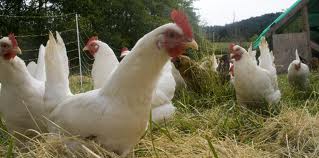
USA – Backyard Chickens hospitalize 273 and kill 2 with Salmonella – 1,135 sick in 2021 including 268 under the age of 5

Food Poison Journal

Salmonella Campylobacter

CDC: This year’s investigation of outbreaks linked to backyard poultry is over. However, any backyard poultry can carry Salmonella germs that can make you sick. Always take steps to stay healthy around your flock.

CDC and public health officials in several states investigated multistate outbreaks of Salmonella infections with serotypes of Enteritidis, Hadar, Indiana, Infantis, Mbandaka, and Muenchen.

Epidemiologic and laboratory data showed that contact with backyard poultry made people sick.

A total of 1,135 people infected with one of the outbreak strains were reported from 48 states, the District of Columbia, and Puerto Rico. The true number of sick people in these outbreaks was likely much higher than the number reported, and these outbreaks may not have been limited to the states with known illnesses. This is because many people recover without medical care and are not tested for Salmonella.

USA – Leftovers: Let’s Keep the Best Part of Thanksgiving Safe

FSIS USDA

he year’s biggest meal will be over soon, but delicious Thanksgiving leftovers will sustain you from Black Friday to Cyber Monday. Keep your favorite leftovers safe by following these food safety steps:

  • Remember the Two-Hour Rule: Refrigerate perishable items within two hours of coming out of the oven or refrigerator. After two hours, perishable food enters the “Danger Zone” (between 40 F and 140 F), where bacteria can multiply quickly and cause food to become unsafe. Perishable food should be discarded if left out for longer than two hours, so refrigerate or freeze items to prevent food waste.
  • Use Shallow Containers: After you breakdown your Thanksgiving meal into smaller portions, store leftover food in shallow containers in the refrigerator until the Monday after Thanksgiving, or in the freezer for later use.
  • Freeze or Consume Within Four Days: Use the Monday after Thanksgiving as a reminder that it is the last day you can safely eat leftovers. If you want to keep leftovers longer, freeze them within that four-day period. Frozen food stays safe indefinitely, though the quality may decrease over time (best quality if eaten within six months).
  • Reheat to 165 F: Make sure your reheated leftovers reach 165 F as measured with a food thermometer. Reheat sauces, soups and gravies safely by bringing them to a rolling boil.
  • Microwave Food Safely: When reheating in the microwave, cover and rotate the food for even heating. Arrange food items evenly in a covered microwave safe glass or ceramic dish and add some liquid, if needed. Because microwaves have cold spots, check the internal temperature of the food in several places with a food thermometer after allowing a resting time.

For more questions about food safety, contact the USDA’s Meat and Poultry Hotline at 1-888-MPHotline (1-888-674-6854) or email MPHotline@usda.gov to reach a food safety expert or chat live at ask.usda.gov from 10 a.m. to 6 p.m. Eastern Time, Monday through Friday, and 8 a.m. to 2 p.m. Eastern Time on Thanksgiving Day.

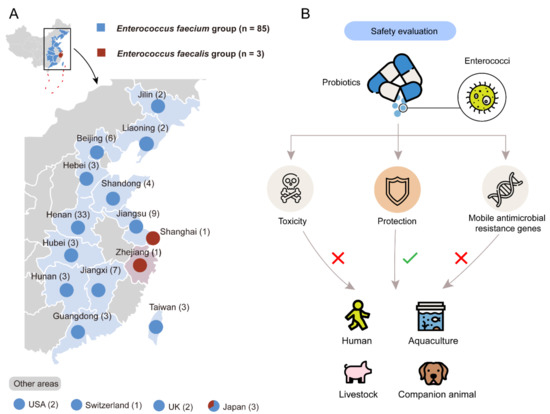
Research – Emerging Risks in Food: Probiotic Enterococci Pose a Threat to Public Health through the Food Chain

MDPI

Probiotics have been associated with clinical infections, toxicity, and antimicrobial resistance transfer, raising public concerns. Probiotic enterococci are emerging food risks as opportunistic pathogens, yet little attention has been paid to them. Herein, we collected 88 enterococcal isolates from probiotic products used for humans, companion animals, livestock, and aquaculture. Results showed that all 88 probiotic enterococcal isolates harbored diverse virulence genes, multiple antimicrobial resistance genes, and mobile genetic elements. Notably, 77 isolates were highly resistant to gentamicin. Representative enterococcal isolates exerted toxic activities in both in vitro and in vivo models. Collectively, our findings suggest that probiotic enterococci may be harmful to hosts and pose a potential threat to public health. View Full-Text

Research – Gamma radiation treatment of postharvest produce for Salmonella enterica reduction on baby carrot and grape tomato

Wiley Online

Occurrences and contamination of Salmonella enterica on produce are a significant food safety issue. The objective of this research was to evaluate the effects of low-dose gamma radiation on survival and reductions of S. enterica on postharvest carrot and tomato. Irradiation treatments of 0–1 kGy were applied on produce, following pathogen inoculations in replicated experiments. The effects of temperatures (5 and 20°C) and storage times (0, 3, and 7 days) on pathogen reductions were determined. The mean Salmonella populations in untreated control produce varied from 7.12 ± 0.05 to 7.54 ± 0.12 log Cfu/g of produce. Pathogen reductions by gamma radiation were significant (p < .05) and varied with storage times (0–7 days). Salmonella populations were reduced on carrot by 4.3 logs (5°C) and 3.7 logs (20°C) at 1 kGy treatment. On tomato, pathogen reductions at 1 kGy did not differ significantly (p > .05) and were 5.6 and 5.8 logs at 5 and 20°C, respectively. Linear decreases in Salmonella populations occurred as radiation dosage increased. Injury of bacterial cells from radiation treatment was comparatively greater at 1 kGy than other treatments. Low-dose gamma radiation treatment resulted in significant Salmonella reductions on produce and enhanced postharvest safety of carrot and tomato.

Research – Diversity of Listeria monocytogenes Strains Isolated from Food Products in the Central European Part of Russia in 2000–2005 and 2019–2020

MDPI

Totally, 45 L. monocytogenes strains isolated from meat, poultry, dairy, and fish products in the Central European part of Russia in 2001–2005 and 2019–2020 were typed using a combined MLST and internalin profile (IP) scheme. Strains belonged to 14 clonal complexes (CCs) of the phylogenetic lineages I and II. Almost half of the strains (20 of 45) belonged to six CCs previously recognized as epidemic clones (ECs). ECI and ECV strains were isolated during both studied periods, and ECII, ECIV, ECVI, and ECVII strains were isolated in 2001–2005, but not in 2019–2020. ECI, ECIV, ECV, and ECVII strains were isolated from products of animal origin. ECII and ECVI were isolated from fish. Testing of invasion efficiencies of 10 strains isolated in different years and from different sources and belonging to distinct CCs revealed a statistically significant difference between phylogenetic lineage I and II strains but not between ECs and non-EC CCs or strains differing by year and source of isolation. Strains isolated in 2001–2005 were characterized by higher phylogenetic diversity and greater presentation of ECs and CCs non-typical for natural and anthropogenic environments of the European part of Russia comparatively to isolates obtained in 2019–2020.Closing of the Russian market in 2019–2020 for imported food might be responsible for these differences. View Full-Text

Research – Peanut Skins as a Natural Antimicrobial Feed Additive to Reduce the Transmission of Salmonella in Poultry Meat Produced for Human Consumption

Journal of Food Protection

Salmonella is the leading cause of bacterial foodborne zoonoses in humans. Thus, the development of strategies to control bacterial pathogens in poultry is essential. Peanut skins, a considerable waste by-product of the peanut industry is discarded and of little economic value. However, peanut skins contain polyphenolic compounds identified that have antimicrobial properties. Hence, we aim to investigate the use of peanut skins as an antibacterial feed additive in the diets of broilers to prevent the proliferation of Salmonella Enteritidis (SE). One hundred sixty male hatchlings (Ross 308) were randomly assigned to, (1) PS: peanut skin diet without SE inoculation (2) PSSE: peanut skin diet and SE inoculation 3) CON: control diet without SE inoculation (4) CONSE: control diet with SE inoculation. Feed intake and body weights were determined at week 0 and 5. On days 10 and 24 post hatch, 3 birds/pen (24 total) from each treatment group were euthanized and the liver, spleen, small intestine, and ceca were collected. The weights of the liver, spleen and ceca were recorded. Organ invasion was determined by counting SE colonies. Each pen served as an experimental unit and was analyzed using a t-test. Performance data was analyzed in a completely randomized design using a general linear mixed model to evaluate differences. There were no significant differences ( P > 0.05) in weekly average pen body weight, total feed consumption, bird weight gain and feed conversion ratio between the treatment groups. There were no significant differences in SE CFU/g for fecal, litter or feed between treatment groups CONSE and PSSE. However, for both fecal and litter, the PSSE treatment group tended (P ≤0.1) to have a lower Salmonella CFU/g compared to the CONSE treatment group. The results indicate that peanut skins may have potential application as an antimicrobial feed additive to reduce the transmission or proliferation of SE in poultry environments or flocks.

Research – How Safe to Eat Are Raw Bivalves? Host Pathogenic and Public Health Concern Microbes within Mussels, Oysters, and Clams in Greek Markets

MDPI

Raw-bivalves consumption is a wide trend in Mediterranean countries. Despite the unambiguous nutritional value of seafood, raw consumption of bivalves may involve risks that could pose a significant threat to consumers’ health. Their filter-feeding behavior is responsible for the potential hosting of a wide variety of microorganisms, either pathogenic for the bivalves or public health threats. Under this prism, the current study was conducted in an effort to evaluate the risk of eating raw bivalves originating from the two biggest seafood markets in Thessaloniki, the largest production area of bivalves in Greece. Both microbiological and molecular methodologies were applied in order to assess the presence of various harmful microbes, including noroviruses, BonamiaMarteiliaEsherichia coliSalmonella, and Vibrio. Results indicated the presence of several Vibrio strains in the analyzed samples, of which the halophilic Vibrio harveyi was verified by 16S rRNA sequencing; other than this, no enteropathogenic Vibrio spp. was detected. Furthermore, although Esherichia coli was detected in several samples, it was mostly below the European Union (EU) legislation thresholds. Interestingly, the non-target Photobacterium damselae was also detected, which is associated with both wound infections in human and aquatic animals. Regarding host pathogenic microorganisms, apart from Vibrio harveyi, the protozoan parasite Marteilia refrigens was identified in oysters, highlighting the continuous infection of this bivalve in Greece. In conclusion, bivalves can be generally characterized as a safe-to-eat raw food, hosting more bivalve pathogenic microbes than those of public health concern.