Category Archives: raw milk cheese

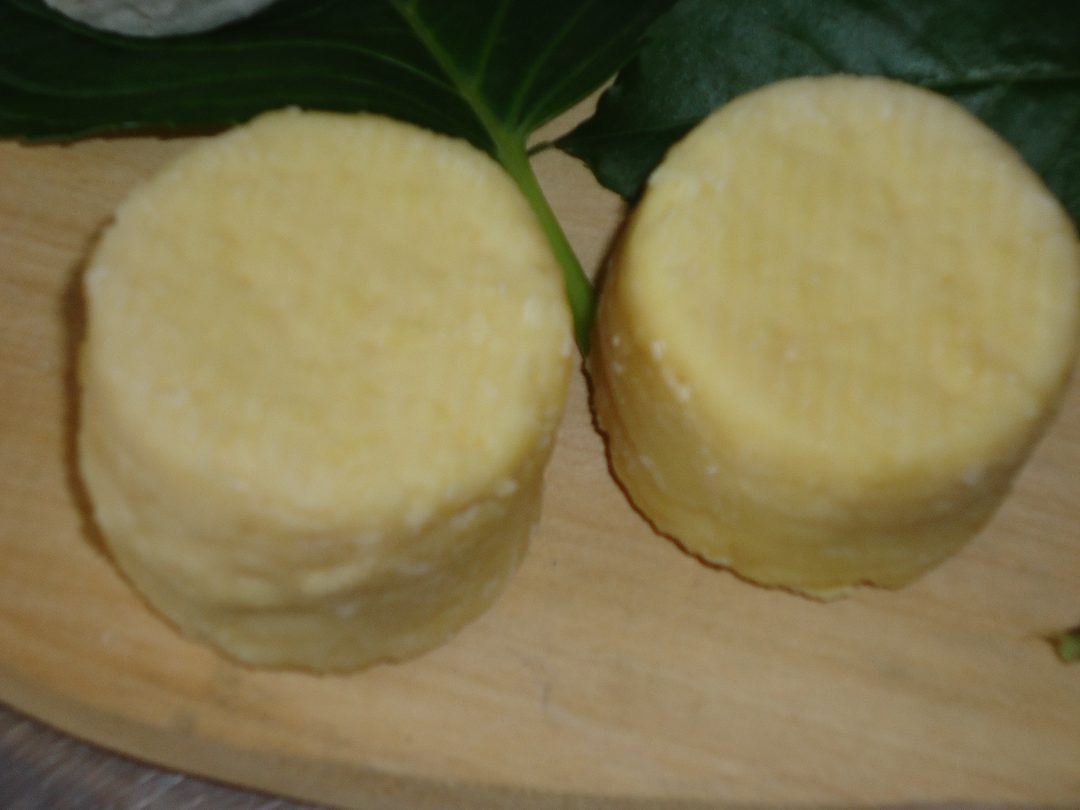
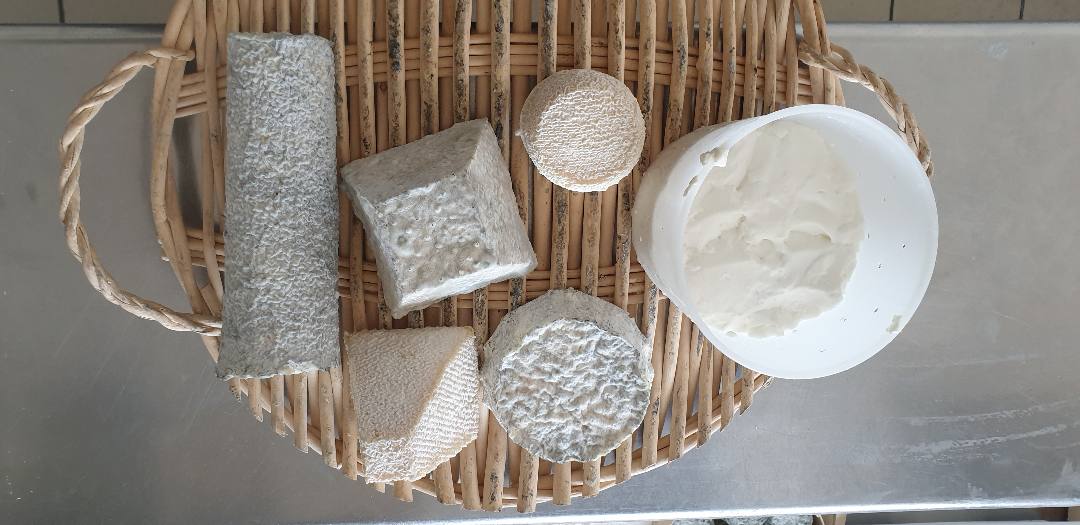
France – Raw milk goat cheese – STEC E.coli

Gov france

Identification information of the recalled product

  • Product category Feed
  • Product subcategory Milk and dairy products
  • Product brand name Gaec closes the cravings
  • Model names or reference sValencay, saddles on expensive, farmhouse log, cottage cheese, dung, white pyramid heart of want
  • Identification of products
    Batch Date
    batch manufactured from February 17, 2023 to March 8, 2023 Date of minimum durability between 03/04/2023 and 23/04/2023
  • Packaging naked cheeses
  • Marketing start/end date From 02/18/2023 to 03/15/2023
  • Storage temperature Product to be stored in the refrigerator
  • Health mark 36235001
  • Geographic area of ​​sale Regions: Centre-Val de Loire
  • Distributors sale at the farm and on the Tours market

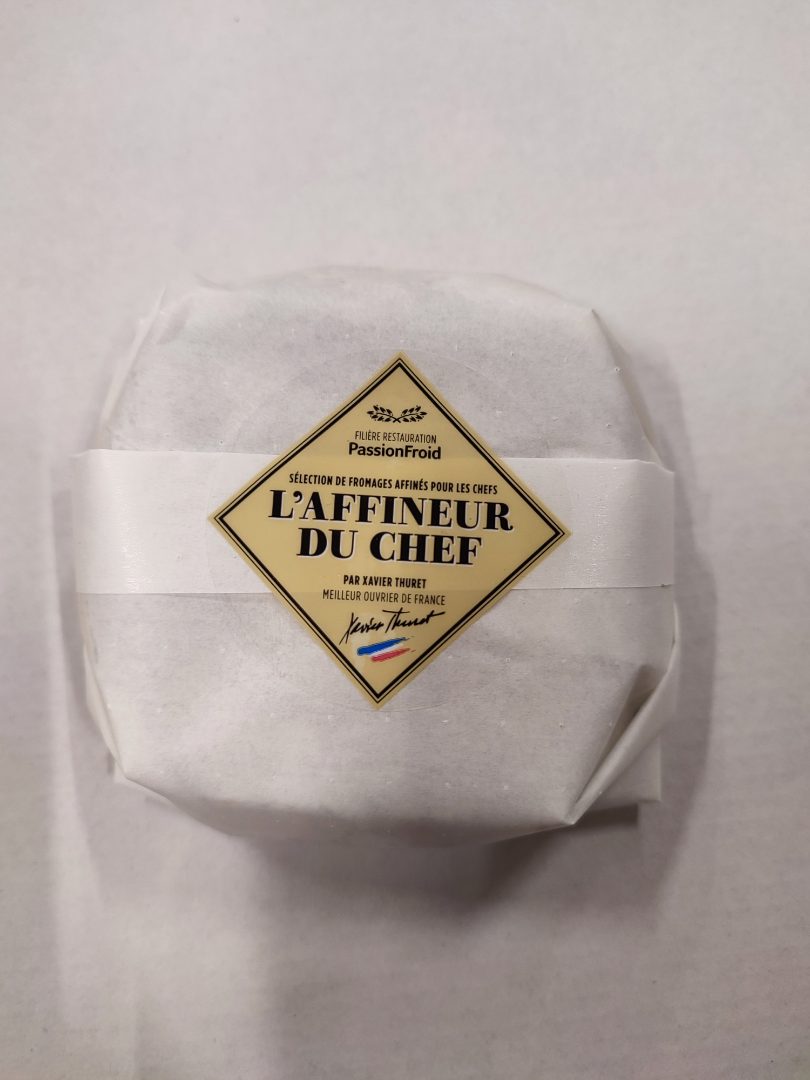
France – Saddles on Cher AOP – STEC E.coli

Gov france

Identification information of the recalled product

  • Product category Feed
  • Product subcategory Milk and dairy products
  • Product brand name Chef’s refiner
  • Model names or references Saddles on Cher AOP
  • Identification of products
    GTIN Batch Date
    3760038279935 J30730025 Use-by date 05/04/2023
    3760038279935 J30730025 Use-by date 06/04/2023
    3760038279935 J30730025 Use-by date 09/04/2023
    3760038279935 J30730025 Use-by date 04/10/2023
  • Packaging creamer paper
  • Marketing start/end date From 03/17/2023 to 03/23/2023
  • Storage temperature Product to be stored in the refrigerator
  • Health mark FR.63.113.081.CE
  • Further information Raw goat’s milk cheese
  • Geographic area of ​​sale Whole France
  • Distributors POMONA, Flavors of Antoine

France – Dairy products: (Milk – Raw milk – Buttered milk – FERMENTED RAW MILK) – STEC E.coli O26:H11

Gov france

Identification information of the recalled product

  • Product category Feed
  • Product subcategory Milk and dairy products
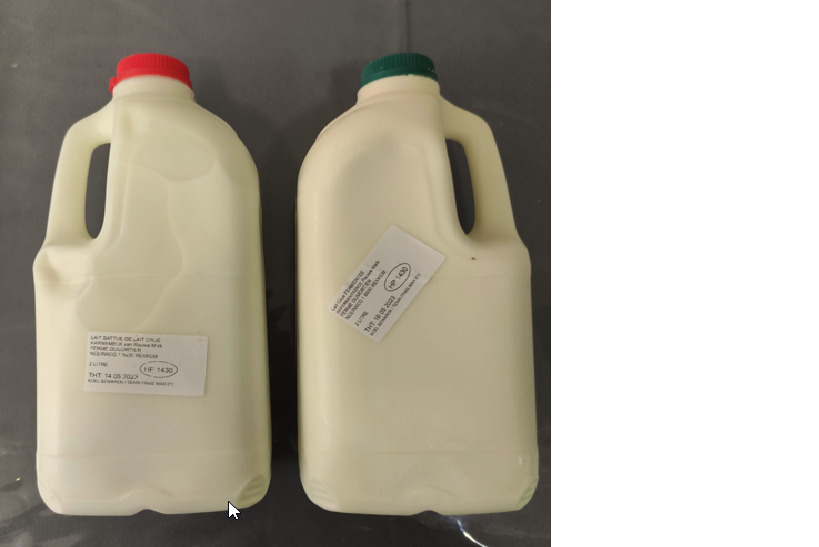
  • Product brand name DUMORTIER FARM 8930 REKKEM Belgium
  • Model names or references Dairy products: (Milk – Raw milk – Buttered milk – FERMENTED RAW MILK) from FERME DUMORTIER 8930 REKKEM Belgium.
  • Identification of products
    Batch
    All batches marketed from mid-March
  • Packaging In 2 liter bottle (red or green cap)
  • Marketing start/end date From 03/15/2023 to 05/06/2023
  • Storage temperature Product to be stored in the refrigerator
  • Health mark HP 1430
  • Geographic area of ​​sale Departments: NORTH (59)
  • Distributors“The Oasis” 11 rue Jules Guesde 59000 Lille

Practical information regarding the recall

  • Reason for recall Detection of e.coli O26H11 producing shigatoxins on fermented raw milk.
  • Risks incurred by the consumer Toxigenic Shiga Escherichia coli (STEC)

Research – German testing finds Listeria and E. coli in raw milk

Food Safety News

Listeria and E. coli have been found during testing of unpasteurized, raw milk from farms in Germany.

From 2020 to 2022, the Chemical and Veterinary Investigation Office (CVUA) in Stuttgart tested 54 raw milk samples from vending machines for a range of agents.

Parameters examined included somatic cell count, total germ count, spoilage organisms, hygiene indicator germs such as Enterobacteriaceae and E. coli, and pathogens like Salmonella, Listeria, Campylobacter, and Shiga toxin-producing E. coli (STEC).

The sale of raw milk is mostly prohibited but it can be sold directly on the farm via self-service vending machines. The producers should put up notices telling the consumers to boil raw milk before consumption.

Some findings were positive as 30 samples were compliant but 24 had issues. Results highlight the importance of regular cleaning of milking machines, pipes, and tanks at dairy farms, said scientists. Insufficient cooling can also lead to contamination of raw milk.

France – Cow Cheeses – Listeria monocytogenes

Gov france

Identification information of the recalled product

  • Product category Feed
  • Product subcategory Milk and dairy products
  • Product brand name raw milk cheese
  • Model names or references fresh, semi-dry and dry cow cheeses
  • Identification of products
    Batch
    All lots
  • Products List cow_cheese.pdfAttachment
  • Marketing start/end date From 04/24/2023 to 04/28/2023
  • Storage temperature Product to be stored in the refrigerator
  • Geographic area of ​​sale Whole France
  • Distributors market sales
  • List of points of salerecall_products.pdf

Practical information regarding the recall

  • Reason for recall suspected listeria
  • Risks incurred by the consumer Listeria monocytogenes (causative agent of listeriosis)

Research – Severe Streptococcus equi Subspecies zooepidemicus Outbreak from Unpasteurized Dairy Product Consumption, Italy

CDC

Abstract

During November 2021–May 2022, we identified 37 clinical cases of Streptococcus equi subspecies zooepidemicus infections in central Italy. Epidemiologic investigations and whole-genome sequencing showed unpasteurized fresh dairy products were the outbreak source. Early diagnosis by using sequencing technology prevented the spread of life-threatening S. equi subsp. zooepidemicus infections.

Streptococcus equi subspecies zooepidemicus is a β-hemolytic streptococcus expressing Lancefield group C antigen and is 1 of 3 S. equi subspecies. S. equi subsp. zooepidemicus is an opportunistic pathogen that can infect domestic animals, pets, and wildlife (16). Sporadic human cases have been reported (7), characterized by clinical manifestations that vary from meningitis to sepsis. Human infection generally occurs through direct contact with infected animals or by consumption of contaminated unpasteurized milk or other dairy products (810). We report a large S. equi subsp. zooepidemicus outbreak in Italy.

RASFF Alerts – Listeria monocytogenes – Brie Cheese – Raw Milk Cheese

RASFF

Detection of Listeria monocytogenes in Brie cheese from France in Japan

RASFF

Raw milk cheese contaminated with listeria from France in Germany

Research – Raw food: health risks are often underestimated

BFR

A glass of raw milk for breakfast, a roll with raw ham in the lunch break and a homemade smoothie with frozen berries in the afternoon – raw or unheated food is a regular part of the population’s menu. This is shown by a current, representative survey by the Federal Institute for Risk Assessment ( BfR ). Raw animal and vegetable products should be consumed with caution. They can contain pathogenic germs such as salmonella, listeria and campylobacter and lead to foodborne infections. Small children, people with previous illnesses, the elderly and pregnant women are particularly at risk. “The health risks of raw foods are often underestimated,” says BfR-President Professor Dr. dr Andrew Hensel. “Heating protects. Diseases can be avoided with simple kitchen hygiene rules. Sensitive groups of people in particular should only eat raw animal food that has been sufficiently heated.”

To the BfR Consumer Monitor Special information brochure, raw foods:

The particularly popular raw foods include raw sausage and raw ham, which are eaten several times a week by more than a third of those surveyed. At least one to three times a month, 73 percent of those surveyed eat raw meat and sausage products, followed by soft cheese made from raw milk (57 percent). Other foods eaten with the same frequency by around a third of those surveyed are raw meat (38 percent), cold-smoked fish (33 percent) and frozen berries (33 percent). While about one in five (21 percent) eats raw sweet dough with eggs at least once or three times a month, it is still one in eight (12 percent) when it comes to raw dough without eggs. 19 percent of respondents drink raw milk at least one to three times a month.

Every year around 100,000 diseases are reported in Germany that may have been caused by bacteria, viruses or parasites in food. The number of unreported cases is likely to be much higher. While salmonella, listeria and norovirus are known to the majority of the population, the knowledge about other food-related pathogens is less good. Particularly surprising: Although campylobacteriosis has been the most frequently reported bacterial food-borne illness in Germany and Europe for years, only just under a quarter (23 percent) of people know the causative pathogen Campylobacter . The same applies to the abbreviations STEC, EHEC and VTEC for particularly dangerous Escherichia coli-Bacteria (27 percent). The pathogens mentioned can lurk in a large number of raw foods: salmonella and campylobacter in poultry, chicken eggs and raw meat and sausage products, listeria in cold-smoked fish products and raw milk cheese or noroviruses in raw oysters and frozen berries as well as STEC in flour.

The perception of the health risk sometimes differs greatly between different raw or unheated foods. The majority of respondents see a medium to (very) high health risk in particular with raw fish and raw seafood, raw meat, raw eggs and raw sweet dough with eggs. Frozen berries, on the other hand, are perceived as the least risky. Other foods that the majority of those surveyed also associate with a (very) low health risk are soft cheese made from raw milk, cold-smoked fish, raw sausage and raw ham, as well as raw dough without eggs.

In order to protect yourself from foodborne infections, it is important to observe the rules of kitchen hygiene so that pathogens do not spread from raw foods to others. Small children, pregnant women and people with a weakened immune system should only eat raw food from animals if they have been sufficiently heated beforehand.

Via the BfR consumer monitor

Whether antibiotic resistance, microplastics, salmonella or aluminum in food – which health risks are known to the population and what worries them? The BfR Consumer Monitor, a representative population survey that has been carried out regularly since 2014, provides answers to these and other questions . To this end, around 1,000 people living in private households in Germany are being interviewed by telephone on behalf of the BfR . In addition, the BfR conducts representative surveys on individual topics that are of particular current interest, such as tattoos, e-cigarettes, superfoods or additives in food.

RASFF Alerts – STEC E.coli – Fresh Tarragon – American Fillet – Goat Cheese

RASFF

STEC STX 1 and eae, E coli in tarragon fresh from Israel in the Netherlands and Poland

RASFF

STEC in fillet american from Belgium in the Netherlands

RASFF

Detection of shigatoxin producing E. coli in goat cheese from France in Belgium

France – FRESH GOAT CHEESE – STEC E.coli

Gov france

Identification information of the recalled product

  • Product category Feed
  • Product subcategory Milk and dairy products
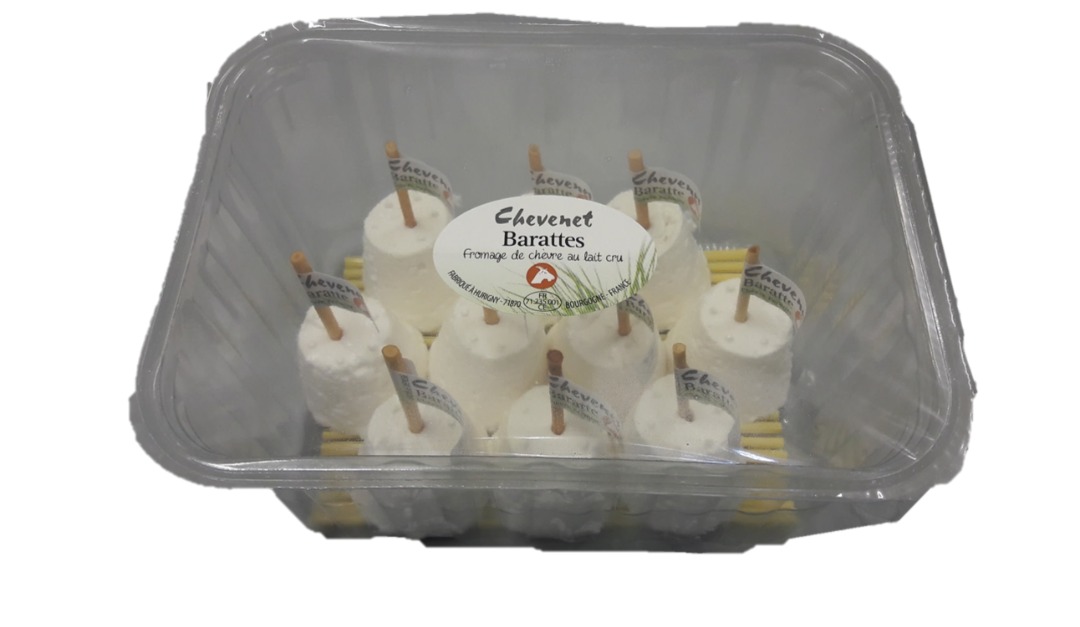
  • Product brand name CHEVENET
  • Model names or references CHURNS
  • Identification of products
    GTIN Batch Date
    3503961017027 052 Date of minimum durability 03/21/2023
    3503961017027 052 Date of minimum durability 03/28/2023
  • Packaging plastic tray or bare product in traditional network
  • Marketing start/end date From 02/21/2023 to 03/03/2023
  • Storage temperature Product to be stored in the refrigerator
  • Health mark FR-71-235-001-CE
  • Further information Fresh goat cheese made from raw milk
  • Geographic area of ​​sale Departments: COTE-D’OR (21), RHONE (69), SAONE-ET-LOIRE (71)
  • Distributors List attached
  • List of points of sale List_of_distributors_BARATTES_FRAICHES.pdf

Practical information regarding the recall

  • Reason for recall Recall information for health reasons
  • Risks incurred by the consumer Toxigenic Shiga Escherichia coli (STEC)