Shiga toxin-producing Escherichia coli in raw milk cheese from France in Belgium and Luxembourg
Presence E. coli STEC in Bovine meat from Brazil in Spain
Shiga toxin-producing Escherichia coli in frozen lamb meat from New Zealand in Italy

Shiga toxin-producing Escherichia coli in raw milk cheese from France in Belgium and Luxembourg
Presence E. coli STEC in Bovine meat from Brazil in Spain
Shiga toxin-producing Escherichia coli in frozen lamb meat from New Zealand in Italy
Posted in E.coli, food contamination, Food Hazard, Food Hygiene, Food Inspections, Food Micro Blog, Food Microbiology, Food Microbiology Blog, Food Microbiology Testing, Food Pathogen, Food Poisoning, food recall, Food Safety, Food Safety Alert, Food Testing, Food Toxin, RASFF, Raw Milk, raw milk cheese, STEC, STEC E.coli

Yelm, WA- based Toboton Creek Dairy has recalled retail raw whole milk displaying Best By dates of “2/1” through “2/9” because it may be contaminated with Escherichia coli bacteria (E. coli) that can cause serious illness.
The recall was initiated after routine sampling conducted by the Washington State Department of Agriculture (WSDA) revealed the presence of toxin-producing E. coli in retail raw milk dated 2/1 (February 1). The recalled product was bottled in half-gallon containers and was sold via retail stores in Yelm and Olympia, WA as well as on-farm sales. Toboton Creek Dairy and WSDA continue to work jointly to address the source of the problem.
Posted in E.coli, escherichia coli, food contamination, Food Hazard, Food Hygiene, Food Inspections, Food Micro Blog, Food Microbiology, Food Microbiology Blog, Food Microbiology Testing, Food Pathogen, Food Poisoning, food recall, Food Safety, Food Safety Alert, Food Spoilage, Food Testing, Food Toxin, Raw Milk
A possible Swan Bros. raw milk Listeria outbreak has allegedly sickened 10 people in Missouri and Oklahoma, according to a wrongful death lawsuit filed in the District Court of Rogers County in the state of Oklahoma on January 21, 2022. Swan Bros. recalled their raw milk products in July 2021 for possible Listeria monocytogenes after testing by the Missouri Department of Health and Senior Services revealed the presence of that pathogen in the milk on July 6, 2021. The dairy posted a notice on its Facebook page on July 6, 2021 about that recall.
Posted in food bourne outbreak, food contamination, food handler, Food Hazard, Food Hygiene, Food Illness, Food Inspections, Food Micro Blog, Food Microbiology, Food Microbiology Blog, Food Microbiology Testing, Food Pathogen, Food Safety, Food Safety Alert, Food Testing, Foodborne Illness, foodborne outbreak, foodbourne outbreak, Illness, Listeria, Listeria monocytogenes, outbreak, Raw Milk
Until now, when it came to raw milk, the state of Alaska was looking out for the public health of its residents. An easy to find fact sheet on the state’s website by the state veterinarian says:
“Raw milk may contain food-borne pathogens. These pathogens may be shed into the milk directly from the animal or enter the milk from the environment. These pathogens present a health threat to consumers of raw milk.”
The Alaska Division of Public Health and the Alaska Department of Environmental Conservation publish “Raw Milk Facts” on the state portal. “Raw milk has been recognized as a source of disease for over 100 years,” it says.
It explains the risks this way: “Unpasteurized milk can contain bacteria such as E. coli, Campylobacter, Listeria, and Salmonella.
“While some people exposed to these bacteria do not develop any symptoms, others may develop short-term nausea, vomiting, diarrhea, fever, and cramps.
“Illnesses can last a week or longer, and some people even develop severe, long-term consequences resulting in kidney failure or paralysis. These infections are particularly serious in very young, very old, or those who have impaired immune systems.
“They can even be fatal.”
Posted in Campylobacter, E.coli, Food Micro Blog, Food Microbiology, Food Microbiology Blog, Food Microbiology Research, Food Microbiology Testing, Listeria, Listeria monocytogenes, microbial contamination, Microbiological Risk Assessment, Microbiology, Microbiology Investigations, Raw Milk, Salmonella, STEC, STEC E.coli
VTEC/STEC in raw milk cheese from France in Germany
Posted in E.coli, food contamination, Food Hazard, Food Hygiene, Food Inspections, Food Micro Blog, Food Microbiology, Food Microbiology Blog, Food Microbiology Testing, Food Pathogen, Food Poisoning, food recall, Food Safety, Food Safety Alert, Food Testing, Food Toxin, RASFF, Raw Milk, raw milk cheese, STEC, STEC E.coli, VTEC
Listeria monocytogenes in beef from France in the Netherlands
Listeria monocytogenes in raw milk cheese from Belgium in France
Climate change is one of the threats to the dairy supply chain as it may affect the microbiological quality of raw milk. In this context, a probabilistic model was developed to quantify the concentration of Escherichia coli in raw milk and explore what may happen to France under climate change conditions. It included four modules: initial contamination, packaging, retailing, and consumer refrigeration.
The model was built in R using the 2nd order Monte Carlo mc2d package to propagate the uncertainty and analysed its impact independently of the variability. The initial microbial counts were obtained from a dairy farm located in Saudi Arabia to reflect the impact of hot weather conditions. This country was taken as representative of what might happen in Europe and therefore in France in the future due to climate change. A large dataset containing 622 data points was analysed. They were fitted by a Normal probability distribution using the fitdistrplus package. The microbial growth was determined across various scenarios of time and temperature storage reflecting the raw milk supply-chain in France. Existing growth rate data from literature and ComBase were analysed by the Ratkowsky secondary model. Results were interpreted using the nlstools package.
The mean E. coli initial concentration in raw milk was estimated to be 1.31 [1.27; 1.35] log CFU/ mL and was found to increase at the end of the supply chain as a function of various time and temperature conditions. The estimations varied from 1.73 [1.42; 2.28] log CFU/mL after 12 h, 2.11 [1.46; 3.22] log CFU/mL after 36 h, and 2.41 [1.69;3.86] log CFU/mL after 60 h of consumer storage. The number of milk packages exceeding the 2-log French hygiene criterion for E. coli increased from 10% [8;12%] to 53% [27;77%] during consumer storage. In addition, the most significant factors contributing to the uncertainty of the model outputs were identified by running a sensitivity analysis. The results showed that the uncertainty around the Ratkowsky model parameters contributed the most to the uncertainty of E. coli concentration estimates.
Overall, the model and its outputs provide an insight on the possible microbial raw milk quality in the future in France due to higher temperatures conditions driven by climate change.

Shigatoxin-producing Escherichia coli (O26 H11 stx, eae+ /25g) in raw milk cheese from France in Belgium, Austria, France, Germany, Macao, UAE and Hong Kong
Posted in E.coli, food contamination, food handler, Food Hazard, Food Hygiene, Food Inspections, Food Micro Blog, Food Microbiology, Food Microbiology Blog, Food Microbiology Testing, Food Pathogen, Food Poisoning, food recall, Food Safety, Food Safety Alert, Food Testing, Food Toxin, RASFF, Raw Milk, raw milk cheese, STEC, STEC E.coli
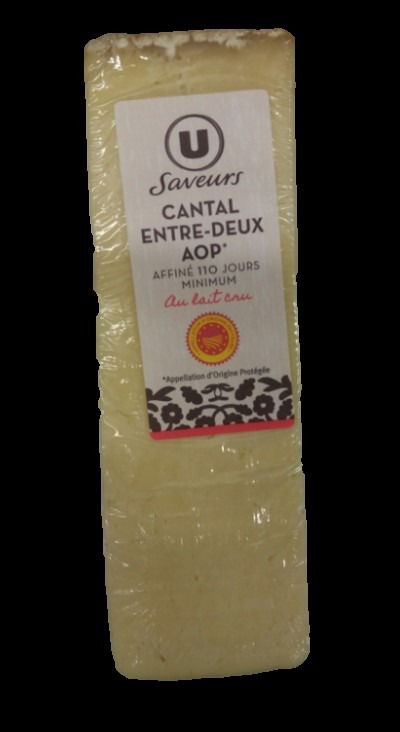
| GTIN | Lot | Dated |
|---|---|---|
| 3368952539939 | 16821443 | Use-by date 12/07/2021 |
| 3368952539939 | 16821452 | Use-by date 12/12/2021 |
Posted in E.coli, food contamination, food handler, Food Hazard, Food Hygiene, Food Inspections, Food Micro Blog, Food Microbiology, Food Microbiology Blog, Food Microbiology Testing, Food Pathogen, Food Poisoning, food recall, Food Safety, Food Safety Alert, Food Testing, Food Toxin, Raw Milk, raw milk cheese, STEC, STEC E.coli
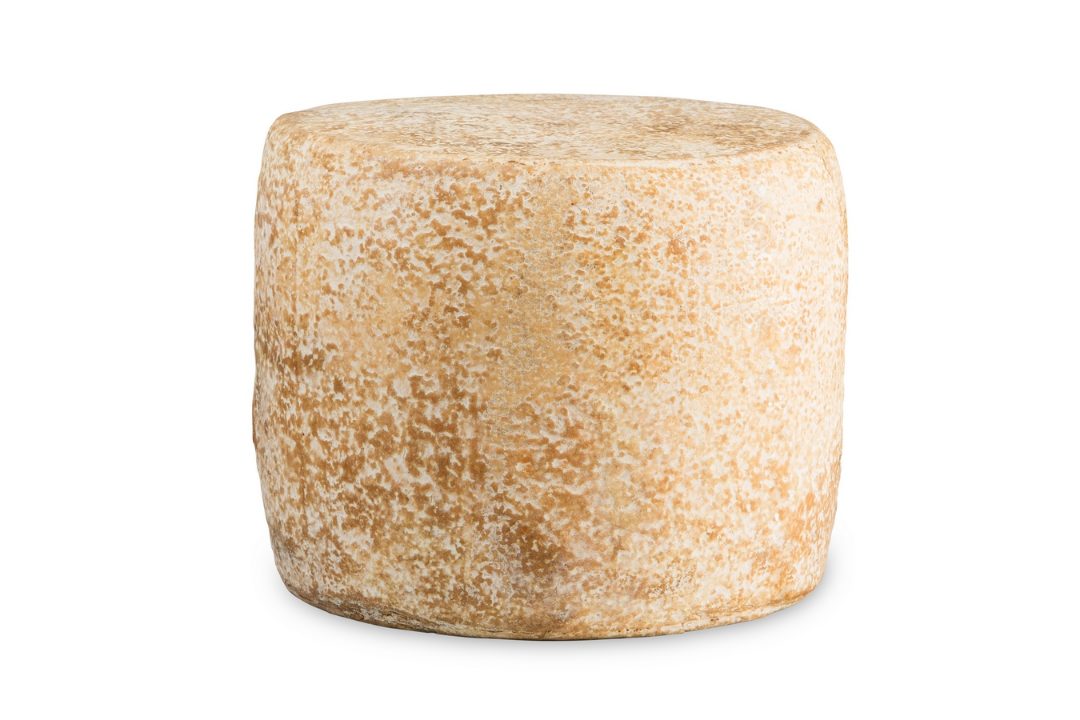
| GTIN | Lot | Dated |
|---|---|---|
| 3760071554327 | 016821 | Date of minimum durability between 04/01/2022 and 05/01/2022 |
| 3760070000870 | 016821 | Date of minimum durability between 12/12/2021 and 22/12/2021 |
| 3760071554426 | 016821 | Date of minimum durability between 13/12/2021 and 27/12/2021 |
| 3760070000610 | 016821 | Date of minimum durability between 12/15/2021 and 12/27/2021 |
Posted in Bacterial Toxin, E.coli O26, food contamination, food handler, Food Hazard, Food Hygiene, Food Inspections, Food Micro Blog, Food Microbiology, Food Microbiology Blog, Food Microbiology Testing, Food Pathogen, Food Poisoning, food recall, Food Safety, Food Safety Alert, Food Testing, Food Toxin, Raw Milk, raw milk cheese, STEC, STEC E.coli, Toxin

 FoodWorld