Officials in Australia have issued a health alert after two hepatitis A cases were recently linked to a café.
The Department of Health in the state of Victoria said there was a risk of further locally acquired cases being reported in the coming weeks. No information was provided about the patients or if illness was caused by a contaminated food or food handler.
People who had food from Creatures of Habit café in the city of Springvale in Melbourne were advised to be aware of the symptoms of hepatitis A infection.
The café is located in the Springvale Homemaker Centre. A clean-up of the restaurant has been undertaken and there is no longer a risk to the public, according to officials. There are no other venues at the center implicated.
Simply Nature, Organic Strawberries, Best By 06/14/2024
Vital Choice, Organic Strawberries, BEST BY 05/20/2024
Kirkland Signature, Organic Strawberries, Best If Used By 10/08/2024
Made With, Organic Strawberries, Best Before 11/20/2024
PCC Community Markets, Organic Strawberries, Best By 29/10/2024
Trader Joe’s, Organic Tropical Fruit Blend with the following Best By dates: 04/25/24; 05/12/24; 05/23/24; 05/30/24; 06/07/24
Stores Affected
California Splendor supplied recalled product to Costco stores in Los Angeles and Hawaii, and to two San Diego business centers. Scenic Fruit supplied recalled product to Costco, Aldi, KeHE, Vital Choice Seafood, and PCC Community Markets in specific states, and to Trader Joe’s nationwide.
On March 17, 2023, the retailer, Meijer, also issued press to voluntarily recall Made-WithExternal Link Disclaimer brand frozen organic strawberries from certain market store locations.
This is not an exhaustive list of products or stores. FDA is continuing to work with the firms to identify potential additional product information.
Illness usually occurs within 15 to 50 days after eating or drinking contaminated food or water. Symptoms of hepatitis A virus infection include fatigue, nausea, vomiting, abdominal pain, jaundice, dark urine, and pale stool. In some instances, particularly in children under the age of six, hepatitis A infection may be asymptomatic.
Status
Ongoing
Recommendation
Consumers, restaurants, and retailers should not sell, serve, or eat recalled frozen strawberries. These recalled products should be returned or thrown away.
If consumers purchased the recalled frozen organic strawberries and ate those berries in the last two weeks, and have not been vaccinated against hepatitis A, they should immediately consult with their healthcare professional to determine whether post exposure prophylaxis (PEP) is needed. PEP is recommended for unvaccinated people who have been exposed to hepatitis A virus in the last two weeks because vaccination can prevent a hepatitis A virus infection if given within 14 days of exposure. Those with evidence of previous hepatitis A vaccination or previous hepatitis A virus infection do not require PEP.
Contact your healthcare provider if you think you may have symptoms of a hepatitis A virus infection after eating these frozen organic strawberries, or if you believe that you have eaten these strawberries in the last two weeks.
Current Update
May 8, 2023
As of May 5, 2023, a total of 9 outbreak-associated cases of hepatitis A have been reported from 3 states. Based on epidemiological data collected by CDC, 9/9 (100%) people who provided information about what they ate before becoming ill reported eating frozen organic strawberries.
Last year, following the February Abbott recall and subsequent shortage of infant formula, many households across the U.S. heard about a pathogen (bacterium) for the first time called Cronobacter sakazakii. This pathogen isn’t new to the food industry but is not well-known among the general public, so I thought I would catch up with you on some basics about Cronobacter.
What We Know about Cronobacter
Cronobacter is found naturally in the environment – for example, in our yards, kitchens, and living rooms. It can live on surfaces like kitchen counters, sinks, or also on food facility manufacturing equipment. While Cronobacter is harmless for most people, it can cause life threatening infections in infants, particularly those who are younger than two months old, premature, immunocompromised, or of low birth weight.
Evidence has pointed to Cronobacter contamination occurring both in the food facility manufacturing environment and in the home, as demonstrated in the CDC’s recent Morbidity and Mortality Weekly Report (MMWR). Because this pathogen is so ubiquitous in the environment, public health officials stress the importance of safe preparation and storage of powdered infant formula to avoid contamination at home, and the FDA sets certain requirements to help control for it in the manufacturing environment. As part of our work here at the agency to continue to enhance safety in the infant formula manufacturing environment, the FDA recently sent a letter to industry with recommendations for improvements that can be made industry wide.
Globalization of the food supply chain has created conditions favorable for emergence and spread of multidrug-resistant (MDR) foodborne pathogens. In November 2021, the UK Health Security Agency detected an outbreak of 17 cases infected with the same strain of MDR extended spectrum beta-lactamase (ESBL)-producing Shigella sonnei. Phylogenetic analysis of whole-genome sequencing data revealed the outbreak was closely related to strains of S. sonnei isolated from travelers returning to the UK from Egypt. None of the outbreak cases reported travel and all 17 cases reported eating food from a restaurant/food outlet in the week prior to symptom onset, of which 11/17 (64.7%) ate at branches of the same national restaurant franchise. All 17 cases were adults and 14/17 (82.4%) were female. Ingredient-level analyses of the meals consumed by the cases identified spring onions as the common ingredient. Food chain investigations revealed that the spring onions served at the implicated restaurants could be traced back to a single Egyptian producer. The foodborne transmission of ESBL-producing bacteria is an emerging global health concern, and concerted action from all stakeholders is required to ensure an effective response to mitigate the risks to public health.
For the investigation with the not yet identified cause of illness (ref # 1152), preliminary information reported by Gallatin City- County Health Department and the Montana Department of Public Health and Human Services indicates that a food containing imported morel mushrooms consumed at a single restaurant in Montana may be the exposure of concern. This restaurant is temporarily closed. The product linked to illnesses has been updated to morel mushrooms (suspect), the case count has increased from 13 cases to 30 cases, and sample collection and analysis have been initiated. FDA is assisting in this investigation, but at this time it appears to be a localized issue and no illnesses have been identified outside of this restaurant cluster. This is an ongoing investigation and more information will be provided as it becomes available.
An Outbreak Advisory was issued for the outbreak of Salmonella Infantis (ref # 1141) linked to specific lots of General Mills Gold Medal Unbleached and Bleached All Purpose Flour. On 4/28/2023, General Mills, Inc. issued a voluntary recall.
Bozeman, Montana – The Gallatin City-County Health Department, the Department of Public Health and Human Services (DPHHS), and federal agencies are continuing their investigation into the foodborne illness outbreak at Dave’s Sushi, which has been linked to two recent deaths in the area. The outbreak appears to be isolated to customers who dined at Dave’s Sushi between March 31 and April 17, 2023. The restaurant remains closed, with no further risk to the public.
According to the DPHHS, at least 30 individuals have been identified as being associated with the outbreak, having eaten at the restaurant within the specified time frame. Of these, three individuals experienced severe outcomes, including hospitalizations, and two deaths are being investigated. Autopsy and toxicology results for the deceased individuals are still pending.
Preliminary investigative findings suggest that food containing morel mushrooms may be the source of concern. However, no specific pathogen or toxin has been identified as of yet. Both state and federal partners are continuing to test clinical and food samples.
The DPHHS has determined that the morel mushrooms served at Dave’s Sushi were not distributed to any other restaurants or businesses in Montana. The mushrooms were cultivated in China, shipped to a distributor in California, and subsequently sent to multiple states. At this time, no known associated illnesses in other states have been identified.
Danish officials are searching for the source of a Salmonella outbreak that has affected 16 people with one recorded death.
During March and April 2023, 16 cases of Salmonella Muenchen have been recorded.
Eight men and eight women are sick. Patients are aged between 10 and 95 with a median of 73 years old. One person has died and seven have been hospitalized.
Ill people live all over the country with eight cases in Hovedstaden, four in Sjælland, three in Midtjylland, and one in Syddanmark.
The Statens Serum Institut (SSI), Danish Veterinary and Food Administration (Fødevarestyrelsen), and DTU Food Institute are investigating the outbreak.
SSI is continuing to whole genome sequence isolates from patients and interview them or their relatives to try and identify a possible source of infection.
Whole genome sequencing of bacteria isolated from patients has found they were very closely related which suggests that there is a common source of infection.
Salmonella Muenchen is a rare type in Denmark with usually only around two to eight cases per year.
More than 80 people were left with food poisoning after attending an International Women’s Day event in Orangeville last month, reports Wellington-Dufferin-Guelph Public Health.
Held on March 8, around 244 guests attended the Best Western Plus Orangeville & Suites for an International Women’s Day luncheon; at least 88 of those guests found themselves experiencing vomiting, diarrhea, headaches and nausea after eating contaminated food at the event.
The primary culprits were the sweet potatoes and quinoa in the chicken bowl, which was prepared by an outside caterer.
Public Health inspectors found the food was contaminated with the bacillus cereus bacteria, which lives in soil and can easily attach itself to vegetables and fruits.
Consumers reminded that flour is not a ready-to-eat ingredient
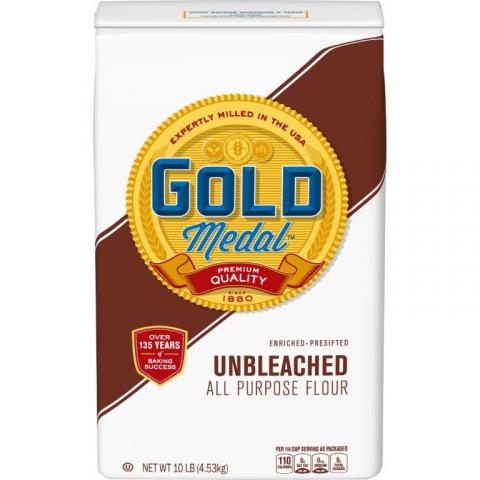
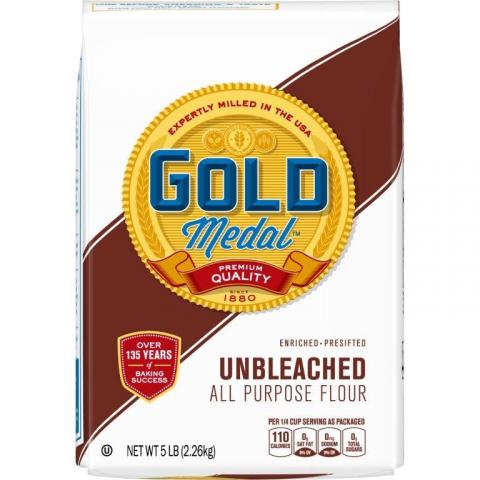
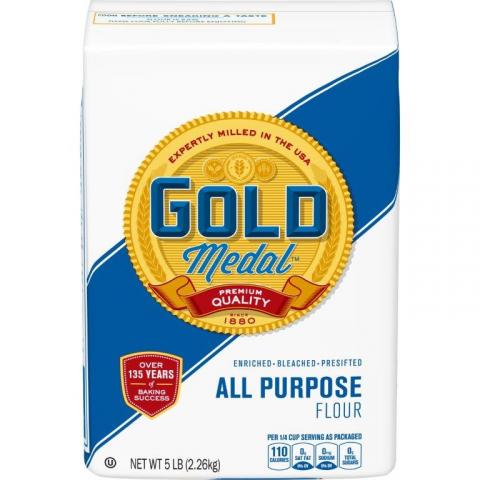
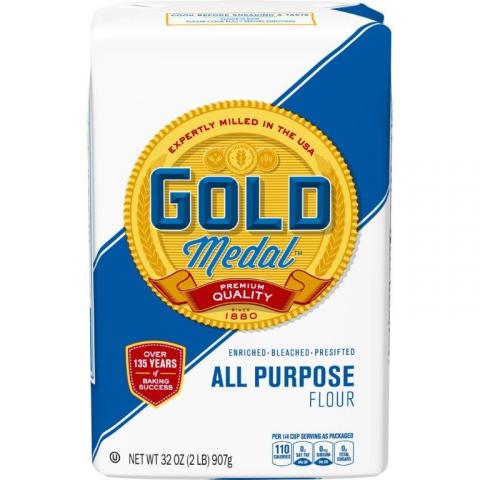
MINNEAPOLIS (April 28, 2023) – General Mills today announced a voluntary national recall of two-, five- and 10-pound bags of its Gold Medal Unbleached and Bleached All Purpose Flour with a “better if used by” date of March 27, 2024, and March 28, 2024. The recall is being issued for the potential presence of Salmonella Infantis,which was discovered during sampling of the five-pound bag product.
This recall affects two date codes of Gold Medal Unbleached All Purpose Flour in the five- and ten pound bags and two date codes of Gold Medal Bleached All Purpose Flour in the two- and five-pound bags. All other types of Gold Medal Flour are not affected by this recall.
Consumers are asked to check their pantries and dispose of the product affected by this recall. Consumers who have had to discard products covered by this recall may contact General Mills Consumer Relations at 1-800-230-8103.
Guidance from the Food and Drug Administration(FDA) and the Centers for Disease Control(CDC) warn that consumers should refrain from consuming any raw products made with flour. Salmonella Infantisis killed by heat through baking, frying, sautéing or boiling products made with flour. All surfaces, hands and utensils should be properly cleaned after contact with flour or dough.
This voluntary recall includes the following code dates currently in stores or consumers’ pantries:
Gold Medal Unbleached All Purpose 5LB Flour
Package UPC
000-16000-19610
Recalled Better if Used by Date
27MAR2024 and 28MAR2024
Gold Medal Unbleached All Purpose 10LB Flour
Package UPC
000-16000-19580
Recalled Better if Used by Date
27MAR2024 and 28MAR2024
Gold Medal Bleached All Purpose 2LB Flour
Package UPC
000-16000-10710
Recalled Better if Used by Date
27MAR2024 and 28MAR2024
Gold Medal Bleached All Purpose 5LB Flour
Package UPC
000-16000-10610
Recalled Better if Used by Date
27MAR2024 and 28MAR2024
Healthy persons infected with Salmonella Infantis, a bacteria, often experience nausea, diarrhea, fever and abdominal pains. The CDC estimates there are 1.2 million cases annually in the U.S. Typically, symptoms start within six hours to six days after infection and last four to seven days. Any consumers concerned about an illness should contact a physician.
About General Mills
General Mills makes the food the world loves. The company is guided by its Accelerate strategy to drive shareholder value by boldly building its brands, relentlessly innovating, unleashing its scale, and standing for good. Its portfolio of beloved brands includes household names such as Cheerios, Nature Valley, Blue Buffalo, Haagen-Dazs, Old El Paso, Pillsbury, Betty Crocker, Yoplait, Annie’s, Wanchai Ferry, Yoki, and more. Headquartered in Minneapolis, Minnesota, General Mills generated fiscal 2022 net sales of $19.0 billion. In addition, the company’s share of non-consolidated joint venture net sales totaled $1.1 billion.



 FoodWorld