Category Archives: mold

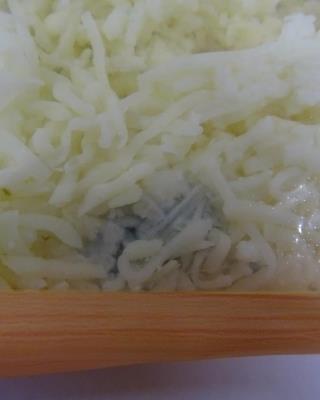
Czech Republic – Pilos Eidam grated, 200g – Visible Mold/Mould

Potravinynapranyri

Illustrative photo #4

Place of inspection:
Veselí nad Moravou ( class Masarykova 170, 698 01 Veselí nad Moravou )
ID: 26178541
Food group: Milk and milk products Cheese

Pilos Eidam grated, 200g
Category: Dangerous foods
Invalid parameter:

fungi visible to the eye

In some of the inspected packages, the occurrence of mold was detected on the food under the intact packaging. Food is not considered safe if it shows signs of spoilage.

Unsuitable storage temperatures of this product were not detected during the inspection. The food did not have an expired minimum durability date.

Batch: DMT: 12/01/2024
Best before date: 12/01/2024
Packaging: plastic bag printed, sealed
Quantity of the product in the package: 200 g
Manufacturer: Milchwerke Oberfranken West eG, Sulzdorfer Straße 7, 96484 Meeder, Germany
Date of sample collection: 12/12/2023
Reference number: 24-000056-SZPI-CZ
The sample was detected by the official control of the State Agricultural and Food Inspection.

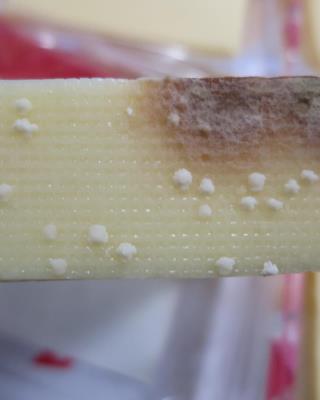
Czech Republic – K CLASSIC fine-aromatischer Edamer am Stück – Visible Mould/Mold

Potravinynapranyri

Illustrative photo #5

Place of inspection:
Brno ( Řípská 1476/27, 627 00 Brno )
ID: 25110161
Food group: Milk and milk products Cheese

K CLASSIC fine-aromatischer Edamer am Stück
Category: Dangerous foods
Invalid parameter:

fungi visible to the eye

In some of the inspected packages, mold colonies were present on the surface of the cheese under the intact packaging. Food is not considered safe if it shows signs of spoilage.

Unsuitable storage temperatures of this product were not detected during the inspection. The food did not have an expired minimum durability date.

Best before date: 07/02/2024
Packaging: PET/PE
Quantity of the product in the package: 0.25 kg
Distributor: supplier: Milkpol spol. sro, Reinerova 1657/23, 163 00, Prague 6
Country of origin:  Czechia
Date of sample collection: 20/12/2023
Reference number: 24-000055-SZPI-CZ
The sample was detected by the official control of the State Agricultural and Food Inspection.

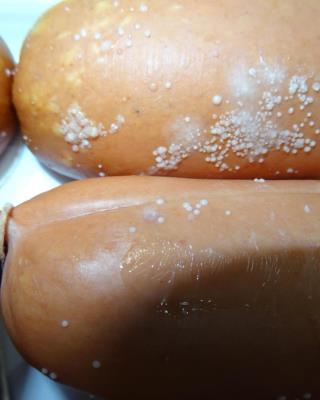
Czech Republic – MÚÚÚ FARMERS SPECÁCKY 600 g, HEAT PROCESSED MEAT PRODUCT – Visible Mould/Mold

Potravinynapranyri

Illustrative photo #4

Place of inspection:
Doksy ( Zámecká 186, 47201 Doksy )
ID: 26178541
Food group: Meat and meat products Heat-treated perishable products

MÚÚÚ FARMERS SPECÁCKY 600 g, HEAT PROCESSED MEAT PRODUCT
Category: Dangerous foods
Invalid parameter:

fungi visible to the eye
surface appearance

Colonies of mold were present on the surface of the food under the intact packaging. Food is not considered safe if it shows signs of spoilage. 

Unsuitable storage temperatures of this product were not detected during the inspection. The food did not have an expiration date.

Batch: L590060126
Expiration date: 14/12/2023
Packaging: PE tub with pap. data label
Quantity of the product in the package: 600 g
Manufacturer: MASO UZENINY PÍSEK, as, Novodvorská 1062/12, 142 00 Prague 4
Country of origin:  Czechia
Date of sample collection: 12/12/2023
Reference number: 24-000054-SZPI-CZ
The sample was detected by the official control of the State Agricultural and Food Inspection.

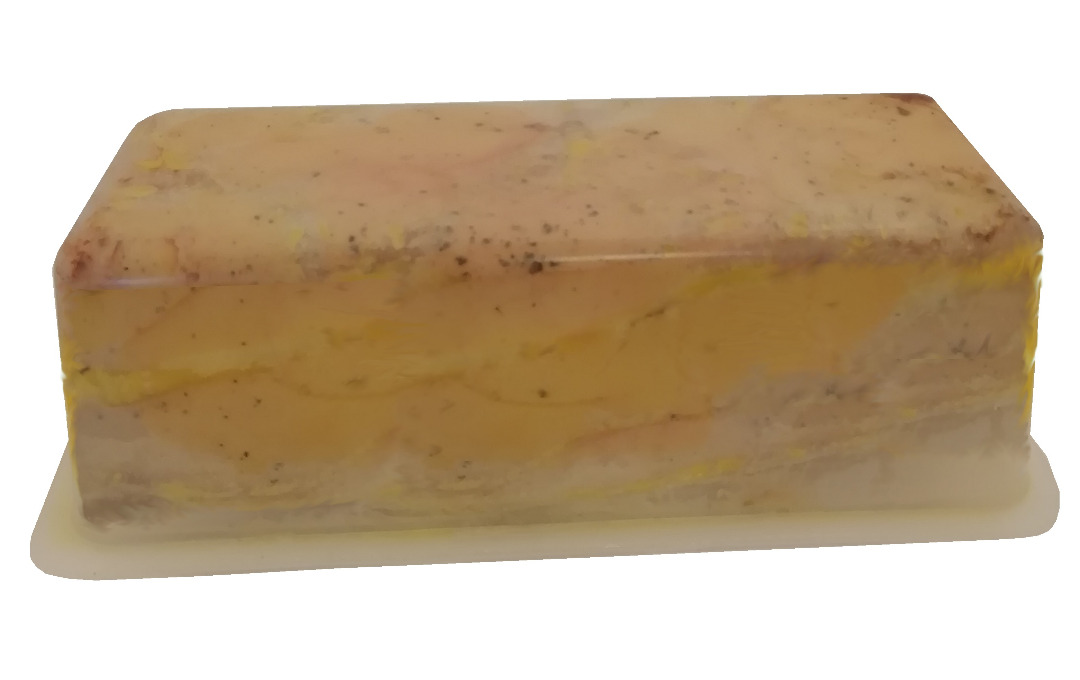
France – Semi-cooked foie gras 950g tray – Mold/Mould

Gov France

Product category
Food
Product subcategory
Others
Product brand name
Secret d’Eleveurs / Les Halles Occitanes / Unbranded
Model names or references
Semi-cooked foie gras 950g tray
Product identification
Batch Date
23279055 Use-by date 03/04/2024
23306037 Use-by date 04/30/2024
Packaging
Tray
Start/end date of marketing
From 10/11/2023 to 01/26/2024
Storage temperature
Product to keep in the refrigerator
Health mark
FR 81.120.005 CE
Geographical sales area
Whole France
Distributors
See Attachment
List of points of sale
23279055_-_23306037.pdf

Research- Monitoring of Animal Feed Contamination by Mycotoxins: Results of Five Years of Official Control by an Accredited Italian Laboratory

MDPI

Abstract

Mycotoxin contamination of animal feed is a complex issue in both animal wellness and food safety. The most diffused mycotoxins subject to the official control of animal feed are Aflatoxin B1 (AF), Zearalenone (ZEA), Deoxynivalenol (DON), Ochratoxin A (OCRA), Fumonisins (FUMO), and T-2/HT-2 toxins. This work describes the results of five years of monitoring focused on the evaluation of mycotoxin contamination of animal feed. Analytical determinations were carried out by means of accredited ELISA. The obtained results showed a non-alarming scenario, with several samples resulting as “non-compliant” according to the Maximum Residue Limits (MRLs) set in European Regulation No. 574/2011. Out of 722 analyzed samples coming from 2 Italian regions, Apulia and Basilicata, 14 samples were characterized by mycotoxin concentrations higher than related MRL; in particular, 5, 4, and 5 non-compliant samples for DON, AF, and ZEA, respectively. This study also evaluated the possible correlations between mycotoxin type and feed use with a special focus on animal sensitivity to mycotoxins.

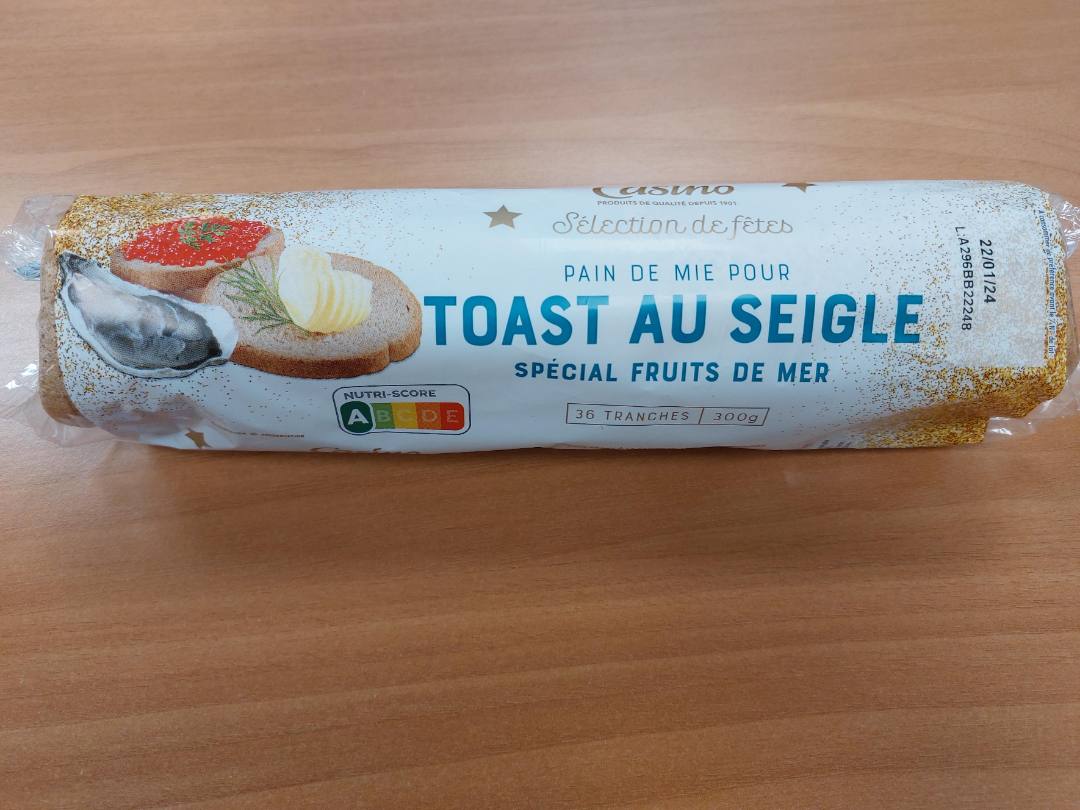
France – Sliced ​​bread for Rye Toast 300g CASINO – Mycotoxins

Gov France

Product category
Food
Product subcategory
Cereals and bakery products
Product brand name
CASINO
Model names or references
Sliced ​​bread for Rye Toast 300g CASINO
Product identification
GTIN Batch Date
3222477758353 A296BB Minimum durability date 01/22/2024
Start/end date of marketing
From 04/11/2023 to 06/12/2023
Storage temperature
Product to be stored at room temperature
Geographical sales area
Whole France
Distributors
CASINO, VIVAL, SPAR and Casino distribution networks

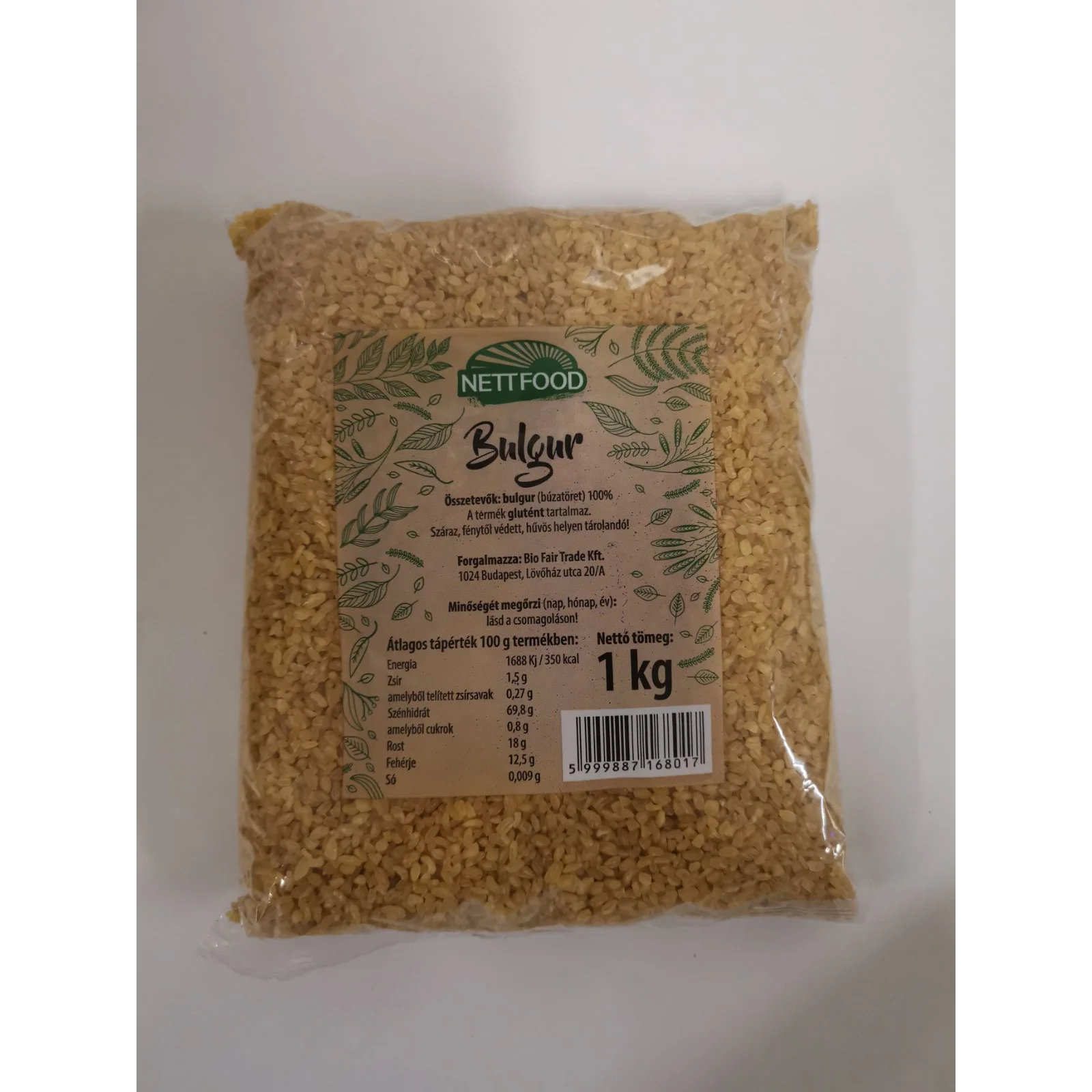
Hungary – Nett Food Bulgur, 1 kg – Mycotoxin – DON – Deoxynivalenol

Nebih

Date 2024-01-16
Name of Product Nett Food Bulgur, 1 kg
Nature of the problem Mycotoxin (DON – deoxynivalenol) content exceeding the limit value
DetailsNébih asks customers not to consume the product that matches the identification data below!

Notifier: Bio Fair Trade Kft.

Product name: Nett Food Bulgur, 1 kg

Brand: NETTFOOD

Product origin: Ukraine

Picture of the product:

Nett Food Bulgur, 1 kg

Nature of the problem: Mycotoxin (DON – deoxynivalenol) content exceeding the limit value

Quality retention times: 

• 01.07.2024.
• 01.08.2024. 
• 08.05.2024.

Packaging: 1 kg

Manufacturer: Bio Fair Trade Kft.

Distributor: Bio Fair Trade Kft.

Action: Product recall

Bio Fair Trade Kft. informed its customers about the recall on its website . 

The affected product can be returned to any Auchan store, and the full purchase price of the product will be refunded.

You can read more about the nature of the problem here .

The product recall only applies to the product identified by the above data.

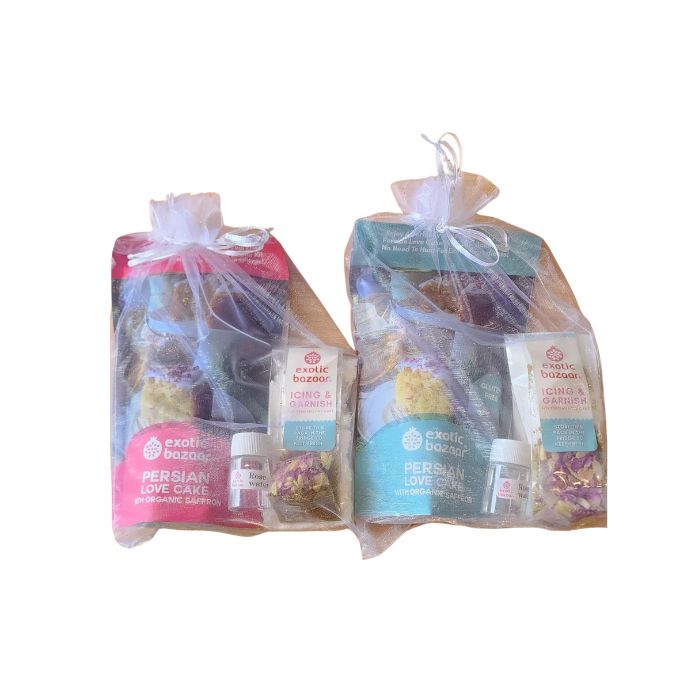
Australia – Exotic Bazaar- Persian Love Cake Baking Kit- Original and Gluten Free 420g – Mold/Mould

FSANZ

Persian Love Cake Image Food Recall

Exotic Bazaar is conducting a recall of the above products. The products have been available for sale at their online store nationally.

Date Marking: Best Before July 2024

Problem:

The recall is due to Mould growth found in the 15ml rosewater bottle.

Food safety hazard:

microbial contamination (mould)

What to do:

Consumers should not drink or open this product and should dispose of it safely. Please contact Exotic Bazaar for safe disposal instructions and reimbursement. Any consumers concerned about their health should seek medical advice.

For further information:

Exotic Bazaar

hello@exoticbazaar.com.au

ExoticBazaar.com.au

Related Links:

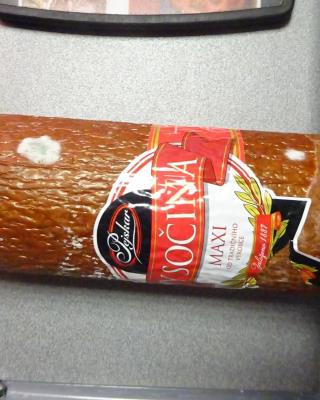
Czech Republic – Pejskar VYSOCINA XXL – Visible Mold/Mould

Potravinynapranyri

Illustrative photo #3

Place of inspection:
Frýdlant ( Cooperative registered office no. 1083/45, 464 01 Frýdlant )
ID: 64651592
Food group: Meat and meat products Durable meat products

Pejskar VYSOCINA XXL
Category: Dangerous foods
Invalid parameter:

fungi visible to the eye

There were colonies of mold on the surface of the food. Food is not considered safe if it shows signs of spoilage.

The sample was taken from the loaded package. The product did not have an expiration date. Unsuitable storage temperatures for this food were not detected during the inspection.

Batch: L72281
Expiration date: 20.01.24
Quantity of the product in the package: 1.6 kg
Manufacturer: PEJSKAR & spol. s ro, Kostelecká 894/61, 196 00 Prague 9 – Čakovice
Distributor: PEJSKAR & spol. s ro, Kostelecká 894/61, 196 00 Prague 9 – Čakovice
Country of origin:  Czechia
Date of sample collection: 4/12/2023
Reference number: 24-000022-SZPI-CZ
The sample was detected by the official control of the State Agricultural and Food Inspection.

Research – Food Safety Aspects of Breeding Maize to Multi-Resistance against the Major (Fusarium graminearum, F. verticillioides, Aspergillus flavus) and Minor Toxigenic Fungi (Fusarium spp.) as Well as to Toxin Accumulation, Trends, and Solutions—A Review

MDPI

Abstract

Maize is the crop which is most commonly exposed to toxigenic fungi that produce many toxins that are harmful to humans and animals alike. Preharvest grain yield loss, preharvest toxin contamination (at harvest), and storage loss are estimated to be between 220 and 265 million metric tons. In the past ten years, the preharvest mycotoxin damage was stable or increased mainly in aflatoxin and fumonisins. The presence of multiple toxins is characteristic. The few breeding programs concentrate on one of the three main toxigenic fungi. About 90% of the experiments except AFB1 rarely test toxin contamination. As disease resistance and resistance to toxin contamination often differ in regard to F. graminearumF. verticillioides, and A. flavus and their toxins, it is not possible to make a food safety evaluation according to symptom severity alone. The inheritance of the resistance is polygenic, often mixed with epistatic and additive effects, but only a minor part of their phenotypic variation can be explained. All tests are made by a single inoculum (pure isolate or mixture). Genotype ranking differs between isolates and according to aggressiveness level; therefore, the reliability of such resistance data is often problematic. Silk channel inoculation often causes lower ear rot severity than we find in kernel resistance tests. These explain the slow progress and raise skepticism towards resistance breeding. On the other hand, during genetic research, several effective putative resistance genes were identified, and some overlapped with known QTLs. QTLs were identified as securing specific or general resistance to different toxicogenic species. Hybrids were identified with good disease and toxin resistance to the three toxigenic species. Resistance and toxin differences were often tenfold or higher, allowing for the introduction of the resistance and resistance to toxin accumulation tests in the variety testing and the evaluation of the food safety risks of the hybrids within 2–3 years. Beyond this, resistance breeding programs and genetic investigations (QTL-analyses, GWAM tests, etc.) can be improved. All other research may use it with success, where artificial inoculation is necessary. The multi-toxin data reveal more toxins than we can treat now. Their control is not solved. As limits for nonregulated toxins can be introduced, or the existing regulations can be made to be stricter, the research should start. We should mention that a higher resistance to F. verticillioides and A. flavus can be very useful to balance the detrimental effect of hotter and dryer seasons on aflatoxin and fumonisin contamination. This is a new aspect to secure food and feed safety under otherwise damaging climatic conditions. The more resistant hybrids are to the three main agents, the more likely we are to reduce the toxin losses mentioned by about 50% or higher.