Category Archives: Microbiology

USA – Tesoros Trading Company Recalls Product Because of Possible Health Risk – Listeria monocytogenes

FDA

Tesoros Trading Co. from Las Vegas, NV is recalling certain codes of frozen “Trader Joe’s Lightly Salted Edamame” because they have the potential to be contaminated with Listeria monocytogenes, an organism which can cause serious and sometimes fatal infections in young children, frail or elderly people, and others with weakened immune systems. Although healthy individuals may suffer only short-term symptoms such as high fever, severe headache, stiffness, nausea, abdominal pain and diarrhea, Listeria infection can cause miscarriages and stillbirths among pregnant women.

The recalled “Trader Joe’s Lightly Salted Edamame” were sold at Trader Joe’s retail stores only in the Arizona, Southern California, Southern Nevada, and Utah regions. All affected product has been removed from sale and destroyed.

The product comes in a 16 ounce plastic package and is stamped on the back bottom portion of the package with lots:

22LA102 M
or
22LA102 N
or
22LA102 P

The company has removed the affected lots from distribution as the FDA and the company continue to investigate the source of the problem.

Consumers who have purchased 16 ounce packages of “Trader Joe’s Lightly Salted Edamame” with the affected codes are urged to return them to the place of purchase for a full refund. Consumers with questions may contact the company at (702)706-5263 Monday-Friday 8am – 4:30pm PST.


Company Contact Information

Consumers:
 (702)706-5263

Product Photos

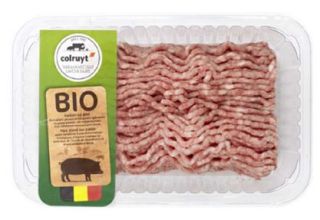
Luxembourg – COLRUYT ORGANIC PORK MINCE -Salmonella

SAP

Last name Organic minced pork
Mark Colruyt
Unit 400 g
Article number 17968
Best before date (DLC) 12/18/2020
Sale period from 12/9/2020 to 12/15/2020 included

Danger  : Presence of Salmonella

Salmonella can cause symptoms such as nausea, vomiting, abdominal cramps, diarrhea, fever and headache within 6 to 72 hours after consumption. These symptoms may be aggravated in young children, immunocompromised individuals and the elderly. People who have consumed these products and who present these symptoms are advised to consult a doctor, notifying him of this consumption.

Sale in Luxembourg by: Colruyt

Information source: Colruyt recall notification

USA – Estimate of Burden and Direct Healthcare Cost of Infectious Waterborne Disease in the United States

CDC

Provision of safe drinking water in the United States is a great public health achievement. However, new waterborne disease challenges have emerged (e.g., aging infrastructure, chlorine-tolerant and biofilm-related pathogens, increased recreational water use). Comprehensive estimates of the health burden for all water exposure routes (ingestion, contact, inhalation) and sources (drinking, recreational, environmental) are needed. We estimated total illnesses, emergency department (ED) visits, hospitalizations, deaths, and direct healthcare costs for 17 waterborne infectious diseases. About 7.15 million waterborne illnesses occur annually (95% credible interval [CrI] 3.88 million–12.0 million), results in 601,000 ED visits (95% CrI 364,000–866,000), 118,000 hospitalizations (95% CrI 86,800–150,000), and 6,630 deaths (95% CrI 4,520–8,870) and incurring US $3.33 billion (95% CrI 1.37 billion–8.77 billion) in direct healthcare costs. Otitis externa and norovirus infection were the most common illnesses. Most hospitalizations and deaths were caused by biofilm-associated pathogens (nontuberculous mycobacteria, PseudomonasLegionella), costing US $2.39 billion annually.

At the beginning of the 20th century, diseases commonly transmitted by water, such as cholera and typhoid, were major causes of death in the United States (1). Reliable provision of treated, safe drinking water dramatically reduced the burden of these diseases and has been recognized as one of the greatest public health achievements of the 20th century (2). Despite this achievement, waterborne disease in the United States persists (35).

In the United States, outbreaks associated with large public drinking water systems have sharply declined in the past 40 years (3,6), likely the result of improvements in regulation and operation. However, transmission of disease via drinking water systems still occurs, often attributable to aging infrastructure, operational challenges, and the private or unregulated water systems (e.g., private wells) that serve an estimated 43 million persons (7). At the same time, the complexity and scope of water use has increased; drinking, sanitation, hygiene, cooling, and heating needs are supported by 6 million miles of plumbing inside US buildings (i.e., premise plumbing) (8,9). Premise plumbing water quality can be compromised by long water residency times, reduced disinfectant levels, and inadequate hot water temperatures, creating environments where pathogens (e.g., nontuberculous mycobacteria [NTM], Pseudomonas, and Legionella) can amplify in biofilms (10). People can be exposed to these pathogens through contact, ingestion, or inhalation of aerosols (e.g., from showerheads, building cooling towers, or decorative fountains).

As leisure time has increased, swimming pools, waterparks, water playgrounds, and hot tubs have proliferated (5). These venues rely largely on chlorination as the major barrier against disease transmission. Cryptosporidium has emerged as the major cause of outbreaks associated with treated aquatic venues because it is extremely chlorine resistant and has a low infectious dose (5,11,12). Warmer oceans have led to Vibrio-associated wound infections farther north than previously documented (13).

Estimates of the overall burden of foodborne disease in the United States, including both known and unknown agents, have been useful in directing prevention activities and setting public health goals (14,15). Quantifying the burden of infectious waterborne disease in the United States would also be beneficial.

Previous studies have attempted to estimate the burden of gastrointestinal illness (16,17) or all illness associated with drinking water (18) and untreated recreational water (19) in the United States, but the burden of disease from all water sources (drinking, recreational, environmental) and exposure routes (ingestion, contact, inhalation) has not been estimated. We present an estimate of the burden of waterborne disease in the United States that includes gastrointestinal, respiratory, and systemic disease; accounts for underdiagnosis; and includes all water sources and exposure routes.

Research – Assessing Food Safety Practices Among Texas Small Growers

Journal of Food Protection

This could be applied to many small growers all over the world.

This study aimed to assess current food safety gaps among small growers in Texas to identify key areas of focus for potential education and training materials for these stakeholders. Small growers earn ≤$25,000 in annual sales over a 3-year period and have an average food sale of less than $500,000. To this end, a survey tool was designed to determine the gaps in small farm growers’ food safety knowledge. A total of 29 questions were disseminated to participants at fruit and vegetable conference. The questions included topics such as food safety practices and perceptions, and current and past food safety training experiences. Data from 70 growers was collected and analyzed and the results demonstrated that more than 34% of growers use manure and 51% have domestic animals on the farm premises. Even though more than 51% of participants use bare hands for harvesting, 39% of growers do not provide handwashing facilities for workers, and 46% of the growers do not provide toilet facilities for their workers. Only 25% of the growers surveyed have access to food safety training materials for their employees. The results also showed that 21% of participants have previous food safety training. Furthermore, half of the growers surveyed used soil amendments and approximately 87% did not test irrigation water. About 30% of growers believe that organic produce is safer than conventional produce and 37% believe that organically grown produce has fewer harmful bacteria. Also, > 41% of participants could not recognize the difference between hydroponically grown produce and conventional systems. The results indicated specific areas of opportunity, gaps in resources needed by growers, and lack of food safety training materials. The results of this study will help in the design of targeted and specific food safety training materials for small growers.


Canada – Updated Food Recall Warning – Certain Compliments brand and Levitts brand deli meat products recalled due to Listeria monocytogenes

CFIA

Recall details

Ottawa, December 15, 2020 – The food recall warning issued on December 7, 2020 has been updated to include additional product information. This additional information was identified during the Canadian Food Inspection Agency’s (CFIA) food safety investigation.

Levitts Foods (Canada) Inc. is recalling certain Compliments brand and Levitts brand deli meat products from the marketplace due to possible Listeria monocytogenes contamination. Consumers should not consume the recalled products described below.

Recalled product

Brand Product Size UPC Codes
Compliments Montreal-Style Smoked Meat 175 g 0 68820 13357 5 BEST BEFORE 2021JA20
EST 48
Levitts Corned Beef 150 g 8 82756 72084 1 BEST BEFORE 2021JA20
EST 48
Levitts New York Style Pastrami 150 g 8 82756 73084 0 BEST BEFORE 2021JA20
EST 48

What you should do

If you think you became sick from consuming a recalled product, call your doctor.

Background

This recall was triggered by CFIA test results. The CFIA is conducting a food safety investigation, which may lead to the recall of other products. If other high-risk products are recalled, the CFIA will notify the public through updated Food Recall Warnings.

The CFIA is verifying that industry is removing the recalled products from the marketplace.

Illnesses

There have been no reported illnesses associated with the consumption of these products. However, there has been one reported illness that may be associated with the consumption of the products included in the Food Recall Warning of December 7, 2020.

Product photos

Printer ready version of photos

  • Compliments – Montreal Style Smoked Meat – 175 grams
  • Levitts – Corned Beef – 150 grams
  • Levitts – New York Style Pastrami – 150 grams

Public enquiries and media

Company information
Levitts Foods (Canada) Inc.: Simon Larochelle, 514-367-1654
Public enquiries
Toll-free: 1-800-442-2342 (Canada and U.S.)
Telephone: 1-613-773-2342 (local or international)
Email: cfia.enquiries-demandederenseignements.acia@canada.ca
Media relations
Telephone: 613-773-6600
Email: cfia.media.acia@canada.ca

South Africa – Father shares how life changed after son’s Listeria infection

Food Safety News

The father of a boy who fell sick during the Listeria outbreak in South Africa in 2017 and 2018 has told how the family is still dealing with the consequences.

James Nsayi is now 5 years old. He was diagnosed with listeriosis during the outbreak and suffers from epilepsy.

The outbreak was linked to ready-to-eat (RTE) meat products and caused at least 1,050 illnesses and 218 deaths. It was traced in March 2018 to an RTE processed meat product called polony made at a factory in Polokwane run by Enterprise Foods, then owned by Tiger Brands. In August this year, Tiger Brands agreed to sell its processed meats division, which includes Enterprise Foods.

Mario Nsayi, James’s father, said before becoming sick the youngster never had a problem with health and was a normal child.

Venuzuela – Nearly 250 sick in Venezuelan Salmonella outbreak

Food Safety News

kswfoodworld Salmonella

A state in Venezuela has reported a Salmonella outbreak with almost 250 people affected.

The Anzoatiguense Institute of Health (Saludanz) has recorded a significant increase in cases of salmonellosis during the past month in the state of Bolívar. So far, there have been no deaths.

Omar Aray, president of the health agency, said 240 children and adults had been affected and seen at different health centers.

The Campo Claro, Barrio Sucre, El Espejo, Guamachito, Las Casitas, Barrio Corea, Buenos Aires and Brisas del Mar regions had the highest number of reports.

USA – Cannibal Sandwiches: Wisconsin officials advise against this holiday tradition.

Outbreak News Today

The Wisconsin Department of Health Services (DHS) reminded the public to abstain from the state holiday tradition– eating raw meat sandwiches, sometimes called Tiger Meat or Cannibal Sandwiches.

What is a cannibal sandwich?

A cannibal sandwich or Tiger meat sandwich is by definition, raw ground beef typically served on rye bread or crackers with onions. Occasionally, a raw egg will be mixed with the meat. It is a traditional winter holiday specialty in certain regions of the upper Midwest.

Health officials say there are foodborne illness risks with eating raw meat like ground beef like SalmonellaE. coli O157:H7, Campylobacter and Listeria and it doesn’t matter where you buy the meat.

Since 1986, eight outbreaks have been reported in Wisconsin linked to eating a raw ground beef dish, including a large Salmonella outbreak involving more than 150 people during December 1994. Ground beef should ALWAYS be cooked to an internal temperature of 160° F.

Research – Virulence Characterization of Listeria monocytogenes, Listeria innocua, and Listeria welshimeri Isolated from Fish and Shrimp Using In Vivo Early Zebrafish Larvae Models and Molecular Study

MDPI

Listeriosis is one of the most notable foodborne diseases and is characterized by high rates of mortality. L. monocytogenes is the main cause of human listeriosis outbreaks, however, there are isolated cases of disease caused by other species of the genus Listeria. The aim of this study was to evaluate strains of L. monocytogenes (n = 7), L. innocua (n = 6), and L. welshimeri (n = 2) isolated from fish and shrimps for their virulence based on the presence of virulence genes and the in vivo Danio rerio (zebrafish) larvae models. A total of 15 strains were analyzed. The zebrafish larvae model showed that the larvae injected with L. monocytogenes strains were characterized by the lowest survival rate (46.5%), followed by L. innocua strains (64.2%) and L. welshimeri (83.0%) strains. Multiplex PCRs were used for detection of selected virulence genes (luxS, actA2, prfA, inlB, rrn, iapsigB, plcB, actA, hlyA), the majority of which were present in L. monocytogenes. Only a few virulence-related genes were found in L. welshimeri, however, no correlation between the occurrence of these genes and larval survival was confirmed. This research highlights the importance of the potential impact that Listeria spp. strains isolated from fish and shrimps may have on consumers. View Full-Text

Research – Impacts of Wet Market Modernization Levels and Hygiene Practices on the Microbiome and Microbial Safety of Wooden Cutting Boards in Hong Kong

MDPI

Accessing food through wet markets is a common global daily occurrence, where fresh meat can be purchased to support an urbanizing world population. Similar to the wet markets in many other metropolitan cities in Asia, Hong Kong wet markets vary and are characterized by differing hygiene routines and access to essential modern technologies. The lack of risk assessments of food contact surfaces in these markets has led to substantial gaps in food safety knowledge and information that could help improve and maintain public health. Microbial profiling analyses were conducted on cutting boards that had been used to process pork, poultry, and seafood at 11 different wet markets. The markets differed in hygiene protocols and access to modern facilities. Irrespective of whether wet markets have access of modern infrastructure, the hygiene practices were largely found to be inefficient based on the prevalence of bacterial species typically associated with foodborne pathogens such as Campylobacter fetusClostridium perfringensStaphylococcus aureus, and Vibrio parahaemolyticus; indicator organisms such as Escherichia coli; as well as nonfoodborne pathogenic bacterial species potentially associated with nosocomial infections, such as Klebsiella pneumoniae and Enterobacter cloacae. Other Vibrio species, V. parahaemolyticus and V. vulnificus, typically associated with contaminated raw or undercooked seafood with the potential to cause illness in humans, were also found on wooden cutting boards. This study indicated that the hygienic practices used in Hong Kong wet markets are not sufficient for preventing the establishment of spoilage or pathogenic organisms. This study serves as a basis to review current hygiene practices in wet markets and provides a framework to reassess existing safety protocols.