Category Archives: Microbiology

Research -Evidence of on-going transmission of Shiga toxin-producing Escherichia coli O157:H7 following a foodborne outbreak

Cambridge Org

In August 2019, public health surveillance systems in Scotland and England identified seven, geographically dispersed cases infected with the same strain (defined as isolates that fell within the same five single nucleotide polymorphism single linage cluster) of Shiga toxin-producing Escherichia coli O157:H7. Epidemiological analysis of enhanced surveillance questionnaire data identified handling raw beef and shopping from the same national retailer (retailer A) as the common exposure. Concurrently, a microbiological survey of minced beef at retail identified the same strain in a sample of minced beef sold by retailer A, providing microbiological evidence of the link. Between September and November 2019, a further four primary and two secondary cases infected with the same strain were identified; two cases developed haemolytic uraemic syndrome. None of the four primary cases reported consumption of beef from retailer A and the transmission route of these subsequent cases was not identified, although all four primary cases visited the same petting farm. Generally, outbreaks of STEC O157:H7 in the UK appear to be distinct, short-lived events; however, on-going transmission linked to contaminated food, animals or environmental exposures and person-to-person contact do occur. Although outbreaks of STEC caused by contaminated fresh produce are increasingly common, undercooked meat products remain a risk of infection.

Research – Use of Oxidative Stress Responses to Determine the Efficacy of Inactivation Treatments on Cryptosporidium Oocysts

MDPI

crypto

Cryptosporidium oocysts are known for being very robust, and their prolonged survival in the environment has resulted in outbreaks of cryptosporidiosis associated with the consumption of contaminated water or food. Although inactivation methods used for drinking water treatment, such as UV irradiation, can inactivate Cryptosporidium oocysts, they are not necessarily suitable for use with other environmental matrices, such as food. In order to identify alternative ways to inactivate Cryptosporidium oocysts, improved methods for viability assessment are needed. Here we describe a proof of concept for a novel approach for determining how effective inactivation treatments are at killing pathogens, such as the parasite Cryptosporidium. RNA sequencing was used to identify potential up-regulated target genes induced by oxidative stress, and a reverse transcription quantitative PCR (RT-qPCR) protocol was developed to assess their up-regulation following exposure to different induction treatments. Accordingly, RT-qPCR protocols targeting thioredoxin and Cryptosporidium oocyst wall protein 7 (COWP7) genes were evaluated on mixtures of viable and inactivated oocysts, and on oocysts subjected to various potential inactivation treatments such as freezing and chlorination. The results from the present proof-of-concept experiments indicate that this could be a useful tool in efforts towards assessing potential technologies for inactivating Cryptosporidium in different environmental matrices. Furthermore, this approach could also be used for similar investigations with other pathogens. View Full-Text

RASFF Alerts – Animal Feed – Salmonella – Fish Meal – MSM Chicken – MDM Rabbit – Pig Ear Dog Chews

RASFF

Salmonella typhimurium in dog chews (pig ears) from Germany in Iceland.

RASFF

Salmonella in frozen mechanically separated (MSM) chicken meat cat 3 from the Netherlands in Belgium

RASFF

Salmonella in rabbit mechanically deboned meat (MDM) cat 3 from Denmark in Belgium

RASFF

Salmonella in fish meal from Morocco in Spain

Research – FAO’s work on food safety and quality

FAO

With an estimated 600 million cases of foodborne illnesses annually, unsafe food is a threat to human health and economies globally. Therefore, ensuring food safety is a public health priority and an essential step to achieving food security. Effective food safety and quality control systems are key not only to safeguarding the health and well-being of people, but also to fostering economic development and improving livelihoods by promoting access to domestic, regional and international markets.

The Food Safety and Quality Unit supports the strengthening of systems of food safety and quality control at national, regional and international levels. This involves:

  • Strengthening national food control regulatory capacities and global trade facilitation by providing leadership in supporting countries in the assessment and progressive development of food control systems, including food safety policy and food control regulatory frameworks;
  • Supporting development of institutional and individual capacities for food control and food safety management, including the management of food safety emergencies;
  • Supporting science-based food safety governance and decisions by providing sound scientific advice (through the JECFA and JEMRA expert bodies) to underpin food safety standards at national, regional and international levels;
  • Enhancing food safety management along food chains to prevent diseases and trade disruptions by supporting developing countries to apply risk-based food safety management along food chains that are appropriate for national and local production systems and in compliance with Codex texts;
  • Providing food safety platforms, databases and mechanisms which support networking, dialogue and global access to information and facilitating effective communication internationally on key food safety issues;
  • Developing food safety intelligence and foresight by becoming a major actor in the collection, analysis and communication of food chain intelligence; and
  • Evaluating new technologies to improve food safety and protect public health.

FAO is a recognized leader in the development of global food safety initiatives and translating these into country level action. The Food Safety and Quality Programme supports an integrated and multidisciplinary approach to food safety management and holistic and feasible “food chain” solutions to specific food safety problems as laid out in FAO’s Strategy for Improving Food Safety Globally. The foundations for this approach are based on science.

FAO’s Food Safety and Quality Unit often works in partnership with national and international bodies and organizations where such partnerships are mutually beneficial and where there is a compatibility of mandate and guiding principles.

A Silver Lining of the Pandemic: Whole-Genome Sequencing and Food Safety

FAO

Zooming out and taking a broader perspective, WGS benefits are particularly visible in microbiology: WGS provides rapid identification and characterization of microorganisms with a level of precision that no tool has ever reached before. Through WGS, specific novel antibiotic targets (resistance genotypes) are being identified in the area of antimicrobial resistance (AMR)studies. It is a significant stepping-stone because more focused surveillance and more targeted diagnostics and drug development are made possible by identifying them and correlating them to the observed phenotypes. The level of detail provided by WGS makes it possible to refine case definitions precisely, which in turn allows for faster investigation of outbreak clusters, thus preventing additional cases of diseases sooner. For example, in 2014, a multinational Salmonella outbreak investigation was conducted in Europe where WGS was used to identify the root cause, and the data collected pointed to some egg farms in a specific location. While WGS was essential in the investigation, it was the international data-sharing efforts that made the investigation successful and conclusive. Another example is the outbreak investigation of Listeria linked to enoki mushrooms in Canada where the specific sequence of the Listeria strain was internationally shared, resulting in successfully tracing the multinational food safety outbreak and the rapid recall of the affected products.

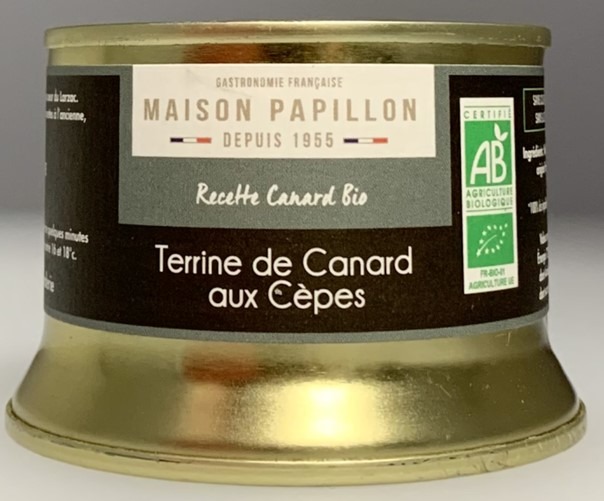
France – Organic Duck Terrine with Ceps – Blown Packs

Gov france

Identifying information for the recalled product

  • Product category Food
  • Product sub-category Meats
  • Product brand name PAPILLON house
  • Names of models or references8207
  • Product identification
    GTIN Lot Dated
    3306111002115 300321C Date of minimum durability 03/29/2025
  • Packaging Preserves
  • Start date / End of marketing From 04/30/2021 to 07/02/2021
  • Storage temperature Product to be stored at room temperature
  • Health markFR12.063.026CE
  • Geographical sales area Whole France
  • Distributors GREEN RELAY

Practical information regarding the recall

  • Reason for recall UNSTABLE CANNED WITH BOMBED LID – ODOR ON OPENING
  • Risks incurred by the consumer Other biological contaminants
  • Consumer behavior Stop consuming
    Return the product to the point of sale
  • Contact number0614564269
  • Compensation modalities Exchange
  • End date of the recall procedure Sunday 30 March 2025

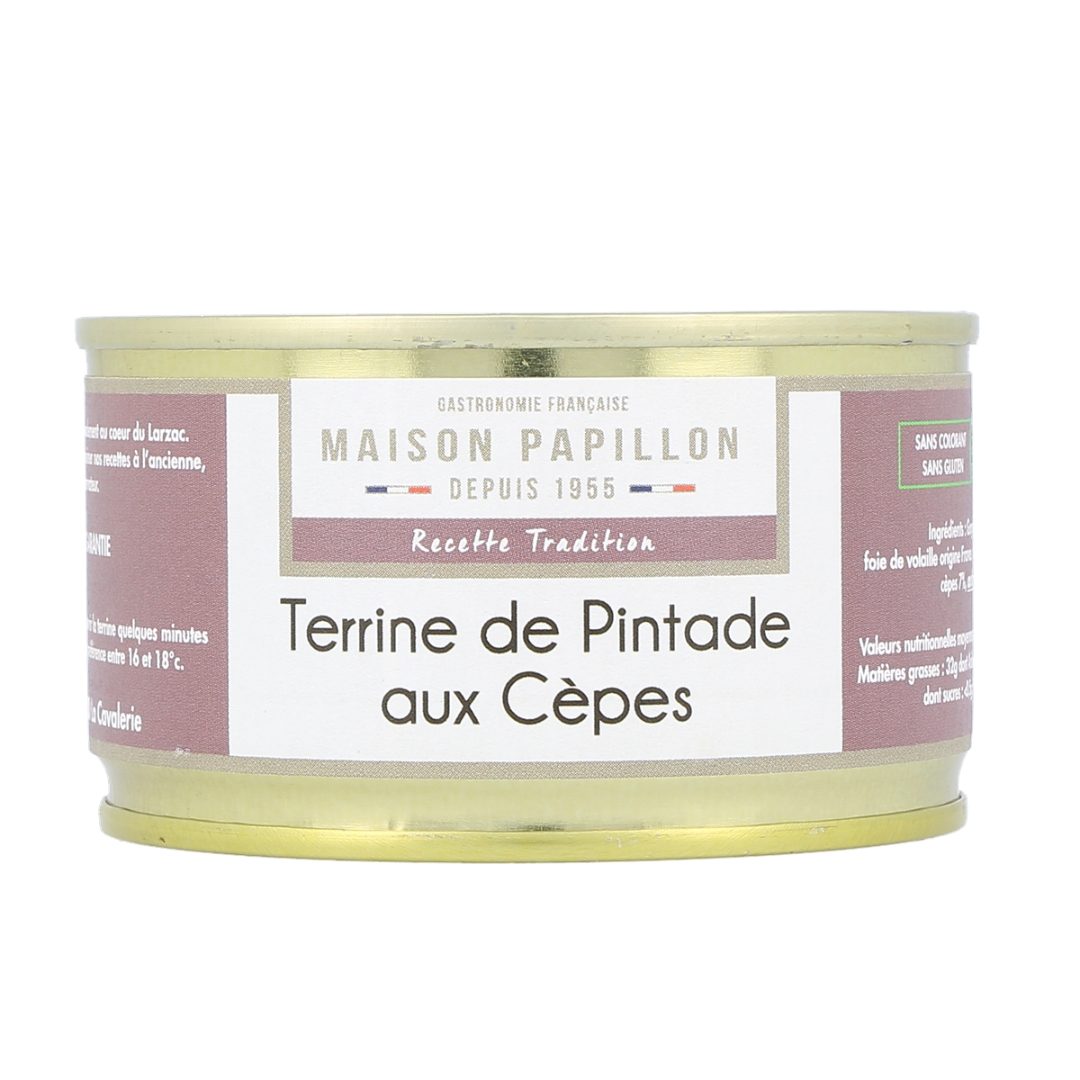
France – Guinea fowl terrine with porcini mushrooms – Blown Cans

Gov france

Identifying information for the recalled product

  • Product category Food
  • Product sub-category Meats
  • Product brand name PAPILLON house
  • Names of models or references1010
  • Product identification
    GTIN Lot Dated
    33061110000104 290321B Date of minimum durability 03/28/2025
  • Packaging Preserves
  • Start date / End of marketing From 04/30/2021 to 07/05/2021
  • Storage temperature Product to be stored at room temperature
  • Health markFR12.063.026CE
  • Geographical sales area Whole France
  • Distributors REGIONAL DISTRIBUTION (12) – ARTIMAT (12) -SUD OUEST DELICES (13) – FROUMAGEIRO (13) – MAGNE (48)

Practical information regarding the recall

  • Reason for recall UNSTABLE CANNED WITH BOMBED LID – ODOR ON OPENING
  • Risks incurred by the consumer Other biological contaminants
  • Consumer behaviour Stop consuming
    Return the product to the point of sale
  • Contact number0565622626
  • Compensation modalities Exchange
  • End date of the recall procedure Sunday 30 March 2025

Canada – Updated Food Recall Warning – Al-Rabih brand Halva / Halawa – with pistachios recalled due to Salmonella

CFIA

Al-Rabih Pistachio Halva/Halawa, 454 gram - Front

Recall details

Ottawa, July 5, 2021 – The food recall warning issued on June 25, 2021 has been updated to include additional product information. This additional information was identified during the Canadian Food Inspection Agency’s (CFIA) food safety investigation.

Phoenicia Group Inc. is recalling Al-Rabih brand Halva / Halawa – with pistachios from the marketplace due to possible Salmonella contamination. Consumers should not consume the recalled product described below.

Recalled product

Brand Product Size UPC Codes
Al-Rabih Halva / Halawa – with pistachios 454 g 7 70338 10057 3 Lot #184 34920
Best before 01/DE/22
Al-Rabih Halva / Halawa – with pistachios 907 g 7 70338 10056 6 Lot #98 19620
Best before 22/JN/25

What you should do

If you think you became sick from consuming a recalled product, call your doctor.

Check to see if you have the recalled product in your home. Recalled products should be thrown out or returned to the store where they were purchased.

Background

This recall was triggered by CFIA test results. The CFIA is conducting a food safety investigation, which may lead to the recall of other products. If other high-risk products are recalled, the CFIA will notify the public through updated Food Recall Warnings.

The CFIA is verifying that industry is removing the recalled product from the marketplace.

Illnesses

There have been no reported illnesses associated with the consumption of this product.

Research – A Review of Significant European Foodborne Outbreaks in the Last Decade

Journal of Food Protection

Vegetable Bacteria Danger

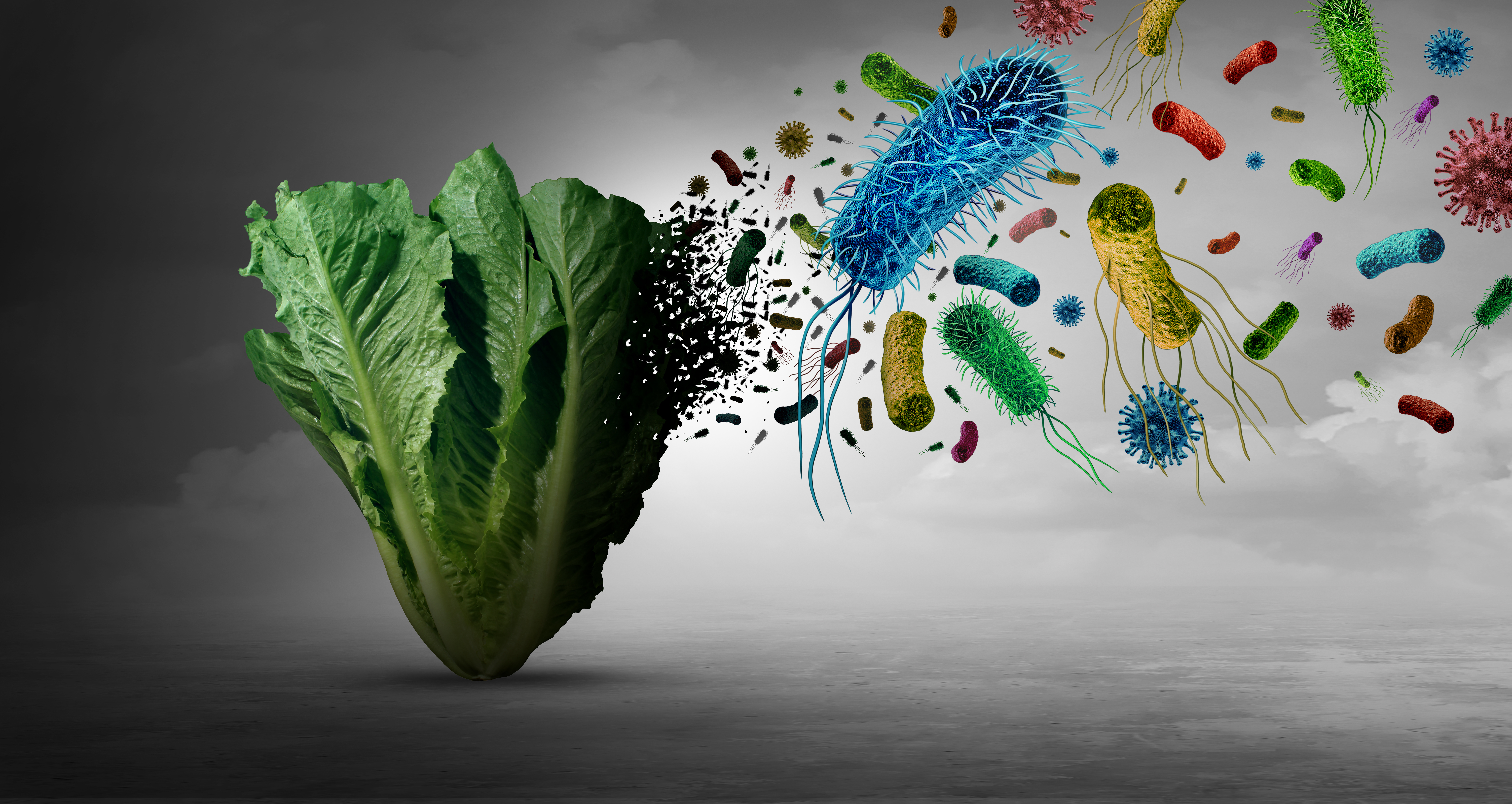
Foodborne diseases remain a global public health challenge worldwide. The European surveillance system on multistate foodborne outbreaks integrates elements from public and animal health, and the food chain for the early detection, assessment, and control. This review aims to describe the significant outbreaks that occurred in Europe in the last decade. Their significance and relevance in public health laid in the changes, improvements, and novelties that derived and that pushed towards the building of a safer food system in the European Union, certainly driven by the One Health approach. In 2011, a point source monoclonal outbreak of infections caused by Escherichia coli serotype O104:H4 contaminating sprouted seeds recorded hundreds of cases of haemolytic-uremic syndrome and several fatalities. In 2015, a prolonged outbreak of Listeria monocytogenes infections caused by the contamination of frozen corn affected Europe with 47 cases and nine deaths. In 2016, a persistent polyclonal outbreak of Salmonella Enteritidis was linked to the consumption of eggs and was associated with hundreds of cases. These outbreaks commonly highlighted the importance of sharing data (e.g. sequencing and tracing data) with rapidity and the need for harmonizing bioinformatics outputs and computational approaches to facilitate foodborne detection and investigation. Also, they led to the setting of the legal framework for the development of a European collaboration platform to share whole genome sequences data. These outbreaks enabled the enforcement of the existing hygiene and food safety provisions and led the development of new hygiene guidelines and best practises. This paper also briefly touches upon the new trends in information technologies that are being explored in the field of food traceability and safety. Their application aims to enhance the traceability of food throughout the supply chain to redirect the conventional tracing system towards a digitized supply chain.

UK – Two E. coli O157 infections linked to English farm

Food Safety News

Two confirmed cases of E. coli O157 infection have been linked to a farm in England.

Acton Scott Historic Working Farm in Shropshire temporarily closed this past week to take precautionary measures to reduce the risk of visitors becoming infected. The steps include providing more handwashing facilities and improving safety information about feeding and touching animals.

Members of the Public Health England (PHE) West Midlands Health Protection Team and environmental health colleagues from Shropshire Council are involved in the investigation at the farm, which is owned by the council. No information was provided about the patients.

kswfoodworld E.coli O157

Image CDC