Salmonella in soybean meal from Italy in Germany and Austria
Salmonella Infantis and Salmonella Enteritidis in frozen chicken products for feed in Poland and Latvia

Salmonella in soybean meal from Italy in Germany and Austria
Salmonella Infantis and Salmonella Enteritidis in frozen chicken products for feed in Poland and Latvia
Posted in Animal by Products, Animal Feed, Animal Feed Salmonella, Animal Feed Testing, Food Micro Blog, Food Microbiology Blog, microbial contamination, Microbial growth, Microbiological Risk Assessment, Microbiology, Microbiology Investigations, Microbiology Risk, Polish Chicken Salmonella, RASFF, Salmonella
Since August 2022 and as of 12 July 2023, 92 cases of Salmonella Senftenberg have been reported in Austria (5), Belgium (4), Czechia (4), Estonia (1), Finland (12), France (16), Germany (26), Ireland (1), the Netherlands (5), Norway (1), Sweden (11), the United Kingdom (4), and the United States (2). In total, 69.6% of the reported cases were female. One patient has died of the infection. The first case was reported in France with an isolation date of 22 August 2022 and the most recent case was reported on 24 June 2023 in Sweden. Most cases were reported between October 2022 and March 2023, with a decline in the number of countries with exposures after December. In Austria, Germany, and France, cherry-like tomatoes were identified as the food exposure most reported by interviewed cases. The outbreak strain was detected in France from a mixed salad dish, containing cherry tomatoes and green leafy vegetables, prepared on 17 August 2022 but not served. Tomatoes from the salad in France and tomatoes in Austria were suspected as the vehicle of infections by national authorities and were traced back to wholesalers in Germany, the Netherlands and Spain, and to growers in the Netherlands, Spain and Morocco. In the absence of microbiological evidence from the tomatoes, the source of the infections could not be established. The genetic similarity of the human outbreak strains suggests a likely common source(s) causing a prolonged, cross-border food-borne outbreak with cases intermittently reported in 11 EU/EEA countries, the UK, and the US for about 10 months. The contamination may have originated from farms growing tomatoes. Since December 2022, as the number of cases has declined, the risk of new infections has decreased to a low level.
Posted in food bourne outbreak, Food Illness, Food Micro Blog, Food Microbiology, Food Microbiology Blog, Food Microbiology Research, Food Microbiology Testing, Foodborne Illness, Foodborne Illness Death, foodborne outbreak, foodbourne outbreak, Illness, microbial contamination, Microbial growth, Microbiological Risk Assessment, Microbiology, Microbiology Investigations, Microbiology Risk, outbreak, Salmonella
Three people have died in Sweden as part of a Listeria outbreak that may have been caused by smoked fish.
Folkhälsomyndigheten (the Public Health Agency of Sweden) said deaths of three of the older patients were connected to their Listeria infections but it is not clear if they died with or because of listeriosis.
From the end of May to the beginning of July, 10 people contracted Listeria infections caused by the same type of the bacteria. Another four people fell ill in late 2022 from this strain.
Patients are 10 men and four women aged 63 to 93 years old. They live in eight different regions in the country.
Based on information from a questionnaire given to patients about foods they ate before becoming sick, many reported eating gravad or cold-smoked salmon but the exact product that caused the outbreak is not yet clear.
Posted in Food Illness, Food Micro Blog, Food Microbiology, Food Microbiology Blog, Food Microbiology Research, Food Microbiology Testing, Foodborne Illness, Foodborne Illness Death, foodborne outbreak, foodbourne outbreak, Illness, Listeria, Listeria monocytogenes, Listeria Smoked Fish, microbial contamination, Microbial growth, Microbiological Risk Assessment, Microbiology, Microbiology Investigations, Microbiology Risk, outbreak
Posted in Cyclospora, Cyclosporiasis, Decontamination Microbial, E.coli O26, E.coli O26 :H11, food bourne outbreak, Food Illness, Food Micro Blog, Food Microbiology, Food Microbiology Blog, Food Microbiology Research, Food Microbiology Testing, Foodborne Illness, foodborne outbreak, foodbourne outbreak, Hepatitis A, Illness, microbial contamination, Microbial growth, Microbiological Risk Assessment, Microbiology, Microbiology Investigations, Microbiology Risk, outbreak, STEC, STEC E.coli
On July 11, Italy notified through the Early Warning and Response System of the Union Union (EWRS) two cases of botulism whose only food in common had been an omelet of packaged potato consumed in Spain.
On July 14, the Community of Madrid and the Community Valenciana notified the National Epidemiological Surveillance Network (RENAVE) of two cases with symptoms compatible with botulism, with ingestion of the same food, for which reason the immediately alerts the Autonomous Communities and Cities (CC.AA.).
Also, it contacted the Spanish Agency for Food Safety and Nutrition (AESAN) as responsible for analyzing traceability and coordinating pertinent investigations regarding the food product.
Up to now, 7 cases have been reported with a history of consumption of packaged potato in the days prior to the onset of the symptoms: 5 laboratory-confirmed cases with symptom onset date between June 24 and July 10 and 2 probable cases (with compatible clinic and epidemiological link), whose dates of onset of symptoms have been 21 June and July 1 respectively.
Posted in Clostridium, Clostridium botulinum, Decontamination Microbial, Food Micro Blog, Food Microbiology, Food Microbiology Blog, Food Microbiology Research, Food Microbiology Testing, microbial contamination, Microbial growth, Microbiological Risk Assessment, Microbiology, Microbiology Investigations, Microbiology Risk
Investigators are working to identify the source of the ground beef sick people ate in this outbreak. Any ground beef can have germs, like Salmonella. Always cook ground beef to an internal temperature of 160°F.
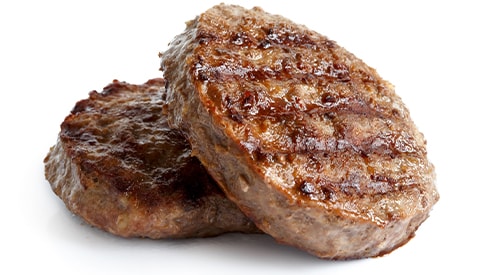
All of the people who remembered the type of ground beef they ate and where they bought it reported eating 80% lean ground beef purchased from ShopRite locations in Connecticut, New Jersey, and New York before they got sick. Ground beef is the only common food people reported eating. Investigators are working to identify the source of the ground beef sick people ate.
Ground beef is a known source of Salmonella illnesses. Salmonella germs live in the intestines of people and animals and can be spread through contaminated food, water, food preparation surfaces, and unwashed hands. Salmonella germs are killed when ground beef is cooked to an internal temperature of 160°F. Eating raw or undercooked ground beef can make you sick.
Posted in Decontamination Microbial, food bourne outbreak, Food Illness, Food Micro Blog, Food Microbiology, Food Microbiology Blog, Food Microbiology Testing, Foodborne Illness, foodborne outbreak, foodbourne outbreak, Illness, microbial contamination, Microbial growth, Microbiological Risk Assessment, Microbiology, Microbiology Investigations, Microbiology Risk, outbreak, Salmonella, salmonellosis
Cases where people have contracted listeria infection are now being investigated by the Public Health Agency in collaboration with the regional infection control units and the Swedish Food Agency.
The people we know who have become ill have had to answer a questionnaire about the foods they have eaten. Many have indicated that they ate cold-smoked and/or smoked salmon, but the exact product that caused the outbreak is not clear.
Risk groups for getting serious illness from listeria are pregnant women, the elderly and people with a weakened immune system.
Posted in Decontamination Microbial, food contamination, food handler, Food Hazard, Food Hygiene, Food Inspections, Food Micro Blog, Food Microbiology, Food Microbiology Blog, Food Microbiology Research, Food Microbiology Testing, Listeria, Listeria monocytogenes, microbial contamination, Microbial growth, Microbiological Risk Assessment, Microbiology, Microbiology Investigations, Microbiology Risk
Posted in CDC, food bourne outbreak, Food Illness, Food Micro Blog, Food Microbiology, Food Microbiology Blog, Food Microbiology Research, Food Microbiology Testing, Foodborne Illness, foodborne outbreak, foodbourne outbreak, Illness, microbial contamination, Microbial growth, Microbiological Risk Assessment, Microbiology, Microbiology Investigations, Microbiology Risk, outbreak

Posted in Campylobacter, campylobacter coli, Campylobacter jejuni, Decontamination Microbial, Food Micro Blog, Food Microbiology, Food Microbiology Blog, Food Microbiology Research, Food Microbiology Testing, microbial contamination, Microbial growth, Microbiological Risk Assessment, Microbiology, Microbiology Investigations, Microbiology Risk

Almost 250 Salmonella infections in the United Kingdom since the start of 2023 have been linked to travel to Turkey.
The UK Health Security Agency (UKHSA) has shared steps to reduce the risk of common infections when going abroad in summer.
The agency has detected a number of clusters of gastrointestinal illness in people returning from Turkey, the majority of whom had been to the Antalya region. Whole genome sequencing (WGS) has revealed some clusters are related, which indicates a likely common source of infection.
Between mid-January and July 19, there have been 241 confirmed cases of Salmonella Enteritidis, the majority with specimen collection dates from April onward.
Fifty-six percent of cases are male and the median age is 29 years old. Of the 93 cases for which travel information is available, people reported staying in different hotels in Turkey and most ate a variety of foods at their hotel resort as part of an all-inclusive holiday package.
UKHSA issued a warning ahead of the school summer holidays as the source of illness has not been identified. UKHSA, Turkish health authorities and other international public health agencies are involved in ongoing investigations.
Posted in food bourne outbreak, Food Illness, Food Micro Blog, Food Microbiology, Food Microbiology Blog, Food Microbiology Research, Food Microbiology Testing, Foodborne Illness, foodborne outbreak, foodbourne outbreak, Illness, microbial contamination, Microbial growth, Microbiological Risk Assessment, Microbiology, Microbiology Investigations, Microbiology Risk, outbreak, Salmonella

 FoodWorld