Archives
-
Join 346 other subscribers
KSWFoodWorld
Blog Stats
- 444,725 Views

Posted in Biofilm, Decontamination Microbial, Food Micro Blog, Food Microbiology, Food Microbiology Blog, Food Microbiology Research, Food Microbiology Testing, Listeria, Listeria monocytogenes, microbial contamination, Microbial growth, Microbiological Risk Assessment, Microbiology, Microbiology Investigations, Microbiology Risk
A pub in Wrexham has been linked to a huge salmonella outbreak that affected 33 people.Public Health Wales said 33 confirmed cases and one of the probable cases were associated with The Nags Head pub on Mount Street.
Controls were put in place at the Marston’s owned pub following the outbreak at the end of July, to stop any further infections. This included a deep clean of the premises and testing of staff.
Posted in Decontamination Microbial, food bourne outbreak, Food Illness, Food Micro Blog, Food Microbiology, Food Microbiology Blog, Food Microbiology Research, Food Microbiology Testing, Foodborne Illness, foodborne outbreak, foodbourne outbreak, Illness, microbial contamination, Microbial growth, Microbiological Risk Assessment, Microbiology, Microbiology Investigations, Microbiology Risk, outbreak, Salmonella
More than 130 people have fallen sick in 11 countries with contaminated chicken meat from Poland suspected as being the source of infection.
An analysis by the European Centre for Disease Prevention and Control (ECDC) focused on two sub-clusters of Salmonella Enteritidis sequence type (ST) 11 with 134 cases mostly reported between January and August 2023. This Salmonella Enteritidis sequence type is the most frequently detected in Europe.
In one cluster, 97 cases with recent or historical isolates, that were closely related genetically, were reported with 22 cases in Denmark, 19 in France and 12 each in Ireland and the Netherlands. Norway has nine patients, Austria and Belgium both have six, Finland has five, Slovenia has three, Sweden has two, and Germany has one.
Posted in food bourne outbreak, Food Illness, Food Micro Blog, Food Microbiology, Food Microbiology Blog, Food Microbiology Research, Food Microbiology Testing, Foodborne Illness, foodborne outbreak, foodbourne outbreak, Illness, microbial contamination, Microbial growth, Microbiological Risk Assessment, Microbiology, Microbiology Investigations, Microbiology Risk, outbreak, Polish Chicken Salmonella, Salmonella, Salmonella in Chicken, Salmonella Poland
Salmonella in rapeseed meal from Poland in Sweden
Salmonella spp. in soy(bean) meal feed from Germany in Denmark
Aflatoxin B1 in white sunflowers seeds from Egypt, via the Netherlands in France and Belgium
Posted in Aflatoxin, Animal Feed, Animal Feed Aflatoxin, Animal Feed Mould Toxin, Animal Feed Mould/Mold, Animal Feed Testing, Aspergillus, Aspergillus Toxin, Food Micro Blog, Food Microbiology Blog, microbial contamination, Microbial growth, Microbiological Risk Assessment, Microbiology, Microbiology Investigations, Microbiology Risk, RASFF
Health officials are investigating an outbreak of E. coli food poisoning among students at the University of Arkansas, with dozens reporting symptoms and five people needing treatment in the hospital.
Among those affected are two 19-year-old sorority members who developed a serious complication that can lead to kidney failure after being infected with the E. coli strain O157:H7. That’s according to Bill Marler, a Seattle food safety lawyer who said he reviewed the patients’ medical records after being contacted by the families.
Posted in Bacterial Toxin, E.coli O157, E.coli O157:H7, food bourne outbreak, Food Illness, Food Micro Blog, Food Microbiology, Food Microbiology Blog, Food Microbiology Research, Food Microbiology Testing, Food Toxin, Foodborne Illness, foodborne outbreak, foodbourne outbreak, Illness, microbial contamination, Microbial growth, Microbiological Risk Assessment, Microbiology, Microbiology Investigations, Microbiology Risk, outbreak, STEC, STEC E.coli, Toxin

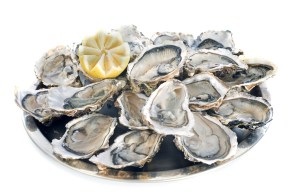
You can get a Vibrio infection by eating raw or undercooked seafood, particularly oysters. You also can get an infection if you have an open wound that comes in contact with raw or undercooked seafood, their juices, or their drippings.
If you enjoy eating seafood, fishing in coastal waters, or crabbing off the pier, learn more about how you can protect yourself and family from a Vibrio infection.
Vibrio bacteria naturally live in coastal waters and can concentrate inside shellfish and other seafood that live in these waters.
CDC estimates that vibriosis causes 80,000 illnesses each year in the United States. An estimated 52,000 of those illnesses are caused by eating food containing Vibrio. Most people with a foodborne Vibrio infection have watery diarrhea. Some people may also have stomach cramping, nausea, vomiting, fever, and chills. Symptoms usually start within 1 day after infection and last about 3 days.
Posted in Decontamination Microbial, Food Micro Blog, Food Microbiology, Food Microbiology Blog, Food Microbiology Research, Food Microbiology Testing, microbial contamination, Microbial growth, Microbiological Risk Assessment, Microbiology, Microbiology Investigations, Microbiology Risk, Vibrio, Vibrio cholera, vibrio cholerae, Vibrio parahaemolyticus, Vibrio vulnificans, Vibrio vulnificus
Surrey Heath Borough Council has successfully prosecuted the previous operator of Mogul Restaurant for failing to comply with food safety regulations following a significant food poisoning outbreak amongst customers at the end of 2022.
The company has been ordered to pay a fine of £25,000, a victim surcharge of £2,000 and the Council’s costs of £14,116.
This prosecution is in addition to the restaurant being temporarily shut under Emergency Prohibition provisions to protect further risk of ill health to the public at the time of the outbreak whilst the necessary improvements were made.
Posted in food bourne outbreak, Food Illness, Food Micro Blog, Food Microbiology, Food Microbiology Blog, Food Microbiology Research, Food Microbiology Testing, Foodborne Illness, foodborne outbreak, foodbourne outbreak, Illness, microbial contamination, Microbial growth, Microbiological Risk Assessment, Microbiology, Microbiology Investigations, Microbiology Risk, outbreak
Since May, 22 people have been registered in Denmark with the same salmonella type, which has also made people sick in other European countries. Now the investigation has shown that imported chicken kebab meat from Poland is also the source of infection for the Danish cases.
“The investigation into this salmonella outbreak has been extensive – partly there has been international collaboration to compare salmonella samples from humans and food, and partly we in the Danish food emergency department have interviewed patients and unraveled where the chicken kebab meat they had eaten came from. We have now found a clear connection between the salmonella type in the chicken kebab meat and the salmonella type in the Danish cases,” says epidemiologist at the Statens Serum Institut, Luise Müller.
“In general, it is the restaurant’s responsibility that consumers do not get sick from the food that is served. The Salmonella bacteria cannot survive heat treatment above 75 degrees,” says Senior researcher and research group leader at the DTU Food Institute Marianne Sandberg.
Head of unit Lene Mølsted Jensen from the Danish Food and Drug Administration states: “The chicken kebab meat from Poland was pre-fried and intended to be further heat-treated before eating. It is therefore an important lesson for restaurants and kebab places that in the future they pay attention to the handling and frying of chicken kebab meat to avoid this happening again.”
In the coming time, the Danish Food and Food Administration will keep an extra eye on whether other batches of chicken products from Poland may be contaminated with salmonella.
If you have not had symptoms of a salmonella infection, or if you have had symptoms that have resolved on their own, do not take any action. In case of persistent symptoms or questions, you can contact your own doctor.
The coordination of the investigation of the disease outbreak has taken place under the auspices of the Central Outbreak Group. It consists of representatives from SSI, the DTU Food Institute and the Danish Veterinary and Food Administration.
Posted in Decontamination Microbial, food bourne outbreak, Food Illness, Food Micro Blog, Food Microbiology, Food Microbiology Blog, Food Microbiology Research, Food Microbiology Testing, Foodborne Illness, foodborne outbreak, foodbourne outbreak, Illness, microbial contamination, Microbial growth, Microbiological Risk Assessment, Microbiology, Microbiology Investigations, Microbiology Risk, outbreak, Polish Chicken Salmonella, Salmonella, Salmonella in Chicken, Salmonella Poland
State and federal public health officials are working with the University of Arkansas on what appears to be an outbreak of E. Coli infections.
During a news conference this afternoon, a spokesman from the Arkansas Department of Health said four people were hospitalized. Also, about 100 students from the university responded to an email saying they currently have or have recently had symptoms.
The total number of confirmed outbreak patients has not been released.
The spokesman said the outbreak seems limited to the Northeast part of the state. He also said the state department and university officials are working with the U.S. Centers for Disease Control and Prevention to investigate the outbreak.
The spokesman said health officials believe the outbreak started about a week ago.
Posted in E.coli, food bourne outbreak, Food Illness, Food Micro Blog, Food Microbiology, Food Microbiology Blog, Food Microbiology Research, Food Microbiology Testing, Foodborne Illness, foodborne outbreak, foodbourne outbreak, Illness, microbial contamination, Microbial growth, Microbiological Risk Assessment, Microbiology, Microbiology Investigations, Microbiology Risk, outbreak