Category Archives: Microbiology Investigations

Research – Proposal and Verification of the Theory of Layer-by-Layer Elimination of Biofilm in Listeria monocytogenes

MDPI

Abstract

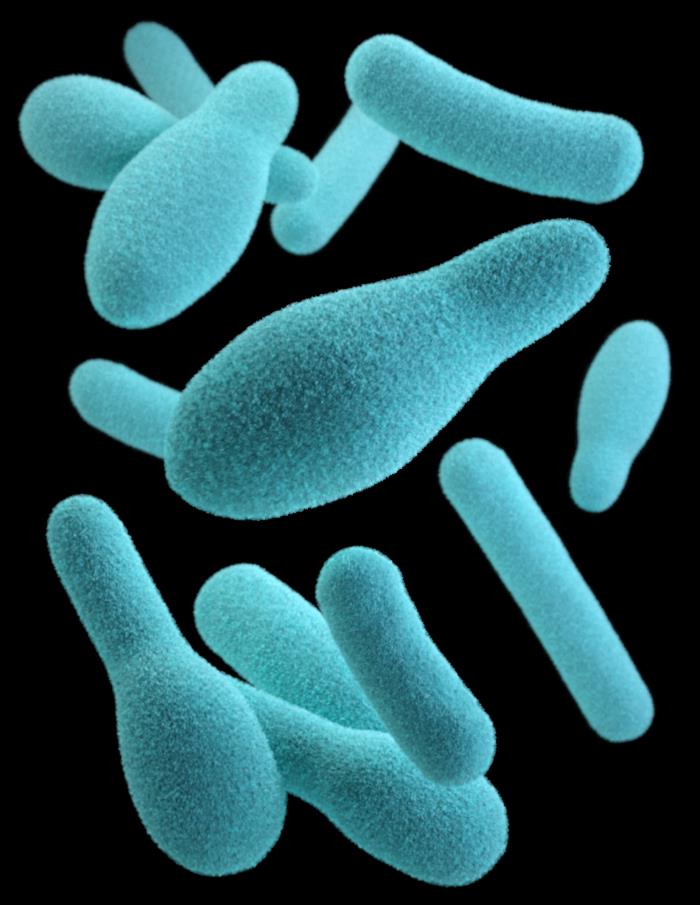
Biofilms are microbial communities that represent a high abundance of microbial life forms on Earth. Within biofilms, structural changes during clearance processes occur in three spatial and temporal dimensions; therefore, microscopy and quantitative image analysis are essential in elucidating their function. Here, we present confocal laser scanning microscopy (CLSM) in conjunction with ISA-2 software analysis for the automated and high-throughput quantification, analysis, and visualisation of biofilm interiors and overall biofilm properties in three spatial and temporal dimensions. This paper discusses the removal process of Listeria monocytogenes (LM) biofilms using slightly acidic electrolytic water, non-electrolytic hypochlorite water, and alternating the use of strongly acidic and strongly alkaline electrolytic water. The results show that the biofilm gradually thins and gutters from the initial viscous dense and thick morphology under the action of either biocide. This process is consistent with first-level kinetics. After CLSM filming to observe the biofilm structure, analysis software was used to process and quantify the biovolume, average biofilm thickness, biofilm roughness and other indicators; fluorescence enzyme markers were used to verify the remaining amount of extracellular nucleic acid. In this study, we proposed and validated the theory of layer-by-layer elimination of LM biofilm.
USA – FDA Releases FDA Activities for the Safety of Imported Seafood

FDA

Today, the FDA released Activities for the Safety of Imported Seafood (PDF).  The report shares the comprehensive approach the FDA is taking to ensure that imported seafood consumed in the U.S. meets food safety requirements and the standards of domestically produced seafood.

Seafood is one of the most highly traded food commodities in the world with 2018 total imports accounting for approximately 94% of seafood sold by volume in the U.S. Seafood contains high quality protein and other essential nutrients and is an important part of a healthy diet. The safety of imported seafood, particularly shrimp, the most consumed type of seafood in the U.S., has garnered the attention of Congress and industry, among other stakeholders.

The FDA Strategy for the Safety of Imported Food (Import Strategy) is the roadmap for this report.  It describes a comprehensive approach to imported food safety – guided by four goals:

  • Food Offered for Import Meets U.S. Food Safety Requirements
  • FDA Border Surveillance Prevents Entry of Unsafe Foods
  • Rapid and Effective Response to Unsafe Imported Food
  • Effective and Efficient Food Import Program

The Activities for the Safety of Imported Seafood details how established FDA regulation and innovative programs and technology are employed to support each of the four goals as they relate to imported seafood safety. These include proactively engaging and establishing partnerships with FDA regulatory counterparts in countries that export seafood to the United States; exploring the use of Artificial Intelligence (AI), specifically Machine Learning (ML), to strengthen predictive analytics; and developing new tools that leverage technology such as geographic information system (GIS) to provide spatial intelligence about potential seafood hazards.

Viet Nam – One dead, one in critical condition, nine hospitalized after eating pickled carp – Clostridium botulinum

Vietnamnet

kswfoodworld

Ten people in a mountainous district of the Central Province of Quang Nam were hospitalized for Botulinum poisoning, with one of them dead after eating pickled carp on March 7.

Three seriously ill patients including one female and two male adults requiring mechanical ventilation were given Botulism Antitoxin Heptavalent (BAT) to treat Clostridium Botulinum poisoning. Up to now, 2/3 of patients have had good improvement after antidote infusion, a good prognosis; however, one patient is in critical condition.

Previously, the SGGP Newspaper released that after eating pickled carp at a house of a local inhabitant, four people experienced poisonous symptoms. They were rushed to the local infirmary for treatment. On the morning of March 18, physicians of the General Hospital in Phuoc Duc Commune of Phuoc Son District connected with Cho Ray Hospital in Ho Chi Minh City for consultation. Soon, doctors of Cho Ray Hospital flew to Quang Nam Province with five antidotes vitals to the General Hospital of the Northern mountainous region of Quang Nam for the treatment of the patients with botulinum poisoning.

Yesterday, Director of the Quang Nam Department of Health Mai Van Muoi said that the unit has just sent a dispatch on strengthening measures to prevent and control food poisoning when people like eating traditional foods such as fermented foods.

Thereby, the Department of Health of Quang Nam province suggested localities, especially highland areas, strengthen communication about food safety to local inhabitants to raise their awareness.

USA – Voluntary Recall of One Lot of Kaytee® Wild Bird Food Birders Blend, 8 Lb Bag, Due to Elevated Levels of Aflatoxin

FDA

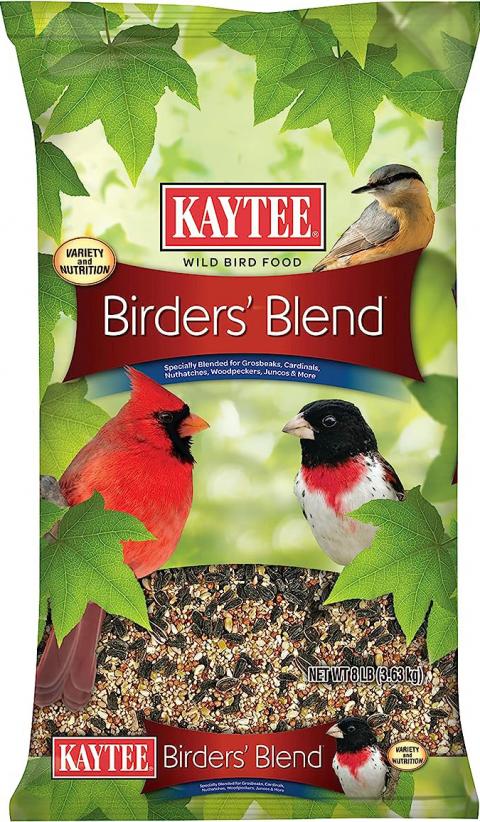
Front Label, Kaytee Wild Bird Birders Blend

CHILTON, WI – March 18, 2023 – Kaytee Products Inc. is voluntarily recalling one lot of Kaytee® Wild Bird Food Birders’ Blend, 8 lb. bag, UPC 0 71859 02711 1, Lot Number PennPak1 102022 933, best buy date of 041224, due to potentially elevated levels of Aflatoxin above the acceptable limit. Aflatoxin is a naturally occurring by-product from the growth of Aspergillus flavus and can be harmful to wild birds if consumed in significant quantities. No illnesses have been reported in association with this product to date and no other Kaytee products are affected.

On March 13, 2023, the Georgia Department of Agriculture notified Kaytee Products Inc. that after conducting a routine laboratory analysis of the product, Lot PennPak1 102022 933 located on the bottom right corner of the front of the 8 lb. bags of Kaytee® Wild Bird Food Birder’s Blend was found to contain elevated levels of Aflatoxin.

The products affected by this announcement are:

Product

Size

UPC

Lot No.

Best by

Kaytee® Wild Bird Food Birders’ Blend 8 lb 0 71859 02711 1 PennPak1
102022
933
041224

EU – Oysters linked to 170 illnesses in Finland; people sick in other countries – Norovirus

Food Safety News

french oysters

Contaminated shellfish are continuing to cause illnesses in several European countries and Hong Kong.

At least 170 people have fallen ill in Helsinki, Finland, after eating oysters in various restaurants in February and March. Cases have also been reported in other Finnish cities.

Norovirus has been found in nine different oyster batches with two from the Netherlands, six from France, and one from Ireland. Importers have withdrawn affected batches from the market.

Officials have tested food from restaurants and taken patient samples, finding norovirus. Some of those sick reported eating oysters.

A report on the outbreak is being prepared for the Finnish Food Authority (Ruokavirasto) and the Finnish Institute for Health and Welfare (THL).

Norovirus is the most commonly identified cause of foodborne outbreaks in Finland. Between 2017 and 2021, oysters caused 11 norovirus outbreaks in which more than 110 people fell ill.

Finland has published four Rapid Alert System for Food and Feed (RASFF) alerts on food poisoning due to norovirus in oysters since late February.

Research – Aged meat not riskier than fresh meat

EFSA

Aged meat does not pose any additional risks compared to fresh meat if it is aged under controlled conditions, EFSA experts concluded in a scientific opinion released today.

Meat ageing is a process during which microbes and enzymes act upon the meat to break down the connective tissue, thereby tenderising the meat and giving it a richer flavour. This can be done through two main methods: wet ageing and dry ageing. Wet ageing is used for beef, pork and lamb that is stored and refrigerated in a vacuum package, while dry aged beef is refrigerated without packaging which results in a dry surface that is cut off before preparation.

“Aged meat has risen in popularity in recent years among the food industry and restaurants yet until now there has been a lack of knowledge about its safety. EFSA’s advice contributes to fill that gap and provides a solid scientific basis for food business operators to produce aged meat that is safe,” said the Chair of EFSA’s Panel on Biological Hazards, Prof Kostas Koutsoumanis.

There are no additional risks involved provided that the specific combination of time and temperature identified in the scientific opinion are observed during the ageing process, said EFSA’s experts. For example, dry aged beef can be considered as safe as fresh beef if ageing is done for up to 35 days at a temperature of 3°C or lower.

Research – EFSA – Crunch time for insects?

EFSA

What’s your idea of a tasty snack? Fruit, biscuits, bread and jam perhaps? What would you say if you were offered something more adventurous – fried crickets or grasshoppers? Popular in some countries such as Thailand and Mexico, they are often eaten with chili and lime. In Europe, reactions are mixed! Our expert Ermolaos Ververis explains how EFSA’s novel foods team assesses whether foods such as insects are safe, and he makes us rethink what we know as staple foods in Europe. Come join us for this episode of Science on the Menu, where we even put these questions to the test.

Image
Listen on Spotify icon
Image
Listen on Google podcast icon
Image
Listen on Apple podcast icon

USA – Resources for the Control of Listeria monocytogenes for Manufacturers of Soft Fresh Queso Fresco-type CheesesUSA –

FDA

Summary of FDA’s Strategy to Help Prevent Listeriosis Outbreaks Associated with Soft Fresh Queso Fresco-Type Cheeses

This fact sheet is intended to help Queso Fresco-type soft cheese manufacturing groups further their understanding of possible food safety risks that can occur in production and the resources available to help them consistently produce safe food.

What are soft Queso Fresco-type cheeses?

Soft Queso Fresco-type (QFT) cheeses are fresh, unripe cheeses that do not go through a significant aging process. These types of cheeses are white/off-white in color and very moist. They also have a low salt and acid content, which gives them a shorter shelf life compared to that of other aged cheeses. This also means soft QFT cheeses must always be refrigerated. Depending on the country of origin, some of the more popular fresh, soft QFT cheeses are labeled as either Latin-style or Mexican-style cheeses. Well-known examples of QFT cheeses include Oaxaca, Asadero, Queso Blanco, Queso Fresco, Requeson, and Panela, amongst others [1],[2].

What are some concerns with soft Queso Fresco-type cheeses?

The pathogen of primary concern among soft QFT cheeses is Listeria monocytogenes (L. monocytogenes), a type of disease-causing bacteria that specifically causes the infection listeriosis. Outbreaks of listeriosis have been linked with soft QFT cheeses made from raw milk or those that contain ingredients that were contaminated somewhere during the cheese-making process.  Historical outbreaks of listeriosis have been associated with QFT made from unpasteurized milk, but recent outbreaks have been caused by cheeses made from pasteurized milk that was contaminated during the cheese-making process. The soft QFT cheeses linked to past outbreaks were often manufactured by smaller-scale producers. These outbreaks have often affected a higher proportion of pregnant Hispanic women and their newborns. Listeriosis infections in pregnant women can result in serious illness, miscarriage, or even stillbirth. Older adults, newborns, and people with weakened immune systems are also at higher risk for developing serious symptoms associated with listeriosis. In addition to the risk of listeriosis linked to soft QFT cheese, the Centers for Disease Control and Prevention has reported multiple outbreaks linked to other pathogenic bacteria in these products, including SalmonellaCampylobacter jejuni, and Brucella [3],[4].

USA – Raw milk bill requires Hawaii Legislature to choose between health risks or food security

Food Safety News

Hawaii House Bill 521 reads like another attempt to weaken the regulation of raw milk until you notice that the year 3000 is currently listed as the effective date. That might be a long wait for those who want to legalize raw milk and raw milk products in the Aloha State including the bill’s powerful author.

Nevertheless, HB521 is getting serious consideration from Hawaii’s legislative committee. The bill has already been heard by the House Finance Committee and the Committee on Consumer Protection and Commerce. Those two committees agree that the purpose of HB 521 is to:

1) Authorize and decriminalize the sale of raw milk and raw milk products directly to consumers for human consumption, subject to certain conditions; and

(2) Authorize the sale of raw goat milk for pet consumption, subject to certain conditions.

USA – Two pet food companies warned after Salmonella and Listeria found in finished products

Food Safety News

As part of its enforcement activities, the Food and Drug Administration sends warning letters to entities under its jurisdiction. Some letters are not posted for public view until weeks or months after they are sent. Business owners have 15 days to respond to FDA warning letters. Warning letters often are not issued until a company has been given months to years to correct problems.

Primal Pet Foods
Fairfield, CA

An animal food firm in California is on notice from the FDA for serious violations of the FDA’s Current Good Manufacturing Practice, Hazard Analysis and Risk-Based Preventive Controls for Food for Animals regulation, including Listeria found in the finished product. Pathogens in pet food can make people as well as pets sick.

Arrow Reliance Inc.
Tukwila, WA

An animal food firm in Washington is on notice from the FDA for not being in compliance with FDA regulations due to adulterated animal food, including finished products with Salmonella. Pathogens in pet food can make people as well as pets sick.