Category Archives: Microbiological Risk Assessment

Research – Kebabs with a side of Salmonella: Two outbreaks of Salmonella linked to kebab shops in Canberra, ACT

1 Health

AbstractWe report two outbreaks of Salmonella associated with kebab shops in Canberra, Australian Capital Territory, detected through routine surveillance. The first consisted of 12 cases of Salmonella Agona, nine of whom reported eating chicken from the same kebab shop. The second consisted of two cases of Salmonella Virchow who both reported eating chicken from another (unrelated) kebab shop. Environmental investigations identified similar food safety issues at both businesses, includ-ing improper cleaning of kebab shaving equipment and serving cut rotisserie meat without further cooking. Environmental samples detected Salmonella genomically linked to the respective outbreak cases. These outbreaks highlight the importance of appropriate cleaning and sanitising of kebab shaving equipment and the use of a second cook step after kebab meat is shaved from the rotisserie.
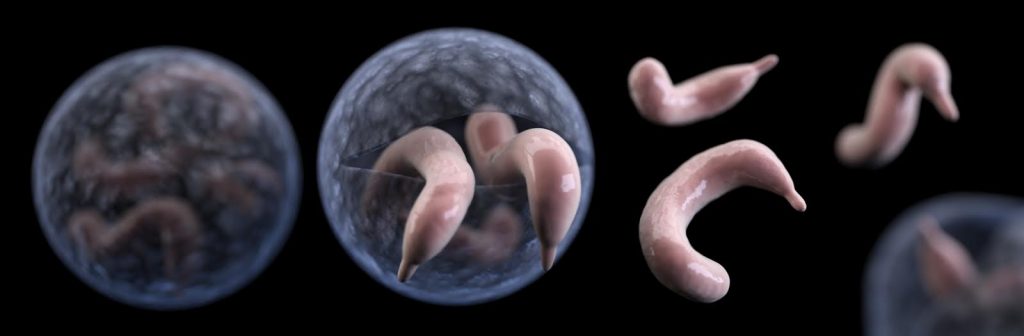
Ireland – EPA finds issues with Fermoy water supply – Cryptosporidium

Irish Examiner

crypto

Cryptosporidium had been detected in the public water supply in Fermoy in November last year

The public water supply to the north Cork town of Fermoy could be at risk and placed on a list of water treatment plants needing corrective action, according to the State environmental watchdog.

The Environmental Protection Agency has warned Irish Water that Fermoy’s water treatment plant could be placed on its Remedial Action List which would require the utility to complete an action programme to address problems with the supply.

It follows an audit by EPA inspectors carried out on the facility last November to check if it was providing clean and wholesome water to households and businesses.

Research – New role of small RNAs in Salmonella infections uncovered

Science Daily

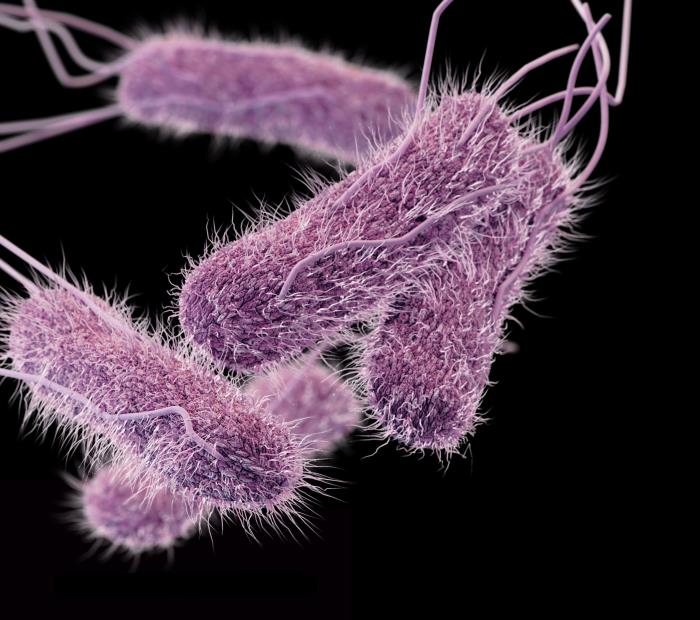
Salmonellaa

Salmonella are food-borne pathogens that infect millions of people a year. To do so, these bacteria depend on a complex network of genes and gene products that allow them to sense environmental conditions. In a new paper, researchers have investigated the role of small RNAs that help Salmonella express their virulence genes.

The bacteria infect humans by first invading the cells of the intestine using a needle-like structure, called a type 3 secretion system. This structure injects proteins directly into the cells, setting off a cascade of changes that cause inflammation, and ultimately cause diarrhea. The genes that encode this system, and other genes that are needed for invasion, are found on a region of DNA known as the Salmonella pathogenicity island 1.

Research – Molecular Targets for Foodborne Pathogenic Bacteria Detection

MDPI

Abstract

The detection of foodborne pathogenic bacteria currently relies on their ability to grow on chemically defined liquid and solid media, which is the essence of the classical microbiological approach. Such procedures are time-consuming and the quality of the result is affected by the selectivity of the media employed. Several alternative strategies based on the detection of molecular markers have been proposed. These markers may be cell constituents, may reside on the cell envelope or may be specific metabolites. Each marker provides specific advantages and, at the same time, suffers from specific limitations. The food matrix and chemical composition, as well as the accompanying microbiota, may also severely compromise detection. The aim of the present review article is to present and critically discuss all available information regarding the molecular targets that have been employed as markers for the detection of foodborne pathogens. Their strengths and limitations, as well as the proposed alleviation strategies, are presented, with particular emphasis on their applicability in real food systems and the challenges that are yet to be effectively addressed.

Research – Cross-Contamination to Surfaces in Consumer Kitchens with MS2 as a Tracer Organism in Ground Turkey Patties

Journal of Food Protection

ABSTRACT

It is estimated that one in five cases of foodborne illnesses is acquired in the home. However, how pathogens move throughout a kitchen environment when consumers are preparing food is not well characterized. The purpose of this study was to determine the prevalence and degree of cross-contamination across a variety of kitchen surfaces during a consumer meal preparation event. Consumers (n = 371) prepared a meal consisting of turkey patties containing the bacteriophage MS2 as a tracer organism and a ready-to-eat lettuce salad. Half were shown a video on proper thermometer use before the trial. After meal preparation, environmental sampling and detection were performed to assess cross-contamination with MS2. For most surfaces, positivity did not exceed 20%, with the exception of spice containers, for which 48% of the samples showed evidence of MS2 cross-contamination. Spice containers also had the highest MS2 concentrations, at a mean exceeding 6 log viral genome equivalent copies per surface. The high level of MS2 on spice containers drove the significant differences between surfaces, suggesting the significance of spice containers as a vehicle for cross-contamination, despite the absence of previous reports to this effect. The thermometer safety intervention did not affect cross-contamination. The efficiency of MS2 transfer, when expressed as a percentage, was relatively low, ranging from an average of 0.002 to 0.07%. Quantitative risk assessment work using these data would aid in further understanding the significance of cross-contamination frequency and efficiency. Overall, these data will help create more targeted consumer messaging to better influence consumer cross-contamination behaviors.

HIGHLIGHTS
  • Forty-eight percent of spice containers sampled showed evidence of MS2 cross-contamination.
  • Spice containers had the highest MS2 concentrations across kitchen surfaces.
  • Spice containers may be a key vehicle for cross-contamination.
  • The thermometer safety intervention did not affect cross-contamination.
  • The efficiency of MS2 transfer was relatively low, ranging from 0.002 to 0.07%.

Research – Quantifying risk associated with changes in EHEC physiology during post-harvest pre-processing stages of leafy green production

CPS

Summary

The goal of this project is to determine if the time between harvest and end use of romaine lettuce impacts E. coli O157:H7 pathogenicity and detectability resulting in increased health risk. Laboratory scale experiments with inoculated lettuce undergoing simulated harvest and cooling will be used to measure changes in E. coli O157:H7 stress tolerance and virulence. Input from industry partners including temperature data from commercial romaine harvesting and cooling, and details on supply chain logistics, will be combined with the laboratory scale experimental data and used to model risk associated with specific harvest and handling practices. The resulting quantitative tool will be publicly available and allow for growers and producers to determine any practices that should be implemented to reduce the potential for O157 transmission on romaine lettuce.

Research – Foodborne Parasites and Their Complex Life Cycles Challenging Food Safety in Different Food Chains

MDPI

Abstract

Zoonotic foodborne parasites often represent complex, multi host life cycles with parasite stages in the hosts, but also in the environment. This manuscript aims to provide an overview of important zoonotic foodborne parasites, with a focus on the different food chains in which parasite stages may occur. We have chosen some examples of meat-borne parasites occurring in livestock (Taenia spp., Trichinella spp. and Toxoplasma gondii), as well as Fasciola spp., an example of a zoonotic parasite of livestock, but transmitted to humans via contaminated vegetables or water, covering the ‘farm to fork’ food chain; and meat-borne parasites occurring in wildlife (Trichinella spp., Toxoplasma gondii), covering the ‘forest to fork’ food chain. Moreover, fish-borne parasites (Clonorchis spp., Opisthorchis spp. and Anisakidae) covering the ‘pond/ocean/freshwater to fork’ food chain are reviewed. The increased popularity of consumption of raw and ready-to-eat meat, fish and vegetables may pose a risk for consumers, since most post-harvest processing measures do not always guarantee the complete removal of parasite stages or their effective inactivation. We also highlight the impact of increasing contact between wildlife, livestock and humans on food safety. Risk based approaches, and diagnostics and control/prevention tackled from an integrated, multipathogen and multidisciplinary point of view should be considered as well.

Research – Transmission Scenarios of Listeria monocytogenes on Small Ruminant On-Farm Dairies

MDPI

Abstract

Listeria monocytogenes can cause severe foodborne infections in humans and invasive diseases in different animal species, especially in small ruminants. Infection of sheep and goats can occur via contaminated feed or through the teat canal. Both infection pathways result in direct (e.g., raw milk from an infected udder or fresh cheese produced from such milk) or indirect exposure of consumers. The majority of dairy farmers produces a high-risk product, namely fresh cheese made from raw ewe’s and goat’s milk. This, and the fact that L. monocytogenes has an extraordinary viability, poses a significant challenge to on-farm dairies. Yet, surprisingly, almost no scientific studies have been conducted dealing with the hygiene and food safety aspects of directly marketed dairy products. L. monocytogenes prevalence studies on small ruminant on-farm dairies are especially limited. Therefore, it was our aim to focus on three main transmission scenarios of this important major foodborne pathogen: (i) the impact of caprine and ovine listerial mastitis; (ii) the significance of clinical listeriosis and outbreak scenarios; and (iii) the impact of farm management and feeding practices.

Research – Intervention Strategies to Control Campylobacter at Different Stages of the Food Chain

MDPI

Abstract

Campylobacter is one of the most common bacterial pathogens of food safety concern. Campylobacter jejuni infects chickens by 2–3 weeks of age and colonized chickens carry a high C. jejuni load in their gut without developing clinical disease. Contamination of meat products by gut contents is difficult to prevent because of the high numbers of C. jejuni in the gut, and the large percentage of birds infected. Therefore, effective intervention strategies to limit human infections of C. jejuni should prioritize the control of pathogen transmission along the food supply chain. To this end, there have been ongoing efforts to develop innovative ways to control foodborne pathogens in poultry to meet the growing customers’ demand for poultry meat that is free of foodborne pathogens. In this review, we discuss various approaches that are being undertaken to reduce Campylobacter load in live chickens (pre-harvest) and in carcasses (post-harvest). We also provide some insights into optimization of these approaches, which could potentially help improve the pre- and post-harvest practices for better control of Campylobacter.

Research – Pseudomonas fluorescens and Escherichia coli in Fresh Mozzarella Cheese: Effect of Cellobiose Oxidase on Microbiological Stability during Refrigerated Shelf Life

MDPI

Abstract

Background: Mozzarella cheese possesses a high moisture content (50–60%) and a relatively high pH (around 5.5) and is therefore considered a perishable food product characterized by high quality deterioration and the potential risk of microbial contamination. Moreover, it can be spoiled by Pseudomonas spp. and coliform bacteria, which may be involved in different negative phenomena, such as proteolysis, discolorations, pigmentation, and off-flavors. To prevent these, different methods were investigated. In this context, the present study aims to assess the antimicrobial effect of cellobiose oxidase on Pseudomonas fluorescens (5026) and Escherichia coli (k88, k99) in mozzarella cheese during refrigerated shelf life. Methods: microbiological challenge tests were designed by contaminating the mozzarella covering liquid containing different cellobiose oxidase concentrations with P. fluorescens (5026) and E. coli (k88, k99). The behavior of these microorganisms and the variation of hydrogen peroxide concentrations were then tested under refrigerated conditions for 20 days to simulate the mozzarella cheese shelf life. Results and Conclusions: The data obtained demonstrated the effect of cellobiose oxidase on microbial growth. In particular, E. coli (k88, k99) was inhibited over the entire shelf life, while P. fluorescens (5026) was only partially affected after a few days of refrigerated storage.