Category Archives: foodbourne outbreak

Research -Cyclospora: A Long-term Challenge for Food Suppliers

World Aware

Outbreaks of cyclosporiasis, an illness caused by the parasite Cyclospora cayetanensis, occur almost every year in the US, and this summer is no exception. People can become infected with Cyclospora by consuming food or water contaminated with the parasite. Since May 1, more than 206 laboratory-confirmed cases of cyclosporiasis have been reported across 8 states in the Midwest.

Based on interviews with patients, investigators traced the outbreak back to bagged salad mix. The recent outbreak of Cyclospora infections highlights the importance of compliance with the Food and Drug Administration Produce Safety Rule and specifically worker health and hygiene principles.

The Centers for Disease Control and Prevention (CDC) and the Food and Drug Administration (FDA) have made attempts to better understand the factors contributing to Cyclospora infections.  However, many cases of cyclosporiasis cannot be directly linked to an outbreak, in part because of the lack of validated molecular typing tools for Cyclospora cayetanensis.

It is likely, in the future, new analysis methods will be developed to differential strains of Cyclospora, if there is enough genetic diversity. This will allow a way to focus more quickly on illness clusters and more rapid traceback of food vehicles to production sites. This should allow for environmental assessments at production sites to determine routes of contamination and prevention option.

In the meantime, the best we can do is to emphasize the importance of compliance with the Food and Drug Administration Produce Safety Rule, and specifically worker health and hygiene principles.


South Korea – E. coli infections tied to kindergarten south of Seoul rise to 58

YNA

SEOUL, June 29 (Yonhap) — The number of people infected with a strain of E. coli bacteria in connection to a kindergarten just south of Seoul reached 58, one more from the previous day, health authorities said Monday.

Health authorities have widened a probe into the E. coli outbreak in Ansan, about 50 kilometers south of the capital, since a kindergarten student first showed symptoms of illness on June 12.

As of 6 p.m. Sunday, 114 students and their family members showed suspected symptoms, according to the Korea Centers for Disease Control and Prevention (KCDC).

Of 21 hospitalized patients, 16 people, including 14 students, showed symptoms of hemolytic uremic syndrome (HUS), a type of E. coli that can cause kidney failure. Of them, four are undergoing dialytic therapy.

USA – Outbreak of Cyclospora Infections in the Midwestern U.S. Linked to Bagged Salad Mix

CDC

CDC, public health and regulatory officials in several states, and the U.S. Food and Drug Administrationexternal icon (FDA) are investigating a multistate outbreak of Cyclospora infections linked to bagged salad mix containing iceberg lettuce, carrots, and red cabbage produced by Fresh Express and purchased at ALDI, Hy-Vee, Jewel-Osco, and Walmart stores in the Midwestern United States.

Advice to Consumers, Restaurants, Retailers, and Suppliers/Distributors

CDC has important advice for consumers and retailers in Arkansas, Illinois, Indiana, Iowa, Kansas, Michigan, Minnesota, Missouri, Nebraska, North Dakota, South Dakota, and Wisconsin:

  • Do not eat, sell, or serve:
    • Recalled Marketside brand Classic Iceberg Salad
      • Sold at Walmart stores in Iowa, Michigan, Minnesota, Nebraska, North Dakota, South Dakota, and Wisconsin
      • 12-ounce and 24-ounce bags
      • Use-by dates of 05/19/2020 through 07/04/2020
    • Recalled Little Salad Bar brand Garden Salad
      • Sold at ALDI stores in Arkansas, Illinois, Indiana, Iowa, Michigan, Minnesota, Missouri, North Dakota, South Dakota and Wisconsin
      • 12-ounce bags
      • Use-by dates of 05/01/2020 through 06/29/2020
    • Recalled Hy-Vee brand Garden Salad
      • Sold at Hy-Vee stores in Illinois, Iowa, Kansas, Minnesota, Missouri, Nebraska, South Dakota, and Wisconsin
      • 12-ounce bags
      • Any use-by date
    • Recalled Jewel-Osco Signature Farms brand Garden Salad
      • Sold at Jewel-Osco stores in Illinois, Indiana, and Iowa
      • 12-ounce bags
      • Use-by dates of 05/16/2020 through 07/04/2020
  • Check your home for any of these recalled salads. Throw any remaining salad away, even if some of it has been eaten and no one has gotten sick.
  • If you live in Arkansas, Illinois, Indiana, Iowa, Kansas, Michigan, Minnesota, Missouri, Nebraska, North Dakota, South Dakota, or Wisconsin and don’t know whether the bagged salad mix you have in your home is one of these recalled salads, do not eat it. Throw it away.

Take action if you have symptoms of a Cyclospora infection:

  • Talk to your healthcare provider.
  • Write down what you ate in the two weeks before you started to get sick.
  • Report your illness to the health department.
  • Assist public health investigators by answering questions about your illness.

Latest Outbreak Information

  • 206 people with laboratory-confirmed Cyclospora infections and who reported eating bagged salad mix before getting sick have been reported from 8 Midwestern states (Illinois, Iowa, Kansas, Minnesota, Missouri, Nebraska, North Dakota, and Wisconsin).
    • Illnesses started on dates ranging from May 11, 2020 to June 17, 2020.
    • 23 people have been hospitalized. No deaths have been reported.
  • Epidemiologic and traceback evidence indicates that bagged salad mix containing iceberg lettuce, carrots, and red cabbage produced by Fresh Express is a likely source of this outbreak.
  • Bagged salad mixes purchased at ALDI, Hy-Vee, Jewel-Osco, and Walmart do not explain all of the illnesses in this outbreak. CDC and FDA continue to investigate to determine whether other products are a source of illnesses.
  • CDC will provide updates when more information is available.

Investigation Details

June 26, 2020

Since the last update on June 23, 2020, 84 new laboratory-confirmed Cyclospora infections have been reported, including 6 from a new state, North Dakota.

Health officials in North Dakota interviewed ill people in their state. In interviews, all six ill people reported eating a salad purchased from a single restaurant location in North Dakota. Health officials determined that the restaurant used Marketside brand bagged garden salad mix purchased from Walmart.

On June 25, 2020, Fresh Express recalled Marketside brand Classic Iceberg Salad sold in 12-ounce and 24-ounce bags at Walmart stores in Iowa, Michigan, Minnesota, Nebraska, North Dakota, South Dakota, and Wisconsin.

As of June 25, 2020, a total of 206 people with laboratory-confirmed Cyclospora infections associated with this outbreak have been reported from 8 states: Illinois (57), Iowa (74), Kansas (1), Minnesota (25), Missouri (10) Nebraska (20), North Dakota (6), and Wisconsin (13).

Illnesses started on dates ranging from May 11, 2020 to June 17, 2020. Ill people range in age from 16 to 92 years with a median age of 60 and 57% are female. Of 198 people with available information, 23 people (12%) have been hospitalized. No deaths have been reported.

Illnesses might not yet be reported due to the time it takes between when a person becomes ill and when the illness is reported. This takes an average of 4 to 6 weeks. If the number of cases reported by CDC is different from the number reported by state or local health officials, data reported by local jurisdictions should be considered the most up to date. Any differences may be due to the timing of reporting and website updates.

There are typically multiple clusters of Cyclospora infections that occur each summer. CDC is working to determine if other recent cases of Cyclospora infection are linked to contaminated ingredients in these bagged salad mixes. This investigation is ongoing.


RASFF Alert – Foodborne Outbreak – Chilled Smoked Trout Fillets – Listeria monocytogenes

RASFF-Logo

RASFF – foodborne outbreak suspected to be caused by and Listeria monocytogenes (presence) in chilled smoked trout fillets from the Netherlands in the Netherlands


Kenya – Students sent home over food poisoning

Daily Nation

More than 200 students from Kituro High School in Baringo County have been sent home over suspected food poisoning.

The students, who complained of stomach pains and headache, were treated at a Kituro health centre before being sent home.

The Principal Salina Rotich on Wednesday confirmed that the students were sent home on Monday and that some of them had returned after recovering.

Mr Machocho said they suspect a supplier brought stale bread to the school canteen. The supplier has since been suspended.

According to a medical officer at Kituro health centre, who sought for anonymity, more than 50 students tested positive to food poisoning.

A spot check by the Nation at the health facility Wednesday found more than 12 students who were complaining of stomach pains waiting to be attended to.

Baringo Central Public Health Officer Agnes Chesire said they took samples from students from the school for testing and no cholera was detected.

Research – Scientists say Campylobacter behind August 2019 outbreak in Beijing

Food Safety News

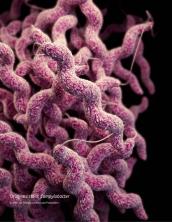
campy2

Image CDC

Researchers in China have reported the first identified outbreak caused by a local Campylobacter jejuni infection in Beijing.

A total of 14 patients were sick who worked at the same factory. They had shared a common meal supplied from a meal delivery company. The outbreak was not related to the ongoing COVID-19 outbreak.

“Recently, the accelerated pace of life may dramatically increase use of meal delivery in major cities and may subsequently increase the risk of infection or food poisoning caused by foodborne pathogens,” said researchers in an article in China CDC Weekly.

Finland – Decline in foodborne outbreaks likely due to COVID-19 measures

Food Safety News

More than four times fewer suspected food and waterborne epidemics have been reported in Finland in the past few months.

Between March and May, four suspected foodborne outbreaks were reported, compared with an average of 18 in previous years, according to the Finnish Institute for Health and Welfare (THL).

The agency believes this is because of the coronavirus pandemic and associated limitations and recommendations. When hands are washed diligently and food is prepared for smaller groups, there are fewer epidemics, the THL reported.

Suspected pathogens in the four outbreaks are Campylobacter, Yersinia, and norovirus.


Viet Nam – 22 die of food poisoning in first five months, authority to inspect food safety

SGGP News

According to the administration’s report at a meeting “ Prevention of food poisoning from company kitchens” in Ho Chi Minh City yesterday, the country has recorded 48 food poisoning cases killing 22 people infecting 872 people and driving 824 people into hospitals.
Food poisoning cases are caused by Microorganism (with 8.7 percent), by natural toxic ( with 28.4 percent), by chemicals ( with 4.2 percent) and unidentified causes( 28.7 percent).
In addition to concern of unsafe food in kitchen in industrial parks and export processing zones in Ho Chi Minh City, unsafe food in schools is the most concern.


Denmark – Campylobacter outbreak linked to milk sickens more than 100

Food Safety News

More than 100 people are sick in a Campylobacter outbreak in Denmark linked to a local dairy.

The Danish Veterinary and Food Administration (Fødevarestyrelsen), DTU Food Institute and Statens Serum Institut (SSI) are investigating illnesses that began in Bornholm in late May.

Patient interviews point toward pasteurized milk from Bornholms Andelsmejeri (Bornholm Dairy) as the source of infection but product testing has been negative for Campylobacter. Bornholm Dairy is a cooperative owned by Bornholm milk producers.

Research – Emerging Foodborne Pathogens

Pub Med

The broad spectrum of foodborne infections has changed dramatically over time, as well-established pathogens have been controlled or eliminated, and new ones have emerged. The burden of foodborne disease remains substantial: one in four Americans is estimated to have a significant foodborne illness each year. The majority of these illnesses are not accounted for by known pathogens, so more must remain to be discovered. Among the known foodborne pathogens, those more recently identified predominate, suggesting that as more and more is learned about pathogens, they come under control. In addition to the emergence or recognition of new pathogens, other trends include global pandemics of some foodborne pathogens, the emergence of antimicrobial resistance, the identification of pathogens that are highly opportunistic, affecting only the most high-risk subpopulations, and the increasing identification of large and dispersed outbreaks. New pathogens can emerge because of changing ecology or changing technology that connects a potential pathogen with the food chain. They also can emerge de novo by transfer of mobile virulence factors, often through bacteriophage. Though this is rarely observed, it can be reconstructed. Better understanding of the ecology and dynamics of phage transmission among bacteria will help us to understand the appearance of new pathogens in the future. One may look for emerging foodborne pathogens among the silent zoonoses, and among the severe infections affecting the immunocompromised humans. We should expect the unexpected. In the past, separating human sewage and animal manure from human food and water supplies was critical to improving public health. Now, our health depends increasingly on the safety of the feed and water supplies for the animals themselves. The successes of the 20th century and the new challenges we face mean that public health vigilance, careful investigation of new problems, responsible attention to food safety from farm to table, and partnerships to bring about new foodborne disease control measures will be needed for the foreseeable future.