Category Archives: foodborne outbreak

USA – FDA says the hepatitis A virus in this year’s frozen strawberry outbreak is identical to one from 2022

Food Safety News

Federal officials have confirmed that the strain of hepatitis A virus found in frozen organic strawberries involved in a multi-state outbreak this year is the same strain that caused an outbreak in 2022.

The organic strawberries associated with both outbreaks were imported to the United States from the same growing area in Baja California, Mexico, according to an outbreak update from the U.S. Food and Drug Administration.

So far this year there have been seven people confirmed infected and all seven reported eating frozen organic strawberries. Two of the patients required hospitalization.

FDA’s traceback investigation identified a common supplier of frozen organic strawberries, but Tuesday’s update did not name the supplier. Both this year and in 2022 the implicated strawberries were sold at a variety of stores under several different brand names.

USA – Update – Outbreak Investigation of Hepatitis A Virus Infections: Frozen Strawberries (February 2023)

FDA

Product

California Splendor Recall: Kirkland Signature 4-lb. bag Frozen Organic Whole Strawberries in certain states with specific lot codes.

Scenic Fruit Recall: frozen organic strawberries with the following brand names and Best By Dates distributed to specific states:

  • Simply Nature, Organic Strawberries, Best By 06/14/2024
  • Vital Choice, Organic Strawberries, BEST BY 05/20/2024
  • Kirkland Signature, Organic Strawberries, Best If Used By 10/08/2024
  • Made With, Organic Strawberries, Best Before 11/20/2024
  • PCC Community Markets, Organic Strawberries, Best By 29/10/2024
  • Trader Joe’s, Organic Tropical Fruit Blend with the following Best By dates: 04/25/24; 05/12/24; 05/23/24; 05/30/24; 06/07/24

Stores Affected

California Splendor supplied recalled product to Costco stores in Los Angeles and Hawaii, and to two San Diego business centers. Scenic Fruit supplied recalled product to Costco, Aldi, KeHE, Vital Choice Seafood, and PCC Community Markets in specific states, and to Trader Joe’s nationwide.

On March 17, 2023, the retailer, Meijer, also issued press to voluntarily recall Made-WithExternal Link Disclaimer brand frozen organic strawberries from certain market store locations.

This is not an exhaustive list of products or stores. FDA is continuing to work with the firms to identify potential additional product information.

Symptoms of Hepatitis A

Illness usually occurs within 15 to 50 days after eating or drinking contaminated food or water. Symptoms of hepatitis A virus infection include fatigue, nausea, vomiting, abdominal pain, jaundice, dark urine, and pale stool. In some instances, particularly in children under the age of six, hepatitis A infection may be asymptomatic.

Status

Ongoing

Recommendation

  • Consumers, restaurants, and retailers should not sell, serve, or eat recalled frozen strawberries. These recalled products should be returned or thrown away.
  • If consumers purchased the recalled frozen organic strawberries and ate those berries in the last two weeks, and have not been vaccinated against hepatitis A, they should immediately consult with their healthcare professional to determine whether post exposure prophylaxis (PEP) is needed. PEP is recommended for unvaccinated people who have been exposed to hepatitis A virus in the last two weeks because vaccination can prevent a hepatitis A virus infection if given within 14 days of exposure. Those with evidence of previous hepatitis A vaccination or previous hepatitis A virus infection do not require PEP.
  • Contact your healthcare provider if you think you may have symptoms of a hepatitis A virus infection after eating these frozen organic strawberries, or if you believe that you have eaten these strawberries in the last two weeks.

Current Update

April 11, 2023

The FDA and CDC, in collaboration with state and local partners, are investigating an outbreak of hepatitis A virus infections linked to frozen organic strawberries imported by a common supplier from certain farms located in Baja California, Mexico. The frozen organic strawberries were sold to a variety of retailers under multiple brand labels.

Based on epidemiological data collected by CDC, 7/7 (100%) people who provided information about what they ate before becoming ill reported eating frozen organic strawberries. FDA’s traceback investigation identified a common supplier of the frozen organic strawberries. Strawberries used by this supplier were imported from certain farms located in Baja California, Mexico, in 2022. Additionally, the strain of hepatitis A virus causing illnesses this year is genetically identical to the strain that caused the outbreak of hepatitis A virus infections in 2022, which was linked to fresh organic strawberries imported from Baja California, Mexico, and sold at various retailers.


Case Counts

Total Illnesses: 7
Hospitalizations: 2
Deaths: 0
Last Illness Onset: March 26, 2023
States with Cases: WA (5), CA (2)
Product Distribution: Nationwide

USA – Outbreak Investigation of Listeria monocytogenes: Enoki Mushrooms (November 2022)

FDA

The US Food and Drug Administration (FDA), along with Centers for Disease Control and Prevention (CDC) as well as state and local partners, investigated an outbreak of Listeria monocytogenes infections linked to enoki mushrooms. FDA identified enoki mushrooms distributed by Utopia Foods, Inc. of Glendale, New York, and imported from China, and enoki mushrooms labeled as “Producer: Shandong Youhe Biotechnology, Co.,” with an address in China and “Distributed By: Sun Hong Foods, Inc.” as likely sources of illnesses in this outbreak. Enoki mushrooms are long thin white mushrooms, usually sold in clusters. They are especially popular in East Asian cuisine and are also known as enokitake, golden needle mushrooms, futu, seafood mushrooms, or lily mushrooms.

As of April 7, 2023, CDC reports this outbreak is over. Five people in four states (CA, MI, NJ, NV) were sickened with five people reporting hospitalization. There was one pregnancy-associated illness and no reported deaths.

During this investigation, FDA leveraged ongoing surveillance sampling efforts. Several import and retail samples were collected and tested by FDA and/or state and local partners. Laboratory results indicated that many enoki products sampled were contaminated with Listeria. On January 17, 2023, FDA reported a positive import sample of enoki mushrooms that matched both outbreak strains and resulted in a voluntary recall expansion from Utopia Foods, Inc.

Additional sample collection and analysis conducted by the Maryland Department of Health identified both outbreak strains of Listeria in two product samples of enoki mushrooms. The products that tested positive were sold in a 7.05-oz (200g) clear plastic package with a brown and green label and included a label on the back of the package that states: “Producer: Shandong Youhe Biotechnology Co.,” with an address in China, and “Distributed By: Sun Hong Foods, Inc.”

While the outbreak has ended, FDA continues to assess the risk of Listeria contamination in enoki mushrooms.

Further, FDA has added enoki mushrooms from China to a country wide import alert (Import Alert (IA) #25-21). As stated in the Import Alert, FDA Import Divisions may subject shipments of enoki mushrooms from Republic of Korea and China to Detention Without Physical Examination (DWPE). FDA import alerts inform the FDA’s field staff and the public that the agency has enough evidence to allow for DWPE of products that appear to be in violation of the FDA’s laws and regulations. DWPE helps to prevent potentially violative products from being distributed in the United States.

In addition, after the 2020 outbreak linked to enoki mushrooms, FDA began implementing a Strategy to Help Prevent Listeriosis and Salmonellosis Outbreaks Associated with Imported Enoki and Imported Wood Ear Mushrooms, to protect public health. This prevention strategy is an affirmative, deliberate approach undertaken by FDA and stakeholders to help limit or prevent future outbreaks linked to certain FDA-regulated foods.

Recommendation

Although this outbreak investigation has ended, FDA and CDC are working to better understand the risk of Listeria monocytogenes contamination in enoki mushrooms.

CDC and FDA advise people who are pregnant, aged 65 or older, or have a weakened immune system to cook enoki mushrooms thoroughly, and to: 

  • Avoid eating enoki mushrooms raw. 
  • Keep raw enoki mushrooms separate from foods that won’t be cooked.
  • Wash your hands, items, and surfaces that have touched raw enoki mushrooms.

Restaurants should cook enoki mushrooms thoroughly before serving to customers, follow FDA’s safe handling and cleaning advice, and use extra vigilance in cleaning and sanitizing any surfaces and containers that may have come in contact with these products.

This advice is based on the following information:

  • Two recent multistate Listeria outbreaks have been linked to enoki mushrooms: This outbreak, and the first known Listeria outbreak in the United States linked to enoki mushrooms in 2020.
  • During this investigation, FDA leveraged ongoing surveillance sampling efforts. Several import and retail samples were collected and tested by FDA and/or state and local partners and many were contaminated with Listeria. Some samples contained high levels of the bacteria.
  • More than 20 recalls of enoki mushrooms due to potential Listeria contamination have been conducted since 2020.

Research – Human and animal botulism surveillance in France from 2008 to 2019

Frontiers in Microbiology

Botulism is a human and animal neurological disease caused by the action of bacterial neurotoxins (botulinum toxins) produced by bacteria from the genus Clostridium. This disease induces flaccid paralysis that can result in respiratory paralysis and heart failure. Due to its serious potential impact on public health, botulism is a closely monitored notifiable disease in France through a case-based passive surveillance system. In humans, this disease is rare, with an average of 10 outbreaks reported each year, mainly due to the consumption of contaminated foods. Type B and to a lesser extend type A are responsible for the majority of cases of foodborne botulism. Each year, an average of 30 outbreaks are recorded on poultry farms, about 20 cases in wild birds and about 10 outbreaks in cattle, involving a large number of animals. Mosaic forms C/D and D/C in birds and cattle, respectively, are the predominant types in animals in France. Types C and D have also been observed to a lesser extent in animals. With the exception of botulinum toxin E, which was exceptionally detected throughout the period in wild birds, the types of botulism found in animal outbreaks are different from those identified in human outbreaks over the last ten years in France and no human botulism outbreaks investigated have been linked to animal botulism. In line with the One Health concept, we present the first integrative approach to the routine surveillance of botulism in humans and animals in France.

USA – FDA Warning Letter – Old Europe Cheese, Inc. – Listeria monocytogenes

FDA

Dear Mr. Navarro,

The United States Food and Drug Administration (FDA) inspected your ready-to-eat (RTE) soft and semi-soft cheese manufacturing facility, located at 1330 E. Empire Avenue, Benton Harbor, MI, from September 13, 2022 through October 6, 2022. The inspection, conducted jointly with the Michigan Department of Agriculture and Rural Development (MDARD), was initiated as part of a multistate outbreak of Listeria monocytogenes (L. monocytogenes) infections linked to RTE soft cheese products supplied by your facility. According to the Centers for Disease Control and Prevention (CDC), six (6) ill people from six (6) states were infected with the outbreak strain of L. monocytogenes. On September 30, 2022, your firm recalled all RTE Brie and Camembert Soft Cheese products because they had the potential of being contaminated with L. monocytogenes. On October 5, 2022 your firm expanded the recall to also include Baked Brie Cheeses. One (1) environmental swab isolate collected by FDA during our inspection of your manufacturing facility matched the clinical outbreak isolates, based on Whole Genome Sequencing (WGS) analysis. According to the CDC, epidemiologic, traceback, and laboratory data showed that cheese made by Old Europe Cheese, Inc. made people sick.

USA – Salmonella Outbreak Linked to Flour

CDC

Investigators are working to identify a specific brand of flour linked to this outbreak. However, any raw (unbaked) flour can have germs, like Salmonella. Do not eat or play with uncooked flour, dough, or batter.

Fast Facts
  • Illnesses: 12
  • Hospitalizations: 3
  • Deaths: 0
  • States: 11
  • Recall: No
  • Investigation status: Active
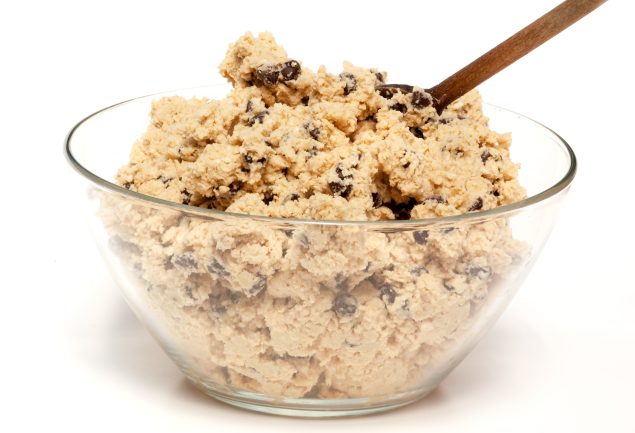
Bowl of cookie dough with a wooden spoon and chocolate chips
Salmonella in Raw Flour

Flour doesn’t look like a raw food, but most flour is raw. This means that it hasn’t been treated to kill germs that cause food poisoning. Any raw (unbaked) flour used to make dough or batter can be contaminated with germs like Salmonella, but Salmonella germs are killed when flour is cooked or baked. You can get sick after eating or tasting raw dough or batter. Children can get sick from handling or eating raw dough used for crafts or play clay.

Source of the Outbreak

Most people reported eating raw dough or batter made with flour before they got sick. Flour was the only common ingredient in the raw dough or batter people reported eating. Investigators are working to identify a specific brand of flour linked to illnesses.

What You Should Do
  • Do not eat raw dough or batter – even a small amount can make you or your child sick
    • Bake or cook food made with raw flour, like cookie dough or cake batter, before eating it.
    • Follow the recipe or package instructions for cooking or baking. Use the temperature and cooking time given in the recipe or instructions.
    • Buy heat-treated flour to use in recipes for homemade playdough.
  • Clean
    • Wash any bowls, utensils, and surfaces that touched raw flour with warm water and soap.
    • Wash your hands with warm water and soap before and after using raw flour.
  • Separate
    • Keep raw flour, dough, and batter separate from foods that won’t be cooked.
  • Call a healthcare provider right away if you or your child have:
    • Diarrhea and a fever higher than 102°F
    • Diarrhea for more than 3 days that is not improving
    • Bloody diarrhea
    • So much vomiting that you cannot keep liquids down
    • Signs of dehydration, such as:
      • Not peeing much
      • Dry mouth and throat
      • Feeling dizzy when standing up

Norovirus confirmed on three recent cruises

Outbreak News Today

Celebrity Cruises’ Celebrity Equinox’s March 9–March 18, 2023 voyage had 136 illnesses among passengers and crew.

Celebrity Cruises’ Celebrity Constellation March 6–March 17, 2023 voyage had 96 passengers and crew sickened with norovirus.

Princess Cruises’ Ruby Princess February 26–March 5, 2023 voyage had 318 cases of vomiting and diarrhea from norovirus.

In 2023 to date, nine cruise ship voyages have had outbreaks investigated by the CDC. Four had norovirus as the etiology, while the other five remain unknown.

Norovirus is a highly contagious viral illness that often goes by other names, such as viral gastroenteritis, stomach flu, and food poisoning.

The symptoms include nauseavomitingdiarrhea, and some stomach cramping. Sometimes people additionally have a low-grade fever, chills,headache, muscle aches, and a general sense of tiredness. The illness often begins suddenly, and the infected person may feel very sick. In most people, the illness is self-limiting with symptoms lasting for about 1 or 2 days. In general, children experience more vomiting than adults do.

Research – Rare Recombinant GI.5[P4] Norovirus That Caused a Large Foodborne Outbreak of Gastroenteritis in a Hotel in Spain in 2021 – Food Handler

Journals ASM

Noroviruses are among the most important causes of acute gastroenteritis (AGE). In summer 2021, a large outbreak of norovirus infections affecting 163 patients, including 15 norovirus-confirmed food handlers, occurred in a hotel in Murcia in southeast Spain. A rare GI.5[P4] norovirus strain was identified as the cause of the outbreak.
The epidemiological investigation determined that norovirus transmission might have been initiated through an infected food handler. The food safety inspection found that some symptomatic food handlers continued working during illness. Molecular investigation with whole-genome and ORF1 sequencing provided enhanced genetic discrimination over ORF2 sequencing alone and enabled differentiation of the GI.5[P4] strains into separate subclusters, suggesting different chains of transmission. These recombinant viruses have been identified circulating globally over the last 5 years, warranting further global surveillance.
IMPORTANCE Due to the large genetic diversity of noroviruses, it is important to enhance the discriminatory power of typing techniques to differentiate strains when investigating outbreaks and elucidating transmission chains. This study highlights the importance of (i) using whole-genome sequencing to ensure genetic differentiation of GI noroviruses to track chains of transmission during outbreak investigations and (ii) the adherence of symptomatic food handlers to work exclusion rules and strict hand hygiene practices. To our knowledge, this study provides the first full-length genome sequences of GI.5[P4] strains apart from the prototype strain.

St Kitts and Nevis updates guidance on acute gastro outbreak – Norovirus

Loop News

Food Borne Illness - Norovirus -CDC Photo

St Kitts and Nevis has once again addressed the issue of acute gastroenteritis on island.

The St Kitts and Nevis Information Service (SKNIS) says according to a report from the Chief Medical Officer, over the past few weeks several children and adults in the Federation have been diagnosed with acute gastroenteritis (AGE).

It notes this outbreak of AGE is not unique to St Kitts and Nevis, and that a similar trend is observed in several CARICOM member states.

It is reported the Caribbean Public Health Agency (CARPHA) has noted a multi-country increase in reported cases of AGE in children and adults and based on epidemiological information, the most likely cause of this AGE multi-country outbreak is Norovirus.

Norovirus was confirmed on more than one of the cruise ships travelling in the Caribbean and the UK Health Security Agency reports a sharp increase in confirmed cases of norovirus in recent weeks.

Norovirus can only be confirmed through laboratory testing.

Samples were sent off to CARPHA for analysis on Monday, March 27, 2023.

USA – Listeria Outbreak Linked to Deli Meat and Cheese

CDC

This outbreak is over. Even when there are no ongoing Listeria outbreaks, people who are pregnant, aged 65 or older, or have a weakened immune system should reheat deli meat and deli-sliced cheese to an internal temperature of 165°F or until steaming hot to kill any germs.

Fast Facts
  • Illnesses: 16
  • Hospitalizations: 13
  • Deaths: 1
  • States: 6
  • Recall: No
  • Investigation status: Closed
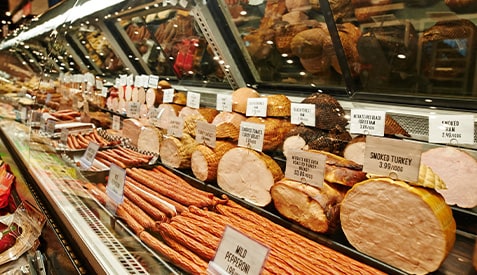
Store with deli meat and cheese on shelves
Listeria in Deli Meat and Deli-Sliced Cheese

Deli meats (cold cuts, lunch meats, hot dogs, and pâtés) and deli-sliced cheeses are known sources of Listeria illnesses. This is because Listeria can easily spread among food, food preparation surfaces like deli slicers, and hands. Listeria is a hardy germ that can be difficult to fully remove once it is present in a deli or a food processing facility. It can survive and grow at cold temperatures in a refrigerator.

Outbreak Investigation Summary

Data showed that deli meat and cheese bought at deli counters in multiple states were the likely sources of this outbreak.

  • Of 12 people interviewed, 11 reported eating meat or cheese from deli counters.
  • The outbreak strain of Listeria was found in open packages of mortadella, ham, and salami sliced at the deli, as well as a deli in Brooklyn, New York.

A single deli or food source was not identified. It is difficult for investigators to identify the specific source of outbreaks linked to deli meats and cheeses. This is because Listeria spreads easily between food and the deli environment, and it can live for a long time in deli display cases and on equipment. A contaminated food likely introduced the outbreak strain of Listeria into delis in multiple states.