Category Archives: Foodborne Illness

India – Indore: 20 students fall ill due to food poisoning, many hospitalised

Hindustan Times

At least 20 female students staying in a hostel of a private university in Madhya Pradesh‘s Indore district fell ill due to alleged food poisoning, an official said on Monday. The students complained of vomiting, diarrhoea and abdominal pain late Sunday night, SAGE University registrar Manish Chowdhary told PTI.

The university management, however, has denied that the food prepared in the hostel’s canteen was contaminated. “Many students of our hostel had gone to the city during the day and might have returned after consuming food from outside. We have also found out that some students had non-vegetarian food cooked outside the hostel premises on Sunday,” Chaudhary said.

Research – Raw food: health risks are often underestimated

BFR

A glass of raw milk for breakfast, a roll with raw ham in the lunch break and a homemade smoothie with frozen berries in the afternoon – raw or unheated food is a regular part of the population’s menu. This is shown by a current, representative survey by the Federal Institute for Risk Assessment ( BfR ). Raw animal and vegetable products should be consumed with caution. They can contain pathogenic germs such as salmonella, listeria and campylobacter and lead to foodborne infections. Small children, people with previous illnesses, the elderly and pregnant women are particularly at risk. “The health risks of raw foods are often underestimated,” says BfR-President Professor Dr. dr Andrew Hensel. “Heating protects. Diseases can be avoided with simple kitchen hygiene rules. Sensitive groups of people in particular should only eat raw animal food that has been sufficiently heated.”

To the BfR Consumer Monitor Special information brochure, raw foods:

The particularly popular raw foods include raw sausage and raw ham, which are eaten several times a week by more than a third of those surveyed. At least one to three times a month, 73 percent of those surveyed eat raw meat and sausage products, followed by soft cheese made from raw milk (57 percent). Other foods eaten with the same frequency by around a third of those surveyed are raw meat (38 percent), cold-smoked fish (33 percent) and frozen berries (33 percent). While about one in five (21 percent) eats raw sweet dough with eggs at least once or three times a month, it is still one in eight (12 percent) when it comes to raw dough without eggs. 19 percent of respondents drink raw milk at least one to three times a month.

Every year around 100,000 diseases are reported in Germany that may have been caused by bacteria, viruses or parasites in food. The number of unreported cases is likely to be much higher. While salmonella, listeria and norovirus are known to the majority of the population, the knowledge about other food-related pathogens is less good. Particularly surprising: Although campylobacteriosis has been the most frequently reported bacterial food-borne illness in Germany and Europe for years, only just under a quarter (23 percent) of people know the causative pathogen Campylobacter . The same applies to the abbreviations STEC, EHEC and VTEC for particularly dangerous Escherichia coli-Bacteria (27 percent). The pathogens mentioned can lurk in a large number of raw foods: salmonella and campylobacter in poultry, chicken eggs and raw meat and sausage products, listeria in cold-smoked fish products and raw milk cheese or noroviruses in raw oysters and frozen berries as well as STEC in flour.

The perception of the health risk sometimes differs greatly between different raw or unheated foods. The majority of respondents see a medium to (very) high health risk in particular with raw fish and raw seafood, raw meat, raw eggs and raw sweet dough with eggs. Frozen berries, on the other hand, are perceived as the least risky. Other foods that the majority of those surveyed also associate with a (very) low health risk are soft cheese made from raw milk, cold-smoked fish, raw sausage and raw ham, as well as raw dough without eggs.

In order to protect yourself from foodborne infections, it is important to observe the rules of kitchen hygiene so that pathogens do not spread from raw foods to others. Small children, pregnant women and people with a weakened immune system should only eat raw food from animals if they have been sufficiently heated beforehand.

Via the BfR consumer monitor

Whether antibiotic resistance, microplastics, salmonella or aluminum in food – which health risks are known to the population and what worries them? The BfR Consumer Monitor, a representative population survey that has been carried out regularly since 2014, provides answers to these and other questions . To this end, around 1,000 people living in private households in Germany are being interviewed by telephone on behalf of the BfR . In addition, the BfR conducts representative surveys on individual topics that are of particular current interest, such as tattoos, e-cigarettes, superfoods or additives in food.

Research – Large Multicountry Outbreak of Invasive Listeriosis by a Listeria monocytogenes ST394 Clone Linked to Smoked Rainbow Trout, 2020 to 2021

ASM

Whole-genome sequencing (WGS) has revolutionized surveillance of infectious diseases. Disease outbreaks can now be detected with high precision, and correct attribution of infection sources has been improved. Listeriosis, caused by the bacterium Listeria monocytogenes, is a foodborne disease with a high case fatality rate and a large proportion of outbreak-related cases. Timely recognition of listeriosis outbreaks and precise allocation of food sources are important to prevent further infections and to promote public health. We report the WGS-based identification of a large multinational listeriosis outbreak with 55 cases that affected Germany, Austria, Denmark, and Switzerland during 2020 and 2021. Clinical isolates formed a highly clonal cluster (called Ny9) based on core genome multilocus sequence typing (cgMLST). Routine and ad hoc investigations of food samples identified L. monocytogenes isolates from smoked rainbow trout filets from a Danish producer grouping with the Ny9 cluster. Patient interviews confirmed consumption of rainbow trout as the most likely infection source. The Ny9 cluster was caused by a MLST sequence type (ST) ST394 clone belonging to molecular serogroup IIa, forming a distinct clade within molecular serogroup IIa strains. Analysis of the Ny9 genome revealed clpYdgcB, and recQ inactivating mutations, but phenotypic characterization of several virulence-associated traits of a representative Ny9 isolate showed that the outbreak strain had the same pathogenic potential as other serogroup IIa strains. Our report demonstrates that international food trade can cause multicountry outbreaks that necessitate cross-border outbreak collaboration. It also corroborates the relevance of ready-to-eat smoked fish products as causes for listeriosis.
IMPORTANCE Listeriosis is a severe infectious disease in humans and characterized by an exceptionally high case fatality rate. The disease is transmitted through consumption of food contaminated by the bacterium Listeria monocytogenes. Outbreaks of listeriosis often occur but can be recognized and stopped through implementation of whole-genome sequencing-based pathogen surveillance systems. We here describe the detection and management of a large listeriosis outbreak in Germany and three neighboring countries. This outbreak was caused by rainbow trout filet, which was contaminated by a L. monocytogenes clone belonging to sequence type ST394. This work further expands our knowledge on the genetic diversity and transmission routes of an important foodborne pathogen.

Research Imported spring onions related to the first recorded outbreak of enteroinvasive Escherichia coli in Denmark, November to December 2021

Eurosurveillance

Enteroinvasive  (EIEC) is a Gram-negative bacteria causing diarrhoeal disease. EIEC is transmitted via the faecal–oral route, with a usual incubation period of 1–3 days; infections are frequently related to contaminated food and water [1,2]. In Denmark, disease caused by EIEC is mostly observed in returning travellers, but secondary transmission from person-to-person may occur [3]. In Europe, outbreaks of EIEC in 2012, 2014 and 2017 have been reported and, for all of these, contaminated vegetables were suspected as the source [46].

Clinically, EIEC infections present either with watery diarrhoea or dysentery. EIEC invade the epithelial cells of the large intestine in the same manner as  and symptoms resulting from EIEC infection are clinically indistinguishable from shigellosis [7]. Studies have shown that  and  species have high genomic and phenotypic similarity, leading to propose that  species should be reclassified as a subspecies of  [8,9].

Diagnostics of EIEC in Denmark are done locally through 10 different clinical microbiology laboratories situated at hospitals in the five Danish regions. The criteria for carrying out an EIEC diagnostic vary. Some laboratories test all faecal samples for diarrhoeagenic  including EIEC, while others test only faecal samples from suspected patients, based on their age, travel history and presence of bloody diarrhoea. The PCR diagnostic assays target the invasive plasmid gene () shared by both  spp. and EIEC [10]. Culture is required to differentiate the two species, and if culture is not possible or unsuccessful, faecal specimens are considered positive for the combination /EIEC. Detection of /EIEC is voluntarily notified as part of the Danish laboratory surveillance, where episodes are irregularly reported by the clinical microbiology laboratories to Statens Serum Institut (SSI), the national public health institute. All isolates from successfully cultured samples are furthermore routinely sent on a voluntary basis to SSI for further characterisation.

Outbreak detectionOn 10 December 2021, the clinical microbiology laboratory at Slagelse hospital in Region Zealand reported observing an increase between 5 and 8 December of patients diagnosed with domestically-acquired EIEC. During this period, this laboratory had detected a total of five such patients. On the same day (10 December), SSI identified one EIEC isolate with serotype O96:H- and three with serotype O136:H7 (two of which originated from Slagelse hospital), the latter a type never found in human samples from Denmark before. In total, between 6 and 10 December, SSI had received six EIEC isolates from three different regions of Denmark, exceeding the total number of EIEC isolates that were received in the months of December of the 2 previous years. A national outbreak was therefore declared on 13 December.

USA – FDA says the hepatitis A virus in this year’s frozen strawberry outbreak is identical to one from 2022

Food Safety News

Federal officials have confirmed that the strain of hepatitis A virus found in frozen organic strawberries involved in a multi-state outbreak this year is the same strain that caused an outbreak in 2022.

The organic strawberries associated with both outbreaks were imported to the United States from the same growing area in Baja California, Mexico, according to an outbreak update from the U.S. Food and Drug Administration.

So far this year there have been seven people confirmed infected and all seven reported eating frozen organic strawberries. Two of the patients required hospitalization.

FDA’s traceback investigation identified a common supplier of frozen organic strawberries, but Tuesday’s update did not name the supplier. Both this year and in 2022 the implicated strawberries were sold at a variety of stores under several different brand names.

MasterChef cooks cause food poisoning in Spain

Food Safety News

More than 40 people are suspected to have been affected by food poisoning as part of a TV cooking show in Spain.

Health officials in Valencia confirmed to local media that 44 diners invited to a recording of the MasterChef program on Jan. 19 suffered food poisoning. The episode was aired earlier this week. Symptoms included vomiting and diarrhea.

MasterChef is a popular reality television cooking show broadcast in several countries where contestants make a range of dishes, which are judged by experts.

Reports first surfaced on Twitter with a woman reporting she was one of many people who had gotten sick after tasting food served outside an aquarium in Valencia for staff as part of the program. A range of items, including seafood, were prepared for about 120 people.

Analysis, traceability information, and documentation of the process and treatment of food used and cooked were shown to health authorities.

However, officials were unable to find the source of the infection because of the time that had passed since the event meaning there was no food left to test.

The producer of the program in Spain, Shine Iberia, apologized to the affected diners.

“This is an absolutely exceptional case in these 11 years of MasterChef in Spain, a program where it is an absolute priority to guarantee the nutritional care of the people involved.”

USA – Update – Outbreak Investigation of Hepatitis A Virus Infections: Frozen Strawberries (February 2023)

FDA

Product

California Splendor Recall: Kirkland Signature 4-lb. bag Frozen Organic Whole Strawberries in certain states with specific lot codes.

Scenic Fruit Recall: frozen organic strawberries with the following brand names and Best By Dates distributed to specific states:

  • Simply Nature, Organic Strawberries, Best By 06/14/2024
  • Vital Choice, Organic Strawberries, BEST BY 05/20/2024
  • Kirkland Signature, Organic Strawberries, Best If Used By 10/08/2024
  • Made With, Organic Strawberries, Best Before 11/20/2024
  • PCC Community Markets, Organic Strawberries, Best By 29/10/2024
  • Trader Joe’s, Organic Tropical Fruit Blend with the following Best By dates: 04/25/24; 05/12/24; 05/23/24; 05/30/24; 06/07/24

Stores Affected

California Splendor supplied recalled product to Costco stores in Los Angeles and Hawaii, and to two San Diego business centers. Scenic Fruit supplied recalled product to Costco, Aldi, KeHE, Vital Choice Seafood, and PCC Community Markets in specific states, and to Trader Joe’s nationwide.

On March 17, 2023, the retailer, Meijer, also issued press to voluntarily recall Made-WithExternal Link Disclaimer brand frozen organic strawberries from certain market store locations.

This is not an exhaustive list of products or stores. FDA is continuing to work with the firms to identify potential additional product information.

Symptoms of Hepatitis A

Illness usually occurs within 15 to 50 days after eating or drinking contaminated food or water. Symptoms of hepatitis A virus infection include fatigue, nausea, vomiting, abdominal pain, jaundice, dark urine, and pale stool. In some instances, particularly in children under the age of six, hepatitis A infection may be asymptomatic.

Status

Ongoing

Recommendation

  • Consumers, restaurants, and retailers should not sell, serve, or eat recalled frozen strawberries. These recalled products should be returned or thrown away.
  • If consumers purchased the recalled frozen organic strawberries and ate those berries in the last two weeks, and have not been vaccinated against hepatitis A, they should immediately consult with their healthcare professional to determine whether post exposure prophylaxis (PEP) is needed. PEP is recommended for unvaccinated people who have been exposed to hepatitis A virus in the last two weeks because vaccination can prevent a hepatitis A virus infection if given within 14 days of exposure. Those with evidence of previous hepatitis A vaccination or previous hepatitis A virus infection do not require PEP.
  • Contact your healthcare provider if you think you may have symptoms of a hepatitis A virus infection after eating these frozen organic strawberries, or if you believe that you have eaten these strawberries in the last two weeks.

Current Update

April 11, 2023

The FDA and CDC, in collaboration with state and local partners, are investigating an outbreak of hepatitis A virus infections linked to frozen organic strawberries imported by a common supplier from certain farms located in Baja California, Mexico. The frozen organic strawberries were sold to a variety of retailers under multiple brand labels.

Based on epidemiological data collected by CDC, 7/7 (100%) people who provided information about what they ate before becoming ill reported eating frozen organic strawberries. FDA’s traceback investigation identified a common supplier of the frozen organic strawberries. Strawberries used by this supplier were imported from certain farms located in Baja California, Mexico, in 2022. Additionally, the strain of hepatitis A virus causing illnesses this year is genetically identical to the strain that caused the outbreak of hepatitis A virus infections in 2022, which was linked to fresh organic strawberries imported from Baja California, Mexico, and sold at various retailers.


Case Counts

Total Illnesses: 7
Hospitalizations: 2
Deaths: 0
Last Illness Onset: March 26, 2023
States with Cases: WA (5), CA (2)
Product Distribution: Nationwide

USA – Outbreak Investigation of Listeria monocytogenes: Enoki Mushrooms (November 2022)

FDA

The US Food and Drug Administration (FDA), along with Centers for Disease Control and Prevention (CDC) as well as state and local partners, investigated an outbreak of Listeria monocytogenes infections linked to enoki mushrooms. FDA identified enoki mushrooms distributed by Utopia Foods, Inc. of Glendale, New York, and imported from China, and enoki mushrooms labeled as “Producer: Shandong Youhe Biotechnology, Co.,” with an address in China and “Distributed By: Sun Hong Foods, Inc.” as likely sources of illnesses in this outbreak. Enoki mushrooms are long thin white mushrooms, usually sold in clusters. They are especially popular in East Asian cuisine and are also known as enokitake, golden needle mushrooms, futu, seafood mushrooms, or lily mushrooms.

As of April 7, 2023, CDC reports this outbreak is over. Five people in four states (CA, MI, NJ, NV) were sickened with five people reporting hospitalization. There was one pregnancy-associated illness and no reported deaths.

During this investigation, FDA leveraged ongoing surveillance sampling efforts. Several import and retail samples were collected and tested by FDA and/or state and local partners. Laboratory results indicated that many enoki products sampled were contaminated with Listeria. On January 17, 2023, FDA reported a positive import sample of enoki mushrooms that matched both outbreak strains and resulted in a voluntary recall expansion from Utopia Foods, Inc.

Additional sample collection and analysis conducted by the Maryland Department of Health identified both outbreak strains of Listeria in two product samples of enoki mushrooms. The products that tested positive were sold in a 7.05-oz (200g) clear plastic package with a brown and green label and included a label on the back of the package that states: “Producer: Shandong Youhe Biotechnology Co.,” with an address in China, and “Distributed By: Sun Hong Foods, Inc.”

While the outbreak has ended, FDA continues to assess the risk of Listeria contamination in enoki mushrooms.

Further, FDA has added enoki mushrooms from China to a country wide import alert (Import Alert (IA) #25-21). As stated in the Import Alert, FDA Import Divisions may subject shipments of enoki mushrooms from Republic of Korea and China to Detention Without Physical Examination (DWPE). FDA import alerts inform the FDA’s field staff and the public that the agency has enough evidence to allow for DWPE of products that appear to be in violation of the FDA’s laws and regulations. DWPE helps to prevent potentially violative products from being distributed in the United States.

In addition, after the 2020 outbreak linked to enoki mushrooms, FDA began implementing a Strategy to Help Prevent Listeriosis and Salmonellosis Outbreaks Associated with Imported Enoki and Imported Wood Ear Mushrooms, to protect public health. This prevention strategy is an affirmative, deliberate approach undertaken by FDA and stakeholders to help limit or prevent future outbreaks linked to certain FDA-regulated foods.

Recommendation

Although this outbreak investigation has ended, FDA and CDC are working to better understand the risk of Listeria monocytogenes contamination in enoki mushrooms.

CDC and FDA advise people who are pregnant, aged 65 or older, or have a weakened immune system to cook enoki mushrooms thoroughly, and to: 

  • Avoid eating enoki mushrooms raw. 
  • Keep raw enoki mushrooms separate from foods that won’t be cooked.
  • Wash your hands, items, and surfaces that have touched raw enoki mushrooms.

Restaurants should cook enoki mushrooms thoroughly before serving to customers, follow FDA’s safe handling and cleaning advice, and use extra vigilance in cleaning and sanitizing any surfaces and containers that may have come in contact with these products.

This advice is based on the following information:

  • Two recent multistate Listeria outbreaks have been linked to enoki mushrooms: This outbreak, and the first known Listeria outbreak in the United States linked to enoki mushrooms in 2020.
  • During this investigation, FDA leveraged ongoing surveillance sampling efforts. Several import and retail samples were collected and tested by FDA and/or state and local partners and many were contaminated with Listeria. Some samples contained high levels of the bacteria.
  • More than 20 recalls of enoki mushrooms due to potential Listeria contamination have been conducted since 2020.

USA – FDA Warning Letter – Old Europe Cheese, Inc. – Listeria monocytogenes

FDA

Dear Mr. Navarro,

The United States Food and Drug Administration (FDA) inspected your ready-to-eat (RTE) soft and semi-soft cheese manufacturing facility, located at 1330 E. Empire Avenue, Benton Harbor, MI, from September 13, 2022 through October 6, 2022. The inspection, conducted jointly with the Michigan Department of Agriculture and Rural Development (MDARD), was initiated as part of a multistate outbreak of Listeria monocytogenes (L. monocytogenes) infections linked to RTE soft cheese products supplied by your facility. According to the Centers for Disease Control and Prevention (CDC), six (6) ill people from six (6) states were infected with the outbreak strain of L. monocytogenes. On September 30, 2022, your firm recalled all RTE Brie and Camembert Soft Cheese products because they had the potential of being contaminated with L. monocytogenes. On October 5, 2022 your firm expanded the recall to also include Baked Brie Cheeses. One (1) environmental swab isolate collected by FDA during our inspection of your manufacturing facility matched the clinical outbreak isolates, based on Whole Genome Sequencing (WGS) analysis. According to the CDC, epidemiologic, traceback, and laboratory data showed that cheese made by Old Europe Cheese, Inc. made people sick.

USA – Salmonella Outbreak Linked to Flour

CDC

Investigators are working to identify a specific brand of flour linked to this outbreak. However, any raw (unbaked) flour can have germs, like Salmonella. Do not eat or play with uncooked flour, dough, or batter.

Fast Facts
  • Illnesses: 12
  • Hospitalizations: 3
  • Deaths: 0
  • States: 11
  • Recall: No
  • Investigation status: Active
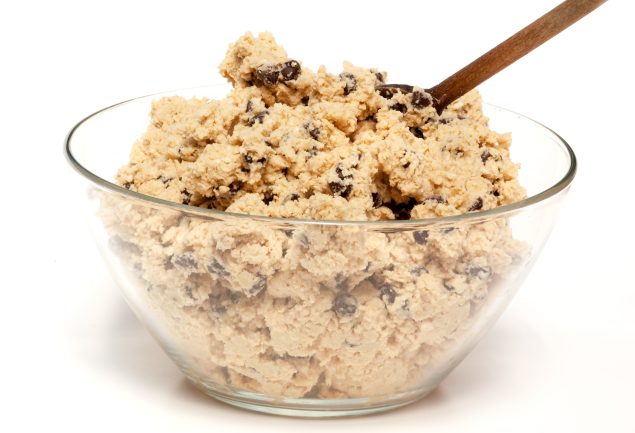
Bowl of cookie dough with a wooden spoon and chocolate chips
Salmonella in Raw Flour

Flour doesn’t look like a raw food, but most flour is raw. This means that it hasn’t been treated to kill germs that cause food poisoning. Any raw (unbaked) flour used to make dough or batter can be contaminated with germs like Salmonella, but Salmonella germs are killed when flour is cooked or baked. You can get sick after eating or tasting raw dough or batter. Children can get sick from handling or eating raw dough used for crafts or play clay.

Source of the Outbreak

Most people reported eating raw dough or batter made with flour before they got sick. Flour was the only common ingredient in the raw dough or batter people reported eating. Investigators are working to identify a specific brand of flour linked to illnesses.

What You Should Do
  • Do not eat raw dough or batter – even a small amount can make you or your child sick
    • Bake or cook food made with raw flour, like cookie dough or cake batter, before eating it.
    • Follow the recipe or package instructions for cooking or baking. Use the temperature and cooking time given in the recipe or instructions.
    • Buy heat-treated flour to use in recipes for homemade playdough.
  • Clean
    • Wash any bowls, utensils, and surfaces that touched raw flour with warm water and soap.
    • Wash your hands with warm water and soap before and after using raw flour.
  • Separate
    • Keep raw flour, dough, and batter separate from foods that won’t be cooked.
  • Call a healthcare provider right away if you or your child have:
    • Diarrhea and a fever higher than 102°F
    • Diarrhea for more than 3 days that is not improving
    • Bloody diarrhea
    • So much vomiting that you cannot keep liquids down
    • Signs of dehydration, such as:
      • Not peeing much
      • Dry mouth and throat
      • Feeling dizzy when standing up