Category Archives: Foodborne Illness

USA – Seattle IHOP linked to Norovirus

Food Poison Journal

Summary

Public Health is investigating an outbreak of norovirus-like illness associated with vomiting, diarrhea, abdominal pain, and chills at IHOP #1755 in Seattle.

Illnesses

Since April 29, 2022, 5 people from 1 meal party reported becoming ill after eating food from IHOP on April 28, 2022. We have not identified any ill employees.

Israel – Strauss warns of profit impact due to Salmonella incident

Food Safety News

Strauss Group has estimated the impact of Salmonella illnesses and related recalls to be about U.S. $33 million on first quarter financial results.

The company said net profit for the first quarter of 2022 is expected to be hit by Israeli New Shekel 115 to 125 million ($33.6 to $36.5 million). The financial statement as of March 31 is expected to be published around May 25.

During an inspection of Strauss’s factory in Nof Hagalil, Israel in April, the Ministry of Health found “significant” failings in the company’s protocols. The agency has suspended the plant’s approval for three months or until issues detected during the visit have been rectified.

Elite branded items such as cakes, wafers, energy grain snacks, energy chocolate rice cakes, chewing gum and toffee candies were sent to the United States, Canada, Australia, New Zealand, Austria, Brazil, Cyprus, Estonia, France, Germany, Hungary, Italy, Luxembourg, Netherlands, Poland, Romania, Russia, South Africa, Spain, Sweden and the United Kingdom.

USA – CDC closes infant formula outbreak investigation; FDA continues work to find source; USDA works to resolve shortages – Cronobacter

Food Safety News

The CDC has declared that an outbreak of cronobacter infections among babies is over, but the Food and Drug Administration is continuing its investigation into the maker of the implicated infant formula.

The FDA received four complaints of cronobacter infections in infants beginning on Sept. 20, 2021, and running through Jan. 11, 2022. Two of the infected babies died. Parents of all four infants reported having fed their children formula produced by Abbott Nutrition before they became ill.

The Centers for Disease Control and Prevention worked with the FDA and state health departments to investigate the outbreak. The FDA began an investigation into Abbott’s Sturgis, MI, production facility and the plant remains closed while the investigation continues. Although five strains of cronobacter have been found in the production plant, none of them is an exact match for the patient samples.

The situation led to the recall of certain Similac products as well as products sold under the Alimentum and EleCare brands.

France- France Salmonella outbreak linked to Kinder chocolate hits 81

Food Poison Journal

Following the investigations carried out by the Belgian health authorities, together with their English, European and in particular French counterparts, the company Ferrero proceeded on April 5, 2022 to the recall of several Kinder range products manufactured in a factory in Belgium due to suspected contamination by Salmonella Typhimurium . On April 8, 2022, the recall finally affected all Kinder products from this factory, regardless of their expiry date. On April 14, 2022, an update of the recalled products, including the 2021 Christmas Advent Calendars, was released.

In total, as of 05/04/2022: 81 cases of salmonellosis with a strain belonging to the epidemic have been identified by the National Reference Center (CNR) for salmonella at the Institut Pasteur in France.

The 81 cases are spread over 12 regions (Grand-Est (14 cases), Ile-De-France (13 cases), Provence-Alpes-Côte d’Azur (13 cases), Auvergne-Rhône-Alpes (11 cases), Hauts-de-France (8 cases), Normandy (5 cases), Bourgogne-Franche-Comté (4 cases), New Aquitaine (4 cases), Occitanie (4 cases), Brittany (3 cases), Pays de la Loire (1 case) and Corsica (1 case)), with a median age of 4 years, and concern 42 girls and 39 boys.

USA- Staph food poisoning linked to illnesses among Coachella bus drivers

Outbreak News Today

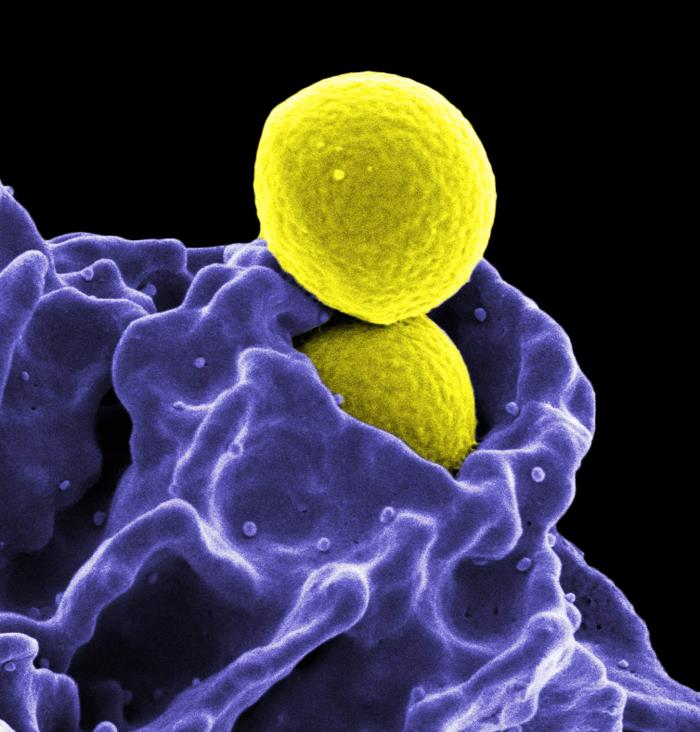
MRSA Staphylococcus KSW Food World

According to the Riverside County Health Department, tests conducted on food collected after dozens of employees of a shuttle bus company became ill last month detected a bacterial toxin that can cause the symptoms described by those who became sick.

A state health department laboratory reported this week that Staphylococcal aureus (Staph) enterotoxin was detected in the food sample collected by a Los Angeles County resident who became ill shortly after eating a dinner catered for employees of a shuttle bus company on April 24. The company had provided shuttle service for the Coachella Music Festival.

Research – IAFNS presents new research on pathogens and low-moisture foods

Food Safety News

New research on hazards in low-moisture foods fills critical knowledge gaps and identifies cutting-edge decontamination tools. The Institute for the Advancement of Food and Nutrition Sciences hopes the study will empower food safety professionals to reduce risks in the foods and prevent foodborne illness outbreaks.

Because the persistence of pathogens and viruses in ingredients and ready-to-eat foods has wide-ranging impacts on our food supply, the Institute for the Advancement of Food and Nutrition Sciences (IAFNS) is supporting a body of research on this topic. The studies focus on low-moisture foods such as nuts, dried fruits, cereal products and chocolate. These foods are often ingrediates in other foods, so they can potentially amplify outbreaks and recalls over a wide variety of products, according to researchers.

These studies were performed as part of a multi-center research collaboration between the University of Guelph, Health Canada and North Carolina State University. This collaboration enabled the investigators’ diverse perspectives and expertise to strengthen this line of research.

According to Jeff Farber of the University of Guelph, “the increased awareness of the importance of low-moisture foods (LMF) as a possible vehicle for foodborne illness has already led to better approaches toward prevention and control and will continue to do so in the future.”

Read More at the link above.

USA – FDA Investigation of Cronobacter Infections: Powdered Infant Formula (February 2022)

FDA

Content current as of:
05/11/2022

If you want to check if your powdered formula is part of the recall, you can enter the product lot code on the bottom of your package on the company’s websiteExternal Link Disclaimer.

If you have questions or need information about the recall, you can Submit Questions/Get Assistance.

If your infant is experiencing symptoms related to Cronobacter infection, such as poor feeding, irritability, temperature changes, jaundice, grunting breaths, or abnormal body movements; contact your health care provider to report their symptoms and receive immediate care.

To report an illness or adverse event, you can

The U.S. Food and Drug Administration (FDA), along with the Centers for Disease Control and Prevention (CDC) and state and local partners are investigating consumer complaints and/or reports, received from 9/20/2021 to 1/11/2022, of infant illness related to products from Abbott Nutrition’s Sturgis, MI, facility. The four ill patients are reported to have consumed powdered infant formula produced from Abbott Nutrition’s Sturgis, MI, facility.

On May 10, 2022, the U.S. Food and Drug Administration provided an update on its work to increase the availability of infant and specialty formula products. This update was announced with a separate press release.

Following the voluntary recall and hold of certain powdered infant formula products produced at the Abbott Nutrition facility in Sturgis, MI, Abbott has committed to completing enhanced testing of stored product batches prior to making release determinations. While the FDA recognizes that Abbott has conducted standard product testing, there were a limited number of samples tested. Additionally, although finished product testing does not eliminate the risk of contamination, the enhanced testing will provide for a greater chance to detect Cronobacter sakazakii, if present; however, this enhanced level of testing will take additional time.

In the meantime, the FDA has informed Abbott Nutrition that the agency has no objection to the company immediately releasing product to individuals needing urgent, life-sustaining supplies of the specialty and metabolic formulas listed below on a case-by-case basis. The FDA is concerned that the risk of not having certain specialty and metabolic products available could significantly worsen underlying medical conditions and in some cases pose life-threatening risks for infants and individuals who rely on these products. In these circumstances, the benefit of allowing parents, in consultation with their healthcare providers, to access these products may outweigh the potential risk of bacterial infection.

Abbott has confirmed with the FDA that the company will consider release of these products on a case-by-case basis, depending on product availability and the severity of the individual’s need. Patients and caregivers seeking access to these products should contact Abbott directly to request that a product be made available to them by calling 1-800-881-0876.

It is important for parents and caregivers to understand that any products released on a case-by-case basis at this time were made at Abbott Nutrition’s Sturgis, MI, facility, and that the processes, procedures, and conditions that the FDA observed during its inspection of the Sturgis MI production facility from January 31 – March 18, 2022, raise concerns that powdered infant formula produced at this facility prior to the FDA’s inspection carry a risk of contamination. Therefore, those seeking access should consult with their healthcare provider in considering whether the benefit of consuming such product outweighs the potential risk of bacterial infection in the user’s particular circumstances. Parents and caregivers should continue to work with their medical provider to consider whether comparable alternative products may be appropriate.

Parents and caregivers who obtain these products should carefully follow Abbott’s preparation instructions as indicated on the product container. Should product released on a case-by-case basis be used, parents and caregiver should pay close attention to the user’s health status and alert a healthcare provider immediately of any change in health status. In the meantime, the FDA is continuing to work diligently to ensure the safe resumption of production of infant formula at Abbott Nutrition’s Sturgis, Michigan facility.

Specialty and Metabolic Formulas that may be Released on a Case-By-Case Basis:

  • Glutarex-1
  • Glutarex-2
  • Cyclinex-1
  • Cyclinex-2
  • Hominex-1
  • Hominex-2
  • I-Valex-1
  • I-Valex-2
  • Ketonex-1
  • Ketonex-2
  • Phenex-1
  • Phenex-2
  • Phenex-2 Vanilla
  • Pro-Phree
  • Propimex-1
  • Propimex-2
  • ProViMin
  • Calcilo XD
  • Tyrex-1
  • Tyrex-2
  • Similac PM 60/40

Recommendation

The FDA is advising consumers not to use recalled Similac, Alimentum, or EleCare powdered infant formulas. Recalled products can be identified by the 7 to 9 digit code and expiration date on the bottom of the package (see image below). Products are included in the recall if they have all three items below:

  • the first two digits of the code are 22 through 37 and
  • the code on the container contains K8, SH, or Z2, and
  • the expiration date is 4-1-2022 (APR 2022) or later.

In addition to products described above, Abbott Nutrition has recalled Similac PM 60/40 with a lot code 27032K80 (can) / 27032K800 (case). At this time, Similac PM 60/40 with lot code 27032K80 (can) / 27032K800 (case) is the only type and lot of this specialty formula being recalled. Additional recall information for the initial recall is available on the FDA website. Parents can also enter their product lot code on the company’s websiteExternal Link Disclaimer to check if it is part of the recall.

Additional information for parents and caregivers of infants receiving medical specialty infant formulas and individuals using certain medical foods is available below.

Additional Information for Parents and Caregivers:

The recalls do not include liquid formula products.

Parents and caregivers should never dilute infant formula and should not make or feed homemade infant formula to infants. Consumers should also avoid purchasing imported formula through online sales, as it has the potential to be counterfeit.

If your regular formula is not available, contact your child’s healthcare provider for recommendations on changing feeding practices.

If you get infant formula through WIC, do not throw the formula out. Instead, you should take it to the store for a refund and exchange or call the company at 1-800-986-8540 to help you. WIC recipients should be able to obtain a different brand of similar formula. Call your local WIC clinic for more guidance. Also see:

More information on Cronobacter and infant formula is available on CDC’s website.

Recalled powdered infant formulas have the potential to be contaminated with Cronobacter, a bacterium that can cause severe foodborne illness primarily in infants. Cronobacter infections are rare but are especially high risk for newborn infants (see symptoms below).

Cronobacter bacteria can cause severe, life-threatening infections (sepsis) or meningitis (an inflammation of the membranes that protect the brain and spine). Symptoms of sepsis and meningitis may include poor feeding, irritability, temperature changes, jaundice (yellow skin and whites of the eyes), grunting breaths, and abnormal body movements. Cronobacter infection may also cause bowel damage and may spread through the blood to other parts of the body.

If your child is experiencing any of these symptoms, you should notify your child’s healthcare provider and seek medical care for your child immediately. Healthcare providers and health departments are encouraged to report any confirmed cases of Cronobacter sakazakii to CDC.

Research – Investigation of an international outbreak of multidrug-resistant monophasic Salmonella Typhimurium associated with chocolate products, EU/EEA and United Kingdom, February to April 2022 – Update

Eurosurveillance

In February 2022, a small five-single nucleotide polymorphism (SNP) single linkage cluster of eight cases of infection with monophasic  subsp.  serotype Typhimurium (1,4,5,12:i:-) eBG 1, sequence type (ST) 34 was identified in the United Kingdom (UK). The cluster was unusual, with all but one reported case younger than 10 years, and the strain demonstrated genotypic markers of an unusual antimicrobial resistance pattern not commonly seen in livestock, food or human disease cases in the UK. The cluster was not closely related to any other UK strains of monophasic  Typhimurium.

Exploratory interviews using an open-ended, anthropological approach (not binary yes/no questions) were undertaken with the parents/guardians of five cases in England for hypothesis generation. Subsequently, a targeted questionnaire to refine hypotheses identified through the exploratory interviews was used, confirming a strong signal for a specific brand of chocolate products.

Following the UK’s notification on the European Centre for Disease Prevention and Control (ECDC) EpiPulse Food and Waterborne Diseases (FWD) platform on 17 February 2022, and an Early Warning and Response System (EWRS) alert on 25 March, Germany, Sweden, France, the Netherlands and subsequently Luxembourg, Norway, Ireland, Belgium and Spain reported confirmed or probable cases in their respective countries.

Case definitionThe agreed European Union (EU) case definition for confirmed cases was laboratory-confirmed monophasic  Typhimurium with symptom onset on or after 1 October 2021 and belonging to the same five SNP single linkage cluster by SNP typing or cases who clustered within five allelic differences of another confirmed outbreak strain by core genome multilocus sequence typing (cgMLST) analysis or shared the same HC5_296366 by the EnteroBase HierCC scheme [1]. This definition therefore depended on the whole genome sequencing (WGS) methodology used at the national level in each country (i.e SNP typing or cgMLST analysis). Probable cases were those with laboratory confirmation of monophasic  Typhimurium with symptom onset on or after 1 October 2021 and phenotypic antimicrobial resistance (AMR) results consistent with the outbreak strain or a multilocus variable number tandem repeat analysis (MLVA) profile 3–11–14-NA-0211.

Detected cases in the EU/EEA and United KingdomBy 10 April 2022, a total of 150 confirmed and probable cases were identified across nine EU/European Economic Area (EEA) countries and the UK, with case sampling dates ranging from 21 December 2021 (the first UK case) to 28 March 2022 (Figure 1). Descriptive epidemiological investigations demonstrated cases ranged in age from 8 months to 56 years, but were predominately under the age of 10 years (n = 134; 89%) and disproportionately female (n = 99; 66%) (Figure 2). The hospitalisation rate was 42% of cases for whom information was available (116 cases with 49 hospitalised) – higher than that usually reported in salmonellosis outbreaks [2] and for individual cases of infection with . Typhimurium [3]. While this is probably also influenced by the demographic characteristics of those affected, this is a possible indicator of increased clinical severity of infection in this outbreak.

Multi-country collaboration through teleconferences and sharing of information between public health agencies and reference laboratories indicated that cases in affected countries commonly reported consumption of a specific brand of chocolate products. Overall, of 101 case interviews carried out across the 10 affected countries, 88 cases (87%) confirmed consumption of these products. The most commonly consumed product was Product A, marketed primarily for children in the age group 3–10 years, but multiple other product types were also reported.

Food chain investigations in the affected countries indicated that the majority of the products implicated in the epidemiological investigations were produced predominantly at a single production site in Belgium. This was the same facility from which the outbreak strain had been identified in December 2021 in the processing equipment.

Based on the strong descriptive epidemiological evidence implicating these products in this outbreak, on the identified food chain links and on evidence of contamination previously identified at production, risk management actions were taken in all affected countries, including withdrawal of all product lines produced in the implicated production facility and extensive product recalls, supported by news alerts and advice for consumers, starting with the first recall on 2 April in the UK and Ireland and extended to other countries shortly after. Extended recalls were carried out from 7 April as the investigations in a number of countries progressed, resulting in further evidence to support these recalls. On 8 April 2022, Belgian authorities stopped production at the facility in Belgium and, following the European Rapid Alert System Food and Feed (RASFF) alert notifications (RASFF 2022.1799), the World Health Organization/Food and Agriculture Organization International Food Safety Authorities Network (INFOSAN) also issued a global alert on 10 April notifying 77 countries and territories to which distribution of the implicated products had been established to initiate a global recall (see the Supplement for a non-exhaustive list of country-specific recall notices).

As at 10 April 2022, investigations are still ongoing to define specific national supply chains for the implicated products and common sourcing of raw ingredients. Root cause analysis for the outbreak is also ongoing to determine whether the outbreak was caused by a contaminated ingredient or another (potentially multi-strain) source of contamination.

Historically, chocolate-associated outbreaks have been protracted and usually of large scale, probably reflecting both the long shelf life of chocolate and the long survival of  in these products, as well as difficulties in detecting and resolving such outbreaks [79]. Previous investigations have resulted in recovery of only small amounts of  bacteria from sampling of chocolate products, suggesting that contamination in chocolate may be difficult to detect in product sampling, as well as difficult to mitigate through routine food hygiene procedures [7]. It has been suggested that the high fat content of chocolate may have a protective effect for the bacteria [10,11], including against gastric acid, and possibly altering the functional infective dose of  resulting in clinically severe disease from exposure to only very low levels of contamination [12,13].

By 10 April, this outbreak involved at least 150 reported cases in nine EU/EEA countries and the UK. Owing to known under-reporting of  surveillance systems and the varying sensitivities of microbiological techniques used across countries, the scale of the outbreak is certainly underestimated, especially considering that very high volumes of the implicated chocolate products are consumed in the EU/EEA and the UK. However, while the period between initial detection of the outbreak in the UK and subsequent control measures taken at the international level spanned a duration of more than 2 months, once definitive epidemiological links with the implicated product were made, control actions followed rapidly. Indeed, compared with previous outbreaks of salmonellosis associated with chocolate products, the duration of this investigation was relatively short [7,1416].

The field of infectious disease epidemiology for  has been considerably impacted by the adoption of next generation sequencing technologies combined with novel epidemiological approaches such as iterative open-ended interviewing [17]. The increasing use of WGS enables us to detect and resolve outbreaks more quickly, especially where common serovars such as . Typhimurium are involved, allowing consolidation of evidence implicating specific food vehicles of infection at the international level [1820].

Another notable aspect of this outbreak was the multidrug resistance profile of the outbreak strain and specifically resistance to kanamycin and gentamicin, and the presence of , a determinant of resistance to lincosamides, which are relatively rare for monophasic . Typhimurium in Europe. While not of especial clinical significance as the outbreak strain is susceptible to fluoroquinolones, azithromycin and third-generation cephalosporins which provide effective treatment options for cases of bloodstream infection, the unusual AMR profile constituted an additional characteristic of the outbreak strain to be assessed by all countries in the early stages of investigation for case ascertainment and possible hypothesis generation. This emphasises the usefulness of including more uncommon AMR profiles in early international communications and subsequent incorporation as part of the international outbreak case definitions, where this facilitates identification of possible or probable cases before the application of WGS and/or epidemiological investigations to confirm outbreak cases.

The large multi-country aspect of this outbreak with multiple products (some marketed under different names) implicated in different countries in children of young age made this outbreak not only unique but one that required an especially urgent, coordinated response. Moreover, the occurrence of contamination in chocolate products in the run-up to Easter when chocolate consumption will increase considerably, especially among children, increased urgency even more.

Early notification of the detection of the outbreak and preliminary findings of the UK investigation followed by rapid multi-country collaboration in information sharing, coordinated and supported by ECDC, was essential to the rapid progress of the outbreak investigations. The descriptive epidemiological information provided strong evidence implicating the vehicle of infection in this outbreak, especially when amalgamated at an international level, sufficient to enable public health and food safety authorities to undertake the rapid, necessary controls. The subsequent information about the detection of the outbreak strain in the implicated processing facility, provided further microbiological confirmation of the link between the company’s products and the Europe-wide outbreak. This demonstrated the utility of and highlighted the need for rapid sharing of microbiological sequence information, derived not just from human disease cases as occurred during this outbreak investigation, but also from, food, animal and environmental sampling.

The control measures taken across all affected countries probably constitute one of the largest chocolate product withdrawals and recalls in European commercial history.

The authors would like to thank the study group for their work on the multi-country outbreak investigations and their contributions to this manuscript. The study group were involved in collation and analysis of the data presented at the national level. The members of the study group were: Anais Painset, John Cowden, Robert Smith, Paul Cabrey, Sarah Gee, Martin Cormican, Inne Nauwelaers, Thijs Bosch, Eelco Franz, Ondřej Daniel, Andrea Mancikova.

We would also like to thank ECDC for their ongoing support in coordinating and supporting the international investigations, with especial thanks to Johanna Takkinen.

Scotland – Kinder products linked to Salmonella outbreak still found on Scottish retail shelves

FSS

Food Standards Scotland (FSS) is warning the public to continue to be on the lookout for certain Kinder products after investigations by local authorities found a substantial number of businesses with recalled product still available for sale.  These products should not be purchased or eaten.

The products, which were recalled by Ferrero in early April, have been linked to an ongoing salmonella outbreak. A number of these cases have been young children.

Stuart McAdam, FSS Head of Incidents, urged small business owners to ensure that recalled Kinder products are removed.

“Investigations have found that some products previously recalled remain on retailer shelves. In addition, products intended for the European market only, that have been recalled by Ferrero in Europe, have been subsequently imported into the UK by UK importers not linked to Ferrero.

“While FSS continues to work closely with Local Authorities and Public Health Scotland, I would urge any small business owner to double check their stock to ensure recalled product isn’t available for sale.

“Any members of the public who have bought or spot recalled Kinder products on shelves or online are advised to raise the issue with the retailer and report the matter to their Local Authority so that action can be taken.”

Symptoms of salmonellosis typically resolve themselves within a few days and include diarrhoea, stomach cramps, nausea, vomiting and fever. However, symptoms can be more severe and lead to hospitalisation, especially in the very young and those with weakened immune systems.

Anybody with concerns that they have symptoms of salmonellosis should contact their GP or call NHS 111. Salmonella can be spread from person to person as well as from food, so anyone affected should adhere to good hygiene practices, such as washing hands thoroughly after using the bathroom and avoiding handling food for others where possible, if you have symptoms.

The full list of recalled products, including a selection of European labelled products, include:

  • Kinder Surprise:

– Pack size 20g, all best before dates up to and including 04 January 2023

– Pack size 20g x 3, all best before dates up to and including 04 January 2023

– Pack size 100g, all best before dates up to and including 21 August 2022

  • Kinder Mini Eggs (pack size 75g): All best before dates up to and including 21 August 2022
  • Kinder Egg Hunt Kit (pack size 150g): All best before dates up to and including 21 August 2022.
  • Kinder Schokobons (pack size 70g, 200g, 320): All best before dates up to and including 04 January 2023
  • Kinder Maxi Mix Peluche (pack size 133g): Best before date of 21 August 2022
  • Kinder Niespodzianka Maxi Lei (pack size 100g): Best before date of 21 August 2022
  • Ferrero Kinder Mix Geschenktüte (pack size 193g): Best before date of 21 August 2022
  • Ferrero Kinder Mix Bunte Mischung (pack size 132g): Best before date of 21 August 2022
  • Kinder Niespodzianka Maxi Uni BN (pack size 100g): Best before date of 21 August 2022
  • Kinder Surprise Geant Gar (pack size 100g): Best before date of 20 August 2022
  • Kinder Surprise Fille (pack size 100g): Best before date of 20 April 2022
  • Kinder Schokobons Sachet (pack size 125g and 200g): Best before date of 26 October 2022
  • Kinder Happy Moments (pack size 242g): Best before date of 21 August 2022
  • Kinder Happy Moment Ballotin 1 (all pack sizes): Best before date of 21 August 2022
  • Swieta Kinder Jajko Z Niespodzianka Maxi Uni Wn (pack size, 100g): Best before date of 21 August 2022
  • Swieta Kinder Maxi Mix Peluche Bn (pack size 133g): Best before date of 21 August 2022

Additional details of the products affected can be found in the product recall information notice on the FSS website.

Research – International outbreak of salmonellosis in young children linked to the consumption of Kinder brand products. Update on May 4, 2022.

Sante Publique

Following the investigations carried out by the Belgian health authorities, together with their English, European and in particular French counterparts, the company Ferrero proceeded on April 5, 2022 to the recall of several Kinder range products manufactured in a factory in Belgium due to suspected contamination by Salmonella Typhimurium . On April 8, 2022, the recall finally affected all Kinder products from this factory, regardless of their expiry date. On April 14, 2022, an update of the recalled products, including the 2021 Christmas Advent Calendars, was released.

Case of salmonellosis in France: update on May 4, 2022

In total, as of 05/04/2022: 81 cases of salmonellosis with a strain belonging to the epidemic have been identified by the National Reference Center (CNR) for salmonella at the Institut Pasteur in France.

The 81 cases are spread over 12 regions (Grand-Est (14 cases), Ile-De-France (13 cases), Provence-Alpes-Côte d’Azur (13 cases), Auvergne-Rhône-Alpes (11 cases), Hauts-de-France (8 cases), Normandy (5 cases), Bourgogne-Franche-Comté (4 cases), New Aquitaine (4 cases), Occitanie (4 cases), Brittany (3 cases), Pays de la Loire (1 case) and Corsica (1 case)), with a median age of 4 years, and concern 42 girls and 39 boys.

Fifty-one cases were interviewed by Public Health France. All the cases, except 1, report, before the onset of their symptoms (which occurred between 20/01 and 04/04/2022), the consumption of chocolates of the brand cited here.

Twenty-two people were hospitalized for their salmonellosis, all since discharged. No deaths were reported.

The foods in question having been identified and the management measures taken, the weekly situation updates are drawn up. Public Health France continues to monitor the reporting of cases by the NR, which are expected due to the different delays inherent in monitoring ( see the infographic dedicated to food alerts ).

The successive withdrawals and recalls of the Kinder brand products concerned, produced by the Belgian factory with its closure by the Belgian authorities, should limit the occurrence in France of new cases of salmonellosis in connection with these chocolates.

The possible identification of new cases with dates of isolation at a distance from the recall withdrawal measures will be the subject of investigations if necessary.

To find out the list of products concerned by the withdrawal-recall: https://rappel.conso.gouv.fr/

People who have consumed the products mentioned above and who present symptoms (gastrointestinal disorders, fever within 72 hours of consumption), are invited to consult their doctor without delay, notifying him of this consumption.

In order to limit person-to-person transmission (especially in households with young children), it is recommended to wash your hands well with soap and water after using the toilet, after changing your child, and before to cook.

International situation

See the previous points