Category Archives: Food Toxin

RASFF Alerts – Aflatoxin – Pistchios – Groundnuts – Dried Figs – Peanuts – Hazlenuts

RASFF-Logo

RASFF – aflatoxins (B1 = 16.4; Tot. = 18.4 µg/kg – ppb) in roasted pistachio nuts with shell from Turkey in Germany

RASFF – aflatoxins (B1 = 8.2; Tot. = 9.3 µg/kg – ppb) in shelled groundnuts from Argentina in the UK

RASFF – aflatoxins (Tot. = 24.39 µg/kg – ppb) in dried figs from Serbia, with raw material from Turkey in Hungary

RASFF – aflatoxins (B1 = 15.2; Tot. = 46.2 µg/kg – ppb) in groundnut kernels from Argentina in Greece

RASFF – aflatoxins (B1 = 30; Tot. = 170 µg/kg – ppb) in pistachios in shell from the United States in the Netherlands

RASFF – aflatoxins (B1 = 16 µg/kg – ppb) in groundnuts from Argentina in the Netherlands

RASFF – aflatoxins (Tot. = 13 µg/kg – ppb) in groundnuts from Argentina in the Netherlands

RASFF – aflatoxins (B1 = 3.8; Tot. = 4.5 µg/kg – ppb) in groundnuts from the United States in the Netherlands

RASFF – aflatoxins (B1 = 4.8; Tot. = 5.6 µg/kg – ppb) in peanuts from the United States in the Netherlands

RASFF – aflatoxins (B1 = 4.4; Tot. = 5 µg/kg – ppb) in groundnuts from Argentina in the Netherlands

RASFF – aflatoxins (B1 = 3.2 µg/kg – ppb) in groundnuts from Argentina in the Netherlands

RASFF – aflatoxins (B1 = 39 µg/kg – ppb) in groundnuts from Argentina in the Netherlands

RASFF – aflatoxins (B1 = 16.2; Tot. = 18.8 µg/kg – ppb) in groundnut kernels from China in Greece

RASFF – aflatoxins (B1 = 11 µg/kg – ppb) in hazelnuts from Azerbaijan in Italy

RASFF – aflatoxins (B1 = 6.8; Tot. = 8.4 µg/kg – ppb) in blanched groundnut kernels from China in Spain

RASFF – aflatoxins (B1 = 59.81; Tot. = 67.94 µg/kg – ppb) in pistachios in shell from Iran in Slovakia

Spain and Portugal – Sardines recalled due to botulinum toxin risk

Food Safety News

cdc clost spore

Image CDC


Grupo Día, which has 7,400 stores, has recalled a batch of canned sardines in olive oil in Spain and Portugal because of botulinum toxin.

The product comes from Portugal and was distributed in Spain. No illnesses have been reported.

Foodborne botulism, caused by eating food that was improperly processed or held at improper temperatures, is rare but potentially fatal if not diagnosed rapidly and treated with antitoxin.

Grupo Día officials said the withdrawal is a precautionary measure due to a possible sterilization defect.

The Spanish multinational company specializes in the distribution of food, household and personal care products. It operates in Spain, Portugal, Argentina, Brazil and China with almost 7,400 stores.

The Spanish Agency for Consumer Affairs, Food Safety and Nutrition (AECOSAN) issued a statement saying it had learnt that more than 24,500 cans of sardines had been recalled.

Recall

Research – New bacteria strain isolated to reduce Zearalenone – Mycotoxin – Lysinibacillus sp

All About Feed

Several physical and chemical technologies are used for inactivation or elimination of the mycotoxin zearalenone. A new bacteria strain that can reduce this mycotoxin has now been added to the list.

Zearalenone (ZEA) is produced by various strains of the genus Fusarium, most notably Fusarium graminearum, Fusarium culmorum and Fusarium cerealis. The growth of Fusarium is affected by various factors (temperature, moisture content of grains, microbial interactions, etc.), and a large amount of ZEA can accumulate in mouldy crops and cereal-derived food products, which frequently leads to reproductive abnormalities of domestic animals and occasionally in hyperoestrogenism in humans.

New Zealand – Shellfish biotoxin alert – Bay of Plenty and Waikato region

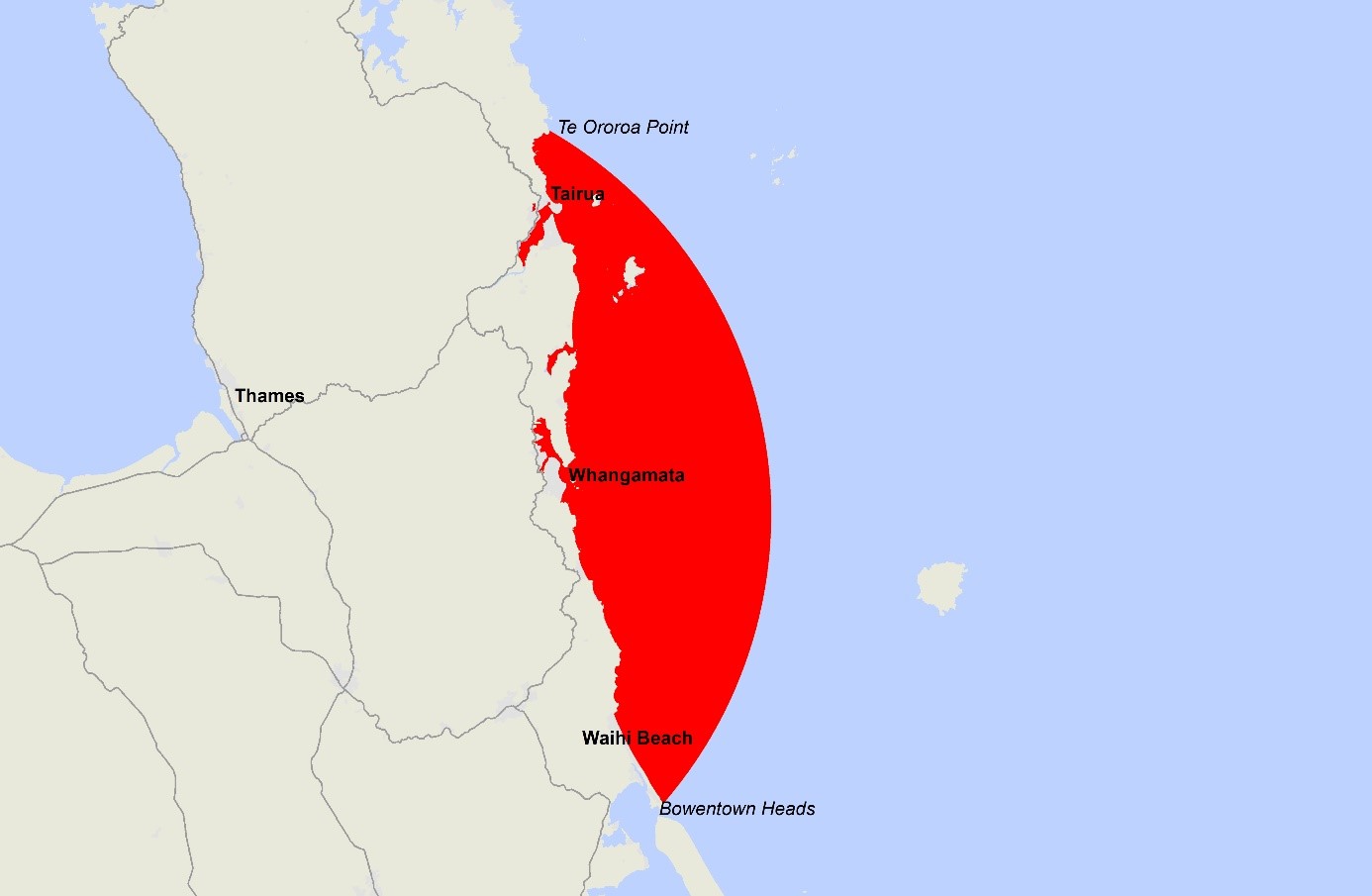
MPI Map highlighting in red the areas affected.

The Ministry for Primary Industries (MPI) today issued a public health warning advising the public not to collect or consume shellfish harvested from the Bay of Plenty/Waikato region from Te Ororoa Point, just north of Tairua, down to Bowentown Heads but not including Tauranga Harbour.

Routine tests on shellfish samples taken from this region have shown levels of Paralytic Shellfish Poisoning (PSP) toxins above the safe limit of 0.8 mg/kg set by MPI. Anyone eating shellfish from this area is potentially at risk of illness.

Mussels, oysters, tuatua, pipi, toheroa, cockles, scallops, catseyes, kina (sea urchin) and all other bivalve shellfish should not be eaten.

Note: Cooking shellfish does not remove the toxin.

Pāua, crab and crayfish may still be eaten if the gut has been completely removed prior to cooking, as toxins accumulate in the gut. If the gut is not removed its contents could contaminate the meat during the cooking process.

Symptoms typically appear between 10 minutes and 3 hours after ingestion and may include:

  • numbness and tingling (prickly feeling) around the mouth, face, and extremities (hands and feet)
  • difficulty swallowing or breathing
  • dizziness
  • a headache
  • nausea
  • vomiting
  • diarrhoea
  • paralysis and respiratory failure and in severe cases, death.

USA – Recalls of hazardous meat and poultry up 83 percent since 2013, report finds

CBS

Recalls of hazardous meat and poultry have gone up by more than 80 percent in the last six years, according to a new report out Thursday morning. One in six Americans get sick every year from eating contaminated food leading to at least 3,000 deaths per year – 450 from salmonella alone.

“Something is rotten in our slaughterhouses and our fields, and so common sense protections from farm to fork can help prevent that,” said Adam Garber, a researcher for the U.S. Public Interest Research Group, the organization behind the report.

It found recalls of produce and processed food by the FDA increased about two percent from 2013 to 2018 and the most hazardous meat and poultry recalls by the USDA increased by 83 percent.

The report recommends the FDA require testing “water used for irrigation or watering of produce for hazardous pathogens” like E. coli and for meat and poultry products, declare when “antibiotic resistant strains of salmonella as an adulterant” are found.

Research – Evaluation of wheat kernels infected by fungi of the genus Fusarium based on morphological features

Wiley Online

Abstract

The aim of this study was to propose a nondestructive method for evaluating wheat kernels infected by fungi of the genus Fusarium based on the morphological features of kernels and for distinguishing infected kernels from healthy kernels. Images were acquired with a flatbed scanner to determine 59 geometric parameters (linear dimensions and shape factors). Wheat kernels were classified as infected or healthy with the use of Decision trees, Rules, Bayes, Lazy, Meta, and Functions classifiers in WEKA 3.9 software. The classification accuracy of the model based on 59 attributes ranged from 58.12% to 73.37%. The selection of the best attributes shortened the time of the analysis and improved classification results. Linear Forward Selection and MLP classifiers were characterized by the highest classification accuracy.

Practical applications

The infection of cereal grains by fungi of the genus Fusarium is a food security challenge that can compromise the quantity and quality of yields in many agricultural regions. Selected fungi produce mycotoxins with carcinogenic, mutagenic, teratogenic, and immunotoxic effects for humans and animals. In this study, a nondestructive method was applied to evaluate wheat kernels infected by fungi of the genus Fusarium based on the morphological features of kernels and to distinguish infected kernels from healthy kernels. The proposed method can be used for rapid, inexpensive, and effective detection of fungal infections in cereal grain.

RASFF Alerts – Ochratoxin A – Food Supplement – Organic Rye

RASFF-Logo

RASFF – ochratoxin A (54.81 µg/kg – ppb) in food supplement manufactured in India, via Bulgaria in Romania

RASFF – ochratoxin A (6.4 µg/kg – ppb) in organic rye from the Czech Republic in Slovenia

RASFF Alerts – Aflatoxins – Almonds – Groundnuts – Peanuts – Pistchios

RASFF-Logo

RASFF – aflatoxins (B1 = 24.2; Tot. = 37.5 / B1 = 12.7; Tot. = 17.5 µg/kg – ppb) in almonds from Australia, via Vietnam in Spain

RASFF – aflatoxins (B1 = 65.9; Tot. = 79.5 µg/kg – ppb) in groundnut kernels for birdfeed from India in the Uk

RASFF – aflatoxins (B1 = 13.7 µg/kg – ppb) in roasted coated groundnuts from Turkey in Spain

RASFF – aflatoxins (B1 = 9.4; Tot. = 9.8 µg/kg – ppb) in roasted peanuts in shell from Indonesia in the UK

RASFF – aflatoxins (B1 = 15.08; Tot. = 16.23 µg/kg – ppb) in roasted pistachios from Turkey in Germany

RASFF – aflatoxins (B1 = 23.42; Tot. = 25.73 µg/kg – ppb) in raw pistachio kernels from the United States, via Turkey in Italy

RASFF – aflatoxins (B1 = 30; Tot. = 53 µg/kg – ppb) in groundnut kernels from Argentina in the Netherlands

RASFF – aflatoxins (B1 = 9; Tot. = 11 µg/kg – ppb) in groundnuts from Argentina in the Netherlands

RASFF – aflatoxins (B1 = 5.7; Tot. = 9.9 µg/kg – ppb) in groundnut kernels from Argentina in the Netherlands

RASFF Alert – Moulds – Fruit Juice

RASFF-Logo

RASFF – tropical juice from Spain infested with moulds in Denmark


USA – Norovirus Outbreak at Boutwells Landing in Oak Park Heights, Minnesota

Food Poisoning Journal norovirus-1080x655

A norovirus outbreak has sickened dozens of residents at Boutwells Landing in Oak Park Heights, Minnesota. That is a senior living facility. The first illnesses were reported on January 4, 2019.

About 10% of the 600 residents and 15% of employees have been sickened, Campus Administrator Wendy Kingbay told the Minneapolis StarTribune. The outbreak has occurred at senior apartments, townhouses, and assisted living apartments.