Category Archives: Food Toxin

India – Your leftover rice can cause food poisoning if you don’t do this

Times of India

Time and again you might have read about the benefits of eating leftover rice. Right from helping in constipation to the reduction in body heat, eating leftover rice is said to have umpteen health benefits. But you will be surprised to know that consuming leftover rice can also make you sick if you do not take the necessary precautions.
Yes, this is true. Probably we all must have had reheated rice, without even realising that it can make you really sick. As per the National Health Service (NHS) of England, eating reheated rice can cause food poisoning. However, it is not the reheating of rice that causes the problem, but the way the food is stored after it is cooked.

New Zealand – Shellfish biotoxin alert – South Island West Coast region

MPI Mussels

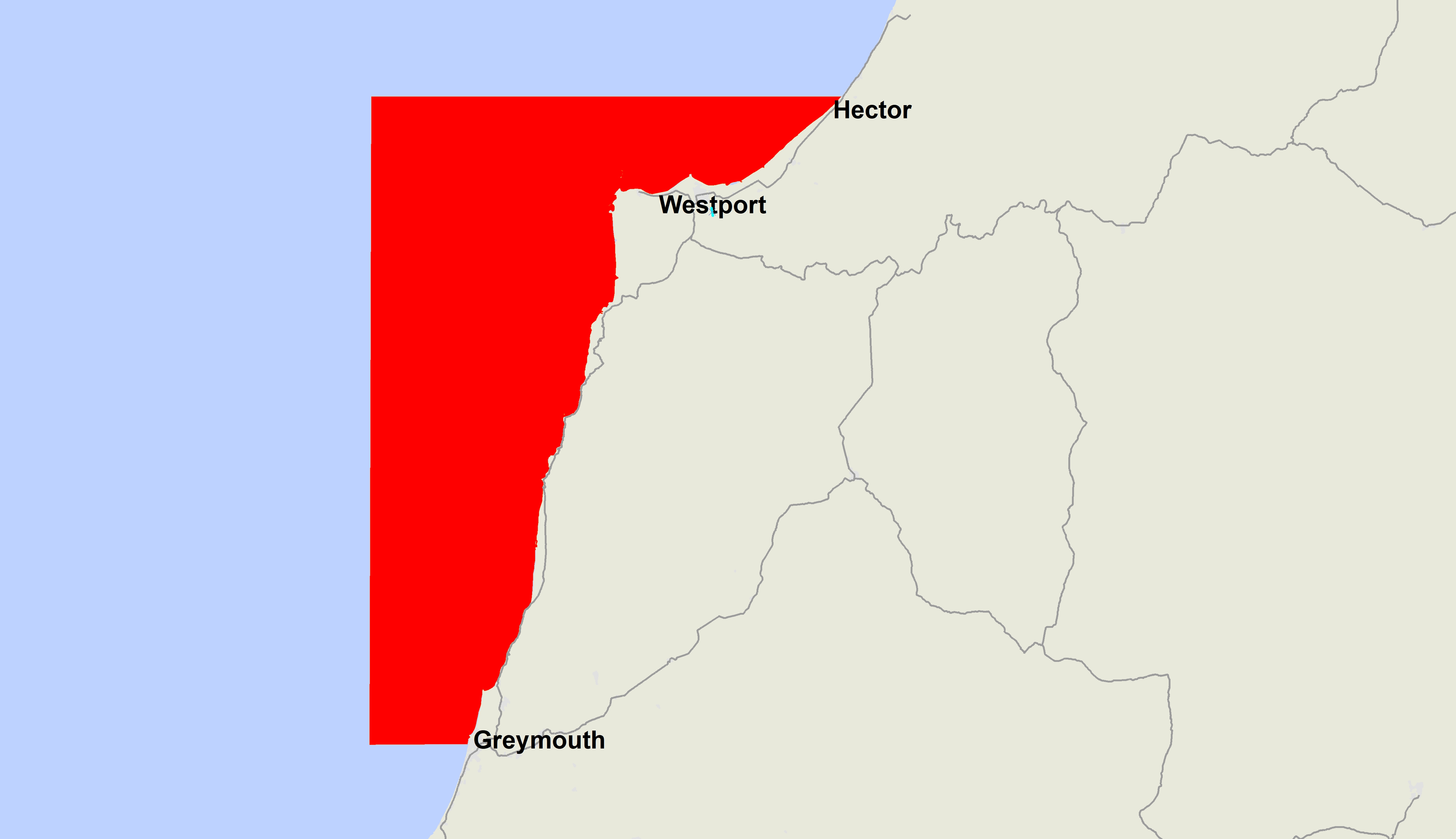
The Ministry for Primary Industries (MPI) today issued a public health warning advising the public not to collect or consume shellfish harvested from between Hector south to Greigs on the South Island West Coast.

Routine tests on shellfish samples taken from Cape Foulwind has shown levels of diarrhetic shellfish toxins above the safe limit of 0.16 mg/kg set by MPI.  Anyone eating shellfish from this area is potentially at risk of illness.

Ongoing testing will continue and any changes will be communicated accordingly.

Mussels, oysters, tuatua, pipi, toheroa, cockles, scallops, catseyes, kina (sea urchin) and all other bivalve shellfish should not be eaten.

Note: cooking shellfish does not remove the toxin.

Map highlighting in red the areas affected.

RASFF Alert – Ochratoxin – Dried Grapes – Sultana – Sultana Raisins

RASFF-Logo

RASFF – ochratoxin A (19.3 µg/kg – ppb) in dried grapes from Turkey in France

RASFF – ochratoxin A (19.1 µg/kg – ppb) in dried grapes from Turkey in France

RASFF – ochratoxin A (20 µg/kg – ppb) in sultanas from Turkey in France

RASFF – ochratoxin A (22 µg/kg – ppb) in sultana raisins from Turkey in France

USA – Botulism in Nome, Alaska Associated With Aged Beluga Flipper

Food Poisoning Bulletin

cdc clost spore

Image CDC

According to news reports, the Alaska Department of Health and Social Services is investigating a botulism death and four illnesses that may be associated with fermented beluga whale flipper. The people allegedly got sick at a New Year’s Day dinner in Nome where native foods were served.

Alaska Botulism Report


Africa – A look at how Africa is tackling foodborne illness

DW.COM

CDC E.coli

Image CDC


Contaminated food poses a major health and economic threat to sub-Saharan Africa. While efforts are taken to provide safe food for exports, governments are reijigging the system to do more for domestic markets.

Small flies can be seen buzzing around many food markets. But the threat they bring is not visible to the naked eye.

Houseflies, infected with salmonella, E. coli and other bacteria, can contaminate food and cause serious gastro-intestinal illnesses. In Uganda’s popular pork snack bars, for example, one-third of raw pork sampled for a study by the International Livestock Research Institute tested positive for salmonella.

Foodborne diseases, either caused by pests, pesticides or improper storage, pose a major health threat to sub-Saharan Africa, which suffers the highest levels of foodborne illness anywhere in the world.

More than 91 million people in the region fall ill every year from eating contaminated food and 137,000 die as a result, according to the World Health Organization.


Kenya – Clovers and Mother Nature’s Peanut Butter Exceeds Aflatoxin Levels – KEBS

All Africa

Nairobi — Kenya Bureau of Standards (KEBS) has withdrawn the permits of Triclover and Mother nature’s after their peanut butter products were found to exceeded aflatoxin levels.

In a statement, KEBS said factory inspections undertaken in 2018 revealed that Clovers Peanut Butter and Mother nature’s had aflatoxin levels above the acceptable levels of 15 parts per billion.

“In the last 7 months, KEBS has been undertaking market surveillance of peanut butter. 54 samples of peanut butter have been collected from various points of sale and manufacturers from 1st July, 2018 to date and tested,” said KEBS Acting Managing Director Nguyo Bernard.


New Zealand – Shellfish biotoxin alert – Northland East Coast region

MPI

The Ministry for Primary Industries (MPI) today reduced the area affected by the public health warning against collecting shellfish on the Northland East Coast to the area between Kokota (The Sandspit) and Farmer Point.

Routine tests on shellfish samples taken from this region have shown levels of Paralytic Shellfish Poisoning (PSP) toxins above the safe limit of 0.8 mg/kg set by MPI. Anyone eating shellfish from this area is potentially at risk of illness.

Mussels, oysters, tuatua, pipi, toheroa, cockles, scallops, catseyes, kina (sea urchin) and all other bivalve shellfish should not be eaten.

Note: cooking shellfish does not remove the toxin.

Pāua, crab and crayfish may still be eaten if the gut has been completely removed prior to cooking, as toxins accumulate in the gut. If the gut is not removed its contents could contaminate the meat during the cooking process.

Symptoms typically appear between 10 minutes and 3 hours after ingestion and may include:

  • numbness and a tingling (prickly feeling) around the mouth, face, and extremities (hands and feet)
  • difficulty swallowing or breathing
  • dizziness
  • headache
  • nausea
  • vomiting
  • diarrhoea
  • paralysis and respiratory failure and in severe cases, death.

Map highlighting in red the areas affected.

Kenya – Kenya: Govt Warns Over Toxic Peanut Butter as ‘Nuteez’ Maker Refutes Claims

All Africa

The Government Chemist has confirmed the presence of aflatoxin, a poisonous substance, in peanut butter brand ‘Nuteez’, making it unfit for human consumption.

Government Chemist Francis Maina said that the peanut butter was found to be containing 24.08ppb aflatoxin, 14.08ppb more than the required limit.

“It is true that they had high levels of aflatoxin and therefore unfit for human consumption,” he said.

Jetlak Foods Limited has however refuted claims that its product has been declared unfit for human consumption.

The denial came after a viral letter, purportedly sent to the company by the Ministry of Interior and Coordination of National Government, warned about the peanut butter.

But in a rebuttal, the company, in a statement pinned on its website, said it had not received such a letter from the government.

RASFF Alert – Histamine – Yellowfin Tuna

RASFF-Logo

RASFF – histamine (225 mg/kg – ppm) in frozen yellowfin tuna cuts (Thunnus albacares) from Oman in Portugal

RASFF Alert – Botulinum Toxin – Canned Sardines

RASFF-Logo

RASFF – botulinum toxin (presence /25g) in canned sardines in olive oil from Portugal in Spain