Category Archives: Food Toxin

Germany – “Every day” pepper salami 200 g – Enterohaemorrhagic E.coli (STEC)

LMW

Warning type: Food
Date of first publication: 05/26/2021
Product name:

“Every day” pepper salami 200 g

Manufacturer (distributor): Zentrale Handelsgesellschaft mbH Offenburg The item was sold exclusively through branches of the Globus retail chain.
Reason for warning:

Enterohaemorrhagic E.coli (STEC) were detected in samples as part of a routine check.

Packaging Unit: 00 g
Durability:

Best before: 05/29/2021

Lot identification: Batch: 1104
Additional Information:

Please refer to the company’s press release attached.

Contact to the responsible authorities:

Baden-Württemberg: poststelle@mlr.bwl.de

Bavaria: poststelle@lgl.bayern.de
Hesse: Schnellwarnung@rpda.hessen.de
Mecklenburg-Western Pomerania: poststelle@lm.mv-regierung.de
Lower Saxony: poststelle@ml.niedersachsen.de
North Rhine-Westphalia: poststelle@mulnv.nrw.de
Rhineland-Palatinate: Poststelle.Referat22@lua.rlp.de
Saarland: poststelle-luv@lav.saarland.de
Saxony: poststelle@sms.sachsen.de
Saxony-Anhalt: poststelle@ms.sachsen-anhalt.de
Thuringia: LM-Ueberendung@tlv.thueringen.de
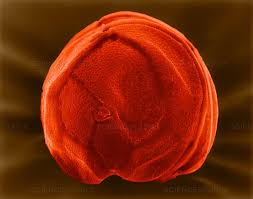
EU Research – Risk characterisation of ciguatera poisoning in Europe

EFSA

The EuroCigua project main objective is to characterize the risk of Ciguatera Poisoning (CP) in Europe including several specific objectives: to determine the incidence of ciguatera in Europe and the epidemiological characteristics of cases; to assess the presence of ciguatoxin in food and the environment in Europe and to develop and validate methods for the detection, quantification and confirmation of the presence of ciguatoxin contaminated specimens.

This report compiles the activities carried out during the EuroCigua project from the signing in April 2016 until December 2020. The present document corresponds to Deliverable No. 6: “Final Scientific Report” on Risk characterization of ciguatera food poisoning in Europe of the Specific Agreement no. 1 “MANAGEMENT AND SCIENTIFIC COORDINATION” within the Framework Partnership Agreement GP/EFSA/AFSCO/2015/03 “Risk characterization of ciguatera food poisoning in Europe”.

Research – Presence, seasonal distribution and biomolecular characterization of Vibrio parahaemolyticus and Vibrio vulnificus in shellfish harvested and marketed in Sardinia (Italy) between 2017 and 2018

Journal of Food Protection

Food Illness

In the present study, we aimed to investigate the presence, seasonal distribution and biomolecular characterization of Vibrio parahaemolyticus and Vibrio vulnificus in samples of bivalve molluscs ( Mytilus galloprovincialis, Crassostrea gigas, Ruditapes decussatus, Venus verrucosa and Solen vagina ) and gastropod molluscs (Murex brandaris) harvested and marketed in Sardinia (Italy) between 2017 and 2018. A total of 444 samples were submitted to qualitative determination of Vibrio spp., V. parahaemolyticus and V. vulnificus. Identification and virulence profile of the isolated strains were performed by biomolecular methods. The overall prevalence of Vibrio spp. was 7%. The highest prevalence was pointed out in R. decussatus (8.3%). The prevalence of V. parahaemolyticus and V. vulnificus were 2.7% and 4.7% respectively. Higher levels of V. parahaemolyticus and V. vulnificus prevalence were highlighted in R. decussatus (4.2%) and C. gigas (6.2%) respectively. Potentially pathogenic V. parahaemolyticus strains were a minority ( n. 2 isolates tdh-/trh+ and n. 1 isolate tdh+/trh- ) and were recovered from M. galloprovincialis . None of the isolates was tdh+/ trh+. Pathogenic Vibrios infections are often underestimated and the reports of human infections in Europe are constantly increasing. European data on the true distribution of Vibrionaceae are scarce: the results of the present study highlight the need of constant monitoring plans to update the distribution of potentially pathogenic Vibrios.

France – Product recall: CELNAT brand Wholemeal Small Spelled Flour – Ochratoxin A

Oulah

Product recall: CELNAT brand Wholemeal Small Spelled Flour

ENCOUNTERED PROBLEM

Presence of Ochratoxin A

PROPOSED SOLUTION

Do not consume and return to the point of sale for reimbursement.

FURTHER INFORMATION

▸ Names of models or references
Reference IEP – Whole wheat flour – 500g


▸ Barcode
3273120020969


▸ Lot
• 09721
• 09821


▸ DLC – DDM
• 04/07/2022
• 04/08/2022


▸ Packaging
Plastic bag – 500g


▸ Start date / End of marketing
Since 04/12/2021


▸ Distributors
Organic specialty store and organic chain store


▸ Consumer service contact
0471030414


▸ Source
CELNAT

France – Product recall: CELNAT brand Wholemeal Small Spelled Flour 10kg – Ochratoxin A

Oulah

Product recall: CELNAT brand Wholemeal Small Spelled Flour 10kg

ENCOUNTERED PROBLEM

Presence of Ochratoxin A

PROPOSED SOLUTION

Do not consume and return to the point of sale for reimbursement.

FURTHER INFORMATION

▸ Names of models or references
Reference IEP / 10 – Whole wheat flour – 10kg


▸ Barcode
3273120029665


▸ Lot
• 05621
• 09621


▸ DLC – DDM
• 11/25/2021
• 01/06/2022


▸ Packaging
Paper bag – 10kg


▸ Start date / End of marketing
Since 03/02/2021


▸ Distributors
Organic specialty store and organic chain store


▸ Consumer service contact
0471030414


▸ Source
CELNAT

France – Product recall: CELNAT brand Wholemeal Small Spelled Flour 25kg – Ochratoxin A

Oulah

Product recall: CELNAT brand Wholemeal Small Spelled Flour 25kg

ENCOUNTERED PROBLEM

Presence of Ochratoxin A

PROPOSED SOLUTION

Do not consume and return to the point of sale for reimbursement.

FURTHER INFORMATION

▸ Names of models or references
Reference IEP / 10 – Whole wheat flour – 10kg


▸ Barcode
3273120020983


▸ Lot
• 08221
• 09621


▸ DLC – DDM
• 23/12/2021
• 06/01/2022


▸ Packaging
Paper bag – 25kg


▸ Distributors
Organic specialty store and organic chain store


▸ Consumer service contact
0471030414


▸ Source
CELNAT

Bahamas – Conch Alert After Cases Of Suspected Poisoning

Tribune 242

KSWFOODWORLD

FOOD safety officials are cautioning against the consumption of fresh conch after several suspected cases of conch poisoning.

Several reports of conch poisoning made the rounds on social media over the past few days before the Bahamas Agricultural Health and Food Safety Authority issued a statement yesterday.

The authority warned consumers to avoid fresh conch until officials are able to determine the source of the contamination.

Conch poisoning is typically caused by the bacterium, Vibrio parahaemolyticus, with contamination attributed to poor hygienic practices during its handling and preparation.

Health Minister Renward Wells said there had been about 10 reported cases of conch poisoning. He said the ministry was concerned that this has risen in recent days. He was unable yesterday to say where the cases originated.

Meanwhile, Bahamas Commercial Fishers Alliance President Adrian Laroda said he would not caution against eating conch because it could have implications on the industry. Instead, he urged handlers to wash the mollusk properly during preparation.

RASFF Alerts -STEC E.coli – Lamb Meat

RASFF

Shigatoxin-producing Escherichia coli in lamb meat from New Zealand in Germany

RASFF Alerts – Ochratoxin A – Raisins – Organic Wheat

RASFF

Ochratoxin A in raisins from Uzbekistan, dispatched from Turkey in Spain

RASFF

Ochratoxin A in organic wheat from Poland in Denmark, Germany, Greece and Spain

RASFF Alerts – Aflatoxin – Hazlenuts – Groundnuts – Dried Figs – Peanuts – Peperoncino – Almonds – Paste for Ice Cream

RASFF

Aflatoxin B1 (17,93 ± 4,48 µg/kg) and sum of aflatoxins (19,38 ± 4,84 µg/kg) in hazelnuts from Georgia in Germany and Poland

RASFF

Aflatoxins in groundnuts from China in France

RASFF

Content of aflatoxins in dried figs exceeding authorised limits from Turkey in France

RASFF

Aflatoxins in dried figs from Turkey in France

RASFF

Aflatoxin B1 in U.S.A. Peanuts in the Netherlands

RASFF

Aflatoxins in paste for filling and decorating ice cream from Italy in Poland and Serbia

RASFF

Aflatoxin in peperoncino from Ethiopia in Italy

RASFF

Aflatoxin in almonds from Australia in Spain

RASFF

Aflatoxins in shelled peanuts from the United States in Spain