Category Archives: food safety training

Canada – Certain Tri-Star Seafood Supply Ltd. brand Live Spot Prawns recalled due to Norovirus

CFIA

Food Borne Illness - Norovirus -CDC Photo

Summary

Product
Certain Live Spot Prawns
Issue
Food – Microbial Contamination – Norovirus
What to do

Do not consume, use, sell, serve, or distribute the recalled product

Affected products

Issue

Tri-Star Seafood Supply Ltd. is recalling certain Tri-Star Seafood Supply Ltd. brand Live Spot Prawns from the marketplace due to possible norovirus contamination.

The recalled product has been sold in British Columbia, Alberta, Manitoba, and Ontario, and may have been distributed in other provinces and territories.

What you should do

  • If you think you became sick from consuming a recalled product, call your doctor
  • Check to see if you have the recalled product in your home or establishment
  • Do not consume the recalled product
  • Do not serve, use, sell, or distribute the recalled product
  • Recalled products should be thrown out or returned to the location where they were purchased
  • Consumers who are unsure if they have purchased the affected product are advised to contact their retailer

People with norovirus illness usually develop symptoms of gastroenteritis within 24 to 48 hours, but symptoms can start as early as 12 hours after exposure. The illness often begins suddenly. Even after having the illness, you can still become re-infected by norovirus. The main symptoms of norovirus illness are diarrhea, vomiting (children usually experience more vomiting than adults), nausea and stomach cramps. Other symptoms may include low-grade fever, headache, chills, muscle aches and fatigue (a general sense of tiredness).  Most people feel better within one or two days, with symptoms resolving on their own, and experience no long-term health effects. As with any illness causing diarrhea or vomiting, people who are ill should drink plenty of liquids to replace lost body fluids and prevent dehydration. In severe cases, patients may need to be hospitalized and given fluids intravenously.

UK – How to safely host a street party

FSA

Official Jubilee Flags Queen Elizabeth Platinum 2022 Official Merchandise

The Platinum Jubilee Weekend takes place from 2 June to 5 June with lots of Big Lunches also taking place during this time. The bank holiday weekend will be a big celebration with many people attending and organising parties or gatherings in their local communities.

Whether you are attending a community party or hosting one of your own, it is important to be aware of food safety and hygiene. Below are some practical tips and advice on best practice so that everyone can trust the food they’re eating.

Selling food at a street party

You do not need a food hygiene training certificate to make and sell food for charity events. However, you need to make sure that you handle food safely.


Handling party food

Warm weather and outdoor cooking are the perfect conditions for bacteria to grow and there are risks when preparing and serving chilled food in these conditions.

Following the 4Cs of food hygiene will help you prepare, make and store food safely. You can do this by:

  • cleaning effectively removes the bacteria on hands, equipment and surfaces. This helps to stop harmful bacteria and viruses from spreading onto food.
  • chilling your food below 8 degrees will stop or significantly slow the growth of bacteria. This temperature must be maintained and foods that need to be chilled like sandwich fillings should not be left out of the fridge for more than four hours.
  • cooking food correctly by following the guidance on time and temperature
  • avoiding cross-contamination which might lead to bacteria passing from raw foods to ready-to-eat foods via things like re-usable shopping bags, knives and chopping boards.
  • good personal hygiene is also essential when you’re preparing food. This will help ensure that bacteria you may have come into contact with isn’t passed to your friends, family and neighbours in their food.

Best practice

Here are some practical tips to help keep food you prepare and eat safe during your Jubilee celebrations:

  • wash your hands regularly with soap and water before food preparation and consumption
  • always wash fresh fruit and vegetables
  • keep raw and ready-to-eat foods apart
  • do not use food past its use-by date
  • always read any cooking instructions and make sure food is properly cooked before you serve it – it needs to be piping hot
  • ensure that food preparation areas are cleaned and sanitised before and after use and ensure equipment is washed in hot soapy water
  • plan ahead to keep your food cool until you’re ready to eat. Any foods which you would usually keep in the fridge at home also need to be kept cool on your picnic. This includes; any food with a use-by-date, cooked dishes, salads and dairy products
  • place these foods in a cool box or cool bag with ice or frozen gel packs. Distribute these throughout the box or bag, not all at the bottom. You can also use frozen drinks to help keep your cool box cold. Store cold food below 5 degrees to prevent bacteria from growing.

If food isn’t handled properly people are at risk of food poisoning from:

  • campylobacter – spreads through the cross-contamination from raw chicken
  • listeria – is most commonly associated with chilled, ready-to-eat foods like cured meats, pre-prepared sandwiches and salads
  • salmonella – is most often found in undercooked poultry, raw meat, eggs or unpasteurised milk
  • E.coli – it is often found on raw and undercooked meats

Read our Providing food at community and charity events for specific advice about making and serving cakes at community events.

Our picnic advice contains more tips on how to keep food cold and safe.

If you are hosting a BBQ then please read our BBQ food safety information.

Bear in mind that on hot days you need to be extra vigilant. 

USA – Sweet Spot Chocolate Shop recalls peanut butter-containing chocolates over Salmonella concerns

Food Safety News

Sweet Spot Chocolate Shop is recalling certain Sweet Spot Chocolate Shop brand peanut butter-containing chocolates because of possible Salmonella contamination.

The recalled Sweet Spot Chocolate Shop has peanut butter-containing chocolate with potential Salmonella contamination.

According to the Canadian Food Inspection Agency this recall was triggered by a recall in another country. J.M. Smucker Co. recalled Jif peanut butter products because of a new outbreak of infections from Salmonella Senftenberg. The full Canadian recall can be viewed here. Recalls in the U.S. can be viewed here.

The recalled products have been sold in Nova Scotia and online.

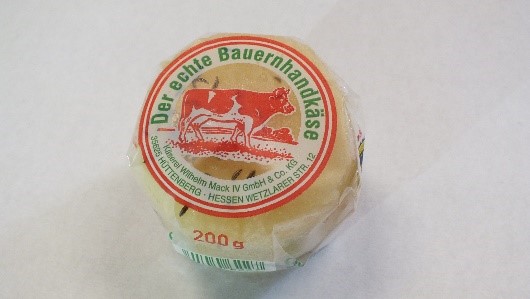
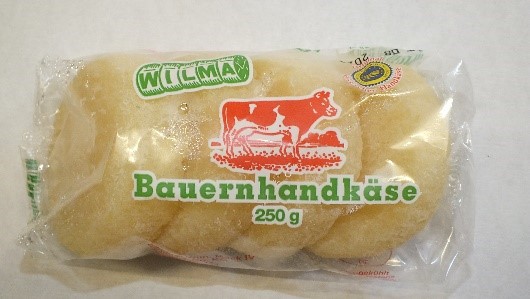
Germany – Sour milk cheese Bliestaler-Art Wilma Edelharzer Wilma farmer’s hand cheese The real farmer’s hand cheese – Listeria monocytogenes

LMW

Alert type: Food
Date of first publication: 05/27/2022
Product name:

Sour milk cheese Bliestaler-Art Wilma Edelharzer Wilma farmer’s hand cheese The real farmer’s hand cheese

Product images:

1.jpg

Käserei Wilhelm Mack GmbH & Co. KG

2.jpg

Käserei Wilhelm Mack GmbH & Co. KG

3.jpg

Käserei Wilhelm Mack GmbH & Co. KG

4.jpg

Käserei Wilhelm Mack GmbH & Co. KG

Manufacturer (distributor):

Käserei Wilhelm Mack GmbH & Co. KG Elbestrasse 15 35625 Hüttenberg

Reason for warning:

Possible contamination with Listeria

Durability:

06/20/2022, 06/23/2022 and 06/27/2022

Further information:

Listeria disease usually manifests itself within 14 days after infection with diarrhea and fever. Pregnant women, the elderly and people with a weakened immune system in particular can develop more severe illnesses with blood poisoning and meningitis. In pregnant women, even without symptoms, the unborn child can be harmed.

Anyone who has eaten this food and develops severe or persistent symptoms should seek medical attention and report possible Listeria infection.

Pregnant women who have eaten this food should seek medical treatment and advice even if they have no symptoms. For other people without symptoms, this is not useful.

For more information, please refer to the manufacturer’s press release attached.

Click to access Pressemitteilung+R%FCckruf+K%E4serei+Wilhelm+Mack+GmbH+&+Co+KG.pdf

Kenya – Aflatoxins link in Kenya cancer burden

Business Daily Africa

Known as a family of toxins produced by certain fungi, aflatoxins have been established to be highly harmful to human beings.

Of late they have also been linked to the high cases of cancer. The best-known one is Aspergillus flavus, that attacks crops such as maize, pulses and groundnuts while in the field and in storage when they are not dried and stored properly.

Aflatoxins also lower the body’s immunity and cause permanent and irreversible stunting in children. And in cases of acute poisoning, they can lead to instant death. But in cases of long-time exposure, they are known to provoke liver cancer.

A study conducted in February this year by James Kibugu, of the Kenya Agricultural and Livestock Research Organisation (Kalro) and four others shows that these poisonous chemicals are becoming a major burden on Kenya’s health care system.

But Kenya could reduce the cancer burden if food safety standards are strictly enforced.

Kibugu’s paper published in the African Journal of Food, Agriculture, Nutrition and Development notes that common cereals like maize and wheat have total aflatoxin levels higher than Kenyan, USA, and EU standards.

Australia – The Little Big Dairy Company Double Cream 300mL and 1L – Listeria monocytogenes

FSANZ

Product information

The Little Big Dairy Company Pty Ltd is conducting a recall of their Double Cream 300mL and 1L. The product has been available for sale at independent food retailers including IGA in NSW & ACT.

Date markings

Use By 27 JUN 22

The Little Big Dairy Company Pty Ltd Double Cream 300mL and 1L

Problem

The recall is due to potential microbial (Listeria monocytogenes) contamination.

Food safety hazard

Listeria may cause illness in pregnant women and their unborn babies, the elderly and people with low immune systems.

Country of origin

Australia

What to do​

Consumers should not eat this product and should return the products to the place of purchase for a full refund. Any consumers concerned about their health should seek medical advice.

For further information please contact:

The Little Big Dairy Company Pty Ltd

(02) 6887 3443

http://www.littlebigdairy.co/​​

Related links:

Canada – Certain Sweet Spot Chocolate Shop brand peanut butter-containing chocolates recalled due to Salmonella

CFIA

Product
Certain peanut butter-containing chocolates
Issue
Food – Microbial Contamination – Salmonella
What to do

Do not consume the recalled products

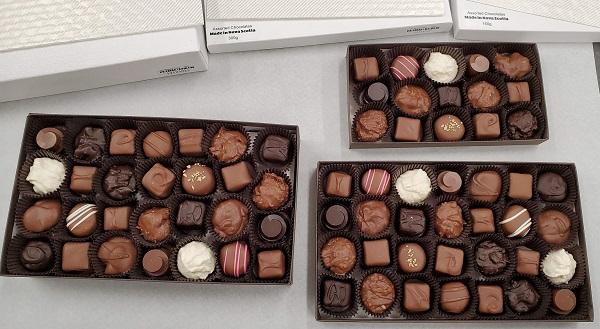
Sweet Spot Chocolate Shop – Assorted Chocolates (white box)

Sweet Spot Chocolate Shop – Assorted chocolates (clear top)

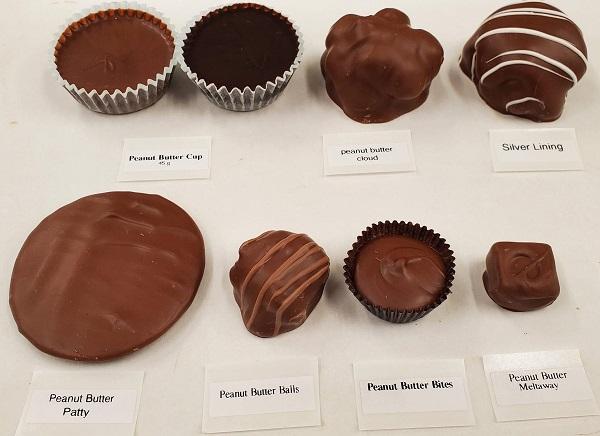
Sweet Spot Chocolate Shop – Peanut butter-containing chocolates

Affected products

Issue

Sweet Spot Chocolate Shop is recalling certain Sweet Spot Chocolate Shop brand peanut butter-containing chocolates from the marketplace due to possible Salmonella contamination.

The recalled products have been sold in Nova Scotia and online.

What you should do

  • If you think you became sick from consuming a recalled product, call your doctor
  • Check to see if you have the recalled products in your home
  • Do not consume the recalled products
  • Recalled products should be thrown out or returned to the location where they were purchased

Food contaminated with Salmonella may not look or smell spoiled but can still make you sick. Young children, pregnant women, the elderly and people with weakened immune systems may contract serious and sometimes deadly infections. Healthy people may experience short-term symptoms such as fever, headache, vomiting, nausea, abdominal cramps and diarrhea. Long-term complications may include severe arthritis.

USA – Food Safety Belongs on the Grill

USDA

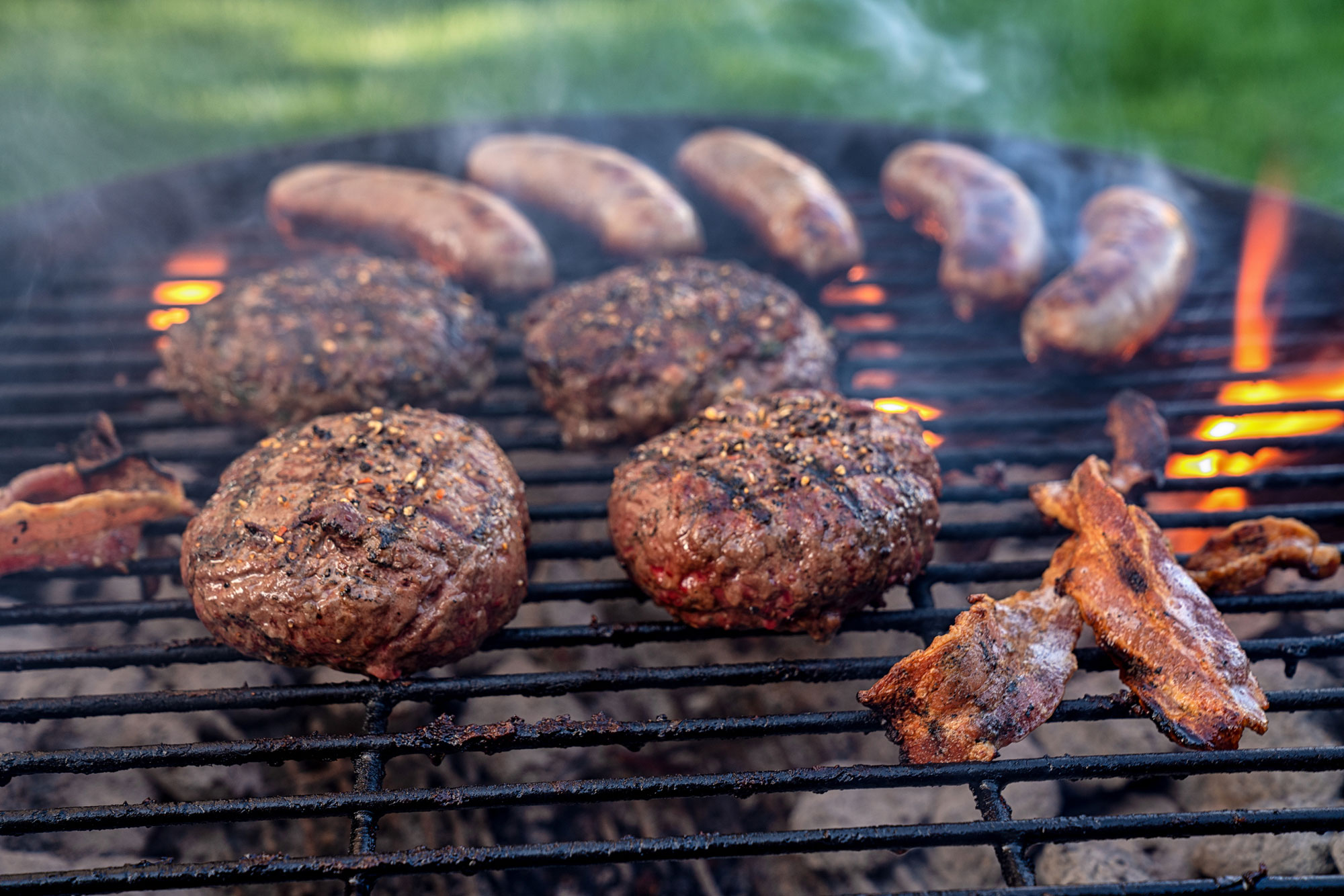
Meat on the grill

There’s nothing better than gathering around the grill to prepare a good meal. Don’t forget the rules of food safety this grilling season.

Wash Your Hands

USDA recommends washing your hands for at least 20 seconds with warm, soapy water. In our recent consumer research study (PDF, 49 KB), 97% of participants who attempted to wash their hands failed to wash them properly. Additionally, 56% of participants didn’t attempt to wash their hands at all during meal preparation. Most participants in this study claimed that they always wash their hands before preparing food; but in reality, most failed to wash their hands properly when observed.

Use a Food Thermometer

You can’t see, smell, or taste germs that can cause foodborne illness. USDA doesn’t recommend tasting food to check if it’s fully cooked. Using a food thermometer is the only way to ensure that your food is fully cooked to a safe minimum internal temperature. When grilling ground meats (beef, pork, veal or lamb), make sure they reach an internal temperature of 160 F on a food thermometer. Ground poultry is safe to eat once it has reached an internal temperature of 165 F.

Avoid Cross Contamination

Cross contamination is one of the main causes of foodborne illness. Here are some tips:

  • Use separate cutting boards—one for raw meat and poultry, and the other for fruits and vegetables.
  • USDA recommends not washing meat products, because bacteria can spread from the meat onto your sink and kitchen surfaces.
  • Use separate plates while grilling—one for bringing raw meat and poultry to the grill, and the other for removing cooked meat and poultry off the grill.

For more information, call the USDA Meat and Poultry Hotline at 1-888-MPHotline (1-888-674-6854) or email MPHotline@usda.gov to reach a food safety expert or chat live at ask.usda.gov from 10 a.m. to 6 p.m. Eastern Time, Monday through Friday.

USA – New Era of Smarter Food Safety: FDA’s Foodborne Outbreak Response Improvement Plan

FDA

New Era of Smarter Food Safety - FDA's Foodborne Outbreak Response Improvement Plan Cover

Tackling foodborne outbreaks faster and revealing the root cause are essential for the prevention of future outbreaks. We have a plan to do that.

Foodborne disease remains a significant public health problem in the United States. The FDA’s Foodborne Outbreak Response Improvement Plan (FORIP), described in this document, is an important step that the FDA is taking to enhance the speed, effectiveness, coordination, and communication of outbreak investigations. (Unless stated otherwise, this report focuses exclusively on the response to human food and not animal food.)

Our ultimate goal is to bend the curve of foodborne illness in this country.

Singapore – Recall of Jif Peanut Butter from USA due to possible presence of SalmonellaSalmonella Senftenberg

SFA

The U.S. Food and Drug Administration (FDA) has issued a notification that J.M Smucker Co is recalling affected batches of Jif Peanut Butter products from the USA due to potential contamination of Salmonella Senftenberg, as a precautionary measure.

The U.S authorities are currently conducting investigations. As the implicated products were imported into Singapore, the Singapore Food Agency (SFA) has directed the importer, DKSH South East Asia Pte. Ltd, to recall the implicated batches. The recall is ongoing. 2Salmonella Senftenburg is a pathogenic bacterium and should not be detected in ready-to-eat food products.

Salmonella can cause foodborne illnesses including fever, abdominal cramps and diarrhoea. Consumers who have purchased the implicated product are advised not to consume it. Those who have consumed the implicated product and have concerns about their health should seek medical advice. Consumers may contact their point of purchase for enquiries.3Details of the product are as follows.

Implicated Product “Jif” Peanut Butter Lot codes 1274425 –2140425Country of origin: USA Issued by the Singapore Food Agency

24May2022