Category Archives: Food Safety Management

Belgium – “Thiere Lalo” (Couscous made from millet and corn) from the Label Afrik brand – Aflatoxin B1

AFSCA

The FASFC is today recalling consumers of the product “Thieré Lalo” (Couscous made from millet and corn) from the Label Afrik brand.

This recall follows a notification via the RASFF system (European Food and Feed Rapid Alert System), concerning an excessively high level of aflatoxin B1.

It has therefore been decided to withdraw this product from sale and to recall it from consumers.

Product Description :

– Product name: “Thiéré Lalo” (Couscous made from millet and corn)
– Brand: Label Afrik
– Batch number: TH 050421 BE
– Expiry date (BDD): 04/30/2023
– Weight: 450 g
– Type of packaging: paper bag

This product was sold among others by:

Ahmed Exotic Bvba Wondelgemstraat 39 9000 GAND
JF Traders SPRL Rue Neuve 89 6000 CHARLEROI

For any additional information, you can contact the FASFC contact point for consumers: 0800/13.550 or pointdecontact@afsca.be .

USA – Outbreak Investigation of Salmonella: Seafood (October 2022)

FDA

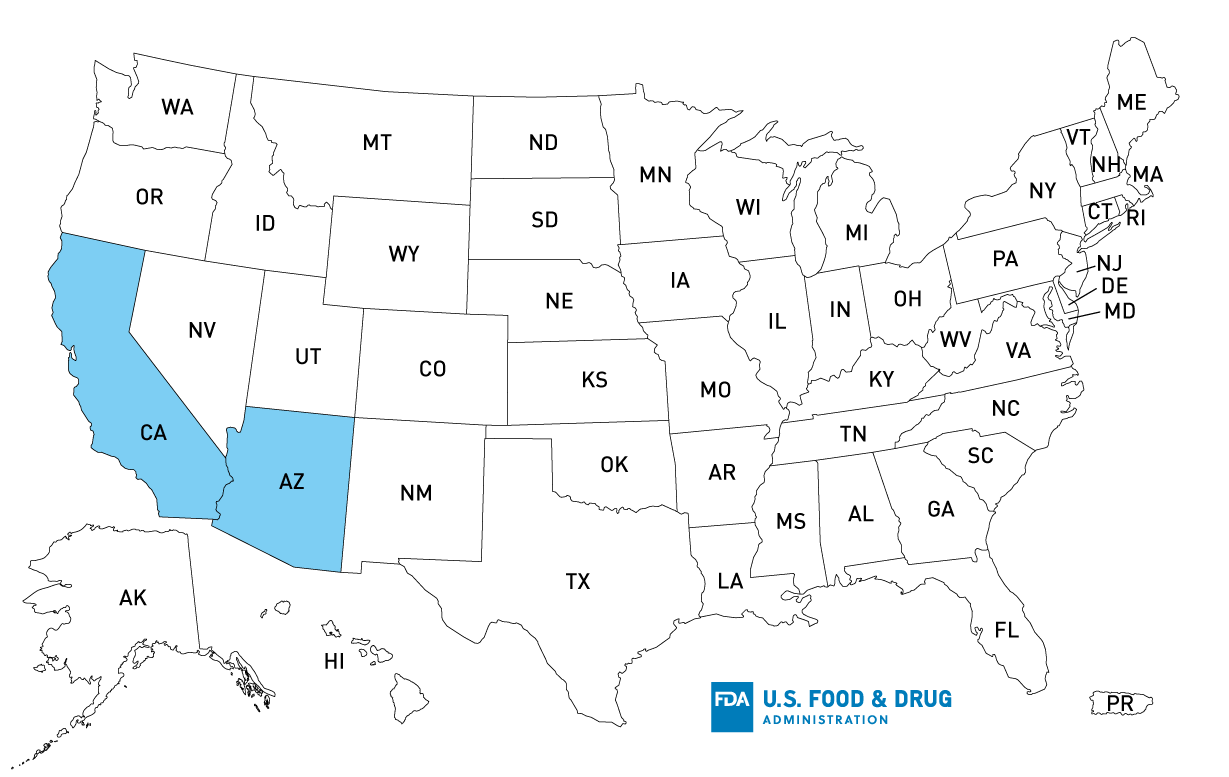
The FDA, along with CDC and state and local partners, is investigating a multistate outbreak of Salmonella Litchfield infections linked to fresh, raw salmon supplied to restaurants in California and Arizona by Mariscos Bahia, Inc.

Based on epidemiologic information provided by CDC and interviews conducted by state and local public health officials, of 16 people interviewed, 12 reported eating sushi, sashimi, or poke. Of those interviewed, 11 people remembered details about the type of fish consumed and 9 report eating raw salmon before getting sick. The FDA’s investigation traced the distribution of fresh, raw salmon back to Mariscos Bahia, Inc.

In addition, the FDA collected an environmental sample that included multiple swabs at Mariscos Bahia, Inc. (Pico Rivera, CA). Multiple environmental swabs collected at the facility are positive for Salmonella and subsequent Whole Genome Sequencing (WGS) analysis is ongoing. The WGS completed to date indicates the Salmonella detected in at least one of the swabs from the facility matches the outbreak strain. While epidemiological evidence indicates that ill people consumed fresh, raw salmon processed at this firm, the presence of Salmonella in the processing environment indicates that additional types of fish processed in the same area of the facility could also be contaminated which includes fresh, raw halibut, Chilean seabass, tuna, and swordfish. Salmon, halibut, Chilean seabass, tuna, or swordfish processed in Marisco Bahia Inc.’s Pico Rivera, CA, facility could have also been sent to the Mariscos Bahia, Inc. facilities in Phoenix, AZ and then sent to restaurants.

The firm initiated a voluntary recall on October 20, 2022. As a result, the firm has contacted direct customers who received recalled product. A full list of recalled products is below.

The FDA’s investigation is ongoing. Updates to this advisory will be provided as they become available.

Recommendation

According to Mariscos Bahia, Inc., seafood was only sold directly to restaurants in California and Arizona and would not be available for purchase by consumers in stores.

Restaurants should check with their suppliers and not sell or serve recalled salmon, halibut, Chilean seabass, tuna, or swordfish received fresh, not frozen, from Mariscos Bahia, Inc. (Pico Rivera, CA, and Phoenix, AZ) on or after June 14, 2022. If restaurants received these fish and then froze it, they should not sell or serve it. Restaurants should also be sure to wash and sanitize locations where these fish from Mariscos Bahia, Inc. were stored or prepared.


Recalled Products

Mariscos Bahia, Inc. voluntarily recalled the following list of fresh (not frozen) fish. The firm began shipping recalled product on June 14, 2022:

  • Fresh Salmon Fillet
  • Fresh Deep Skin Salmon Fillet
  • Fresh Salmon Portions
  • Chilean Seabass (Fillet and Portions)
  • Halibut (Fillet and Portions)
  • Tuna (Fillet and Loin)
  • Swordfish (Loin, Fillet, and Wheel)

Map of U.S. Distribution

Map of U.S. Distribution

Case Count Map Provided by CDC

Salmon Outbreak of Salmonella - CDC Case Count Map as of October 19, 2022

Case Counts

Total Illnesses: 33
Hospitalizations: 13
Deaths: 0
Last illness onset: September 18, 2022
States with Cases: AZ (11), CA (21), IL (1)
Product Distribution*:  AZ, CA
*Distribution has been confirmed for states listed, but product could have been distributed further, reaching additional states

Belgium – Cooked-Smoked Chicken +/- 1.3 kg from the Delhaize brand- Listeria monocytogenes

AFSCA

PRODUCT RECALL
 Printable version   |   Last updated on25.10.2022
25/10/2022
Delhaize recall
Product: Cooked-Smoked Chicken +/- 1.3 kg from the Delhaize brand.
Problem: Possible presence of Listeria monocytogenes.


Delhaize asks its customers not to consume and to bring the products below back to the store.

In collaboration with the FASFC, Delhaize has decided to withdraw these products from the market and to recall them from consumers due to the presence of Listeria monocytogenes.

Product info:

Name: Delhaize Smoked-Cooked Chicken +/- 1.3 kg
Brand: Delhaize
EAN code: 2223380000000
Batch number: 5412190116
Expiry date: 07/11/2022
Hope: 423380 Marketing
period: 18/10/2022 as of 22/10/2022

Delhaize performs hundreds of internal quality checks every day to guarantee the quality and food safety of its products at all times.

In the meantime, Delhaize has already taken all affected products off the shelves and tightened checks on the product and the supplier. Customers who have purchased this product are asked not to consume it. Customers have the option of returning the product in question to the point of sale where they purchased it. Reimbursement for each affected item is guaranteed.

Other products of the same assortment are not affected and can therefore be consumed in complete safety. Delhaize would like to apologize for the inconvenience caused.

Advice and information for consumers:

What if you have already purchased the product?
Do not consume the product and return it to your Delhaize store. The products will be refunded to you.

For further information , customers can contact our Customer Service on the free number 0800/95 713 .

New Zealand – Pams brand Alfalfa Sprouts, Salad Sprouts, Sandwich Selection Sprouts, and Spicy Sprouts Combo- Salmonella

MPI

26 October 2022: Foodstuffs Own Brands Ltd is recalling a specific batch of its Pams brand Alfalfa Sprouts, Salad Sprouts, Sandwich Selection Sprouts and Spicy Sprouts Combo due to the possible presence of Salmonella.

Product identification
Product type Sprouts
Name of product (size) Pams brand Alfalfa Sprouts (100g)

Pams brand Salad Sprouts (100g)

Pams brand Sandwich Selection Sprouts (100g)

Pams brand Spicy Sprouts Combo (100g)

Date marking USE BY 04 11 2022
Package size and description The products are sold in a 100g plastic punnet.
Distribution The products are sold at Pak’n Save, New World, and Four Square stores throughout the North Island.

The products have not been exported.

Notes This recall does not affect any other Pams brand products.

Point of sale notice for retailers

If you are a retailer of the products in this recall, download a copy of the point of sale notice. You need to display it in your store for one month.

Point of sale notice [PDF, 68.4KB]

Consumer advice

Customers are asked to check the date mark on the front of the packaging

Affected products should not be consumed. There have been no reports of associated illness, however if you have consumed any of these products and have any concerns about your health, seek medical advice.

Customers should dispose of the products or return them to their retailer for a full refund.

Who to contact

If you have questions, contact Foodstuffs Own Brands Ltd:

  • Phone: 0800 24 51 14
  • Address: 35 Landing Drive, Mangere, Auckland.

Research – What to Know About the Risk of Cronobacter in Powdered Infant Formula

FDA

The U.S. Food and Drug Administration continues to help ensure the safety of powdered infant formula in the wake of reports of Cronobacter sakazakii infections in four infants that may have contributed to death in two patients.

Those reports led to an FDA investigation of Abbott Nutrition in Sturgis, Michigan. Insanitary conditions found at the facility led to the February 2022 voluntary recall of specific lots of powdered infant formula manufactured at the facility and brought attention to a type of bacteria that many parents may not have heard about before and scientists continue to work to better understand.

While Cronobacter contamination and infections are rare, it is still important to know the risks and what you can do to minimize them.

What Is Cronobacter?

Cronobacter is a germ (bacteria) that is naturally found in the environment. Cronobacter can exist on almost any surface and is especially good at surviving in dry foods, like powdered infant formula, powdered milk, herbal teas, and starches.

Cronobacter is harmless for most people and infections are rare. When they do occur, they can be life threatening in infants, particularly those who are younger than two months old, premature, immunocompromised, or of low birthweight.

How Does Powdered Infant Formula Become Contaminated with Cronobacter?

Parents may not know that while powdered infant formula manufacturers are required to produce formula that is safe from harmful bacteria like Cronobacter, powdered formulas — unlike liquid formulas — do not receive certain processing treatments that would render them sterile.

Cronobacter has the potential to come into factories, homes, and hospitals on the soles of shoes or on hands and can then live on surfaces like counters or bottles.

At the factory, Cronobacter could get into formula powder if:

  • Contaminated ingredients are used to make the formula.
  • The formula powder touches a contaminated surface.

In the home, infants can get infected by Cronobacter through multiple pathways including:

  • Inadequately sanitized breast-pump accessories, bottles, and other utensils used for feeding.
  • Inadequate handwashing prior to infant formula preparation.
  • Formula lids or scoops placed on contaminated surfaces, like countertops or sinks, that then later touch the formula.
  • Contaminated water used to mix formula.

Why Is it Difficult to Find the Source of Cronobacter Contamination?

Cronobacter sakazakii and its cousins in the broader Cronobacter species category are part of a large family of bacteria that are common in the environment — like in our yards, kitchens, and living rooms — so identifying the specific source of an illness or outbreak can be challenging.

Importantly, only one state in the U.S., Minnesota, currently requires that cases of Cronobacter sakazakii be reported to state public health authorities. As a result, many cases are unreported, and scientists have limited information about the genetic makeup of the bacteria found in cases that are reported. To provide some perspective, the National Center for Biotechnology Informatics (NCBI) database that tracks these pathogens has received roughly 480,000 submissions of genomic information for strains of Salmonella enterica compared to only 1086 submissions for strains of Cronobacter.

What Can You Do to Minimize the Risk of Cronobacter Contamination?

Safely Preparing and Storing Powdered Infant Formula

In most cases, it is safe to mix powdered infant formula following manufacturer’s instructions. If your baby is less than 2 months old, was born prematurely, or has a weakened immune system the Centers for Disease Control and Prevention (CDC) recommends using ready-to-feed infant formula. Liquid infant formula is made to be sterile (without germs) and is the safest option for infants not receiving breast milk. However, you can also take extra steps to prepare powdered formula for these infant groups by using hot water (at least 158°F/70°C) to help protect against Cronobacter and then cooling the formula before feeding your infant.

However, certain metabolic and specialty products include statements on their packaging warning consumers against heating because heating the particular product above 100°F could result in a loss of vitamins and nutrients. Therefore, caregivers should be especially mindful of the manufacturer’s instructions included on the packaging for specialty metabolic formulas. If the instructions prevent a consumer from heating their formula to at least 158°F, then caregivers should instead bring the water used to mix the formula to body temperature and follow the instructions in this printable infographic to prepare and store powdered infant formula safely.

Parents who suspect their infant became ill due to infant formula may call the FDA’s consumer hotline at 1-800-FDA-1088.

Other Tips to Minimize the Risk of Cronobacter Contamination

Infants could also be exposed to Cronobacter from unclean breast pumps or unclean bottles. To help keep your baby safe, you can help prevent Cronobacter from growing on these items. Keep your baby’s food, whether breast milk or formula, safe by carefully cleaning, sanitizing, and storing bottles and breast pump parts.

It is also important to wash your hands with soap and water, especially before preparing bottles and feeding. The CDC says that alcohol-based hand sanitizer with at least 60% alcohol can also be used.

What Are the Symptoms of Cronobacter infection?

Symptoms of infection in infants may start with fever, poor feeding, excessive crying, and/or very low energy. Some infants may also have seizures. Babies with these symptoms should be taken to a medical provider as soon as possible.

Spain – Alert for the presence of Staphylococcal Toxin in fresh mozzarella from Spain

ACSA

Mozzarella Bocconcini from Albe

The Spanish Agency for Food Security and Nutrition has communicated through the Coordinated System of Rapid Information Exchange (SCIRI), an alert, transferred by the health authorities of Madrid, regarding the presence of staphylococcal toxin in the   fresh mozzarella product (queso de spun pasta) of the Bocconcini de Albe brand from Spain .

The data of the product involved are:

  • Product number: Fresh Mozzarella
  • Brand number: Bocconcini de Albe
  • Expiry date: 10/29/2022
  • Lot number: 2910
  • Unit weight : 250 g (net weight) and 150 g (drained weight)
  • Temperature: refrigerated

According to the information available, the product has been distributed in the autonomous communities of Catalonia , Andalusia, Asturias, the Balearic Islands, the Canary Islands, Cantabria, Castilla y León, Galicia and the Valencian Community, although other redistributions are not ruled out.

AESAN has transferred this information to the competent authorities of the autonomous communities through the SCIRI and to the Services of the European Commission through the European Food Alert Network (RASFF), with the aim of verifying the withdrawal of the products affected by the marketing channels.

With the available information , there is no evidence in Spain of any notified case associated with this alert.

In the case of having consumed this type of product from the affected lot and presenting any symptoms such as nausea, vomiting, diarrhea, abdominal pain or prostration, it is recommended to go to a health center.

People who have products affected by this alert at home are advised to refrain from consuming them and return them to the point of purchase.

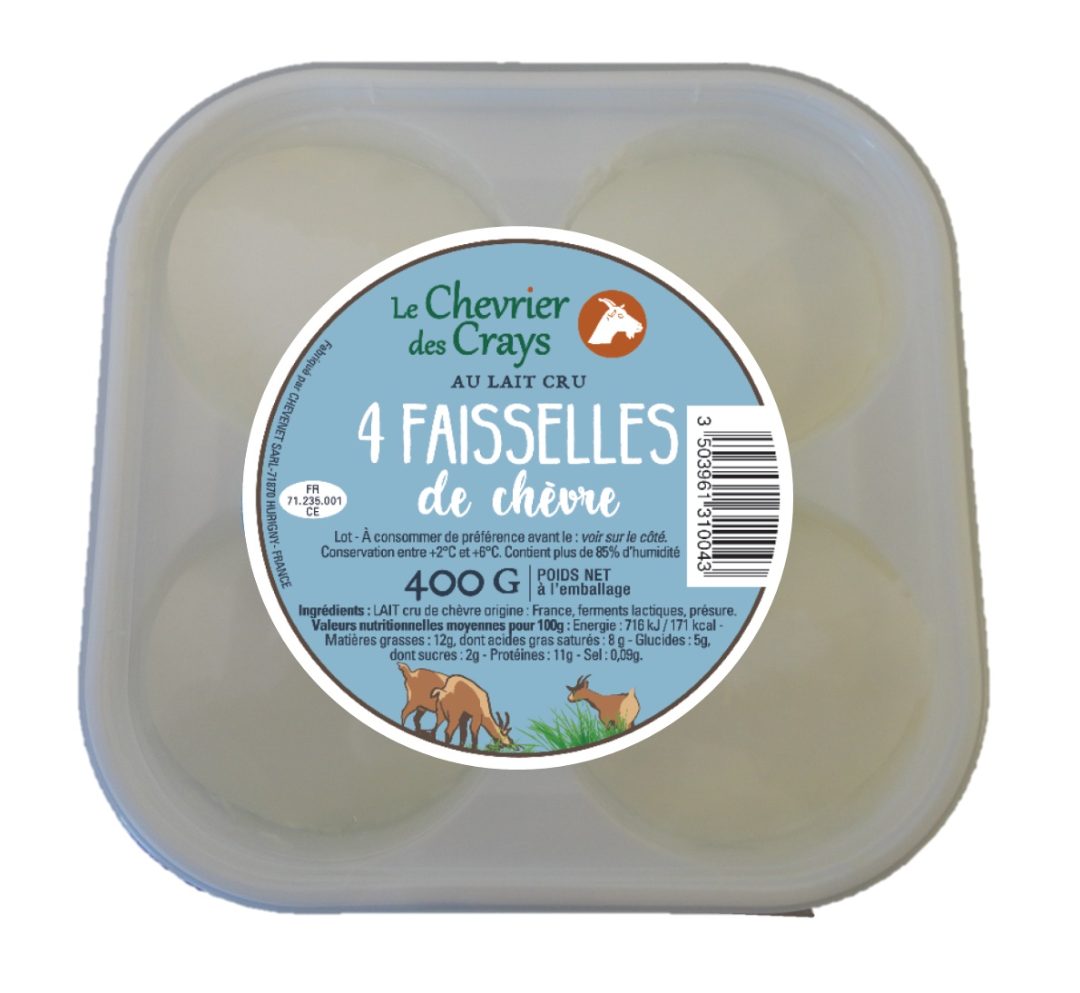
France – Goat cheese with raw milk 4x100g – STEC E.coli

Gov france

Identification information of the recalled product

  • Product category Feed
  • Product subcategory Milk and dairy products
  • Product brand name Crays goatherd
  • Model names or references Goat cheese by 4
  • Identification of products
    GTIN Batch Date
    2503961310043 255 Date of minimum durability 11/10/2022
  • Marketing start/end date From 09/12/2022 to 09/20/2022
  • Storage temperature Product to be stored in the refrigerator
  • Health mark EN.71235001.CE
  • Geographic area of ​​sale Regions: Auvergne-Rhône-Alpes, Burgundy-Franche-Comté
  • Distributors Fromagerie des Halles, AUchan, Carrefour

Practical information regarding the recall

  • Reason for recall Presence of Escherichia coli O103:H2
  • Risks incurred by the consumer Toxigenic Shiga Escherichia coli (STEC)

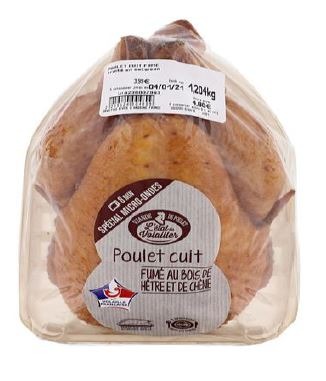
France – Smoked cooked chicken – Listeria monocytogenes

Gov france

Identification information of the recalled product

  • Product category Feed
  • Product subcategory Others
  • Product brand name The Poultry Stall
  • Model names or references Smoked cooked chicken 1.25kg
  • Identification of products
    GTIN Batch Date
    220618000000 5412190087 Use-by date 09/11/2022
    220618000000 5412190135 Use-by date 09/11/2022
  • Marketing start/end date From 19/10/2022 to 22/10/2022
  • Storage temperature Product to be stored in the refrigerator
  • Geographic area of ​​sale see list of stores in PJ
  • Distributors LIDL
  • List of points of saleCopy_of_20221003_List_Supermarkets.pdf

Practical information regarding the recall

  • Reason for recall Presence of Listeria monocytogenes less than 10 before DLC
  • Risks incurred by the consumer Listeria monocytogenes (causative agent of listeriosis)

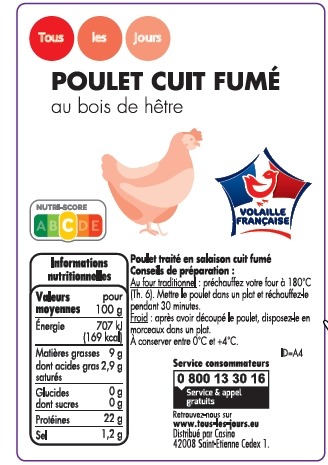
France – BEECH WOOD SMOKED CHICKEN – Listeria monocytogenes

Gov france

Identification information of the recalled product

  • Product category Feed
  • Product subcategory Meats
  • Product brand name EVERY DAY
  • Model names or references BEECH WOOD SMOKED CHICKEN EVERY DAY
  • Identification of products
    Batch Date
    5412190093 Use-by date 07/11/2022
  • Packaging Tray under film
  • Marketing start/end date From 17/10/2022 to 21/10/2022
  • Storage temperature Product to be stored in the refrigerator
  • Health mark FR 56 017 002 EC
  • Further information Smoked chicken with Tous les jours brand, health stamp FR 56 017 002 CE
  • Geographic area of ​​sale Whole France
  • Distributors Casino

Practical information regarding the recall

  • Reason for recall LISTERIA MONOCYTOGENES
  • Risks incurred by the consumer Listeria monocytogenes (causative agent of listeriosis)

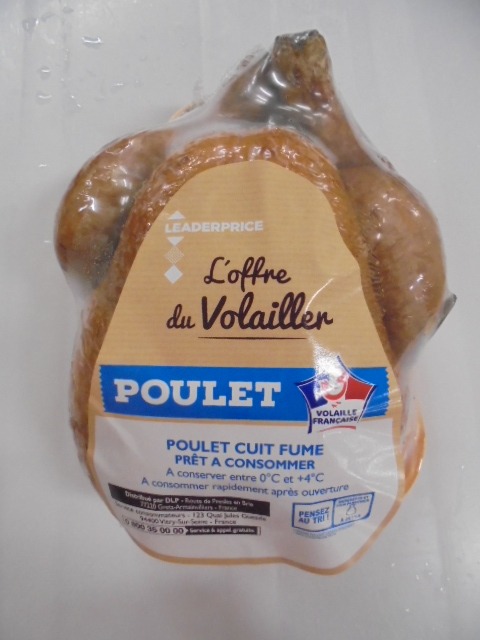
France – Leader Price Smoked Cooked Chicken 1.5 kg (variable weight) – Listeria monocytogenes

Gov france

Identification information of the recalled product

  • Product category Feed
  • Product subcategory Meats
  • Product brand name LEADER PRICE
  • Model names or references1.5 kg (varying weight)
  • Identification of products
    GTIN Batch Date
    0285847000000 5412190095 Use-by date 07/11/2022
  • PackagingIn tray under film
  • Marketing start/end date From 21/10/2022 to 22/10/2022
  • Storage temperature Product to be stored in the refrigerator
  • Health mark FR 56 017 002 EC
  • Geographic area of ​​sale Whole France
  • Distributors FRANPRIX AND FRANPRIX DISTRIBUTION NETWORKS

Practical information regarding the recall

  • Reason for recall Possible presence of Listeria monocytogenes
  • Risks incurred by the consumer Listeria monocytogenes (causative agent of listeriosis)