Category Archives: Food Poisoning

RASFF Alert – Moulds – Jabuticaba

RASFF-Logo

RASFF – jabuticaba from Brazil infested with moulds in Portugal

RASFF Alert – Bacillus cereus – Chilli Bean Curd

RASFF-Logo

RASFF – Bacillus cereus (960000 CFU/g) in chili bean curd from China in the UK

USA – Botulism in Nome, Alaska Associated With Aged Beluga Flipper

Food Poisoning Bulletin

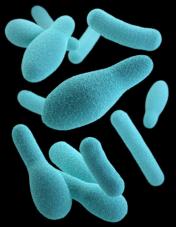
cdc clost spore

Image CDC

According to news reports, the Alaska Department of Health and Social Services is investigating a botulism death and four illnesses that may be associated with fermented beluga whale flipper. The people allegedly got sick at a New Year’s Day dinner in Nome where native foods were served.

Alaska Botulism Report


Africa – A look at how Africa is tackling foodborne illness

DW.COM

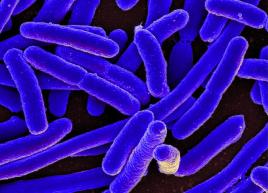
CDC E.coli

Image CDC


Contaminated food poses a major health and economic threat to sub-Saharan Africa. While efforts are taken to provide safe food for exports, governments are reijigging the system to do more for domestic markets.

Small flies can be seen buzzing around many food markets. But the threat they bring is not visible to the naked eye.

Houseflies, infected with salmonella, E. coli and other bacteria, can contaminate food and cause serious gastro-intestinal illnesses. In Uganda’s popular pork snack bars, for example, one-third of raw pork sampled for a study by the International Livestock Research Institute tested positive for salmonella.

Foodborne diseases, either caused by pests, pesticides or improper storage, pose a major health threat to sub-Saharan Africa, which suffers the highest levels of foodborne illness anywhere in the world.

More than 91 million people in the region fall ill every year from eating contaminated food and 137,000 die as a result, according to the World Health Organization.


India – 19 schoolchildren taken to hospital after alleged food poisoning

The Hindu

A total of 19 children, including 12 girls, from a government-aided primary school in Vellaripatti near Appanthirupathi here were rushed to Government Rajaji Hospital on Tuesday after they developed vomiting and nausea after consuming the midday meals at the school.

Police said a couple of students started vomiting first, following which other students also developed the symptoms. GRH doctors said the children had developed allergy due to possible problem in the food. Stating that the allergy was not serious, doctors expressed hope that the children will be discharged within a day.

Meanwhile, officials from the School education department and Integrated Child Development Services began enquiries into the incident.

Australia -Maleny Herb and Garlic Feta – E.coli

FSANZ

Maleny Cheese is conducting a recall of the above product. The product has been available for sale at Market Stall, IGA, Fruit and Veg Stores and Dairy Stores in QLD.

Problem: The recall is due to microbial (E.coli) contamination.

Food safety hazard: Food products contaminated with E.coli may cause illness if consumed.

Country of origin: Australia

What to do: Any consumers concerned about their health should seek medical advice and should return the product to the place of purchase for a full refund. For further information please contact:

Maleny Cheese
07 5494 2207

Kenya – Clovers and Mother Nature’s Peanut Butter Exceeds Aflatoxin Levels – KEBS

All Africa

Nairobi — Kenya Bureau of Standards (KEBS) has withdrawn the permits of Triclover and Mother nature’s after their peanut butter products were found to exceeded aflatoxin levels.

In a statement, KEBS said factory inspections undertaken in 2018 revealed that Clovers Peanut Butter and Mother nature’s had aflatoxin levels above the acceptable levels of 15 parts per billion.

“In the last 7 months, KEBS has been undertaking market surveillance of peanut butter. 54 samples of peanut butter have been collected from various points of sale and manufacturers from 1st July, 2018 to date and tested,” said KEBS Acting Managing Director Nguyo Bernard.


New Zealand – Shellfish biotoxin alert – Northland East Coast region

MPI

The Ministry for Primary Industries (MPI) today reduced the area affected by the public health warning against collecting shellfish on the Northland East Coast to the area between Kokota (The Sandspit) and Farmer Point.

Routine tests on shellfish samples taken from this region have shown levels of Paralytic Shellfish Poisoning (PSP) toxins above the safe limit of 0.8 mg/kg set by MPI. Anyone eating shellfish from this area is potentially at risk of illness.

Mussels, oysters, tuatua, pipi, toheroa, cockles, scallops, catseyes, kina (sea urchin) and all other bivalve shellfish should not be eaten.

Note: cooking shellfish does not remove the toxin.

Pāua, crab and crayfish may still be eaten if the gut has been completely removed prior to cooking, as toxins accumulate in the gut. If the gut is not removed its contents could contaminate the meat during the cooking process.

Symptoms typically appear between 10 minutes and 3 hours after ingestion and may include:

  • numbness and a tingling (prickly feeling) around the mouth, face, and extremities (hands and feet)
  • difficulty swallowing or breathing
  • dizziness
  • headache
  • nausea
  • vomiting
  • diarrhoea
  • paralysis and respiratory failure and in severe cases, death.

Map highlighting in red the areas affected.

Research – Growth and Survival of Listeria monocytogenes and Salmonella on Whole and Sliced Cucumbers

Journal of Food Protection cucumber
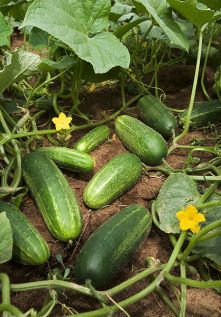
Cucumbers were associated with four multistate outbreaks of Salmonella in the United States between 2013 and 2016. This study evaluated the fate of Listeria monocytogenes and Salmonella on whole and sliced cucumbers at various storage temperatures. Cucumbers were inoculated with five-strain cocktails of L. monocytogenes or Salmonella, air dried, and stored at 23 ± 2, 4 ± 2, and −18 ± 2°C. Whole and sliced cucumber samples were enumerated on nonselective and selective media at 0, 0.21, 1, 2, 3, and 4 days (23 ± 2°C); 0, 1, 2, 3, 7, 14, and 21 days (4 ± 2°C); and 0, 7, 28, 60, 90, and 120 days (−18 ± 2°C). For Salmonella, additional time points were added at 8 and 17 h (23 ± 2°C) and at 17 h (4 ± 2°C). Population levels were calculated for whole (CFU per cucumber) and sliced (CFU per gram) cucumbers. Both pathogens grew on whole and sliced cucumbers held at ambient temperatures. At 23 ± 2°C, L. monocytogenes and Salmonella populations significantly increased on whole (2.3 and 3.4 log CFU per cucumber, respectively) and sliced (1.7 and 3.2 log CFU/g, respectively) cucumbers within 1 day. Salmonella populations significantly increased on whole and sliced cucumbers after only 5 h (2.1 log CFU per cucumber and 1.5 log CFU/g, respectively), whereas L. monocytogenes populations were not significantly different on whole and sliced cucumbers at 5 h. L. monocytogenes and Salmonella populations survived up to 21 days on refrigerated whole and sliced cucumbers. At 4 ± 2°C, L. monocytogenes populations significantly increased on whole (2.8 log CFU per cucumber) and sliced (2.9 log CFU/g) cucumbers, whereas Salmonella populations significantly decreased on whole (0.6 log CFU per cucumber) and sliced (1.3 log CFU/g) cucumbers over 21 days. Both pathogens survived on frozen whole and sliced cucumbers for at least 120 days. The ability of L. monocytogenes and Salmonella to grow on whole and sliced cucumbers in short amounts of time at ambient temperatures, and to survive on whole and sliced cucumbers past the recommended shelf life at refrigeration temperatures, highlights the need to reduce the likelihood of contamination events throughout the cucumber supply chain.


Canada – Raw Chicken Salmonella Outbreak in Canada Grows to 529 Sick

Food Poisoning Bulletin


A raw chicken Salmonella outbreak in Canada has grown to include 529 laboratory-confirmed illnesses. Ninety people have been hospitalized, and three people have died. However, Salmonella was not the case of death for two of those patients, and it was not determined whether this illness contributed to the death of the third person.