Category Archives: Food Poisoning

Research – Lactic acid fermentation of legume seed sprouts as a method of increasing the content of isoflavones and reducing microbial contamination

Science Direct

CDC Klebsiella

Image CDC

Legume seeds and sprouts are a rich source of phytoestrogens in the form of isoflavonoids. For the first time, lactic acid fermentation of four types of legume sprouts was used to increase the content of isoflavonoids and microbiological safety. After germination, the highest content of isoflavonoids was observed in the clover and chickpea sprouts, which amounted to 1.1 g/100 g dw., whereas the lactic acid fermentation allowed the increase to as much as 5.5 g/100 g dw. The most beneficial properties were shown by fermented chickpea sprouts germinated in blue light. During fermentation the number of lactic acid bacteria increased by 2 Log10CFU/mL (LU), whereas mold decreased by 1 LU, E.coli and Klebsiellasp. by 2 LU, Salmonella sp. and Shigella sp did not occur after fermentation, similar to Staphylococcus epidermidis, while S. aureus and S. saprophyticus decreased by 3 LU and in some trials were not detected.

USA – Hepatitis A Exposure at Subway in Trumann, Arkansas

Food Poisoning Bulletin

An employee at the Subway restaurant at 121 Highway 463 North in Trumann, Arkansas, has been diagnosed with hepatitis A according to the Arkansas Health Department. Anyone who ate there between January 23, 2019 and February 6, 2019 should get a vaccination as soon as possible if they have never had this illness or have not been vaccinated.

India -Jharkhand mass food poisoning: 40 students admitted to hospital after consuming ‘prasad’ at school

Times News Now

Ranchi: In an appalling case reported from Jharkhand, 40 students fell ill after consuming ‘prasad’ at a school in Lohardaga district. Police investigation in the case is underway.

News agency ANI reported, S S Khalid, Doctor at the Sadar hospital mentioned, 40 children have come here till now, one or two are in critical condition. He further added that it is a case of food poisoning and they are treating them accordingly. Meanwhile, Ratan Mahwar, the District Education Officer, Lohardaga district mentioned that the administration is investigating and they will take action against whoever is found guilty.

India – Your leftover rice can cause food poisoning if you don’t do this

Times of India

Time and again you might have read about the benefits of eating leftover rice. Right from helping in constipation to the reduction in body heat, eating leftover rice is said to have umpteen health benefits. But you will be surprised to know that consuming leftover rice can also make you sick if you do not take the necessary precautions.
Yes, this is true. Probably we all must have had reheated rice, without even realising that it can make you really sick. As per the National Health Service (NHS) of England, eating reheated rice can cause food poisoning. However, it is not the reheating of rice that causes the problem, but the way the food is stored after it is cooked.

Cambodia – Ministry notes decrease in food poisoning cases

Khmer Times

The Health Ministry on Saturday reminded the public to avoid food poisoning by properly preparing food and avoiding toxic chemicals, noting cases of food poisoning last year decreased when compared to the previous year.

Aing Hoksrun, chief of the ministry’s food safety office, on Saturday said 12 people died and 203 others were hospitalised in 13 cases of food poisoning, a decrease when compared to 2017’s four deaths and 703 hospitalised in 28 cases.

Mr Hoksrun said cases of food poisoning are often caused by viruses and toxic chemicals.

India – Food poisoning: 100 hospitalised

Times of India

AHMEDABAD: Over 100 persons, primarily from Shahpur’s Halim ni Khadki area, were admitted to the VS Hospital on Sunday evening following complaints of food poisoning.

New Zealand – Shellfish biotoxin alert – South Island West Coast region

MPI Mussels

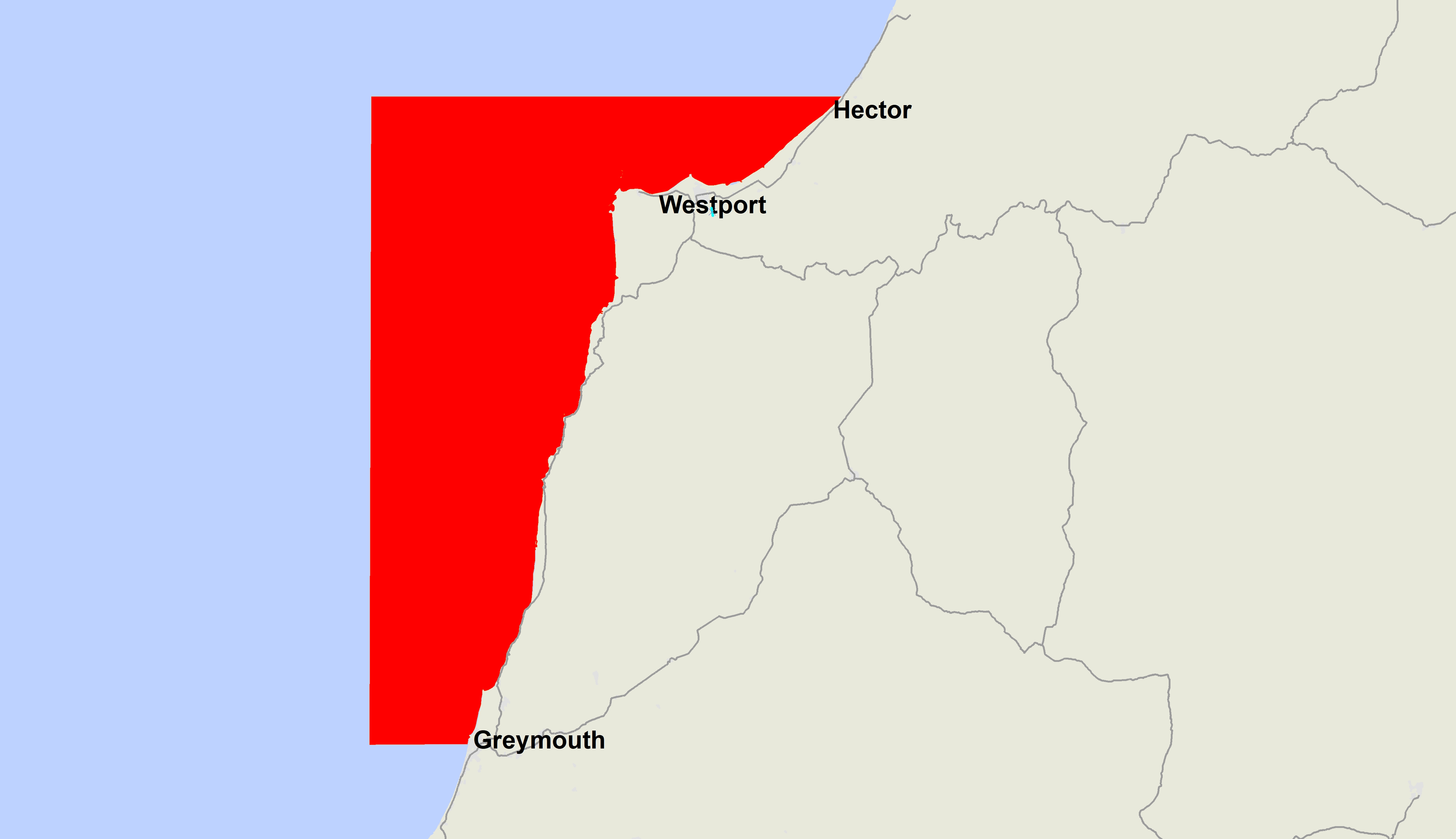
The Ministry for Primary Industries (MPI) today issued a public health warning advising the public not to collect or consume shellfish harvested from between Hector south to Greigs on the South Island West Coast.

Routine tests on shellfish samples taken from Cape Foulwind has shown levels of diarrhetic shellfish toxins above the safe limit of 0.16 mg/kg set by MPI.  Anyone eating shellfish from this area is potentially at risk of illness.

Ongoing testing will continue and any changes will be communicated accordingly.

Mussels, oysters, tuatua, pipi, toheroa, cockles, scallops, catseyes, kina (sea urchin) and all other bivalve shellfish should not be eaten.

Note: cooking shellfish does not remove the toxin.

Map highlighting in red the areas affected.

Information – How Is HUS Diagnosed After an E. coli Infection?

Food Poisoning Bulletin

CDC E.coli

Image CDC

Hemolytic uremic syndrome, or HUS, is one of the most serious complications of any foodborne illness infection. It is caused by misshapen red blood cells that are created when Shiga toxins produced by E. coli bacteria travel through the bloodstream to the kidneys.

The destroyed blood cells clog the glomeruli, which are tiny tubes in the kidneys. The kidneys can shut down, and some patients experience kidney failure.

One of the worst things about this complication is that most patients are children under the age of 5, who have no choice in what they are given to eat or drink.

Symptoms of HUS include little to no urine output (oligoanuria), lethargy, pale skin, a skin rash, and bleeding from the nose or mouth. If someone is experiencing these symptoms, it’s critical that they are taken to a doctor immediately. Many of these patients are hospitalized for palliative and supportive care.

Hemolytic uremic syndrome is often diagnosed by these symptoms and the timing of symptoms. An E. coli infection usually starts three to four days after exposure to the pathogen. HUS symptoms usually begin about four days after E. coli infection symptom onset.

RASFF Alerts – Aflatoxin – Groundnuts – Hazlenut Kernels – Nutmegs – Pistachios – Ground Ginger – Almonds

RASFF-Logo

RASFF – aflatoxins (B1 = 23.1; Tot. = 25.6 µg/kg – ppb) in groundnuts with shell from Egypt in Germany

RASFF – aflatoxins (B1 = 19.2; Tot. = 28.8 µg/kg – ppb) in hazelnut kernels from Georgia in Bulgaria

RASFF – aflatoxins (B1 = 5.6 µg/kg – ppb) in groundnuts from Argentina in the Netherlands

RASFF – aflatoxins (B1 = 10; Tot. = 11 µg/kg – ppb) in groundnuts from the United States in the Netherlands

RASFF – aflatoxins (B1 = 2.59 µg/kg – ppb) in groundnuts from Argentina in the Netherlands

RASFF – aflatoxins (B1 = 4.4; Tot. = 5.1 µg/kg – ppb) in blanched groundnut kernels from Argentina in Italy

RASFF – aflatoxins (Tot. = 16.4 µg/kg – ppb) in nutmegs from Indonesia in Germany

RASFF – aflatoxins (B1 = 17.75 µg/kg – ppb) in pistachios from the United States, processed in Turkey in Italy

RASFF – aflatoxins (B1 = 23; Tot. = 34 µg/kg – ppb) in groundnut paste from Senegal in France

RASFF – aflatoxins (B1 = 47; Tot. = 81 µg/kg – ppb) in groundnut powder from Senegal in France

RASFF – aflatoxins (B1 = 17.19 µg/kg – ppb) in ground ginger from Germany in Germany

RASFF – aflatoxins (Tot. = 102 µg/kg – ppb) in roasted and salted pistachios from Turkey in the UK

RASFF – aflatoxins (B1 = >24; Tot. = >24 µg/kg – ppb) in shelled almonds from Australia, manufactured in Vietnam in Spain

RASFF Alert – Ochratoxin – Dried Grapes – Sultana – Sultana Raisins

RASFF-Logo

RASFF – ochratoxin A (19.3 µg/kg – ppb) in dried grapes from Turkey in France

RASFF – ochratoxin A (19.1 µg/kg – ppb) in dried grapes from Turkey in France

RASFF – ochratoxin A (20 µg/kg – ppb) in sultanas from Turkey in France

RASFF – ochratoxin A (22 µg/kg – ppb) in sultana raisins from Turkey in France