Histamine in mackerel from Netherlands in Austria, Belgium, Czech Republic, Estonia, Germany, Lithuania, Netherlands and USA
KSWFoodWorld

Histamine in mackerel from Netherlands in Austria, Belgium, Czech Republic, Estonia, Germany, Lithuania, Netherlands and USA
Papaya-associated foodborne illness outbreaks have been frequently reported worldwide. The goal of this study was to evaluate the behavior of Salmonella Typhimurium and Listeria monocytogenes on whole papaya during storage and sanitizing process. Fresh green papayas were inoculated with approximately 7 log CFU of S. Typhimurium and L. monocytogenes and stored at 21 or 7 °C for 14 days. Bacteria counts were determined on day 0, 1, 7, 10 and 14. Fresh green papayas inoculated with approximately 8 log CFU of the bacteria were treated for 5 min with 2.5, 5 and 10 ppm aqueous chlorine dioxide (ClO2). The ClO2 solutions were generated by mixing sodium chlorite with an acid, which was HCl, lactic acid or malic acid. The detection limit of the enumeration method was 2.40 log CFU per papaya. At the end of storage period, S. Typhimurium and L. monocytogenes grew by 1.88 and 1.24 log CFU on papayas at 21 °C, respectively. Both bacteria maintained their initial population at inoculation on papayas stored at 7 °C. Higher concentrations of ClO2 reduced more bacteria on papaya. 10 ppm ClO2, regardless the acid used to generate the solutions, inactivated S. Typhimurium to undetectable level on papaya. 10 ppm ClO2 generated with HCl, lactic acid and malic acid reduced L. monocytogenes by 4.40, 6.54 and 8.04 log CFU on papaya, respectively. Overall, ClO2 generated with malic acid showed significantly higher bacterial reduction than ClO2 generated with HCl or lactic acid. These results indicate there is a risk of survival and growth for S. Typhimurium and L. monocytogenes on papaya at commercial storage conditions. Aqueous ClO2 generated with malic acid shows effectiveness in inactivating the pathogenic bacteria on papaya. View Full-Text
Posted in food contamination, Food Hazard, Food Hygiene, Food Inspections, Food Micro Blog, Food Microbiology, Food Microbiology Blog, Food Microbiology Research, Food Microbiology Testing, Food Pathogen, Food Poisoning, food recall, Food Safety, Food Safety Alert, Food Testing, Listeria, Listeria monocytogenes, Research, Salmonella
Recall of Cora
Product: Beef-based preparations, sold via the Cora butcher’s stand in Woluwe-Saint-Lambert.
Problem: Presence of Escherichia Coli (STEC).
As part of a self-test, the presence of Escherichia Coli (STEC) was detected in:
Beef-based preparations, sold via the Cora de Woluwe-Saint-Lambert butcher’s stand:
• Batch number: BE961762132 and all packaged preparations from 01/08 to 11/08/2021
• Date of packaging: from 08/01 to 08/11/2021
The products were distributed via the Cora of Woluwe-Saint-Lambert (1200 Brussels) .
CORA has decided, in agreement with the AFSCA (Federal Agency for the Safety of the Food Chain), to withdraw all production made from this raw material from sale.
Customers who have purchased one of these products are asked not to consume them and to bring them back to the point of sale, where they will be reimbursed.
People who have consumed the products mentioned above and who have symptoms such as gastrointestinal disorders are invited to consult their doctor, notifying him of this consumption as well as the place and date of purchase.
In the meantime, the products have been removed from the shelf of this store and a ‘Customer Reminder’ poster is displayed at this point of sale.
We sincerely apologize to our customers for this inconvenience and assure them that we will take more effective measures with our supplier to avoid this type of incident.
For any further information, contact:
alerts-retraits@cora.be
+3271699524
The CORA Quality Department
Posted in afsca, food contamination, food handler, Food Hazard, Food Hygiene, Food Inspections, Food Micro Blog, Food Microbiology, Food Microbiology Blog, Food Microbiology Testing, Food Pathogen, Food Poisoning, food recall, Food Safety, Food Safety Alert, Food Testing, Food Toxin, STEC, STEC E.coli
Ground almonds ORGANIC
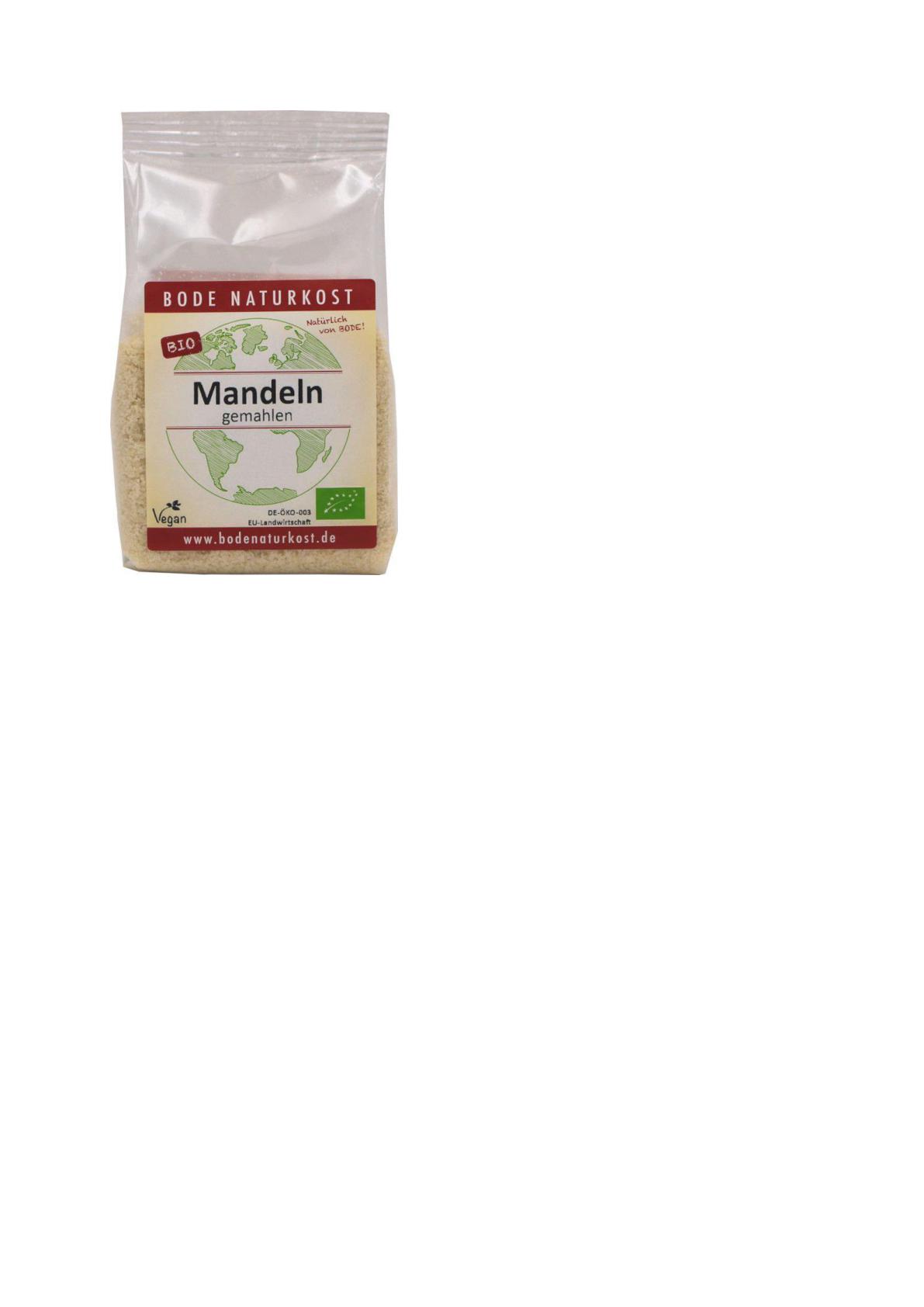
Recall Horst Bode Naturkost GmbH
Bode Naturkost GmbH Havighorster Weg 6 21031 Hamburg
Aflatoxins
Baden-Württemberg:poststelle@mlr.bwl.de
| Press releases and information | |
|---|---|
| title | Attachment or web link |
|
Recall Bode Naturkost GmbH
|
|
Aflatoxins in U.S.A. peanuts in the Netherlands
Aflatoxin in Nicaraguan groundnuts in the Netherlands
Aflatoxins in pistachios from the United States in Germany
Aflatoxins in Organic Egyptian peanuts for Further Processing in the Netherlands
Aflatoxins in ground organic almonds from Spain in Austria, Bulgaria, Germany, Hungary, Luxembourg, Poland, Spain and Sweden
Aflatoxin in Pakistan Brown Rice in the Netherlands
Posted in Aflatoxin, food contamination, Food Hazard, Food Hygiene, Food Inspections, Food Micro Blog, Food Microbiology, Food Microbiology Blog, Food Microbiology Testing, Food Poisoning, food recall, Food Safety, Food Safety Alert, Food Testing, Food Toxin, Mold Toxin, Mould Toxin, Mycotoxin, RASFF
STEC in raw milk soft cheese from France in Germany
Posted in food contamination, Food Hazard, Food Hygiene, Food Inspections, Food Micro Blog, Food Microbiology, Food Microbiology Blog, Food Microbiology Testing, Food Pathogen, Food Poisoning, food recall, Food Safety, Food Safety Alert, Food Testing, Food Toxin, RASFF, Raw Milk, raw milk cheese, STEC, STEC E.coli
Bacillus cereus in potato gnocchi from Italy in France
Suspicion of Diarrhoeic Shellfish Poisoning (DSP) toxins in tellins from France in Belgium, France , Germany ,Italy, Spain and Switzerland
Posted in Diarrhoeic Shellfish Poisoning, DSP, food contamination, food handler, Food Hazard, Food Hygiene, Food Inspections, Food Micro Blog, Food Microbiology, Food Microbiology Blog, Food Microbiology Testing, Food Poisoning, food recall, Food Safety, Food Safety Alert, Food Testing, Food Toxin, RASFF
Ochratoxin A in red quinoa from France in Belgium, Germany and Netherlands
Posted in food contamination, food handler, Food Hazard, Food Hygiene, Food Inspections, Food Micro Blog, Food Microbiology, Food Microbiology Blog, Food Microbiology Testing, Food Poisoning, food recall, Food Safety, Food Safety Alert, Food Temperature Abuse, Food Testing, Food Toxin, Mold Toxin, Mould Toxin, Mycotoxin, Ochratoxin
Finnish authorities have issued a warning after a number of E. coli infections were linked to hamburger patties.
The National Institute for Health and Welfare (THL) and Finnish Food Authority (Ruokavirasto) were made aware of several E. coli infections earlier this year after people ate burgers. Municipal inspectors investigated cases locally and took food samples.
E. coli may be present in raw ground (minced) meat and medium-cooked ground meat so patties should always be eaten fully cooked, said the agency.
When handling raw meat, care must be taken to wash hands, utensils and surfaces to prevent the transfer of bacteria to ready to eat foods such as salads.
Posted in food bourne outbreak, food contamination, food handler, Food Hazard, Food Hygiene, Food Illness, Food Inspections, Food Micro Blog, Food Microbiology, Food Microbiology Blog, Food Microbiology Testing, Food Pathogen, Food Poisoning, food recall, Food Safety, Food Safety Alert, Food Testing, Food Toxin, foodborne outbreak, foodbourne outbreak, outbreak


