Brand : cirdu
Name : arselle Cuore
Reason for reporting : Recall due to chemical risk
Publication date : 10 June 2024


Brand : cirdu
Name : arselle Cuore
Reason for reporting : Recall due to chemical risk
Publication date : 10 June 2024
Posted in Algal Toxin, food contamination, food handler, Food Hazard, Food Hygiene, Food Inspections, Food Micro Blog, Food Microbiology, Food Microbiology Research, Food Microbiology Testing, Food Poisoning, Food Quality, food recall, Food Safety, Food Safety Alert, Food Safety Management, Food Safety Regulations, Food Testing, Food Toxin, Lipophilic Marine Biotoxin, Marine Biotoxin, Shellfish, shellfish toxin
Brand : Cooperativa Pescatori Arborea
Name : Heart clams (Cerastoderma spp)
Reason for reporting : Recall due to chemical risk
Publication date : 8 June 2024
Posted in Diarrhoeic Shellfish Poisoning, DSP, food contamination, food handler, Food Hazard, Food Hygiene, Food Inspections, Food Micro Blog, Food Microbiology, Food Microbiology Blog, Food Microbiology Testing, Food Poisoning, Food Quality, food recall, Food Safety, Food Safety Alert, Food Safety Management, Food Safety Regulations, Food Testing, Food Toxin, Lipophilic Marine Biotoxin, Marine Biotoxin, okadaic acid, Shellfish, shellfish toxin
Brand : Cooperativa Pescatori Arborea)
Name : Local clams (Ruditapes decussatus)
Reason for reporting : Recall due to chemical risk
Publication date : 8 June 2024
Posted in Algal Toxin, Diarrhoeic Shellfish Poisoning, DSP, food contamination, food handler, Food Hazard, Food Hygiene, Food Inspections, Food Micro Blog, Food Microbiology, Food Microbiology Blog, Food Microbiology Testing, Food Poisoning, Food Quality, food recall, Food Safety, Food Safety Alert, Food Safety Management, Food Safety Regulations, Food Toxin, Food Virus, Lipophilic Marine Biotoxin, Marine Biotoxin, okadaic acid
Groundnuts USA aflatoxin in the Netherlands
Aflatoxins in dried figs from Turkey in France
Aflatoxin B1 in Satay Peanut Sauce from Thailand in Austria, Belgium, Finland, Germany, Ireland, Netherlands, Romania, Spain, Sweden.
Aflatoxin B1 in peanuts from United States in the Netherlands
Aflatoxin B1 in groundnut kernels, from Argentina in the Netherlands
Aflatoxins in shelled groundnuts from the United States in the Netherlands
Aflatoxin B1 and total aflatoxins in dried figs from Turkey in France
Aflatoxins in almonds from United States in Spain
Posted in Aflatoxin, Aflatoxin B1, Aspergillus Toxin, food contamination, food handler, Food Hazard, Food Hygiene, Food Inspections, Food Micro Blog, Food Microbiology, Food Microbiology Blog, Food Microbiology Testing, Food Poisoning, Food Quality, food recall, Food Safety, Food Safety Alert, Food Safety Management, Food Safety Regulations, Food Testing, Food Toxin, Mold Toxin, Mould Toxin, Mycotoxin, RASFF
June 5, 2024
Certain oysters and bay clams harvested from OR growing areas in Netarts Bay and Tillamook Bay, harvested on or after 5/28/24, and shellfish species from growing areas in Willapa Bay, WA: Stony Point, harvested between 5/26/24 and 5/30/24; Bay Center, harvested between 5/29/24 and 5/30/24; and Bruceport, harvested between 5/29/24 and 5/30/24. The shellfish were distributed to restaurants and retailers in AZ, CA, CO, HI, NV, NY, OR, and WA and may have been distributed to other states as well.
The FDA is advising restaurants and food retailers not to serve or sell and to dispose of, and consumers not to eat, oysters and bay clams harvested from growing areas in Netarts Bay and Tillamook Bay, OR harvested on or after 5/28/24, and all shellfish species from growing areas in Willapa Bay, WA: Stony Point, harvested between 5/26/24 and 5/30/24; Bay Center, harvested between 5/29/24 and 5/30/24; and Bruceport, harvested between 5/29/24 and 5/30/24, and distributed to AZ, CA, CO, HI, NV, NY, OR, and WA because they may be contaminated with the toxins that cause paralytic shellfish poisoning (PSP).
Molluscan shellfish contaminated with natural toxins from the water in which they lived can cause consumer illness. Most of these toxins are produced by naturally occurring marine algae (phytoplankton). Molluscan shellfish consume the algae which causes the toxins to accumulate in the shellfish’s flesh. Typically, contamination occurs following blooms of the toxic algal species; however, toxin contamination is possible even when algal concentrations are low in certain instances. One of the recognized natural toxin poisoning syndromes that can occur from consuming contaminated molluscan shellfish is paralytic shellfish poisoning (PSP).
PSP is caused by neurotoxins also referred to as saxitoxins or paralytic shellfish toxins (PSTs). Shellfish can retain the toxin for different lengths of time. Some species cleanse themselves of toxins rapidly, whereas others are much slower to remove the toxins. This lengthens the period of time they pose a human health risk from consumption.
Food containing PSTs may look, smell, and taste normal. These toxins cannot be removed by cooking or freezing. Consumers of these products who are experiencing symptoms of illness should contact their healthcare provider and report their symptoms to their local Health Department.
Posted in Algal Toxin, FDA, food contamination, food handler, Food Hazard, Food Hygiene, Food Inspections, Food Micro Blog, Food Microbiology, Food Microbiology Blog, Food Microbiology Testing, Food Poisoning, Food Quality, food recall, Food Safety, Food Safety Alert, Food Safety Management, Food Safety Regulations, Food Testing, Food Toxin, Lipophilic Marine Biotoxin, Marine Biotoxin, paralytic shellfish poisoning, PSP, shellfish toxin
Several pilgrims at the Catholic Shrine in Namugongo have reported a range of health issues, including stomach disorders and food poisoning.
Dr. Joseph Mubiru from Mulago, who is leading the health service team at the shrine, stated that they have treated over 160 pilgrims for food poisoning, stomach disorders, eye infections, high blood pressure, and other ailments.
Additionally, more than 30 pilgrims have collapsed. The medical team has stabilized these individuals before transferring them to Mulago Hospital for further treatment. While there are several health service providers at the shrine, all collapsed pilgrims are taken to Mulago for comprehensive care.
Posted in Food Illness, Food Poisoning, Foodborne Illness, Illness, Poisoning
Nearly 100 people took ill on Sunday in an incident of food poisoning in Rajasthan’s Udaipur, officials said.
Block Chief Medical Officer Dr Saket Jain, after primary examination of patients, said that it looked like a matter of food poisoning.
As per reports, several people took ill and grew symptoms of food poisoning after eating at a community event, following which they were admitted to a nearby hospital and are undergoing treatment.
In a concerning incident, 42 students from a private engineering college in Tamil Nadu were hospitalised early Sunday morning due to suspected food poisoning. The students, who had consumed dinner at their hostel, began experiencing symptoms of uneasiness and vomiting shortly after the meal, according to police reports.
All affected students were promptly transported to the Erode District Medical College Hospital for treatment. Medical staff have reported that the condition of the students is stable, and they are currently under observation.
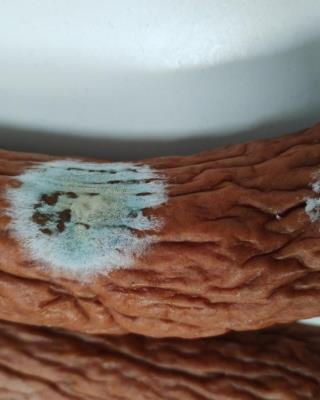
Colonies of green and white mold were found on the surface of the food in almost all the inspected packages under the intact packaging. Food is not considered safe if it shows signs of spoilage.
Unsuitable storage temperatures of this product were not detected during the inspection. The food did not have an expired minimum durability date.
| Batch: | L:9109 |
| Best before date: | 05/09/2024 |
| Packaging: | PE with print |
| Quantity of the product in the package: | 0.3 kg |
| Manufacturer: | Krahulík-MASOZÁVOD Krahulčí, as, no. 10, 58856 Krahulčí, Czech Republic |
| Country of origin: |  Czechia Czechia |
| Date of sample collection: | 26/04/2024 |
| Reference number: | 24-000217-SZPI-CZ |
Posted in food contamination, food handler, Food Hazard, Food Hygiene, Food Inspections, Food Micro Blog, Food Microbiology, Food Microbiology Blog, Food Microbiology Testing, Food Poisoning, Food Quality, food recall, Food Safety, Food Safety Alert, Food Safety Management, Food Safety Regulations, Food Spoilage, Food Testing, Food Toxin, Mold/ MouldAscospores, Mould/Mold, Potravinynapranyri, Visible Mould/Mold

Product category
Food
Product subcategory
Fishing and aquaculture products
Product brand name
NEGOFISH
Model names or references
SARDINE FILLET
Product identification
Batch
341240103
Products List
20240531115240133.pdfAttachment
Packaging
Sardine fillets sold in the traditional seafood section/sold by weight
Start/end date of marketing
From 05/13/2024 to 05/15/2024
Storage temperature
Product to keep in the refrigerator
Further information
Sardine fillets sold in the traditional seafood section
Geographical sales area
Departments: TARN (81)
Distributors
INTERMARCHE labruguière
Posted in food contamination, food handler, Food Hazard, Food Hygiene, Food Inspections, Food Micro Blog, Food Microbiology, Food Microbiology Blog, Food Microbiology Testing, Food Poisoning, Food Quality, food recall, Food Safety, Food Safety Alert, Food Safety Management, Food Safety Regulations, Food Testing, Histamine

 FoodWorld