Category Archives: Food Pathogen

USA – Oysters and Vibriosis

CDC

What You Need to Know

  • Eating raw oysters and other undercooked seafood can put you at risk for infections, such as vibriosis.
  • Vibriosis is caused by some kinds of Vibrio bacteria.
  • Most Vibrio infections happen during warmer months, but they can happen anytime.
  • An oyster that contains Vibrio doesn’t look, smell, or taste different from any other oyster.
  • A way to kill Vibrio in oysters is to cook them properly.
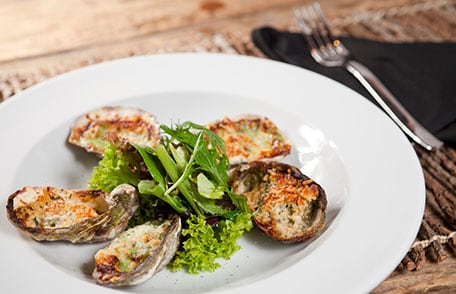
Plate of baked oysters

Many people enjoy eating raw oysters, and raw oyster bars are growing in popularity. But eating raw or undercooked oysters and other shellfish can put you at risk for foodborne illness.

Learn about vibriosis, an illness caused by infection with certain kinds of Vibrio bacteria, and steps you can take to protect your health when it comes to oysters and other shellfish.

Vibrio bacteria naturally inhabit coastal waters where oysters live. Because oysters feed by filtering water, Vibrio and other harmful bacteria and viruses can concentrate in their tissues. When someone eats raw or undercooked oysters, germs that might be in the oyster can cause illness.

CDC estimates that about 80,000 people get vibriosis—and 100 people die from it—in the United States every year. Most of these illnesses happen from May through October when water temperatures are warmer. However, you can get sick from eating raw or undercooked oysters during any month of the year, and raw oysters from typically colder waters also can cause vibriosis.

An oyster that contains harmful bacteria doesn’t look, smell, or even taste different from any other oyster. You can kill Vibrio in oysters and certain other shellfish, such as mussels and clams, by cooking them properly.

What are the symptoms of vibriosis?

Most Vibrio infections from oysters, such as Vibrio parahaemolyticus infection, result in mild illness, including diarrhea and vomiting. However, people with a Vibrio vulnificus infection can get very sick. As many as 1 in 5 people with a Vibrio vulnificus infection die. This is because Vibrio vulnificus infection can lead to bloodstream infections, severe blistering skin lesions, and limb amputations.

If you develop symptoms of vibriosis, tell your medical provider if you recently ate or touched raw oysters or other raw shellfish or came into contact with salt water or brackish water. Brackish water is a mixture of salt water and fresh water. It is often found where rivers meet the sea.

Who is more likely to get vibriosis?

Anyone can get vibriosis, but you may be more likely to get an infection or severe illness if you:

  • Have liver disease, cancer, diabetes, HIV, or the blood disorder thalassemia
  • Receive immune-suppressing therapy for the treatment of disease
  • Take medicine to lower stomach acid levels
  • Have had recent stomach surgery
  • Are 65 years or older

How do people get vibriosis?

Most people become infected by eating raw or undercooked shellfish, particularly oysters. Other people become infected by:

  • Getting brackish or salt water in a wound, such as when they’re swimming, wading, or fishing.
  • Cutting themselves on an item, such as a rock or pier, that has come into contact with brackish or salt water.
  • Getting raw seafood juices or drippings in a wound.

How can I stay safe?

Follow these tips to reduce your chances of getting an infection when eating or touching shellfish and other seafood:

  • Don’t eat raw or undercooked oysters or other shellfish. Fully cook them before eating, and only order fully cooked oysters at restaurants. Hot sauce and lemon juice don’t kill Vibrio bacteria and neither does alcohol.
    • Some oysters are treated for safety after they are harvested. This treatment can reduce levels of vibriosis in the oyster, but it does not remove all harmful germs. People who are more likely to get vibriosis should not eat any raw or undercooked oysters.
  • Separate cooked seafood from raw seafood and its juices to avoid cross contaminationexternal icon.
  • Wash your hands with soap and water after handling raw seafood.
  • Stay out of salt water or brackish water if you have a wound (including from a recent surgery, piercing, or tattoo).
    • Cover any wounds if they could touch raw seafood or raw seafood juices, or if you might come into contact with brackish or salt water.
  • Wash open wounds and cuts thoroughly with soap and water if they contacted salt water or brackish water or raw seafood or raw seafood juices or drippings.

What are tips for cooking shellfish?

Before cooking, discard any shellfish with open shells.

For shellfish in the shell, either:

  • Boil until the shells open and continue boiling another 3-5 minutes, or
  • Add to a steamer when water is already steaming and cook for another 4–9 minutes.

Only eat shellfish that open during cooking. Throw out any shellfish that do not open fully after cooking.

For shucked oysters, either:

  • Boil for at least 3 minutes,
  • Fry in oil for at least 3 minutes at 375°F,
  • Broil 3 inches from heat for 3 minutes, or
  • Bake at 450°F for 10 minutes.

USA- US Cyclospora cases spike 254 to 462 – food source unknown

Food Poison Journal

Cyclospora_LifeCycle201

The number of reported cases of domestically acquired cyclosporiasis illnesses has increased by 254 cases since the last update on July 14, 2021. Cases continue to be reported to CDC.

As of July 27, 2021, 462 laboratory-confirmed cases of cyclosporiasis in people who had no history of international travel during the 14-day period before illness onset have been reported to CDC by 29 jurisdictions, including 28 states and New York City.

At least 41 people have been hospitalized; no deaths have been reported.Cyclosporiasis illnesses are reported year-round in the United States; however, during the spring and summer months there is often an increase in cyclosporiasis acquired in the United States (i.e., “domestically acquired”).

USA – Recall of Hannaford Breads Made with McCormick Italian Seasoning – Salmonella

Food Poisoning Bulletin

A recall of Hannaford breads that were made with McCormick Perfect Pinch Italian Seasoning that was recalled on July 27, 2021 for possible Salmonella contamination has been announced by the store chain. The seasoning itself was sold at Hannaford stores. No illnesses have been reported to McCormick in association with the consumption of the recalled spice blends.

Denmark – Listeria and cheddar cheese

DVFA

Listeria and cheddar cheese

Lactalis Denmark is recalling a batch of Cahill’s Porter Cheddar cheese, as there is a risk of listeria in the product.

Recalled Foods , Published: July 29, 2021

​
What food:
Cahill’s Porter Cheddar
Net weight: 2.3 kg
Best before date: 17/11/2021
Batch No .: 21137
Sold in:
The retail company Lynhjem ApS, Stengade 19, 3000 Helsingør
Company recalling:
Lactalis Denmark, Industrivej 14, 3320 Skævinge
Cause:
The foreign manufacturer has established that there is a risk of the presence of the bacterium Listeria monocytogenes in the product.
Risk:
Infection with listeria bacteria, where the symptoms can include flu-like symptoms, fever and headaches and in rare cases gastrointestinal problems. Read more about the risks of listeria in foods here . 
Advice for consumers:
The Danish Veterinary and Food Administration advises consumers to deliver the product back to the store where it was purchased or to discard it.

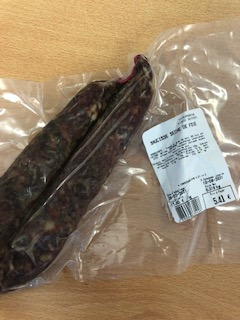
France – LIVER SAUSAGE – Salmonella

RASFF

Identifying information for the recalled product

  • Product category Food
  • Product sub-category Meats
  • Product brand name Intermarché Seysses
  • Names of models or references dry liver sausage
  • Product identification
    GTIN Lot Dated
    2462320000000 114503 Use-by date 07/21/2021
  • Packaging Product vacuum-packed by the point of sale
  • Start date / End of marketing From 07/06/2021 to 07/16/2021
  • Storage temperature Product to be stored in the refrigerator
  • Geographical sales area Intermarché de SEYSSES
  • Distributors  Intermarché Seysses

Practical information regarding the recall

  • Reason for recall Presence of salmonella.
  • Risks incurred by the consumer Salmonella spp (causative agent of salmonellosis)
  • Consumer behavior Stop using
    Return the product to the point of sale
    Contact the point of sale
  • Sanitary recommendation Food poisoning caused by salmonella results in sudden onset gastrointestinal disorders (diarrhea, vomiting) often accompanied by fever and headaches which generally occur 6 to 72 hours after consumption of the contaminated products. These symptoms may be more pronounced in young children, pregnant women, immunocompromised individuals and the elderly. People who have consumed these products and who present these symptoms are invited to consult their doctor, notifying him of this consumption. In the absence of symptoms within 7 days after consuming the affected products, there is no need to worry and consult a doctor. If the product must be cooked before consumption:
  • Contact number0562231919
  • Compensation modalities Repayment
  • End date of the recall procedure Sunday 15 August 2021

Germany – “Salami and cheese baguette” from the brand “take away” – Salmonella

LMW

Warning type: Food
Date of first publication: 07/29/2021
Product name:

“Salami and cheese baguette” from the brand “take away”

Product pictures:

Image salami-cheese-baguette.jpg

Netto Marken-Discount

Manufacturer (distributor):

PE.WE.GmbH Heinrich-Hertz-Str. 3 59348 Lüdinghausen Sales via Netto Marken-Discount

Reason for warning:

It cannot be ruled out that individual packs of the “take away salami-cheese-baguette” item in question are contaminated with salmonella.

Packaging Unit:

210 g

Durability:

08/03/2021

Lot identification:

CH428115

Additional Information:

Reference is made to the enclosed consumer information.

Contact to the responsible authorities:

Baden-Württemberg:poststelle@mlr.bwl.de

Bavaria:poststelle@lgl.bayern.de
Berlin:poststelle@senjustva.berlin.de
Brandenburg:Konsumenterschutz@Msgiv.Brandenburg.de
Hesse:Schnellwarnung@rpda.hessen.de
Mecklenburg-Western Pomerania:poststelle@lm.mv-regierung.de
Lower Saxony:poststelle@ml.niedersachsen.de
North Rhine-Westphalia:poststelle@mulnv.nrw.de
Rhineland-Palatinate:Poststelle.Referat22@lua.rlp.de
Saarland:poststelle-luv@lav.saarland.de
Saxony:poststelle@sms.sachsen.de
Saxony-Anhalt:poststelle@ms.sachsen-anhalt.de
Thuringia:LM-Ueberendung@tlv.thueringen.de
Press releases and information
title Attachment or web link
Consumer information

USA – Greater Omaha Packing Recalls Raw Beef Products Due to Possible E. Coli O157:H7 Contamination

FSIS USDA

FSIS Announcement

WASHINGTON, July 29, 2021 – Greater Omaha Packing, an Omaha, Neb. establishment, is recalling approximately 295,236 pounds of raw beef products intended for non-intact use that may be contaminated with E. coli O157:H7, the U.S. Department of Agriculture’s Food Safety and Inspection Service (FSIS) announced today.

The raw beef products intended for non-intact use were produced on July 13, 2021. The complete list of products and product codes for the beef products that are subject to recall can be found here.

The products subject to recall bear establishment number “EST. 960A” inside the USDA mark of inspection. These items were distributed to further processors in Illinois, Indiana, Minnesota and Nebraska.

The problem was discovered when FSIS collected a routine product sample that confirmed positive for the presence of E. coli O157:H7. There have been no confirmed reports of adverse reactions due to consumption of these products.

Anyone concerned about an injury or illness should contact a healthcare provider. E. coli O157:H7 is a potentially deadly bacterium that can cause dehydration, bloody diarrhea, and abdominal cramps 2–8 days (3–4 days, on average) after exposure the organism. While most people recover within a week, some develop a type of kidney failure called hemolytic uremic syndrome (HUS). This condition can occur among persons of any age but is most common in children under 5-years old and older adults. It is marked by easy bruising, pallor, and decreased urine output. Persons who experience these symptoms should seek emergency medical care immediately.

FSIS routinely conducts recall effectiveness checks to verify recalling firms notify their customers of the recall and that steps are taken to make certain that the product is no longer available to consumers. When available, the retail distribution list(s) will be posted on the FSIS website at www.fsis.usda.gov/recalls.

FSIS advises all consumers to safely prepare their raw meat products, including fresh and frozen, and only consume beef products that have been cooked to a temperature of 145°F and allow to rest for at least 3 minutes and ground meat products that have been cooked to a temperature of 160°F. The only way to confirm that the beef product is cooked to a temperature high enough to kill harmful bacteria is to use a food thermometer that measures internal temperature, https://www.fsis.usda.gov/safetempchart.

Consumers and members of the media with questions about the recall can contact Angel Besta, Vice President of Technical Resources, Greater Omaha Packing at (402) 515-2727.

Consumers with food safety questions can call the toll-free USDA Meat and Poultry Hotline at 1-888-MPHotline (1-888-674-6854) or live chat via Ask USDA from 10 a.m. to 6 p.m. (Eastern Time) Monday through Friday. Consumers can also browse food safety messages at Ask USDA or send a question via email to MPHotline@usda.gov. For consumers that need to report a problem with a meat, poultry, or egg product, the online Electronic Consumer Complaint Monitoring System can be accessed 24 hours a day at https://foodcomplaint.fsis.usda.gov/eCCF/.

Company Information

Omaha, NE

ESTABLISHMENT ID

M960A

PROCESSING CATEGORY

Raw – Non Intact

Company Contact Information

COMPANY MEDIA CONTACT
Greater Omaha Packing
Angel Besta, Vice President of Technical Resources

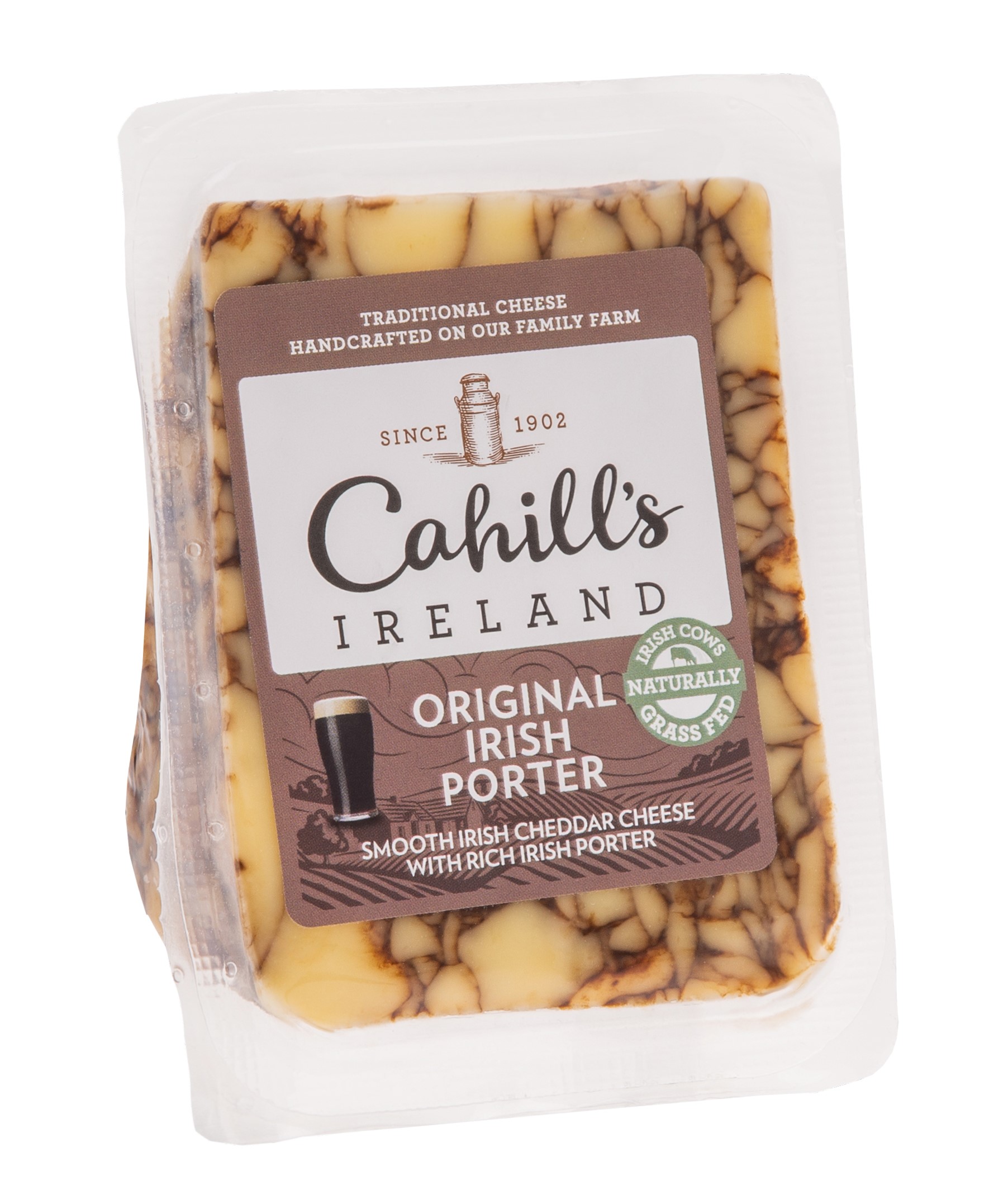
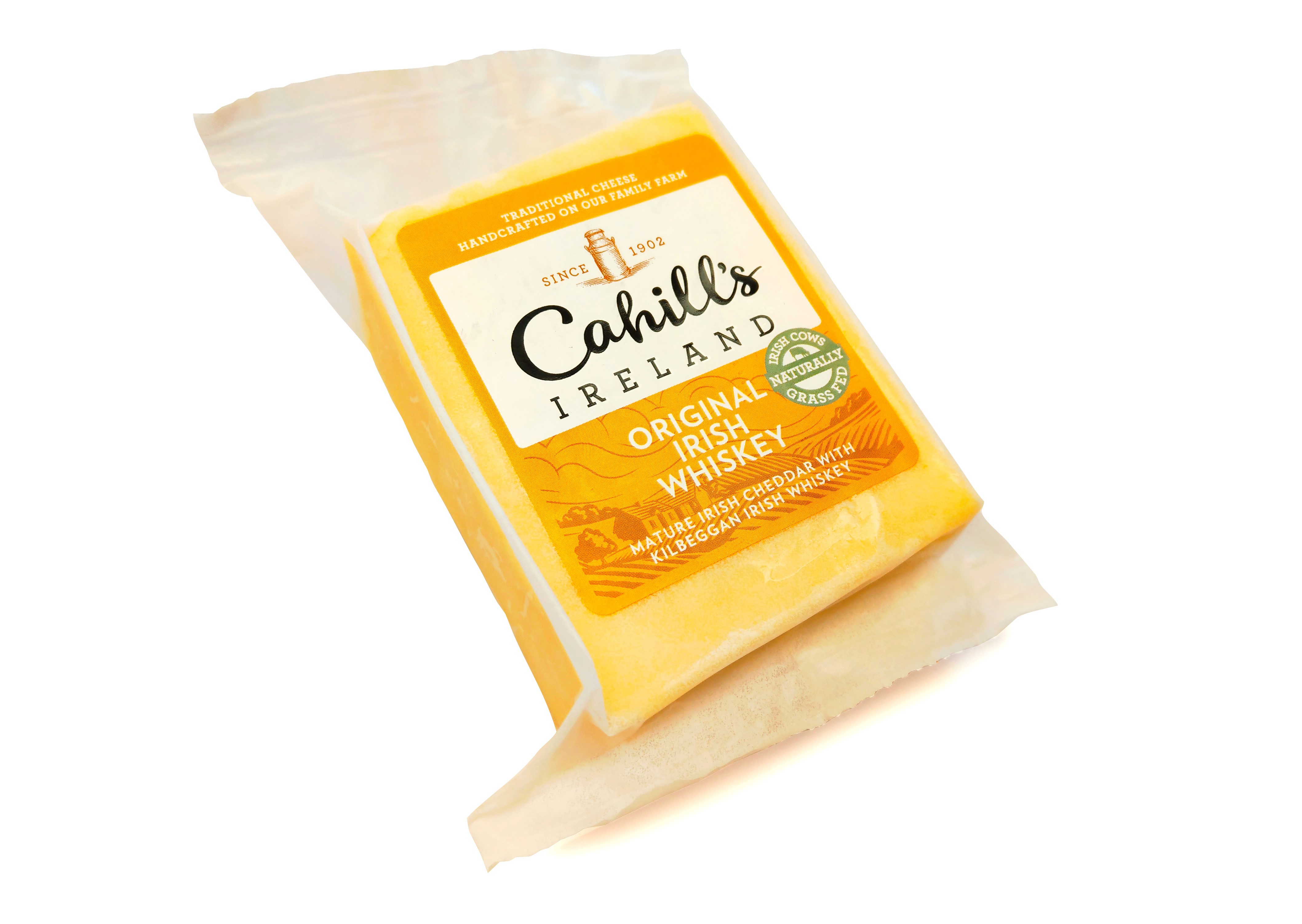
Germany – Cahill’s Ireland Original Irish Porter 145 g Cahill’s Ireland Original Irish Whiskey 200 g – Listeria monocytogenes

LMW

Warning type: Food
Date of first publication: 07/29/2021
Product name: Cahill’s Ireland Original Irish Porter 145 g Cahill’s Ireland Original Irish Whiskey 200 g
Product pictures:

5309_ORIG._IRL._CHEDDAR_PORTER_145G.jpg
5308_CAHILLS_CHEDDAR_WHISKEY_200G.jpg
Manufacturer (distributor):

Manufacturer: Cahill’s Farm Cheese Ltd., Ireland Distributor: Müller Moers GmbH & Co. KG, 47445 Moers

Reason for warning:

Detection of Listeria monocytogenes germs

Packaging Unit:

145g, 200g

Durability:

September 20, 2021 and October 5, 2021 (21110, 21125), September 26, 2021 (21116)

Lot identification:

21110, 21125, 21116

Contact to the responsible authorities:

Baden-Württemberg:poststelle@mlr.bwl.de

Bavaria:poststelle@lgl.bayern.de
Berlin:poststelle@senjustva.berlin.de
Bremen:Schnellwarnung@gesundheit.bremen.de
Hamburg:poststelle@justiz.hamburg.de
Hesse:Schnellwarnung@rpda.hessen.de
Lower Saxony:poststelle@ml.niedersachsen.de
North Rhine-Westphalia:poststelle@mulnv.nrw.de
Rhineland-Palatinate:Poststelle.Referat22@lua.rlp.de
Saarland:poststelle-luv@lav.saarland.de
Saxony:poststelle@sms.sachsen.de
Saxony-Anhalt:poststelle@ms.sachsen-anhalt.de
Schleswig-Holstein:poststelle@jumi.landsh.de
Thuringia:LM-Ueberendung@tlv.thueringen.de
Press releases and information
title Attachment or web link
Consumer information

RASFF Alert – Vibrio parahaemolyticus – Frozen Peeled Shrimp

RASFF

Vibrio parahaemolyticus (toxR+ tdh+ trh+ /25g) in frozen peeled shrimps from India in France

RASFF Alert – STEC E.coli – Cow Carcase

RASFF

STEC cow carcass in Belgium