Category Archives: Food Pathogen

Research – Inhibition of Food-Borne Pathogen Growth and Biogenic Amine Synthesis by Spice Extracts

MDPI

Food-borne pathogens and their toxins cause significant health problems in humans. Formation of biogenic amines (BAs) produced by microbial decarboxylation of amino acids in food is undesirable because it can induce toxic effects in consumers. Therefore, it is crucial to investigate the effects of natural additives with high bioactivity like spice extracts to inhibit the growth of these bacteria and the formation of BAs in food. In the present study, the antibacterial effects of diethyl ether spice (sumac, cumin, black pepper, and red pepper) extracts at doses of 1% (w/v) on Gram-positive (Staphylococcus aureus and Enterococcus faecalis) and Gram-negative (Klebsiella pneumoniaePseudomonas aeruginosaCampylobacter jejuniAeromonas hydrophilaSalmonella Paratyphi A, and Yersinia enterocolitica) food-borne pathogen bacterial strains (FBP) were established. In addition, the accumulation of ammonia (AMN), trimethylamine (TMA), and biogenic amines (BAs) in tyrosine decarboxylase broth (TDB) was investigated by using high performance liquid chromatography (HPLC). Sumac extract exhibited the highest antibacterial potential against all FBPs, followed by cumin and peppers. AMN (570.71 mg/L) and TMA (53.66 mg/L) production were strongly inhibited by sumac extract in the levels of 55.10 mg/L for Y. enterocolitica and 2.76 mg/L for A. hydrophila, respectively. With the exception of S. aureus, black pepper dramatically reduced the synthesis of putrescine, serotonin, dopamine, and agmatine by FBP especially for Gram-negative ones. Furthermore, sumac extracts inhibited histamine and tyramine production by the majority of FBP. This research suggests the application of sumac extracts as natural preservatives for inhibiting the growth of FBPs and limiting the production of AMN, TMA, and BAs.
Research – Application of Ultrasound Treatments in the Processing and Production of High-Quality and Safe-to-Drink Kiwi Juice

MDPI

Abstract

This study explores the potential of thermosonication as an alternative to traditional heat treatments, such as pasteurization, in the processing of fruit juices. Conventional methods often lead to undesirable quality changes in fruit juices, whereas thermosonication offers promising results regarding microbial inactivation and quality preservation. This work focused on the inactivation kinetics of Listeria innocua 2030c, a surrogate for pathogenic L. monocytogenes, in kiwifruit juice using thermosonication at 45 °C, 50 °C, and 55 °C. These treatments were compared with equivalent heat treatments. Quality attributes of the juice were also evaluated to assess process efficiency. Survival data of L. innocua were fitted with the Weibull model, estimating first decimal reduction times (δ) and shape parameters (n). The results reveal temperature and process dependencies on δ, while n remains mostly temperature and treatment independent. Thermosonication outperforms heat treatment, achieving higher L. innocua reductions while retaining quality attributes like pH, soluble solid content, and total phenolics and chlorophylls. Thermosonication at 55 °C stands out, providing a 6.2-log-cycle reduction in just 3 min with superior quality retention. These findings highlight the synergistic effect of temperature and ultrasound, making mild heat processes feasible while enhancing product quality. Thermosonication, particularly at 55 °C, emerges as an effective alternative to traditional thermal treatments for fruit juices, offering improved microbial safety without compromising product quality.

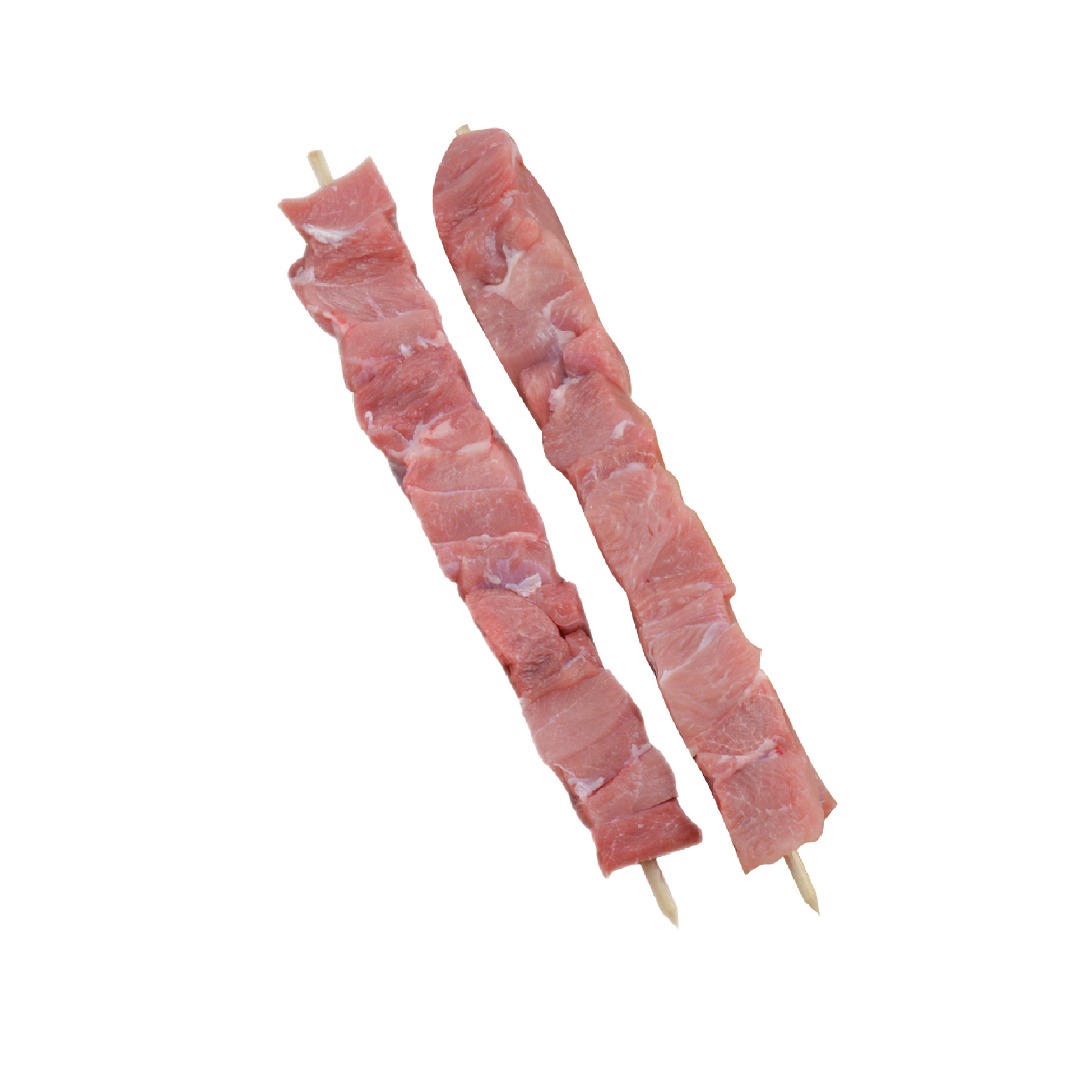
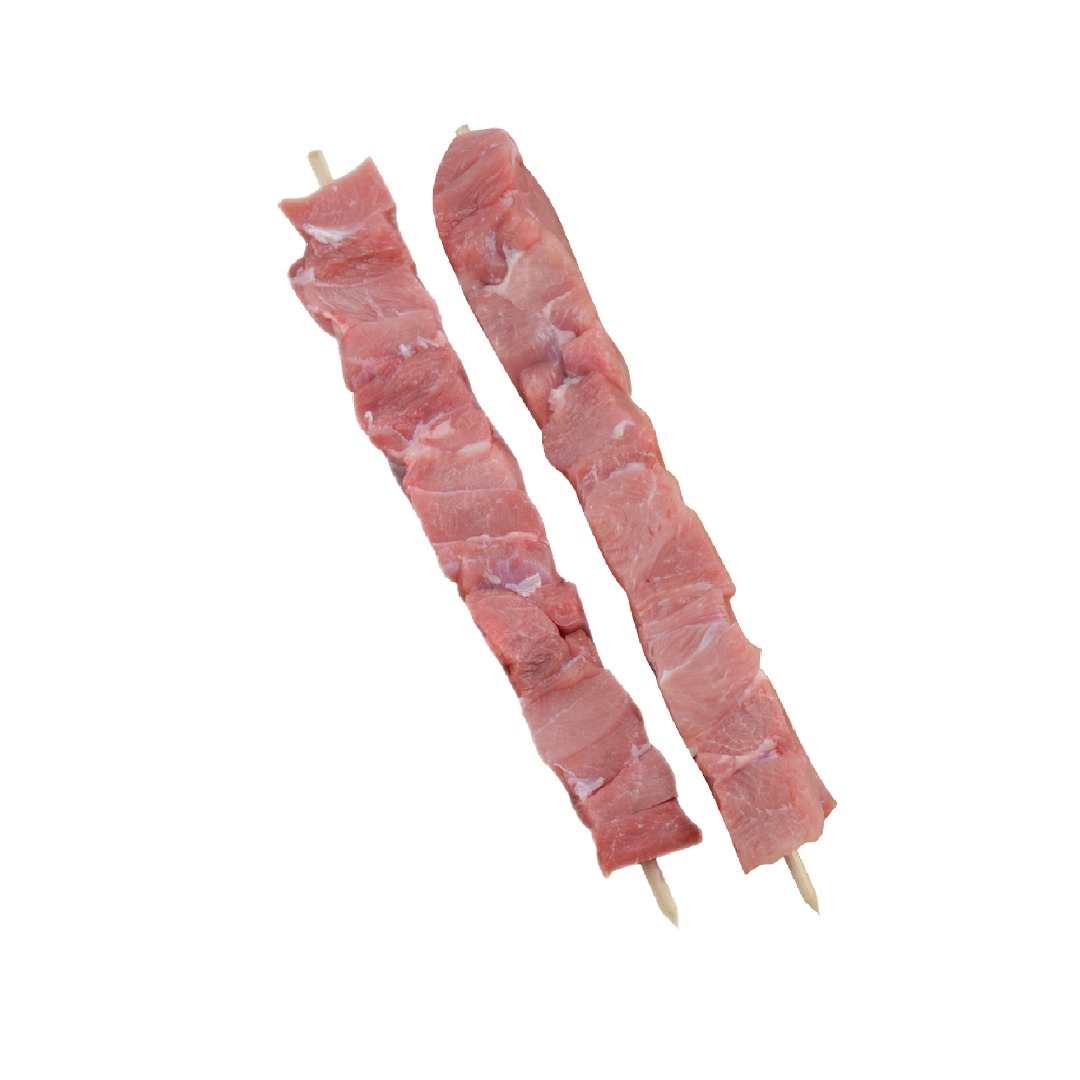
France -Two Varieties of Turkey Skewers – Salmonella

Gov France

Gov France

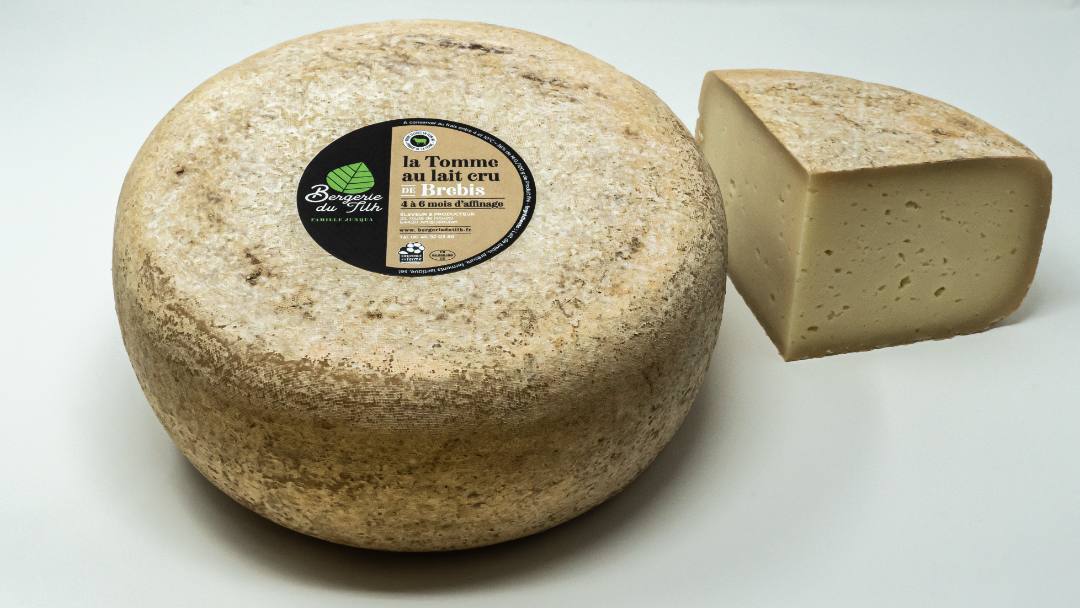
France – Sheep’s Tomme, Tommette, soft pasta with raw sheep’s milk – Listeria monocytogenes

Gov France

Product category
Food
Product subcategory
Milk and dairy products
Product brand name
Bergerie du Tilh
Model names or references
Tomme, Titou, Bichon, Arriel
Product identification
Batch Date
Lots of 1 to 10 Recommended consumption date 02/18/2024
Start/end date of marketing
From 01/11/2023 to 18/01/2024
Storage temperature
Product to keep in the refrigerator
Health mark
64,059,100
Geographical sales area
Regions: Nouvelle-Aquitaine, Occitanie
Distributors
Farm sale, Ferm’Envie, Aux Saveurs de la Ferme, Points Verts, Les 5C, AMAP

New Zealand – Lindsay Farm HB Ltd is recalling specific batches of its Lindsay Farm brand Organic Raw Milk (unpasteurised) as the product may contain Campylobacter.

MPI

Product identification
Product type Raw (unpasteurised) drinking milk
Name of product (size) Lindsay Farm brand Organic Raw Milk (unpasteurised) 2L
Batch marking Lot numbers: 2612, 2712, 2812, 2912, 3112, 0101, 0201, 0301, 0401
Date marking Use by dates: 30.12.23, 31.12.23, 01.01.24, 02.01.24, 04.01.24, 05.01.24, 06.01.24, 07.01.24, 08.01.24
Package size and description The product is sold in a plastic 2L bottle.
Distribution The product is sold in the Hawke’s Bay region via home deliveries and the following registered depots:

Betta Electrical, 46 – 48 Ruatainwha Street, Waipukurau

Chantal Shop, 45 Hastings Street, Napier

Cornucopia – The Organic Shop, 221 Heretaunga Street East, Hastings

Dawnacres Florist, 208 Havelock Road, Akina, Hastings

Nature’s Nurture – The Organic Grocer, 100 High Street, Waipawa

Tangaroa Seafoods, 7 Tangaroa Street, Ahuriri, Napier

Unichem Taradale Pharmacy, 288 Gloucester Street, Taradale, Napier.

The product has not been exported.

Notes This recall does not affect any other batches of Lindsay Farm brand Organic raw milk (unpasteurised).

Point of sale notice for retailers

If you are a retailer of the product in this recall, download a copy of the point of sale notice. You need to display it in your store for one month.

Point of sale notice – Lindsay Farm brand Organic Raw Milk (unpasteurised) [PDF, 128KB]

Consumer advice

Customers are asked to check the lot number and Use by date printed on the bottle.

If you have purchased any of the affected product listed on this notice, do not consume it. Customers should return the product to their retailer for a full refund. Alternatively, consume after heating to 70°C and holding at this temperature for one minute. If you don’t have a thermometer, heat the milk until it nearly reaches a boil (or scald the milk) before drinking it.

There have been two notifications of possible associated illness. If you have consumed any of this product and have any concerns about your health, seek medical advice.

Customers should return the product to their retailer for a full refund.

How to reduce the risk of illness if you drink raw unpasteurised milk

Campylobacter infection: symptoms and advice

RASFF Alert- Campylobacter – Duck Drumsticks

RASFF

Salmonella group C and Campylobacter jejuni in frozen duck drumsticks from Poland in Germany

RASFF Alerts- Aflatoxin – Pistachios – Groundnuts – Peanuts – Peanut Butter – Dried Figs – Brazil Nuts – Almonds

RASFF

Aflatoxin limit exceeded in peanuts from China in Spain

RASFF

Aflatoxin in Pistachio from Turkey in Italy and Germany

RASFF

Aflatoxins in peanut butter from India in Germany and Austria

RASFF

Aflatoxin in USA groundnuts in the Netherlands

RASFF

High level of aflatoxins (B1 and total) in pistachios in shell from Turkey in Italy

RASFF

Aflatoxin in dried figs from Turkey in Italy

RASFF

Aflatoxin B1 and total in Pistachios peeled from Iran in the Netherlands and Germany

RASFF

Aflatoxins in dried organic figs from Turkey in Germany

RASFF

Aflatoxins in Pistachios in shell from Türkiye in Italy

RASFF

Aflatoxins in pistachios from the United States of America, via Türkiye in Italy and Germany

RASFF

Aflatoxin in Groundnut kernels from Argentina in the Netherlands

RASFF

Aflatoxins (B1,B2,G1,G2) in raw groundnuts, from the USA in the Netherlands and Switzerland

RASFF

Aflatoxin B1 in Brazil nuts from Bolivia in the UK and Netherlands

RASFF

Aflatoxin in USA groundnuts in the Netherlands

RASFF

Aflatoxin B1 in almonds from Spain in the Netherlands

RASFF

Groundnuts USA Aflatoxin GGB 23105780 in the Netherlands

RASFF Alert- Ochratoxin A – Sultanas

RASFF

Presence of Ochratoxin A above the limit value in sultanas from Turkey in Italy

RASFF

Ochratoxin A in clipped, halved dried figs from Turkey in France , Germany and Poland

RASFF Alerts- Salmonella – Sesame Seeds – Polish Chicken Products – Parsley -Northern Cod Fillets – Sesame Halva – Duck Drumsticks – Pork Meat

RASFF

Salmonella spp Frozen Northern Cod Fillets from China in Italy

RASFF

Presence of Salmonella in parsley from Egypt in Spain

RASFF

Salmonella spp. in sesame halva from Poland in Germany. Latvia, Lithuania and Sweden

RASFF

Salmonella Infantis in frozen chicken kebab from the Czech Republic, raw material from Poland in Germany

RASFF

Salmonella group C and Campylobacter jejuni in frozen duck drumsticks from Poland in Germany

RASFF

Salmonella spp. in pork meat from Spain in Romania

RASFF

Presence of Salmonella spp. in Indian hulled sesame seeds from India in Greece

RASFF Alert- Vibrio vulnificus-

RASFF

Vibrio vulnificus in frozen prawns from Ecuador in France