Category Archives: Food Microbiology Testing

Norway – Smoked salmon and trout suspected as the source of outbreaks of Listeriosis

Matportalen

The Norwegian Food Safety Authority is collaborating with the Norwegian Institute of Public Health , the Norwegian Veterinary Institute and relevant municipal supervisors to find the cause of the outbreak.

All four people, three women and one man, fell ill in June this year and have been admitted to hospital. All are now healthy or improving. They are aged 50-80 and live in Viken (2), Vestland and Oslo. 

The Norwegian Food Safety Authority has interviewed the persons and obtained product samples which the Veterinary Institute has analyzed (vi.no). Three out of four people report having eaten either smoked salmon or smoked trout from Troll Salmon in the time before they became ill. The outbreak bacterium was found in two packs of smoked salmon from Troll Salmon . One of the people had the packages in the freezer.

The bacterial strain in this outbreak is similar to the outbreak strain detected in an outbreak of listeriosis in 2022, where smoked salmon was the suspected source of infection (fhi.no).

– The Norwegian Food Safety Authority is in close dialogue with the business, which must ensure that they do not sell products that represent a possible health hazard for consumers. The Norwegian Food Safety Authority also monitors that the company carries out necessary investigations and implements sufficient measures in production, says Lindis Folkvord, section manager in the Norwegian Food Safety Authority’s biological food safety section.

Advice for vulnerable groups  

Most people can eat foods containing the listeria bacteria without becoming seriously ill, but susceptible people tolerate less of the bacteria.  

– It is a general advice that pregnant women, people with weakened immune systems and the elderly with a weakened general condition should eat fish and smoked fish that are as fresh as possible. This means that the product should be well within the best-before date, says Folkvord. 

Other measures to reduce the risk of listeria bacteria are to store such products in a refrigerator at 4 degrees or colder, and to wash equipment and hands after handling risk products to reduce the risk of transfer of listeria bacteria to other products.  

Risk product

Listeria is usually transmitted through food, especially refrigerated foods with a long shelf life that are eaten without heat treatment. Examples of such risk products are soft ripening cheeses and unpasteurized semi-hard cheeses, unpasteurized milk, smoked, raw and raw fish, some types of cut-up cooked meat spreads and raw meat.  
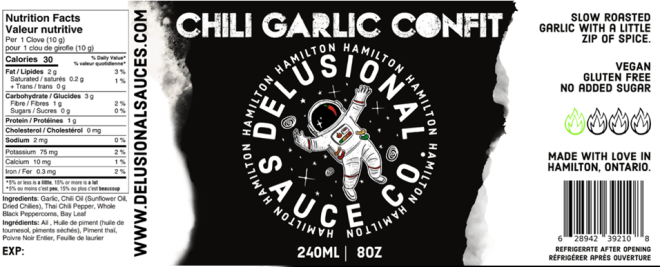
Canada – Delusional Sauce Co. brand Chili Garlic Confit recalled due to potential presence of dangerous bacteria – Clostridium botulinum

CFIA

Delusional Sauce Co. - Chili Garlic Confit - 240 mL - Label

Product
Chili Garlic Confit
Issue
Food – Microbial Contamination – Clostridium botulinum
What to do

Do not consume, use, sell, serve, or distribute recalled products

Distribution
Ontario

Issue

The affected product is being recalled from the marketplace because it may permit the growth of Clostridium botulinum.

What you should do

  • If you think you became sick from consuming a recalled product, contact your healthcare provider
  • Check to see if you have recalled products
  • Do not consume, serve, use, sell, or distribute recalled products
  • Recalled products should be thrown out or returned to the location where they were purchased

Food contaminated with Clostridium botulinum toxin may not look or smell spoiled but can still make you sick. Symptoms in adults can include facial paralysis or loss of facial expression, unreactive or fixed pupils, difficulty swallowing, drooping eyelids, blurred or double vision, difficulty speaking, including slurred speech, and a change in sound of voice, including hoarseness. Symptoms of foodborne botulism in children can include difficulty swallowing, slurred speech, generalized weakness and paralysis. In all cases, botulism does not cause a fever. In severe cases of illness, people may die.

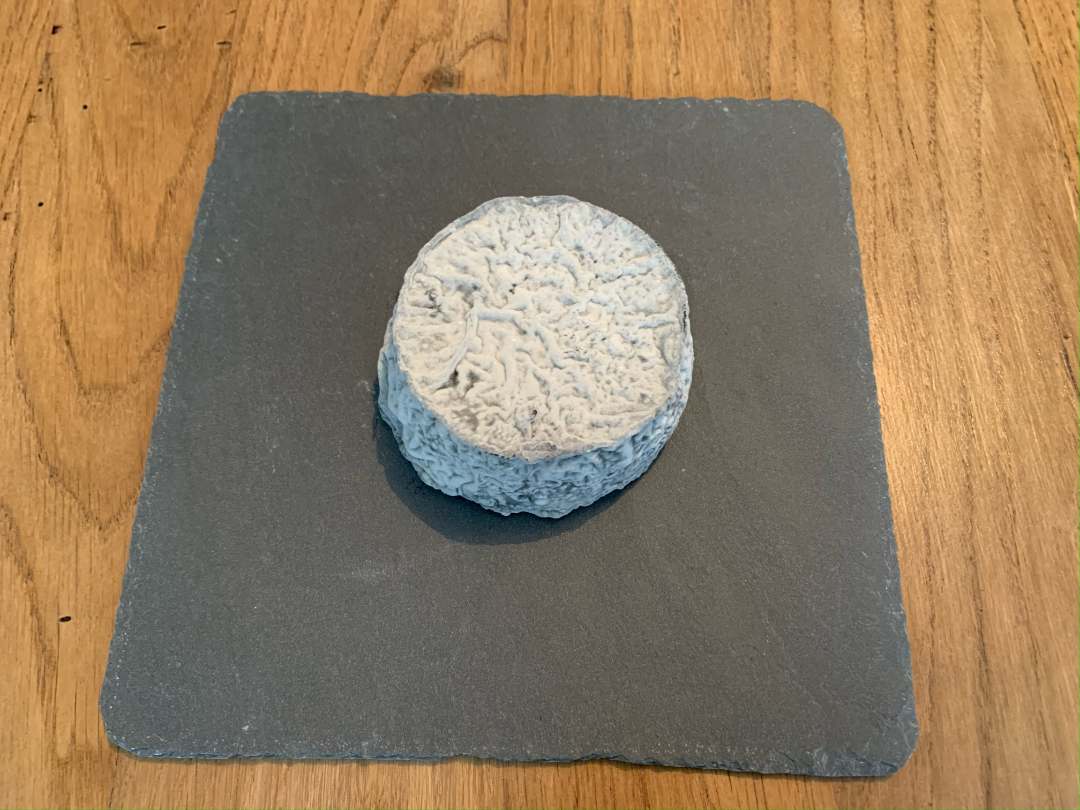
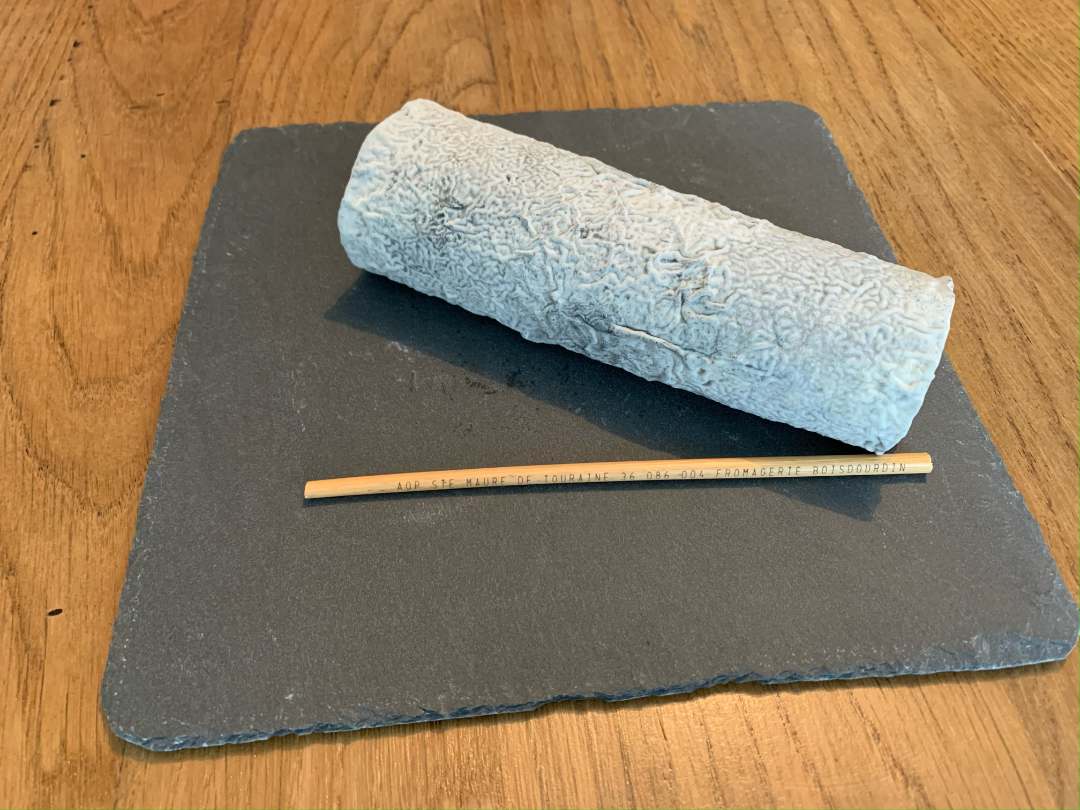
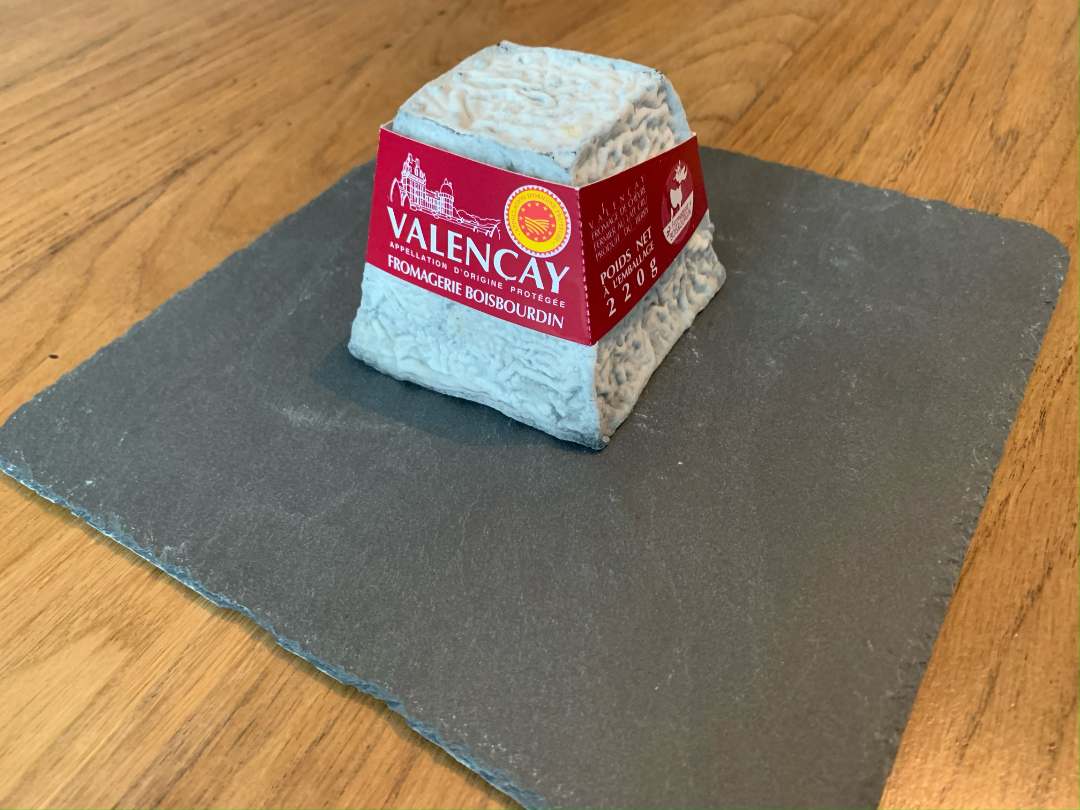
France – Goat cheese – STEC E.coli

Gov france

Identification information of the recalled product

  • Product category Feed
  • Product subcategory Milk and dairy products
  • Product brand name unbranded
  • Model names or references Round Valencay Ste Maure de Touraine
  • Identification of products
    Batch Date
    173 Best before date 08/22/2023
    174 Best before date 08/23/2023
    176 Best before date 08/25/2023
  • Marketing start/end date From 06/24/2023 to 07/03/2023
  • Storage temperature Product to be stored in the refrigerator
  • Geographic area of ​​sale Heugnes
  • Distributors Earl Fromagerie Boisbourdin

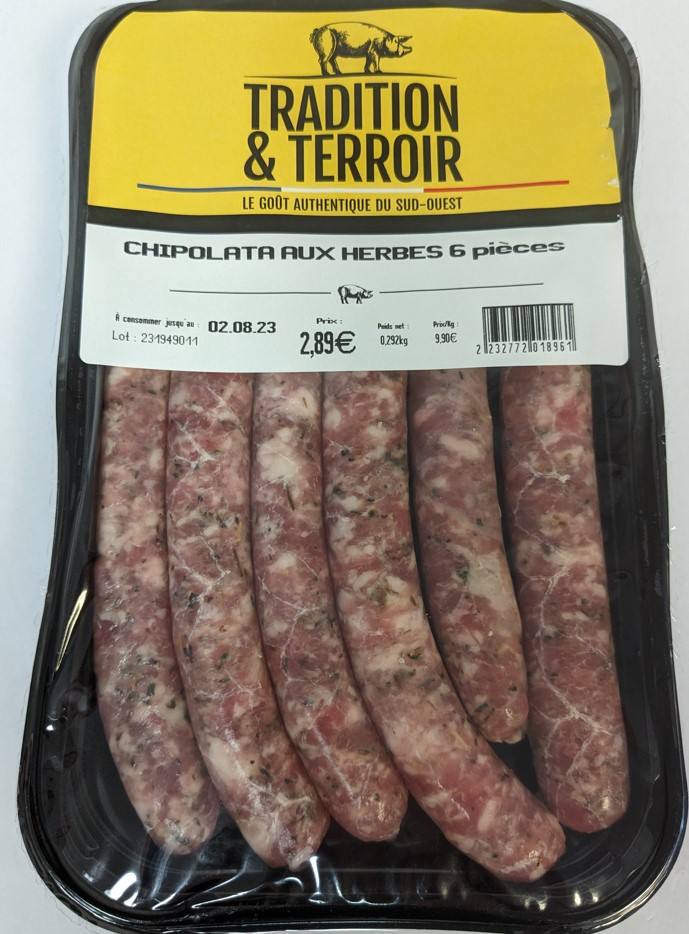
France – HERB CHIPOLATA – Salmonella

Gov france

Identification information of the recalled product

  • Product category Feed
  • Product subcategory Meats
  • Product brand name TRADITION & TERROIR
  • Model names or references CHIPOLATA WITH HERBS 6 pieces ASSORTMENT OF NATURE CHIPOLATA WITH HERBS AND MERGUEZ PORK, BEEF, SHEEP
  • Identification of products
    GTIN Batch Date
    2232772000000 231779006 Use-by date 07/16/2023
    2415618000000 231779004 Use-by date 07/16/2023
  • Packaging6-piece tray (CHIPOLATA WITH HERBS) Tray approximately 1kg (ASSORTMENT OF NATURAL CHIPOLATA WITH HERBS AND MERGUEZ PORK, BEEF, SHEEP)
  • Marketing start/end date From 06/30/2023 to 07/14/2023
  • Storage temperature Product to be stored in the refrigerator
  • Health mark EN 33.550.010 EC
  • Geographic area of ​​sale Whole France
  • Distributors Tazita Monoprix

Catalonia – Information on cases of botulism

ACSA

4 cases of botulism have been confirmed and 2 probable with a common link of consumption in the previous days of packaged potato omelet purchased from different supermarkets. The cases have occurred in several autonomous communities.

The public health services of the communities and autonomous cities are informed to strengthen early detection in the event of the appearance of new cases with suspicion of botulism should they occur.

The Spanish Food Safety Agency (AESAN) has transferred all the available information to the contact points of the autonomous communities so that they can carry out the relevant investigations in relation to the products that could have been consumed in some of the cases.

In at least three of the confirmed cases and one of the probable ones, the company that makes the tortillas is the same. To date, no evidence has been established, neither in the products nor in the processes, that relate cause and effect. However, investigations are continuing with the collaboration of the production company.

Investigations are being carried out in relation to the possibility that there is any product on the market that is not safe or if there are deviations in the processes of production, distribution, storage or transport that justify the existence of this risk.

It is public knowledge that some distribution chain, applying the precautionary principle and in the face of the lack of certainties, has decided to withdraw from sale the products to which the epidemiological surveys have pointed, while waiting for the investigations to progress.

In any case, we want to remind consumers of the importance, especially at this time of year due to the heat, of preserving food products at the storage temperatures indicated on the labeling and following the instructions for use indicated by the manufacturers, already which guarantee the safety of products for which an expiration date is established.

The case of packaged potato tortillas is particularly important, as one can get the false impression that they are like canned foods, which have thermal stability, and keeping them unrefrigerated at the current room temperature can lead to health problems after consumption

When new information becomes available in relation to this matter, this news will be updated.

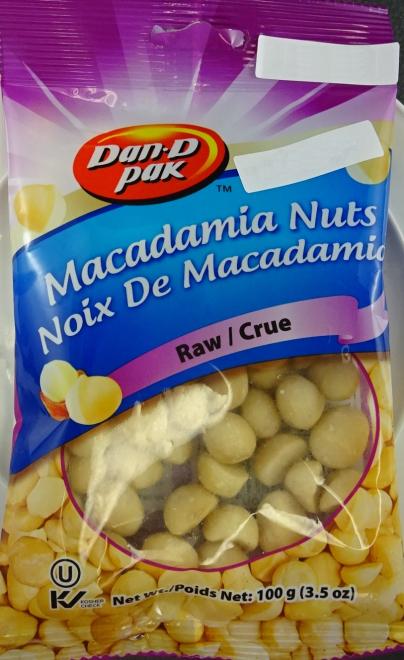
Canada – Dan-D Pak brand Raw Macadamia Nuts recalled due to Salmonella

CFIA

Dan-D Pak - Raw Macadamia Nuts - 100 g - Front

Product
Raw Macadamia Nuts
Issue
Food – Microbial Contamination – Salmonella
What to do

Do not consume, use, sell, serve, or distribute recalled products

Distribution
Alberta
British Columbia

Issue

The affected product is being recalled from the marketplace due to possible Salmonella contamination.

What you should do

  • If you think you became sick from consuming a recalled product, contact your healthcare provider
  • Check to see if you have recalled products
  • Do not consume, serve, use, sell, or distribute recalled products
  • Recalled products should be thrown out or returned to the location where they were purchased

Food contaminated with Salmonella may not look or smell spoiled but can still make you sick. Young children, pregnant women, the elderly and people with weakened immune systems may contract serious and sometimes deadly infections. Healthy people may experience short-term symptoms such as fever, headache, vomiting, nausea, abdominal cramps and diarrhea. Long-term complications may include severe arthritis.

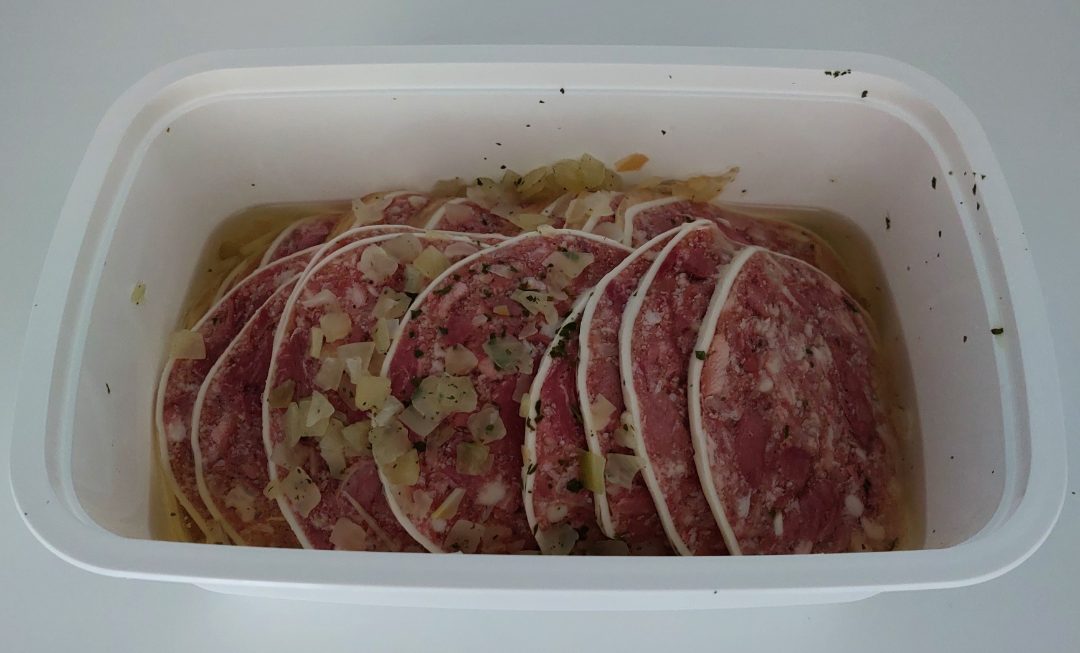
France – Pork muzzle vinaigrette – Listeria monocytogenes

Gov france

Identification information of the recalled product

  • Product category Feed
  • Product subcategory Meats
  • Product brand name UNBRANDED
  • Model names or references Pork muzzle vinaigrette
  • Identification of products
    GTIN Batch Date
    3369280004236 23192 Use-by date 08/01/2023
  • Products List Muzzle_-_Global_Traceability.pdfAttachment
  • Marketing start/end date Since 07/13/2023
  • Storage temperature Product to be stored in the refrigerator
  • Health mark EN 76.681.001 EC
  • Further informationWhite tray 2kg
  • Geographic area of ​​saleWhole France
  • DistributorsButchers, Intermarché, Monoprix, Auchan, Carrefour, Super U, Franprix, Casino
  • List of points of saleMuzzle_-_Global_Traceability.pdf

France – WHITE CHICKEN FARMERS OF OUR REGIONS MAITRE COQ – Listeria monocytogenes

Gov france

Identification information of the recalled product

  • Product category Feed
  • Product subcategory Meats
  • Product brand name MASTER COCK
  • Model names or references WHITE CHICKEN FARMERS OF OUR REGIONS MAITRE COQ
  • Identification of products
    GTIN Batch Date
    3290890568299 426905170235 Use-by date 07/07/2023
    3230890568213 426905170235 Use-by date 07/07/2023
  • Packaging 1 chicken tray
  • Marketing start/end date From 06/21/2023 to 07/07/2023
  • Storage temperature Product to be stored in the refrigerator
  • Health mark EN 85.215.001 EC
  • Geographic area of ​​sale Whole France
  • Distributors Galec

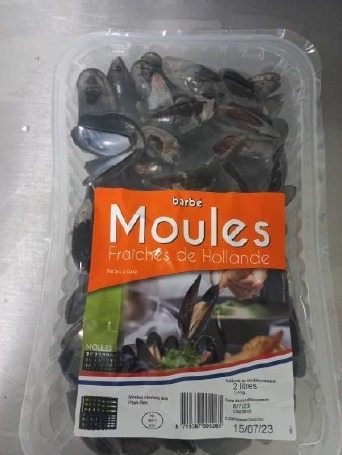
France – Barbé Fresh Mussels from Holland – E.coli

Gov france

Identification information of the recalled product

  • Product category Feed
  • Product subcategory Fishery and aquaculture products
  • Product brand name Beard
  • Model names or references Barbé Fresh Mussels from Holland
  • Identification of products
    GTIN Batch Date
    8710387005261 L883810 Use-by date 07/15/2023
  • Products List Reminder_mussels_Barbé.pdfAttachment
  • Packaging Tray
  • Marketing start/end date From 07/10/2023 to 07/15/2023
  • Storage temperature Product to be stored in the refrigerator
  • Health mark NL 6071 EG
  • Geographic area of ​​sale Whole France
  • Distributors Auchan stores

Research – Bacteriophages for the Targeted Control of Foodborne Pathogens

MDPI

Abstract

Foodborne illness is exacerbated by novel and emerging pathotypes, persistent contamination, antimicrobial resistance, an ever-changing environment, and the complexity of food production systems. Sporadic and outbreak events of common foodborne pathogens like Shiga toxigenic Ecoli (STEC), SalmonellaCampylobacter, and Listeria monocytogenes are increasingly identified. Methods of controlling human infections linked with food products are essential to improve food safety and public health and to avoid economic losses associated with contaminated food product recalls and litigations. Bacteriophages (phages) are an attractive additional weapon in the ongoing search for preventative measures to improve food safety and public health. However, like all other antimicrobial interventions that are being employed in food production systems, phages are not a panacea to all food safety challenges. Therefore, while phage-based biocontrol can be promising in combating foodborne pathogens, their antibacterial spectrum is generally narrower than most antibiotics. The emergence of phage-insensitive single-cell variants and the formulation of effective cocktails are some of the challenges faced by phage-based biocontrol methods. This review examines phage-based applications at critical control points in food production systems with an emphasis on when and where they can be successfully applied at production and processing levels. Shortcomings associated with phage-based control measures are outlined together with strategies that can be applied to improve phage utility for current and future applications in food safety.