Category Archives: Food Microbiology Research

Research – Prevalence of Salmonella in Chinese Food Commodities: A meta-analysis

Journal of Food Protection

kswfoodworld Salmonella

The objective of the present study was to analyze the prevalence of Salmonella in multiple food commodities in China by performing a meta-analysis. Accordingly, we screened studies that examined the prevalence of Salmonella in PubMed, Embase, and Web of Science databases. Methodological quality assessment and heterogeneity analyses were performed for included studies. The prevalence rate with the 95% confidence interval (95% CI) was selected as the effect size. Subgroup analyses for each food type were conducted and then stratified by regions, food-chain processing points, and seasons. In total, 49 studies were included in the meta-analysis, among them, 8 (16.3%) studies were deemed “High risk”, 13 (26.5%) studies were “Unclear risk”, and 28 (57.2%) studies were “Low risk”. The overall prevalence rate of Salmonella was 20.0 (95%CI: 15.9-24.4)%. The prevalence rate of Salmonella in raw meat products was 23.6 (95%CI: 19.8-27.6)%, which was higher than that in aquatic products (13.7 [95%CI: 3.1-29.9]%), milk products (0.9 [95%CI: 0.0-3.9]%), frozen convenience foods (6.5 [95%CI: 4.4-8.9]%), ready-to-eat foods (2.0 [95%CI: 1.1-3.2]%), vegetables and fruits (0.9 [95%CI: 0.0-5.2]%), and shell eggs (4.2 [95%CI: 3.0-5.7]%). Subgroup analyses revealed that prevalence rates of Salmonella in raw meat products from abattoirs (26.3 [95%CI: 17.4-36.3]%) and retail stores (30.0 [95%CI: 24.6-35.8]%) were higher than those determined from farms (10.2 [95%CI: 7.0-13.9)%; P < 0.05); however, no significant difference was observed in the prevalence of Salmonella stratified by different geographical regions or seasons (P > 0.05). Based on these findings, high levels of Salmonella contamination could be detected in raw meat products in China, and the prevalence rate of Salmonella in raw meat products from abattoirs and retail stores was high.

Research – High-Pressure-Induced Sublethal Injuries of Food Pathogens—Microscopic Assessment

MDPI

High Hydrostatic Pressure (HHP) technology is considered an alternative method of food preservation. Nevertheless, the current dogma is that HHP might be insufficient to preserve food lastingly against some pathogens. Incompletely damaged cells can resuscitate under favorable conditions, and they may proliferate in food during storage. This study was undertaken to characterize the extent of sublethal injuries induced by HHP (300–500 MPa) on Escherichia coli and Listeria innocua strains. The morphological changes were evaluated using microscopy methods such as Scanning Electron Microscopy (SEM), Transmission Electron Microscopy (TEM), and Epifluorescence Microscopy (EFM). The overall assessment of the physiological state of tested bacteria through TEM and SEM showed that the action of pressure on the structure of the bacterial membrane was almost minor or unnoticeable, beyond the L. innocua wild-type strain. However, alterations were observed in subcellular structures such as the cytoplasm and nucleoid for both L. innocua and E. coli strains. More significant changes after the HHP of internal structures were reported in the case of wild-type strains isolated from raw juice. Extreme condensation of the cytoplasm was observed, while the outline of cells was intact. The percentage ratio between alive and injured cells in the population was assessed by fluorescent microscopy. The results of HHP-treated samples showed a heterogeneous population, and red cell aggregates were observed. The percentage ratio of live and dead cells (L/D) in the L. innocua collection strain population was higher than in the case of the wild-type strain (69%/31% and 55%/45%, respectively). In turn, E. coli populations were characterized with a similar L/D ratio. Half of the cells in the populations were distinguished as visibly fluorescing red. The results obtained in this study confirmed sublethal HHP reaction on pathogens cells. View Full-Text

Research – Quality and safety of fresh beef in retail: a review

Journal of Food Protection

This study aimed to review the scientific literature on the quality and safety of beef sold in retail, methodologies used for quality evaluation, and proposed interventions for the sector. Bibliographical research was performed in order to identify scientific articles using the electronic databases Ovid, PubMed, Scielo, LILACS, Scopus and Embase. Thirty-three articles were included in the review. Given the different dimensions of the studies, the results were organized into three categories, according to the following approaches: food, environment and handlers; consumers and selection criteria; and intervention strategies for the segment. The applied methodological strategies revealed inadequate conditions and neglect in several processing and operation stages that are fundamental to the maintenance of quality standards. The results confirm a worrying scenario and the presence of risks to consumers. Based on the studies evaluated, it is necessary to emphasize the consumer concern about the importance of the integrated information chain – all stages involved in the production process and meat distribution for retail meat stores. The reported conditions on different studies indicate the need for interventions, with a view to prevention of health risks, continued training of food handlers and transformation of evidenced realities. In this context, it is possible to point out the predominance of diagnostic studies, in contrast with interventional studies focused on the training / qualification of food handlers.

Information – Raw Milk

ACSA

Raw milk

milk

____________________________________________________________________________________________

  • Always boil raw milk
  • Store at 4ºC
  • Consume it within 3 days of purchasing it

TREAT RAW MILK SAFELY

The raw milk has unique virtues such as its taste, texture and smell. At the same time, it is a very direct link with good farmers, because it can only be sold by farms that meet a series of animal health and hygiene requirements in their milking facilities .

However, raw milk, due to its special composition, can contain bacteria that are harmful to health, mainly Salmonella , Campylobacter , Listeria  and Escherichia coli.

In Spain, the direct sale of raw milk to the consumer is allowed as long as the requirements established in the hygiene package regulations and the additional requirements established in Royal Decree 1086/2020 , of December 9, by which regulate and make flexible certain conditions of application of the provisions of the European Union regarding hygiene in the production and marketing of food products and activities excluded from their scope of application are regulated.

Milk-producing farms may only supply raw milk from their own farm directly to the final consumer or to retail establishments that supply directly to the final consumer if they meet the following requirements:

  • The establishment is authorized and registered in the General Registry of Food and Food Companies
  • The milk has to be sold
  • The package label indicates the expiration date not exceeding three days after milking and the following indications:
    • Raw milk without heat treatment: Consume only after boiling for at least one minute.
    • Store refrigerated between 1 and 4 ºC.
  • Retail establishments may only use raw milk as a raw material or ingredient for food processing if it is boiled or subjected to an equivalent culinary treatment.
  • However, catering establishments that serve food to vulnerable communities , such as hospitals, nursery schools, colleges or homes for the elderly, cannot use raw milk.

To drink milk safely , follow the instructions below:

2_Recipient llet Transport raw milk quickly to your home and boil it immediately , in order to destroy any bacteria it contains. Use a container with a wide base and stir while it boils. Once the boiling foam has risen, turn off the heat. Immediately, you have to cool it down and put it in the refrigerator, in the coldest place, at a temperature below 4ºC, and it is necessary to keep it covered to prevent it from becoming contaminated and acquiring odors from other foods.
3_Temperature llet If you cannot boil the milk right away, put it in the fridge at a temperature below 4ºC. But boil it as soon as possible .
4_Frozen llet You can also freeze raw milk , just like you do with other foods. Freezing, however, does not kill bacteria, so to ensure safety, remember that it is best to always boil milk before freezing . To maintain its structure and prevent it from precipitating, it must be stirred well before freezing and, even, it must be stirred several times while it freezes.
5_ Thawed llet You must defrost the milk in the refrigerator. It may happen that it has a slightly grainy texture, which is normal. Remember to keep frozen milk well covered to prevent it from absorbing strange odors.
6_Consum llet It is recommended that raw milk be consumed within 3 days of  purchase, that is, without exceeding 72 hours.

Pregnant women, children, the elderly and people with depressed immunity are more susceptible to foodborne infections, for this reason, they must take special care to strictly comply with these measures. 

Click to access Trate-la-leche-cruda-con-seguridad.pdf

Research – Antimicrobial activity and mechanism of oregano essential oil against Shewanella putrefaciens

Wiley Online

The aim of the present study was to investigate the antimicrobial mechanism of oregano essential oil (OEO) against Shewanella putrefaciens. Antimicrobial activity of OEO against Shewanella putrefaciens was investigated by the agar disc diffusion method. The change of growth curve, electric conductivity, the integrity of cell membrane, alkaline phosphatase (AKP), and lactate dehydrogenase (LDH) activity were measured to evaluate its antibacterial mechanism. The morphology of bacterial cells was observed by scanning electron microscopy (SEM). The interaction between OEO and Shewanella putrefaciens genomic DNA was measured by ultraviolet–visible (UV–Vis) spectroscopy, and DNA ethidium bromide adduct was analyzed by fluorescence. The results showed that the minimum inhibitory concentration of OEO against Shewanella putrefaciens was 0.09% (v/v), and OEO could inhibit the growth of Shewanella putrefacien with a dose-dependent manner. The cell membrane and cell wall of Shewanella putrefaciens were destroyed by OEO, which led to the leakage of nucleic acid, protein, and the release of AKP and LDH. The results of SEM confirmed the damaging effect of OEO on the bacterial morphology. The results of UV–Vis and fluorescence titration indicated that binding of the complexes to DNA was an intercalative mode.

Research – New details behind how the Shigella pathogen delivers bacterial proteins into our cells

Science Daily

Shigella - kswfoodworld

Image CDC

Shigella, a bacterial pathogen that causes dysentery and is the leading cause of childhood diarrheal diseases, inserts a pore called a translocon into an infected person’s intestinal cells and then injects bacterial proteins into the cells. There, the proteins hijack the cells’ machinery to help Shigella multiply. In a study published in mBio, a team at Massachusetts General Hospital (MGH) has uncovered important details about Shigella‘s translocon, which may help researchers develop an effective strategy to block this critical component of infection.

Shigella infects our gut by manipulating our intestinal cells and tricking them into letting the Shigella inside. In fact, there are many bacterial pathogens that use this same, or similar, mechanism to infect us,” says lead author Poyin Chen, PhD, a postdoctoral fellow at MGH. “This translocon pore is essentially the gateway through which bacterial proteins get pumped into our cells. We know that this structure is made of two proteins — IpaB and IpaC — but what we don’t know is how these proteins fit together to make this pore.”

When the investigators used protein mapping techniques to look closely at translocons when they were embedded in cell membranes, they were able to see which of the two proteins — specifically IpaB — makes up the inner ring of the pore. “If you think of the translocon pore as a donut, this would be the walls of the donut hole. This finding is important because this is the part of the translocon pore that directly interacts with bacterial proteins as they are injected into our cells,” explains Chen. “With the findings from this study, we can begin to understand if this pore acts as a slippery tube that bacterial proteins travel through or if the translocon pore can control the flow of bacterial proteins into our cells.”

Such details may help investigators target the translocon and block the entry of Shigella proteins into cells. “For something that is so essential to establishing infection, we know terribly little of how it’s made and how it works,” says Chen. “As we gain a better understanding of its parts, we will be able to approach the structure as a whole and maybe even find ways to neutralize the function of this structure to prevent infection before it can begin.”

Co-authors include Brian C. Russo, Jeffrey K. Duncan-Lowey, Natasha Bitar, Keith Egger and Marcia B. Goldberg.

This work has been supported by the National Institutes of Health, the Massachusetts General Hospital Executive Committee on Research Tosteson Award, and the Charles A. King Trust Postdoctoral Research Fellowship Program.

Research – Editorial: Vibrio Species in the Food Processing Chain

Frontiers in Microbiology
Food Illness

Editorial on the Research Topic
Vibrio Species in the Food Processing Chain

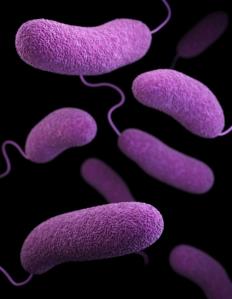
Rising concern about the foodborne illnesses caused by pathogenic Vibrio species (mainly V. parahaemolyticus, V. cholera, and V. vulnificus) has led to a strengthening of research on the characterization of the presence of the genus in food matrices, virulence genes, pandemic markers, and the correlation between clinical and environmental isolates from different ecosystems. The emergence of antimicrobial resistance strains (AMR) in Vibrio spp. may produce a decrease in the effectiveness of commonly used antibiotics, thus posing a threat to public health. Progress in genomic studies has identified motile elements implied in gene transfer that may give birth to developing surveillance strategies for risk mitigation. The development of new infection models that can predict the pathogenesis of Vibrio spp. and the use of high-throughput sequencing techniques for serogroup genes may be useful tools for understanding molecular pathways and the infectivity of Vibrio spp. food isolates. In this Research Topic, different approaches, aiming at characterizing Vibrio spp. from aquaculture, marine, and vegetable ecosystems, together with the evaluation of microbial behavior and the development of new infection and serogroup models, are shown.

A mini-review by Dutta et al. discusses the role and antimicrobial resistance of pathogenic Vibrio spp. They present potential sources of antibiotic resistance genes for Vibrio spp., including the horizontal gene transmission from other pathogens as the main route. This has shown the genetic basis of the emergence of multidrug and extensively multidrug resistant Vibrio spp. through different types of highly mobile elements that can be extensively propagated among bacteria. The use of phage or probiotic therapies as alternative treatments for the inactivation of antibiotic resistant species of Vibrio may be helped by the maintenance of good hygiene practices and processing technologies to protect public health.

Antibiotic resistance genes can also originate from the environment, such as wastewater effluents or sediments in marine or aquaculture habitats. In this regard, Siddique et al. studied the characterization of pathogenic V. parahaemolyticus in a fish farm ecosystem (tilapia, rui, and shrimp). Among the 216 samples, 60.2% were positive for the pathogen, including 323 isolates of which 17 harboured the trh virulence gene gene. They confirm the presence of resistant strains to amoxicillin, ampicillin, and penicillin. Pathogenicity was further confirmed by the fluid accumulation in the ileal loop of rabbits being O8: KUT, the most predominant pathogenic serotype.

The presence and characterization of V. parahaemolyticus and V. vulnificus in marine and estuarine environments was studied by da Silva et al. They found 150 isolates of V. parahaemolyticus, including 52 positives for trh gene, and 129 of V. vulnificus from water and blue crab samples. PFGE and agglutination tests were used for molecular subtyping and determination of antibiotic resistance. The study showed the high presence of the O5 pathogenic serotype, together with the multidrug resistant isolates (41%) and the high genetic diversity of both Vibrio species, as no correlations were found among the sampling sites, antimicrobial resistance profiles, and pathogenicity.

The associated presence of Vibrio spp. in water ecosystems may underestimate their origin from other environmental and food sources. Ready-To-Eat vegetables can harbor pathogenic Vibrio spp. if poor manufacturing, hygiene, and storage practices are followed. Igbinosa et al. evaluated the presence of V. parahaemolyticus in minimally processed vegetables. Among the 63 isolates, they found microbial counts from 1.5 to 1,000 MPN/g and drug resistant isolates to ampicillin and cefotaxime mainly (>60%). They studied the biofilm formation finding that 23.8% of the isolates were strong biofilm producers. Regarding the presence of virulence genes, 100, 14.3, and 31.8% of the isolates harbored the toxR gene, trh, and tdh determinants, respectively.

The microbial behavior of Vibrio spp. can be quantified with predictive models. Posada-Izquierdo et al. investigated the fate of a Vibrio spp. cocktail inoculated in lye-treated table olives for 22 days. A predictive growth model was developed as a function of salt concentration (2–12%) and pH (4–9) using a synthetic medium and table olive brines. They found a higher effect of salt concentration than of pH for the growth inhibition of Vibrio spp. However, they were not able to proliferate in the table olives during fermentation, highlighting that phenolics compounds could exert a clear antimicrobial effect.

The disposal of reliable models to predict the pathogenesis of Vibrio spp. are increasingly needed since the use of virulence markers could not fully elucidate the presence of long-standing virulence indicators. This was demonstrated by Santos et al. using clinical and environmental V. parahaemolyticus isolates in two systemic infection models, namely mice and Galleria mellonella larvae. Interestingly, non-pathogenic environmental isolates produced lethal infections regardless of their source, serotype, and genotype (tdh, orf8, toxRSnew, and vpadF). A high correlation was found in the assayed models, supporting that G. mellonella larvae can be used as an alternative model to study the pathogenesis of V. parahaemolyticus.

Recently, the use of high-throughput sequencing technologies has aided researchers in deciphering the genome of different species. This was essential to provide complete knowledge of the molecular and metabolic pathways of microorganisms and the identification of virulence gene clusters. Bian et al. have developed VPsero, a rapid serotyping tool for V. parahaemolyticus using serogroup specific genes obtained from whole-genome sequencing data. The algorithm, based on the comparison of lipopolysaccharide and capsular polysaccharide gene clusters covered 43 K and 12 O serogroups. The authors showed the high sensitivity and specificity of the tool (>0.91), though limitations could be faced in future studies, such as the addition of new serogroups, the verification of the quality of assembled genomes and the availability of short reads.

This Research Topic presents a collection of manuscripts highlighting relevant findings in the pathogenesis of Vibrio spp. in the food chain and suggests future directions for research, enabling progress in the development of novel analytical methods and surveillance actions to mitigate the emerging risk posed by these human pathogens.

Research – Inactivation of Salmonella spp., Escherichia coli O157:H7 and Listeria monocytogenes in Tahini by Microwave Heating

MDPI

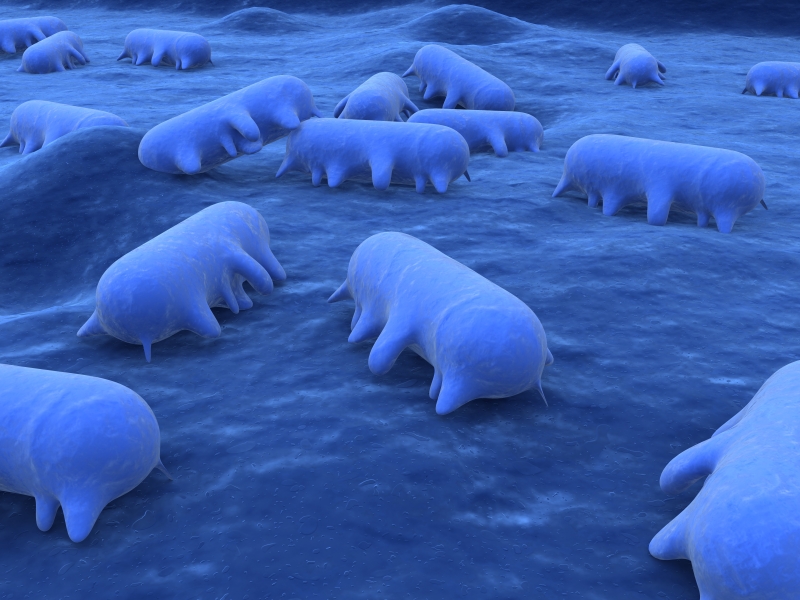
Tahini (sesame paste) is a traditional food. Numerous foodborne outbreaks have been associated with it. This study aimed to (i) explore the efficiency of 2450 MHz microwave heating at 220, 330, 440, 550, and 660 W on the inactivation of Salmonella spp, Escherichia coli O157:H7, and Listeria monocytogenes in tahini; (ii) determine the impact of desiccation and starvation stresses on pathogen survival; (iii) assess the impact of microwave heating on the physicochemical characteristics of tahini. The inoculated microorganisms in tahini were reduced with higher microwave power levels (p < 0.05) and longer exposure times. The D-values of unstressed Salmonella spp., Escherichia coli O157:H7, and L. monocytogenes ranged from 6.18 to 0.50 min, 6.08 to 0.50 min, and 4.69 to 0.48 min, respectively, at power levels of 220 to 660 W, with z-values of 410, 440, and 460 W, respectively. Generally, desiccation and starvation stress levels prior to heating increased microbial resistance to heat treatment. Microwave heating did not affect acid, peroxide, p-anisidine, or color values of tahini up to 90 °C. These findings reveal microwave heating as a potential method for lowering the risk of Salmonella spp., E. coli O157:H7 and L. monocytogenes in tahini with no compromise on quality. View Full-Text

UK – Chef sentenced after one killed and 31 left ill by undercooked shepherd’s pie

The Guardian

A church harvest supper at a village pub ended in tragedy when one of the congregation was killed and 31 others suffered food poisoning after eating a shepherd’s pie filled with mince that had been incorrectly prepared by a rushing chef.

Elizabeth Neuman, 92, repeatedly vomited after eating the pie and died while other parishioners became “unpleasantly ill” and three of those attending only escaped because they were vegetarians, Reading crown court heard.

The cook, John Croucher, who at the time was head chef at the Crewe Arms in the Northamptonshire village of Hinton-in-the-Hedges, was given a four-month jail sentence, suspended for 12 months, after admitting a charge of contravening food regulations.

Research – Uses of Bacteriophages as Bacterial Control Tools and Environmental Safety Indicators

Frontiers in Microbiology

Bacteriophages are bacterial-specific viruses and the most abundant biological form on Earth. Each bacterial species possesses one or multiple bacteriophages and the specificity of infection makes them a promising alternative for bacterial control and environmental safety, as a biotechnological tool against pathogenic bacteria, including those resistant to antibiotics. This application can be either directly into foods and food-related environments as biocontrol agents of biofilm formation. In addition, bacteriophages are used for microbial source-tracking and as fecal indicators. The present review will focus on the uses of bacteriophages like bacterial control tools, environmental safety indicators as well as on their contribution to bacterial control in human, animal, and environmental health.

Introduction

Bacteriophages, also known as phages, are prokaryotes viruses, being the most abundant life form, present in all environments and the predominant entities in the sea (Boehme, 1993Suttle, 2005). Several studies have demonstrated a 1:5 relative abundance between bacteria and bacteriophage (Fuhrman, 1999Balter, 2000Rohwer, 2003). They were discovered independently by Twort (1915), who isolated them from Staphylococcus spp., and from patients with dysentery. D’Herelle (1926) described bacteriophage as a virus that has the capability to parasitize bacteria (Twort, 1915Delbruck, 1942). Bacteriophages vary greatly in morphology and replicative characteristics, containing either RNA or DNA, being these parameters currently used by the International Committee on Taxonomy of Viruses (ICTV) for bacteriophage classification (King et al., 2012Table 1). However, the identification of bacteriophages is difficult since there are no universally conserved markers, unlike e.g., the bacterial 16S rRNA gene (Paul et al., 2002), with only minor parts of bacteriophage genomes being used to determine family specific makers, such as the viral capsid g20 of T4 (Fuller et al., 1998Marston and Sallee, 2003Sullivan et al., 2008).