Category Archives: Food Microbiology Research

Research – France – Acute gastroenteritis: results of winter surveillance 2019-2020

Sante Publique

Food Borne Illness - Norovirus -CDC Photo

Public Health France publishes the 2019-2020 annual winter surveillance report for acute gastroenteritis in mainland France, marked by two major events and in particular a historic drop in AGEs never observed over the past 10 years. 

Acute winter gastroenteritis (AGE) is mainly of viral origin, with a dominant circulation of noroviruses and rotaviruses. Noroviruses are responsible for AGE in people of all ages, while rotaviruses mainly affect children under 5 years of age. A winter resurgence of cases is observed each year, in France, as in Europe, generating an increase in medical consultations for AGE usually between December and April. A peak is often observed during the first two weeks of January. 

Fluctuating activity for GEA over the 2019-2020 winter season

A significant peak observed in connection with an episode of collective food poisoning in several metropolitan areas

As in the two previous seasons, an increase in the number of AGE cases was observed at the start of the winter season, followed by a sharp increase in visits to hospital emergencies and general medicine at the end of December 2019 – beginning of January 2020, higher than the peaks of the 7 previous seasons in week 01-2020, and reaching 3.1% of total activity in hospital emergencies.

This upsurge in the number of AGE cases coincided with a significant and unusual occurrence of collective food poisoning that impacted several metropolitan areas in connection with the consumption of contaminated oysters that occurred in 2019* during the end-of-year celebrations. 

A sharp decrease in activity to historically low levels, most likely related to the measures put in place during the Covid-19 pandemic

Following the first confinement (March-April 2020) introduced as part of the Covid-19 pandemic , very low levels of activity for GEA were recorded from March and April 2020 in hospital emergencies and in general medicine (Sentinels Network and SOS Médecins).

Indeed, the proportion of emergency visits for gastroenteritis fell sharply at the start of 2020 to reach historically low levels and then stabilized at 0.5% of activity from April 2020 . According to data from the Sentinel Network, the 2019-2020 winter season was characterized by the lowest cumulative incidence rate of cases of acute diarrhea seen in general medicine consultations over the last 10 seasons .

This historic decrease in epidemic activity for acute gastroenteritis in France is most likely related to the measures introduced in the context of the COVID-19 pandemic (confinement, physical distancing, reinforcement of hand hygiene). Such levels have not been observed over 10 years of retrospective data for all monitoring indicators.

Key points 2019 – 2020 regarding acute gastroenteritis 

The analysis period corresponds to the winter monitoring period, from November 18, 2019 to April 13, 2020. 

  • 96,713 hospital emergency visits , i.e. 1.6% of emergency visits. 44.4% of visits for acute gastroenteritis concerned children aged under 5 years.
  • 144,499 SOS Médecins consultations for acute gastroenteritis, i.e. 8.7% of total consultations.
  • Cumulative incidence rate at the Sentinel Network: 
    • 2,963 cases per 100,000 inhabitants of all ages
    • 6,605 cases per 100,000 inhabitants, in children under 5 , the most affected population during this period.
  • Predominance of norovirus genotype GII.4 2012[P16], followed by genotype GII.17[P17].
  • Significant peak of activity observed at the end of December 2019-beginning of January 2020 , concomitant with a significant upsurge in collective food poisoning linked to the consumption of oysters
  • Following the first containment introduced as part of the Covid-19 pandemic, very low levels of activity were recorded from week 13-2020 

France – Child in France dies of E.coli infection as outbreak monitored

Connexion France

Health authorities have not released more information about the child that has died, but 13 other cases in children have prompted a nationwide investigation into the possible source.

Health authorities in France are monitoring an outbreak of E.coli following the death of a child and the detection of 13 cases across the country.

Santé publique France (SPF) issued the alert after the contaminations were first noticed at the beginning of February. The authority has confirmed that one child has died, but has not released information of the date of the death, location, or the age of the child.

Among children aged 1-15, there have been:

  • 5 cases reported in Nouvelle-Aquitaine
  • 3 cases in Hauts-de-France
  • 3 cases in Ile-de-France
  • 1 case in Brittany
  • 1 case in Pays de la Loire.

All of the children were affected by haemolytic uraemic syndrome (HUS), a potentially serious disease in young children, most often caused by food.

It is usually characterised by severe diarrhoea, which can lead to acute renal failure, and usually caused by bacteria belonging to the Escherichia coli (E.coli) family.

The SPF inquiry is looking into every report of similar cases as they are reported to paediatric units, and is aiming to “identify a common source of contamination and put appropriate measures in place”.

It has “not excluded any possibility at this stage”, it said.

USA – Updated Campylobacter Method

USDA

USDA Food Safety and Inspection Service Microbiology Laboratory Guidebook Update

Microbiology Laboratory Guidebook for USDA Food Safety and Inspection Service. This method has recently been updated:

Research – Pathogenesis of the Pseudomonas aeruginosa Biofilm: A Review

MDPI

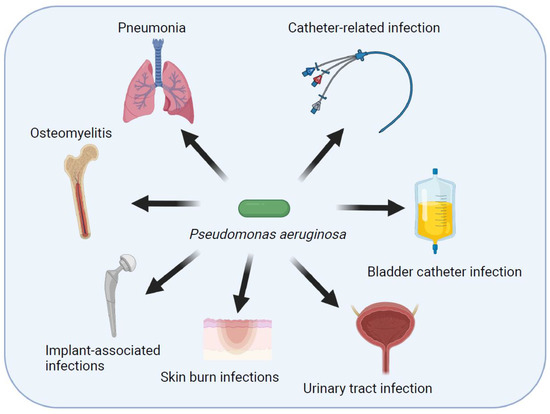
Pseudomonas aeruginosa is associated with several human infections, mainly related to healthcare services. In the hospital, it is associated with resistance to several antibiotics, which poses a great challenge to therapy. However, one of the biggest challenges in treating P. aeruginosa infections is that related to biofilms. The complex structure of the P. aeruginosa biofilm contributes an additional factor to the pathogenicity of this microorganism, leading to therapeutic failure, in addition to escape from the immune system, and generating chronic infections that are difficult to eradicate. In this review, we address several molecular aspects of the pathogenicity of P. aeruginosa biofilms. View Full-Text

Research – Legionellosis: A novel mechanism by which the bacterium Legionella pneumophila regulates the immune response of its host cells

Science Daily

Legionellosis or Legionnaires’ disease affected more than 1 800 people in France in 2019 and caused 160 deaths. This emerging disease is caused by Legionella pneumophila, an environmental bacterium that thrives in hot water systems. Researchers have discovered a mechanism that allows Legionella pneumophila to target the immune response of the cells it infects by secreting a small regulatory RNA. This mechanism, not described before, facilitates the survival and proliferation of Legionella pneumophila during infection. The work provides precious information on the strategies used by bacteria to manipulate their host cells.

Research – Shiga Toxin-Producing Escherichia coli and Milk Fat Globules

MDPI

Shiga toxin-producing Escherichia coli (STEC) are zoonotic Gram-negative bacteria. While raw milk cheese consumption is healthful, contamination with pathogens such as STEC can occur due to poor hygiene practices at the farm level. STEC infections cause mild to serious symptoms in humans. The raw milk cheese-making process concentrates certain milk macromolecules such as proteins and milk fat globules (MFGs), allowing the intrinsic beneficial and pathogenic microflora to continue to thrive. MFGs are surrounded by a biological membrane, the milk fat globule membrane (MFGM), which has a globally positive health effect, including inhibition of pathogen adhesion. In this review, we provide an update on the adhesion between STEC and raw MFGs and highlight the consequences of this interaction in terms of food safety, pathogen detection, and therapeutic development. View Full-Text

Research – Report finds food testing policies different between countries

Food Safety News

There are various approaches to food sampling in four nations, including the United States, as shown in a report published by the Food Standards Agency (FSA).

Campden BRI reviewed food control systems in Australia, Canada, New Zealand, and the United States.

The study looked at how authorities perform sampling and analysis of food and feed, systems for gathering intelligence, and other information which informs the sampling and testing program.

Findings suggest there is no one-size-fits-all approach as differences in planning and conducting various sampling activities were observed between the four countries.

Differing approaches
The FSA documents list three types of sampling: for official controls; hypotheses or surveillance sampling; and intelligence sampling. But the terminology used in other countries often varied.

Authorities in Canada, New Zealand, and the United States play both regulation setting and enforcement roles. However, Food Standards Australia New Zealand (FSANZ) sets standards and coordinates responses to food safety incidents but does not have enforcement powers.

Sharing the responsibilities between multiple agencies, which happens in the United States and Australia, may lead to differences in the extent of regulatory oversight in different parts of the country or between foods, sometimes even with similar risks, found the study.

Oversight of the entire food chain in Canada and New Zealand is mainly done by a single regulatory agency, which can facilitate the planning of sampling.

Because of resource constraints and the extensive range of products it oversees, the U.S. Food and Drug Administration tends to apply a risk-based prioritization approach when planning sampling and other activities. The FDA has three types of sampling: product sampling, environmental sampling, and emergency response/emerging issues sampling.

Because products under the U.S. Department of Agriculture’s Food Safety Inspection Service (FSIS) jurisdiction are relatively riskier, FSIS-regulated establishments are subject to a more comprehensive oversight, according to the study.

Research – Multidrug resistance of Escherichia coli in fish supply chain: A preliminary investigation

Wiley Online

Abstract

Ninety-five Escherichia coli isolates recovered from different supply points of freshwater fish namely fish pond (W1, n = 16), wholesale fish market (W2, n = 14), retail fish market (R1, n = 29), street fish vending unit (R2, n = 30), and modern fish vending unit (R3, n = 6) were investigated for antimicrobial-resistant profile and prevalence of antibiotic-resistant genes. Overall, multidrug-resistant (MDR) E. coli in the fish supply chain was 21% with higher MDR incidence in the downstream fish supply points. MDR was relatively higher in the tertiary fish supply points viz., retail fish market (45%), street fish vending unit (30%), and modern fish vending unit (15%) compared to the secondary fish supply point, that is, wholesale fish market (5%) and primary fish supply point, that is, fish pond (5%). All the ampicillin-resistant isolates carried ampC gene, whereas only 21% of the β-lactam resistant isolates carried blaCTX-M-gp1. The tetracycline resistance determinant, tetA (89%) was predominant in the tetracycline-resistant isolates compared to tetB and tetD (11%). The trimethoprim resistance gene, dfrA and sulfonamide-resistance gene, Sul1 were detected in 9% of the trimethoprim-resistant isolates and 9% of the sulfonamide-resistant isolates, respectively. Enterobacterial repetitive intergeneric consensus-PCR has delineated the MDR isolates from the different fish supply points into three major clusters but all the MDR isolates from the street fish vending point are grouped into a single cluster. The results indicate an increase in the proportion of MDR E. coli and the occurrence of diverse MDR profiles in the downstream points of the fish supply chain that needs to be addressed to avoid fish-food-borne antimicrobial resistance.

Research – Enhanced antimicrobial activity against Alicyclobacillus acidoterrestris in apple juice by genome shuffling of Lactobacillus acidophilus NX2-6

Wiley Online

Food safety and quality are seriously compromised by the growth of spoilage bacteria in food. Various lactic acid bacteria (LAB) may inhibit the growth of spoilage bacteria in food and animal feed. In our study, the antibacterial activity of Lactobacillus acidophilus NX2-6 was improved by genome shuffling. The starting populations were obtained via 60Coγ-ray, diethyl sulfate mutagenesis, and UV mutagenesis of protoplasts. The optimal conditions for protoplast formation and regeneration were found to be 30 mg/ml of lysozyme at 37°C for 40 min. The protoplasts were inactivated by UV irradiation for 110 s or by heating at 58°C for 30 min. After two rounds of genome shuffling, the inhibitory activity of strain F50 was improved by 5.6-fold compared to the original strain. The shuffled strain has broad-spectrum antibacterial activity and is a promising candidate for bio-preservative. The antibacterial substances produced by L. acidophilus NX2-6 can be applied to the preservation of apple juice. The results showed that the growth of Alicyclobacillus acidoterrestris in apple juice was significantly inhibited by the addition of 0.1% culture supernatant with acidocin NX2-6 at 28°C and 0.2% culture supernatant with acidocin NX2-6 at 45°C for 30 days. The sugar−acid ratio, pH value, clarity, and fruit flavor of apple juice were well maintained during storage. This study showed that genome shuffling was an effective strategy to improve the bacterial inhibitory activity of LAB and that the shuffled LAB and their metabolites are expected to be used as bio-based food protectors for food safety.

Research – Emergence of non-choleragenic Vibrio infections in Australia

1 Health

Vibrio_vulnificus_01a

Vibrio infection was rarely reported in Tasmania prior to 2016, when a multistate outbreak of Vibrio parahaemolyticus associated with Tasmanian oysters was identified and 11 people reported ill. Since then, sporadic foodborne cases have been identified following consumption of commercially- and recreationally-harvested oysters. The increases in both foodborne and non-foodborne Vibrio infec-tions in Tasmania are likely associated with increased sea water temperatures. As oyster production increases and climate change raises the sea surface temperature of our coastline, Tasmania expects to see more vibriosis cases. Vibriosis due to oyster consumption has been reported in other Australian states, but the variability in notification requirements between jurisdictions makes case and outbreak detection difficult and potentially hampers any public health response to prevent further illness.