Category Archives: Food Microbiology Research

Research – Microbial Diversity and Safety in Fermented Beverages

MDPI

For thousands of years, humans have exploited the natural process of fermentation of various foods to preserve them, and to enjoy the changes in the sensory characteristics that could be produced. Recently, the world of fermented beverages has gone through a rapid transformation linked to deep changes in consumer preferences, consumption habits, climate, new regulations and entry of emerging countries, accompanied by safety concerns and an important reduction in economic resources available to people. As with all food handling and preparation, we need to be sure the fermented food produced is safe. Fermentation is a complex biological process where microbial diversity takes place and the environment created inside of the fermented food provides the conditions to reduce the risk of pathogenic bacteria growth, thus providing safe food. In addition, food manufacturers fermenting food carefully control their processing and must comply with the National Food Standards Codes. Although these products have a generally good food safety record, sometimes inadequate manufacturing practices or the presence of acidophilic pathogens could compromise food safety. In fact, fermented beverages may adversely become contaminated with pathogens or microbial toxins and thereby transform into vehicles that can transmit diseases to the consumers. Moreover, many microorganisms can deteriorate the physical-chemical and sensory properties as well as the flavor of the final products. In this editorial, we present an overview of a review and six original research papers published in the Special Issue “Fermentation Process and Microbial Safety of Beverages” of the Beverages journal.

Research – Distribution and Characteristics of Listeria spp. in Pigs and Pork Production Chains in Germany

MDPI

Listeria (L.) monocytogenes is a foodborne pathogen that can cause disease, mainly in elderly, pregnant or immunocompromised persons through consumption of contaminated food, including pork products. It is widespread in the environment and can also be found in asymptomatic carrier animals, for example, in different tissues of pigs. To learn more about their nature, 16 Listeria spp. isolates found in tonsils and intestinal content of pigs and 13 isolates from the slaughterhouse environment were characterized using next-generation sequencing (NGS). A wide distribution of clonal complexes was observed in pigs, as well as in the pork production chain, suggesting multiple sources of entry. Hypervirulent clones were found in pig tonsils, showing the potential risk of pigs as source of isolates causing human disease. The presence of closely related isolates along the production chain suggests a cross-contamination in the slaughterhouse or recontamination from the same source, strengthening the importance of efficient cleaning and disinfection procedures. The phenotypical antimicrobial resistance status of L. monocytogenes isolates was examined via broth microdilution and revealed a low resistance level. Nevertheless, genotypical resistance data suggested multiple resistances in some non-pathogenic L. innocua isolates from pig samples, which might pose a risk of spreading resistances to pathogenic species. View Full-Text

Research – Insight into Bacillus cereus Associated with Infant Foods in Beijing

MDPI

This study was undertaken to investigate the prevalence, antimicrobial resistance, and virulence gene profiles of Bacillus cereus in different brands of infant formula in Beijing supermarkets. Eighty-eight Bacillus cereus isolates were recovered in sixty-eight infant formulas of five domestic brands and fourteen imported brands. The prevalence rate in domestic and imported samples were 70.6% and 52.9%, respectively. Lower mean prevalence level was found in domestic samples (1.17 MPN/g) compared with the imported samples (3.52 MPN/g). Twenty-four virulence gene profiles were found, and most strains carried at least one virulence gene. The prevalence of nheAnheBnheCcytKbceT, and entFM in domestic and imported brand samples was similar. The occurrence of enterotoxin genes hblAhblC, and hblD in domestic samples were 22.2%, 27.8%, and 22.2%, respectively, which was significantly higher than imported samples. Antimicrobial drugs-susceptibility analysis showed that all isolates were susceptible to gentamincin, amikacin, and ciprofloxacin; 38%, 7%, and 2.3% were resistant to rifampin, tetracycline, and chloramphenicol, respectively; and only one isolate was resistant to trimethoprim-sulfamethoxazole. Moreover, the cell numbers of Bacillus cereus in prepared infant formula increased rapidly at room temperature. Thus, monitoring guidelines are needed for accepted levels of Bacillus cereus in infant formula.

Research – Genetic Diversity and Relationships of Listeria monocytogenes Serogroup IIa Isolated in Poland

MDPI

In the present study, 100 L. monocytogenes isolates of serogroup IIa from food and food production environments in Poland were characterized towards the presence of virulence, resistance, and stress response genes using whole-genome sequencing (WGS). The strains were also molecularly typed and compared with multi-locus sequence typing (MLST) and core genome MLST analyses. The present isolates were grouped into 6 sublineages (SLs), with the most prevalent SL155 (33 isolates), SL121 (32 isolates), and SL8 (28 isolates) and classified into six clonal complexes, with the most prevalent CC155 (33 strains), CC121 (32 isolates), and CC8 (28 strains). Furthermore, the strains were grouped to eight sequence types, with the most prevalent ST155 (33 strains), ST121 (30 isolates), and ST8 (28; strains) followed by 60 cgMLST types (CTs). WGS data showed the presence of several virulence genes or putative molecular markers playing a role in pathogenesis of listeriosis and involved in survival of L. monocytogenes in adverse environmental conditions. Some of the present strains were molecularly closely related to L. monocytogenes previously isolated in Poland. The results of the study showed that food and food production environments may be a source of L. monocytogenes of serogroup IIa with pathogenic potential.

Research – Using lactic acid to control Salmonella in raw dog food

Pet Food Processing

Can encapsulated and raw acidulants help to control Salmonella in raw meat-based dog foods? Samuel Kiprotich, a Ph.D. student at Kansas State University (KSU), presented his research on this topic at the American Feed Industry Association’s (AFIA) Pet Food Conference on Jan. 25, held in conjunction with International Production & Processing Expo (IPPE) in Atlanta, Ga.

Kiprotich noted that current methods of achieving kill steps for raw diets, such as high pressure pasteurization and irradiation, can be costly. The purpose of his study is to find a more inexpensive way to control foodborne pathogens, looking specifically at organic acids such as citric acid and lactic acids.

When incorporated into a raw meat-based pet food formula, organic acids can “shock” the product, causing discoloration and syneresis, Kiprotich explained. Encapsulating the organic acid, or coating it with edible vegetable oil, would allow it to be released more slowly into the product, “giving us the antimicrobial protection that we want without damaging the product,” he said.

Kiprotich’s study was conducted in two parts over a 22-day storage period: one to determine the efficacy of encapsulated and dry-plated lactic acids in controlling growth and survival of Salmonella enterica in a raw pet food, and another to monitor pH progression to measure acidity.

The experiment included two types of lactic acids — encapsulated and dry-plated — and three treatment levels for each acidulent: 1%, 2% and 3%. Two control diets formulated without acidulants were used, in which the positive control was inoculated with Salmonella, and the negative control was not inoculated.

Research – Contamination of Soil, Water, Fresh Produce, and Bivalve Mollusks with Toxoplasma gondii Oocysts: A Systematic Review

MDPI

Toxoplas

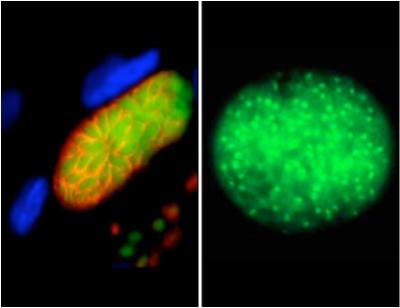
Toxoplasma gondii is a major foodborne pathogen capable of infecting all warm-blooded animals, including humans. Although oocyst-associated toxoplasmosis outbreaks have been documented, the relevance of the environmental transmission route remains poorly investigated. Thus, we carried out an extensive systematic review on T. gondii oocyst contamination of soil, water, fresh produce, and mollusk bivalves, following the PRISMA guidelines. Studies published up to the end of 2020 were searched for in public databases and screened. The reference sections of the selected articles were examined to identify additional studies. A total of 102 out of 3201 articles were selected: 34 articles focused on soil, 40 focused on water, 23 focused on fresh produce (vegetables/fruits), and 21 focused on bivalve mollusks. Toxoplasma gondii oocysts were found in all matrices worldwide, with detection rates ranging from 0.09% (1/1109) to 100% (8/8) using bioassay or PCR-based detection methods. There was a high heterogeneity (I= 98.9%), which was influenced by both the sampling strategy (e.g., sampling site and sample type, sample composition, sample origin, season, number of samples, cat presence) and methodology (recovery and detection methods). Harmonized approaches are needed for the detection of T. gondii in different environmental matrices in order to obtain robust and comparable results.

Research – Antimicrobial Activity of Ohelo Berry (Vaccinium calycinum) Juice against Listeria monocytogenes and Its Potential for Milk Preservation

MDPI

Listeria monocytogenes is a foodborne pathogen and causes illnesses with a high mortality rate in susceptible populations. Several dairy-related outbreaks have been attributed to contamination by L. monocytogenes, which requires antimicrobial interventions to enhance the safety of these products. This study aimed to determine the antimicrobial activity of the ohelo berry (Vaccinium calycinum), a Hawaiian wild relative of cranberry, against L. monocytogenes in culture media and milk products. The effect of ohelo berry juice at its sub-inhibitory concentrations on the physicochemical properties, biofilm formation, and gene expression of L. monocytogenes was also investigated. The minimum inhibitory concentration of ohelo berry juice against L. monocytogenes was 12.5%. The sub-inhibitory concentration of ohelo berry juice (6.25%) significantly increased the auto-aggregation and decreased the hydrophobicity, swimming motility, swarming motility, and biofilm formation capability of L. monocytogenes. The relative expression of genes for motility (flaA), biofilm formation and disinfectant resistance (sigB), invasion (iap), listeriolysin (hly), and phospholipase (plcA) was significantly downregulated in L. monocytogenes treated by the 6.25% juice. L. monocytogenes was significantly inhibited in whole and skim milk supplemented with 50% ohelo berry juice, regardless of the fat content. These findings highlight the potential of ohelo berry as a natural preservative and functional food to prevent L. monocytogenes infection.

Research – Dietary Inclusion of a Saccharomyces cerevisiae-Derived Postbiotic Is Associated with Lower Salmonella enterica Burden in Broiler Chickens on a Commercial Farm in Honduras

MDPI

Postbiotic feed additives may aid foodborne pathogen reduction during poultry rearing. The study objective was to evaluate a postbiotic additive in parallel to an industry control diet and the subsequent associated burden of Salmonella enterica on a single, commercial broiler farm in Honduras. Twelve houses were matched and assigned the standard diet (CON) or standard diet plus postbiotic (SCFP). New litter was placed in each house and retained across flock cycles with sampling prior to each chick placement and three consecutive rearing cycles. At ~33–34 days, 25 ceca were collected on-farm from each house, treatment, and cycle. Salmonella prevalence in litter for CON (30.6%) and SCFP (27.8%) were equivalent; however, Salmonella load within positive samples was lower (p = 0.04) for SCFP (3.81 log10 MPN/swab) compared to CON (5.53 log10 MPN/swab). Cecal prevalence of Salmonella was lower (p = 0.0006) in broilers fed SCFP (3.4%) compared to CON (12.2%). Salmonella load within positive ceca were numerically reduced (p = 0.121) by 1.45 log10 MPN/g for SCFP (2.41 log10 MPN/g) over CON (3.86 log10 MPN/g). Estimated burden was lower (p = 0.003) for SCFP flocks (3.80 log10 MPN) compared to CON (7.31 log10 MPN). These data demonstrate the preharvest intervention potential of postbiotics to reduce Salmonella enterica in broiler chickens. View Full-Text

Research – Finland and Switzerland see food recalls rise

Food Safety News

Food recalls increased for the sixth year in a row in 2021, according to the Finnish Food Agency (Ruokavirasto).

The amount of alerts passed 300 for the first time and were mainly because of microbiological contamination, allergens and pesticide residues. The 309 recall total was 42 more than in 2020.

Microbiological concerns such as Salmonella, Listeria and other bacteria caused 49 recalls, which is up 9 percent compared to the previous year. Salmonella was behind 26 recalls in products including fresh herbs and eggs while Listeria in items such as cheese caused five recalls.

Switzerland has revealed the number of recalls and public warnings issued in 2020.

The Federal Food Safety and Veterinary Office (FSVO) published 28 public warnings and 49 recalls for food. Warnings were most often because of pesticide residues, pathogenic microorganisms or allergens. Recalls were mainly because of pesticide residues, foreign bodies or mycotoxins.

At the beginning of 2020, Swiss authorities were informed about norovirus in oysters and mussels from France. Eight other EU countries received mussels from affected French production sites. In Switzerland, illnesses occurred following consumption of these products.

A total of 241 RASFF notifications concerned Switzerland and 62 were issued by the country.

For the 241 notifications, almost a third related to pesticide residues and 27 were because of microbial contamination. Of notices raised by Switzerland, 15 were because of mycotoxins and pesticide residues caused eight. Fifteen products from Switzerland were the subject of a RASFF post. The most frequent hazard was microbial contamination with four notifications.

USA – FDA Warning Letter – Greenhead Lobster Products LLC

FDA

The United States Food and Drug Administration (FDA) inspected your ready-to-eat (RTE) seafood processing facility located at 122 Heritage Park Rd., Bucksport, ME 04416-4603, on September 21, 22, 23, 27, and 30, and October 6, 2021. During our inspection we collected environmental samples (i.e., swabs) from various areas in your facility, including areas that are near food during processing operations and your food-contact surfaces. FDA laboratory analyses of environmental samples found the presence of Listeria monocytogenes (L. monocytogenes), a human pathogen, in your facility. Additionally, FDA found serious violations of the Seafood Hazard Analysis and Critical Control Point (HACCP) regulation, Title 21, Code of Federal Regulations (CFR), Part 123 (21 CFR Part 123).

In accordance with 21 CFR 123.6(g), failure of a processor of fish or fishery products to have and implement a HACCP plan that complies with this section or otherwise operate in accordance with the requirements of Part 123, renders the fish or fishery products adulterated within the meaning of Section 402(a)(4) of the Federal Food, Drug, and Cosmetic Act (the Act), 21 U.S.C. § 342(a)(4). Based on our inspectional results, including review of FDA’s environmental testing and your HACCP plan, we have determined that your RTE cooked lobster products are adulterated within the meaning of section 402(a)(4) of the Act, 21 U.S.C. § 342(a)(4), in that they have been prepared, packed, or held under insanitary conditions whereby they may have become contaminated with filth or rendered injurious to health. You may find the Act, the seafood HACCP regulation, and the 4th Edition of the Fish and Fisheries Products Hazards and Controls Guidance through links in FDA’s home page at www.fda.gov.External Link Disclaimer

At the conclusion of the inspection, the FDA investigators issued your facility a Form FDA 483, Inspectional Observations. You provided responses to the FDA Form 483 and FDA’s environmental sample findings via email on October 7 and 13, 2021, which included corrective actions taken by your firm. We have reviewed the documentation and continue to have serious concerns with your current HACCP programs as further described in this letter.