Category Archives: Food Microbiology Research

Sweden – Axfood is recalling two egg articles from Garant after Salmonella in the stable environment at the producer

Livsmedelsverket

The recall is a precautionary measure. Read about which eggs apply in Axfood’s press release: 

UK – Update on reporting of non-O157 STEC infections and an outbreak of Shiga toxin-producing E. coli (STEC) O145 in the UK, February 2024

Gov UK

In December 2023 the UK Health Security Agency (UKHSA) reported (1) unseasonably high levels of Shiga toxin-producing Escherichia coli other than serogroup O157 (non-O157 STEC) case notifications during October to December of that year. Since then, reporting has returned to levels comparable with previous years. Investigations into the drivers of that unseasonal increase in reports of non-O157 STEC continue, as well as into individual outbreaks of STEC that were reported in the December 2023 report.

The investigations into the concurrent foodborne STEC O145: H28 outbreak associated with unpasteurised cheese – being undertaken by UKHSA, the Local Authority (LA) Environmental Health Team, Public Health Scotland (PHS), Food Standards Agency (FSA), Food Standards Scotland (FSS) and the Animal Plant Health Agency (APHA) – are nearly completed.

In total 36 confirmed cases and 1 probable case have been reported across England (n=29) and Scotland (n=8) since late July 2023, with most cases falling ill in November 2023. The last reported primary case had a symptom onset date of 23 December 2023 (see figure below).

Based on epidemiological, food chain and microbiological investigations, the vehicle was identified as an unpasteurised cheese produced in North West England. The food business concerned carried out a product withdrawal and recall on 24 December 2023 (2) and updated on 27 December 2023 (3) which ensured all recalled products were removed from sale in a timely manner.

Subsequent work between the food business, the LA Environmental Health team and the FSA allowed refinement of the product withdrawal and recall notice to include only the batches likely associated with illness, which resulted in a further update of the product withdrawal and recall by the food business on 9 February 2024 (4).

The FSA and FSS both published updated Product Recall Information Notices (PRIN’s) on 24 (2) and 27 December (3), and again on 9 February (4), with supporting news stories to amplify messaging about each of the product recalls.

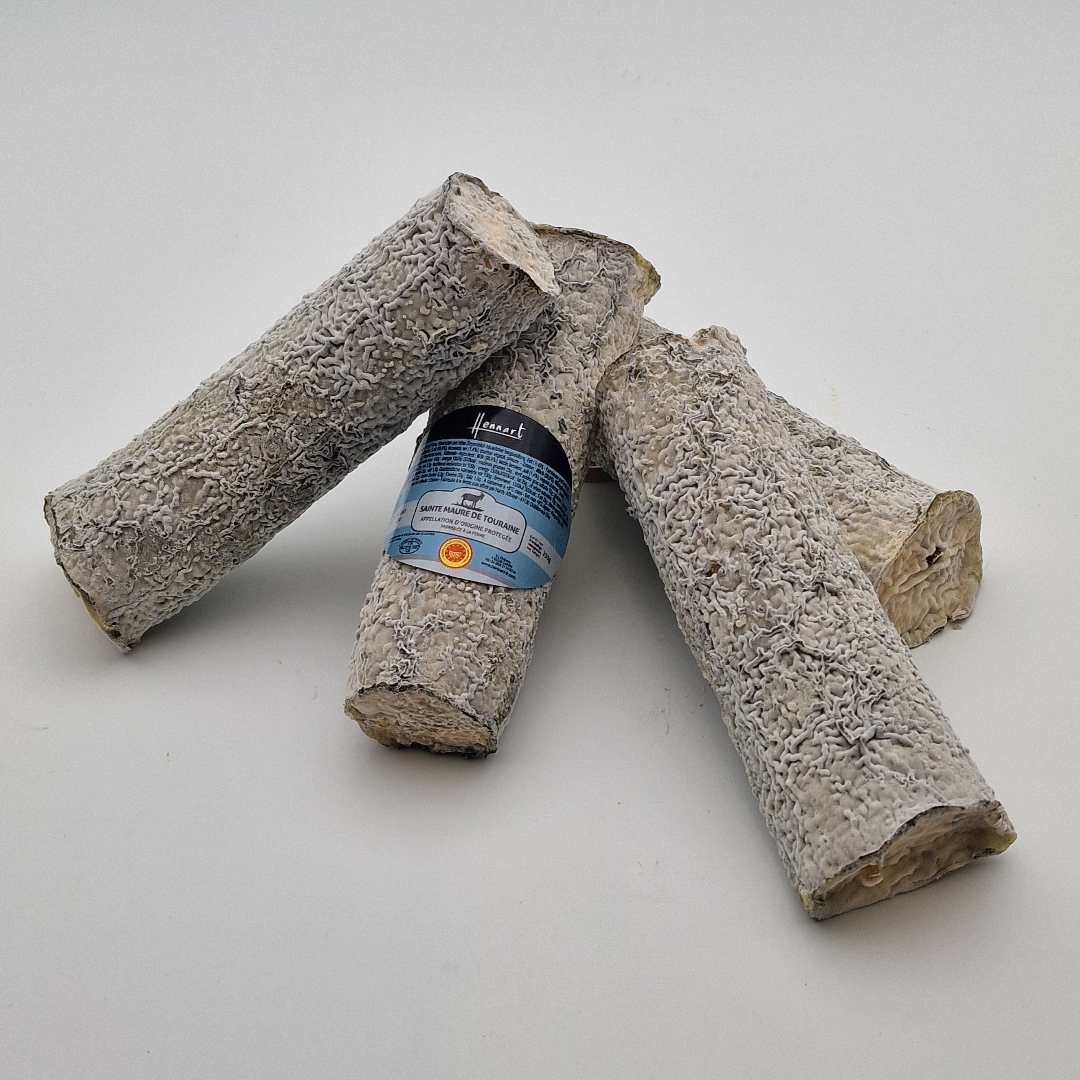
France – Sainte-Maure de Touraine AOP FARMER – Listeria monocytogenes

Gov France

Product Category
Food
Product subcategory
Milk and dairy products
Product brand name
HENNART
Model names or references
Sainte-Maure de Touraine AOP FARMER
Product identification
GTIN Batch Date
3700222101093 4271JA Minimum durability date 08/22/2024
Packaging
sold individually
Start/End of marketing date
From 07/09/2024 to 07/16/2024
Storage temperature
Product to be kept in the refrigerator
Health mark
FR 62.215.030 CE
Further information
Cheese sold in the cheese section
Geographic area of ​​sale
Whole France
Distributors
Leclerc supermarkets in Saleux and Saint-Amand les Eaux and independent dairy and fruit and vegetable stores.

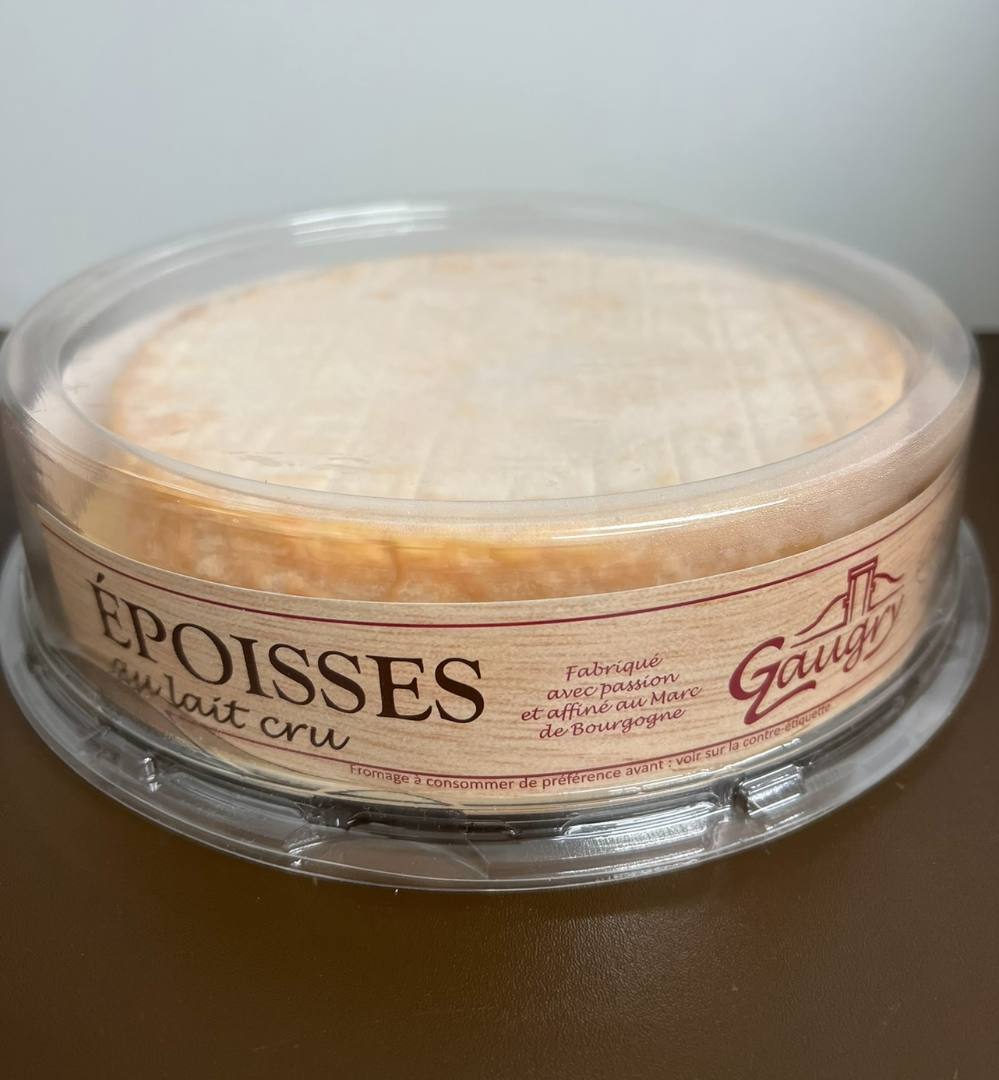
France – Epoisses with raw milk 900g format – Listeria monocytogenes

Gov France

Product Category
Food
Product subcategory
Milk and dairy products
Product brand name
Gaugry
Model names or references
Epoisses with raw milk 900g format
Product identification
GTIN Batch Date
93360410001029 150 Minimum durability date 08/23/2024
93360410001289 150 Minimum durability date 08/23/2024
Products List
List_of_products_for_consumer_recall_with_Gaugry_brand.pdfAttachment
Packaging
Plastic base and bell
Start/End of marketing date
From 07/09/2024 to 07/23/2024
Storage temperature
Product to be kept in the refrigerator
Health mark
FR 21-110-001 CE
Geographic area of ​​sale
Whole France
Distributors
None

USA – Kenny’s Farmhouse Cheese Recalls St. Jerome Cheese Lot: 231129 Because of Possible Health Risk -Listeria monocytogenes

FDA

Kenny’s Farmhouse Cheese 15-pound wheel and 8-ounce St. Jerome cheese wedge in clear plastic packages

Kenny’s Farmhouse Cheese of Austin, Ky is recalling St. Jerome cheese, batch 231129, because it has the potential to be contaminated with Listeria monocytogenes, an organism which can cause serious and sometimes fatal infections in young children, frail or elderly people, and others with weakened immune systems. Although healthy individuals may suffer only short-term symptoms such as high fever, severe headache, stiffness, nausea, abdominal pain and diarrhea, Listeria infection can cause miscarriages and stillbirths among pregnant women.

The recalled St. Jerome cheese was distributed via wholesale customers, retail storefront, and through Kenny’s Farmhouse Cheese website https://kennyscheese.comExternal Link Disclaimer.

The cheese has been distributed in two sizes, an 8-ounce wedge in a clear plastic package, and a full 15-pound wheel in a clear plastic package, marked with a logo sticker with ingredients listed on the top and with the lot number 231129 on a white label on the side.

No illnesses have been reported to date in connection with this recalled lot.

The potential for contamination was noted after routine testing by the Kentucky Department of Public Health revealed the presence of Listeria monocytogenes in a package of St. Jerome batch 231129.

The production of the product has been suspended while the FDA and the company continue to investigate the source of the problem.

Consumers who have purchased should not consume the product and are urged to return them to the place of purchase for a full refund or dispose of the product. Consumers with questions may contact the company at 1-270-434-4124 or email kenny@kennyscheese.com from Monday through Friday, 8:00AM-4:00PM.


Company Contact Information

Consumers:
Kenny’s Farmhouse Cheese
 1-270-434-4124
 kenny@kennyscheese.com

Research – Public health aspects of Vibrio spp. related to the consumption of seafood in the EU

EFSA

Abstract

Vibrio parahaemolyticus, Vibrio vulnificus and non- O1/non- O139 Vibrio cholerae are the Vibrio spp. of highest relevance for public health in the EU through seafood consumption. Infection with V. parahaemolyticus is associated with the haemolysins thermostable direct haemolysin (TDH) and TDH-related haemolysin (TRH)and mainly leads to acute gastroenteritis. V. vulnificus infections can lead to sepsis and death in susceptible individuals. V. cholerae non- O1/non- O139 can cause mild gastroenteritis or lead to severe infections, including sepsis, in susceptible individuals. The pooled prevalence estimate in seafood is 19.6% (95% CI 13.7–27.4),6.1% (95% CI 3.0–11.8) and 4.1% (95% CI 2.4–6.9) for V. parahaemolyticus, V. vulnificus and non-choleragenic V. cholerae, respectively. Approximately one out of five V. parahaemolyticus-positive samples contain pathogenic strains. A large spectrum of antimicrobial resistances, some of which are intrinsic, has been found in vibrios isolated from seafood or food-borne infections in Europe. Genes conferring resistance to medically important antimicrobials and associated with mobile genetic elements are increasingly detected in vibrios. Temperature and salinity are the most relevant drivers for Vibrio abundance in the aquatic environment. It is anticipated that the occurrence and levels of the relevant Vibrio spp. in seafood will increase in response to coastal warming and extreme weather events, especially in low-salinity/brackish waters. While some measures, like high-pressure processing, irradiation or depuration reduce the levels of Vibrio spp. in seafood, maintaining the cold chain is important to prevent their growth. Available risk assessments ad-dressed V. parahaemolyticus in various types of seafood and V. vulnificus in raw oysters and octopus. A quantitative microbiological risk assessment relevant in an EU context would be V. parahaemolyticus in bivalve molluscs (oysters), evaluating the effect of mitigations, especially in a climate change scenario. Knowledge gaps related to Vibrio spp. in seafood and aquatic environments are identified and future research needs are prioritised.

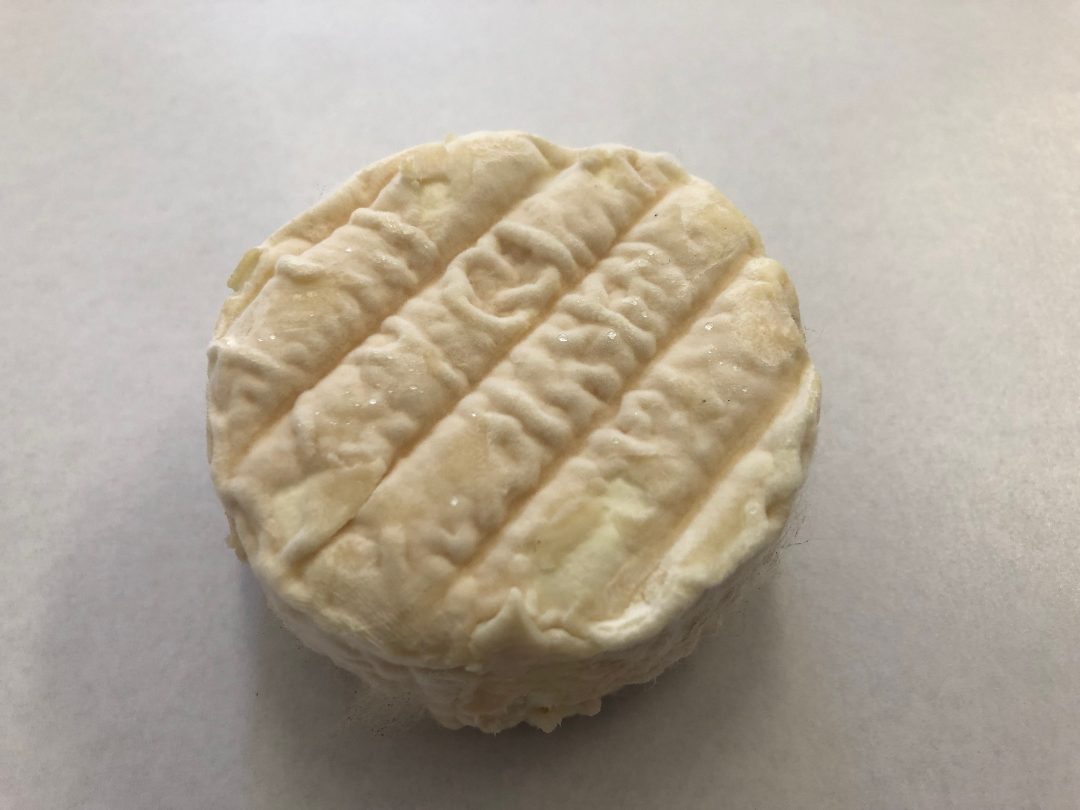
France – Goat cheese -Yersinia enterocolitica

RASFF

Product Category
Food
Product subcategory
Milk and dairy products
Product brand name
‘unbranded’
Model names or references
Goat Pitchoun
Product identification
Batch
06/24-06/29-01/07-06/07-09/07-11/07-13/07-15/07
Start/End of marketing date
From 06/26/2024 to 07/19/2024
Storage temperature
Product to be kept in the refrigerator
Geographic area of ​​sale
Departments: ALPES-DE-HAUTE-PROVENCE (04), VAUCLUSE (84)
Distributors
Point of Sale at the Cheese Shop, Vival, Les Tables d’en Haut, Happiness is in the Cellar, Bistrot Saint Trinit, Bistrot de Lagarde d’Apt

France -Abondance AOP – STEC E.coli O26:H11

Gov France

Product Category
Food
Product subcategory
Milk and dairy products
Product brand name
Itinerary of our regions
Model names or references
Abondance AOP 200g
Product identification
GTIN Batch Date
3250391408818 A4157003261 Minimum durability date 02/08/2024
3250391408818 A4164003374 Minimum durability date 08/15/2024
3250391408818 A4158000761 Minimum durability date 08/15/2024
Packaging
Self-service packaging
Start/End of marketing date
From 06/14/2024 to 07/12/2024
Storage temperature
Product to be kept in the refrigerator
Health mark
FR 74.011.060 CE
Geographic area of ​​sale
Whole France
Distributors
Intermarche

France – Sardine 10/+ – Histamine

Gov France

Product Category
Food
Product subcategory
Fishery and aquaculture products
Product brand name
France Pavilion
Model names or references
Sardine 10/+
Product identification
GTIN Batch
0231104000000 24.190 SG CC
Start/End of marketing date
From 06/25/2024 to 06/29/2024
Storage temperature
Product to be kept in the refrigerator
Health mark
FR 53.121.035 CE
Further information
The product was sold in the traditional fishmonger’s department between 06/25/2024 and 06/29/2024
Geographic area of ​​sale
Departments: HAUTE-SAONE (70)
Distributors
LECLERC HERICOURT

Canada – Baby Gourmet Organic brand Banana raisin oatmeal organic whole grain baby cereal recalled due to Cronobacter spp.

Gov Canada

Product
Banana raisin oatmeal organic whole grain baby cereal
Issue
Food – Microbial Contamination – Other
What to do

Do not consume, use, sell, serve, or distribute recalled products

Distribution
National

The affected product is being recalled from the marketplace due to possible Cronobacter spp. contamination.

What you should do

  • If you think you became sick from consuming a recalled product, contact your healthcare provider
  • Check to see if you have recalled products
  • Do not consume, serve, use, sell, or distribute recalled products
  • Recalled products should be thrown out or returned to the location where they were purchased

Food contaminated with Cronobacter may not look or smell spoiled but can still make you sick. Although Cronobacter is not commonly linked to human illness, in rare cases it can cause serious or fatal infections. Cronobacter can cause rare bloodstream and central nervous system infections and has been associated with severe intestinal infection (necrotizing enterocolitis) and blood poisoning (sepsis), especially in newborns.