Category Archives: Food Microbiology Research

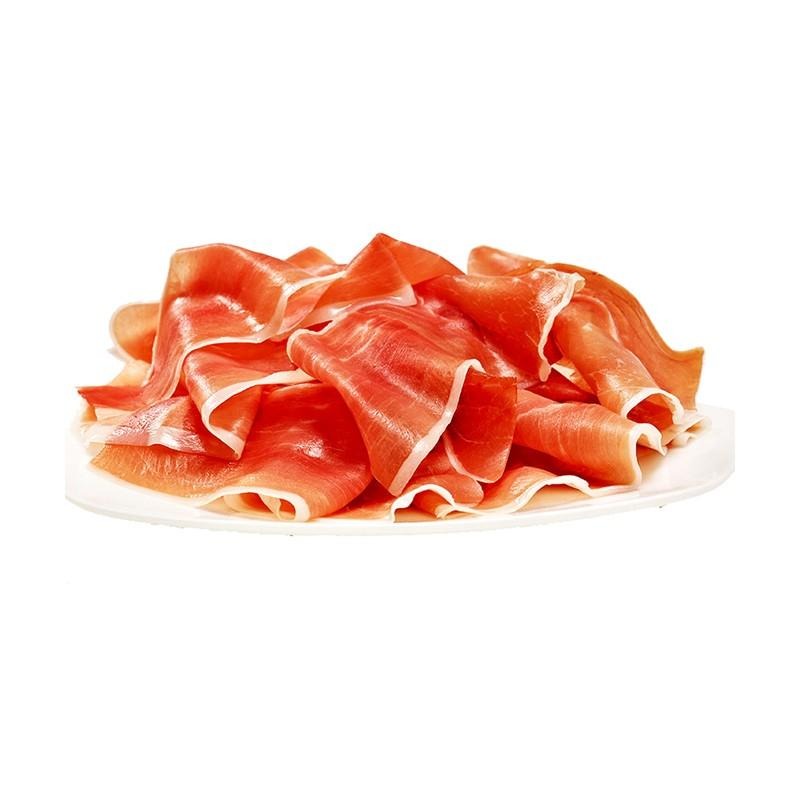
France -SERRANO HAM sold in the delicatessen section of the HYPER CHALON-SUR-SAONE store between 07/23/2024 and 07/25/2024 – Listeria monocytogenes

Gov France

Product Category
Food
Product subcategory
Meats
Product brand name
Unbranded
Model names or references
SERRANO HAM sold in the delicatessen section of the HYPER CHALON-SUR-SAONE store between 07/23/2024 and 07/25/2024
Product identification
GTIN Batch
1111111111116 Sold from 07/23/2024 to 07/25/2024
Start/End of marketing date
From 07/23/2024 to 07/25/2024
Storage temperature
Product to be kept in the refrigerator
Geographic area of ​​sale
Crossroads Hyper Chalon-sur-Saone
Distributors
Carrefour Hyper Chalon-sur-Saône only

USDA Proposes New Policy to Reduce Salmonella in Raw Poultry Products

FSIS USDA

WASHINGTON, July 29, 2024 – The U.S. Department of Agriculture’s (USDA) Food Safety and Inspection Service (FSIS) today issued a comprehensive proposed rule and determination to more effectively reduce Salmonella contamination and illnesses associated with raw poultry products. This is the culmination of FSIS’ three-year effort to re-evaluate their strategy for controlling Salmonella rates in poultry and protect American consumers from foodborne illness linked to consumption of poultry products.

Salmonella bacteria cause over 1 million human infections in the United States each year, according to the Centers for Disease Control and Prevention (CDC). Food is the leading source of Salmonella infections and poultry is among the leading sources of foodborne Salmonella illnesses. FSIS estimates that there are 125,000 chicken-associated and almost 43,000 turkey-associated foodborne Salmonella illnesses per year. Despite FSIS data indicating that Salmonella contamination in poultry products has been decreasing, there has not been an observed reduction in Salmonella illnesses.

Research – Public health aspects of Vibrio spp. related to the consumption of seafood in the EU

EFSA

Abstract

Vibrio parahaemolyticus, Vibrio vulnificus and non‐O1/non‐O139 Vibrio cholerae are the Vibrio spp. of highest relevance for public health in the EU through seafood consumption. Infection with V. parahaemolyticus is associated with the haemolysins thermostable direct haemolysin (TDH) and TDH‐related haemolysin (TRH) and mainly leads to acute gastroenteritis. V. vulnificus infections can lead to sepsis and death in susceptible individuals. V. cholerae non‐O1/non‐O139 can cause mild gastroenteritis or lead to severe infections, including sepsis, in susceptible individuals. The pooled prevalence estimate in seafood is 19.6% (95% CI 13.7–27.4), 6.1% (95% CI 3.0–11.8) and 4.1% (95% CI 2.4–6.9) for V. parahaemolyticus, V. vulnificus and non‐choleragenic V. cholerae, respectively. Approximately one out of five V. parahaemolyticus‐positive samples contain pathogenic strains. A large spectrum of antimicrobial resistances, some of which are intrinsic, has been found in vibrios isolated from seafood or food‐borne infections in Europe. Genes conferring resistance to medically important antimicrobials and associated with mobile genetic elements are increasingly detected in vibrios. Temperature and salinity are the most relevant drivers for Vibrio abundance in the aquatic environment. It is anticipated that the occurrence and levels of the relevant Vibrio spp. in seafood will increase in response to coastal warming and extreme weather events, especially in low‐salinity/brackish waters. While some measures, like high‐pressure processing, irradiation or depuration reduce the levels of Vibrio spp. in seafood, maintaining the cold chain is important to prevent their growth. Available risk assessments addressed V. parahaemolyticus in various types of seafood and V. vulnificus in raw oysters and octopus. A quantitative microbiological risk assessment relevant in an EU context would be V. parahaemolyticus in bivalve molluscs (oysters), evaluating the effect of mitigations, especially in a climate change scenario. Knowledge gaps related to Vibrio spp. in seafood and aquatic environments are identified and future research needs are prioritised.

Research – Shiga Toxin-Producing Escherichia coli Strains from Romania: A Whole Genome-Based Description

MDPI

Abstract

The zoonotic Shiga toxin-producing Escherichia coli (STEC) group is unanimously regarded as exceptionally hazardous for humans. This study aimed to provide a genomic perspective on the STEC recovered sporadically from humans and have a foundation of internationally comparable data. Fifty clinical STEC isolates, representing the culture-confirmed infections reported by the STEC Reference Laboratory between 2016 and 2023, were subjected to whole-genome sequencing (WGS) analysis and sequences were interpreted using both commercial and public free bioinformatics tools. The WGS analysis revealed a genetically diverse population of STEC dominated by non-O157 serogroups commonly reported in human STEC infections in the European Union. The O26:H11 strains of ST21 lineage played a major role in the clinical disease resulting in hospitalisation and cases of paediatric HUS in Romania surpassing the O157:H7 strains. The latter were all clade 7 and mostly ST1804. Notably, among the Romanian isolates was a stx2a-harbouring cryptic clade I strain associated with a HUS case, stx2f– and stx2e-positive strains, and hybrid strains displaying a mixture of intestinal and extra intestinal virulence genes were found. As a clearer picture emerges of the STEC strains responsible for infections in Romania, further surveillance efforts are needed to uncover their prevalence, sources, and reservoirs.

Research – Avoid Botulism with Safe Canning Tips

Food Poisoning News

Home canning has long been a popular method for preserving fresh fruits and vegetables, allowing food enthusiasts to enjoy their favorite produce year-round. However, the U.S. Food and Drug Administration (FDA) and the American Medical Association (AMA) warn that improperly canned foods can pose a serious health risk, potentially causing botulism – a rare but deadly kind of food poisoning.

Earlier this month, Food Poisoning News reported on a botulism outbreak at two family events in California linked to the consumption of a salad containing home-canned cactus pads.  Ten people were hospitalized and two sisters were in intensive care as of July 8th.

Botulism, a rare but potentially fatal form of food poisoning, can occur when the bacterium Clostridium botulinum grows and produces toxins.  Symptoms of botulism can include general weakness, dizziness, double vision, difficulty speaking or swallowing, breathing problems, muscle weakness, abdominal distension, and constipation. These symptoms may appear anywhere from six hours to two weeks after consuming contaminated food.

Research – Foodborne bacteria in milk and milk products along the water buffalo milk chain in Bangladesh

Nature

Abstract

Controlling foodborne pathogens in buffalo milk is crucial for ensuring food safety. This study estimated the prevalence of nine target genes representing seven critical foodborne bacteria in milk and milk products, and identified factors associated with their presence in buffalo milk chain nodes in Bangladesh. One hundred and forty-three milk samples from bulk tank milk (n = 34), middlemen (n = 37), milk collection centers (n = 37), and milk product shops (n = 35) were collected and analyzed using RT-PCR. Escherichia (E.) coli, represented through yccT genes, was the most prevalent throughout the milk chain (81–97%). Chi-squared tests were performed to identify the potential risk factors associated with the presence of foodborne bacteria encoded for different genes. At the middleman level, the prevalence of E. coli was associated with the Mymensingh, Noakhali, and Bhola districts (P = 0.01). The prevalence of Listeria monocytogenes, represented through inlA genes, and Yersinia (Y.) enterocolitica, represented through yst genes, were the highest at the farm level (65–79%). The prevalence of both bacteria in bulk milk was associated with the Noakhali and Bhola districts (P < 0.05). The prevalence of Y. enterocolitica in bulk milk was also associated with late autumn and spring (P = 0.01) and was higher in buffalo-cow mixed milk than in pure buffalo milk at the milk collection center level (P < 0.01). The gene stx2 encoding for Shiga toxin-producing (STEC) E. coli was detected in 74% of the milk products. At the middleman level, the prevalence of STEC E. coli was associated with the use of cloths or tissues when drying milk containers (P = 0.01). Salmonella enterica, represented through the presence of invA gene, was most commonly detected (14%) at the milk collection center. The use of plastic milk containers was associated with a higher prevalence of Staphylococcus aureus, represented through htrA genes, at milk product shops (P < 0.05). These results suggest that raw milk consumers in Bangladesh are at risk if they purchase and consume unpasteurized milk.

Research – Determinants of Sporadic Shiga Toxin-Producing Escherichia coli (STEC) Infection in Denmark, 2018–2020: A Matched Case–Control Study

MDPI

Abstract

Infections with Shiga toxin-producing Escherichia coli (STEC) are increasing in Denmark and elsewhere. STEC is also the most frequent cause of haemolytic uraemic syndrome (HUS) in Danish children. Most cases are considered sporadic, while approximately one-third can be attributed to a known source of infection. Hence, we examined sources of sporadic STEC infection in Denmark. From January 2018 to December 2020, we conducted a prospective nationwide case–control study among Danish adults and children. Cases with confirmed positive STEC infection were notified infections within the national laboratory surveillance system. Control persons were randomly selected from the Danish Civil Registration System, individually matched in age in 5-year bands and sex. Participants were invited by an electronic letter to complete either an adult or child questionnaire online. Univariate and adjusted matched odds ratios were computed for adults and children using conditional logistic regression. The study recruited 1583 STEC cases and 6228 controls. A total of 658 cases (42%) and 2155 controls (35%) were included in the analysis. Depending on age, univariate analysis adjusted for socio-demographic determinants showed that the consumption of boiled beef (mOR = 2.2, 95% confidence interval (CI): 1.6–3.1) and fried minced beef (mOR = 1.6, CI: 1.2–2.1), drinking raw (unpasteurized) milk (mOR = 11, CI 1.1–110), eating grilled food (mOR = 9.8, CI: 5.6–17) and having a household member using diapers (mOR = 2.1, CI: 1.4–3.2) were determinants of sporadic STEC infection. Further multivariate adjusted analysis resulted in the same determinants. This study confirms that beef is an overall important risk factor for STEC infection in Denmark. We also present evidence that a proportion of sporadic STEC infections in Denmark are determined by age-specific eating habits, environmental exposures and household structure, rather than being exclusively food-related. These findings are relevant for targeted public health actions and guidelines.

Research – Impact of Biotic and Abiotic Factors on Listeria monocytogenes, Salmonella enterica, and Enterohemorrhagic Escherichia coli in Agricultural Soil Extracts

MDPI

Abstract

Outbreaks of Enterohemorrhagic Escherichia coli (EHEC), Salmonella enterica, and Listeria monocytogenes linked to fresh produce consumption pose significant food safety concerns. These pathogens can contaminate pre-harvest produce through various routes, including contaminated water. Soil physicochemical properties and flooding can influence pathogen survival in soils. We investigated survival of EHEC, S. enterica, and L. monocytogenes in soil extracts designed to represent soils with stagnant water. We hypothesized pathogen survival would be influenced by soil extract nutrient levels and the presence of native microbes. A chemical analysis revealed higher levels of total nitrogen, phosphorus, and carbon in high-nutrient soil extracts compared to low-nutrient extracts. Pathogen survival was enhanced in high-nutrient, sterile soil extracts, while the presence of native microbes reduced pathogen numbers. A microbiome analysis showed greater diversity in low-nutrient soil extracts, with distinct microbial compositions between extract types. Our findings highlight the importance of soil nutrient composition and microbial dynamics in influencing pathogen behavior. Given key soil parameters, a long short-term memory model (LSTM) effectively predicted pathogen survival. Integrating these factors can aid in developing predictive models for pathogen persistence in agricultural systems. Overall, our study contributes to understanding the complex interplay in agricultural ecosystems, facilitating informed decision-making for crop production and food safety enhancement.

USA – Research – FDA Releases Summary Report on Fresh Herbs Sampling Assignment

FDA

Today, the U.S. Food and Drug Administration (FDA) released findings from a sampling assignment that collected and tested both domestic and imported fresh basil, cilantro, and parsley. The assignment sought to estimate the prevalence of Cyclospora cayetanensis, Salmonella spp., and Shiga toxin-producing Escherichia coli (STEC) in these herbs as part of the FDA’s ongoing effort to help proactively ensure food safety.

From September 2017 to September 2021, the FDA collected and tested a total of 1,383 samples of fresh basil, cilantro, and parsley. The agency detected Salmonella spp. in 17 out of 1,358 samples, detected C. cayetanensis in 18 out of 812 samples, and detected STEC in 1 out of 1,350 samples. The FDA worked closely with the firm to quickly remove the contaminated products from the market. The sampling assignment took longer than anticipated, due to a nine month pause during the COVID-19 pandemic.

Fresh herbs contaminated with Salmonella spp., C. cayetanensis, and STEC can present a significant public health risk. From FY2000 through FY2016, cilantro was potentially linked to at least three outbreaks in the U.S. And since 2017, the U.S. has experienced at least six additional outbreaks involving basil, cilantro, and parsley. More than 1,200 illnesses and 80 hospitalizations were tied to these outbreaks. Thus, the FDA determined that sampling may help the agency assess the prevalence of pathogens in the commodities and identify common factors among contaminated samples, with the goal of helping to protect consumers.

Given the findings of the assignment, the FDA encourages industry to ensure its compliance with the agency’s Produce Safety RulePreventive Controls for Human Food Rule, and FSMA Final Rule on Requirements for Additional Traceability Records for Certain Foods, as applicable. Importers of fresh herbs should ensure their compliance with the agency’s Foreign Supplier Verification Programs Rule.

This sampling assignment was the agency’s first largescale field activity to focus on fresh basil, cilantro, and parsley. This data will help the agency develop guidance and update program priorities, including future sampling assignments and the prioritization of surveillance inspections. The FDA will continue to sample these fresh herbs for pathogens as warranted to protect consumers.

Research – EFSA – Vibrio bacteria in seafood: increased risk due to climate change and antimicrobial resistance

EFSA

The prevalence of Vibrio in seafood is expected to increase both globally and in Europe because of climate change, especially in low-salinity or brackish waters, according to EFSA’s latest assessment. Additionally, resistance to last-resort antibiotics is increasingly found in some Vibrio species .