Category Archives: Food Microbiology Blog

Research – PDIA, an Iminosugar Compound with a Wide Biofilm Inhibitory Spectrum Covering Both Gram-Positive and Gram-Negative Human Bacterial Pathogens

MDPI

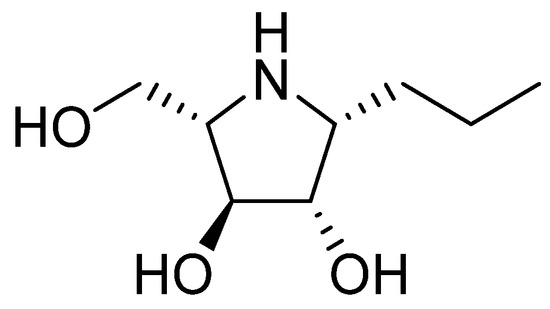
Many difficult-to-treat human infections related to catheters and other indwelling devices are caused by bacteria residing in biofilms. One of the key properties of microorganisms residing in a biofilm is decreased susceptibility towards antimicrobial agents. Therefore, many different approaches have been researched to destroy or inhibit biofilm production by bacteria. Different iminosugars (IS) were reported to inhibit biofilm formation in S. mutans, S. aureus, and P. aeruginosa. The aim of this study was to look for a spectrum of the activity in one of these IS. The iminosugar PDIA beta-1-C-propyl-1,4-dideoxy-1,4-imino-L-arabinitol was tested in vitro at the same concentration against 30 different strains of the most important Gram-negative and Gram-positive human pathogens looking for their biofilm production and viability at different time intervals. It appeared that PDIA inhibited biofilm production of Enterobacter spp., P. aeruginosa, Enterococcus spp. and S. aureus in 8 h, and Klebsiella spp., Acinetobacter spp. and S.epidermidis in 24 h. PDIA caused no growth inhibition of the tested bacteria at a concentration of 0.9 mM. Our results indicate a broad-spectrum biofilm inhibitory activity of PDIA. which may be the basis for future application studies that will help in control of the associated device and biofilm-related infections caused by a wide spectrum of the causative agents. View Full-Text

Research – Role of Marine Bacterial Contaminants in Histamine Formation in Seafood Products: A Review

MDPI

Histamine is a toxic biogenic amine commonly found in seafood products or their derivatives. This metabolite is produced by histamine-producing bacteria (HPB) such as Proteus vulgaris, P. mirabilis, Enterobacter aerogenes, E. cloacae, Serratia fonticola, S. liquefaciens, Citrobacter freundii, C. braakii, Clostridium spp., Raoultella planticola, R. ornithinolytica, Vibrio alginolyticus, V. parahaemolyticus, V. olivaceus, Acinetobacter lowffi, Plesiomonas shigelloides, Pseudomonas putida, P. fluorescens, Aeromonas spp., Photobacterium damselae, P. phosphoreum, P. leiognathi, P. iliopiscarium, P. kishitanii, and P. aquimaris. In this review, the role of these bacteria in histamine production in fish and seafood products with consequences for human food poisoning following consumption are discussed. In addition, methods to control their activity in countering histamine production are proposed. View Full-Text

Research – A Machine Learning Model for Food Source Attribution of Listeria monocytogenes

MDPI

Despite its low morbidity, listeriosis has a high mortality rate due to the severity of its clinical manifestations. The source of human listeriosis is often unclear. In this study, we investigate the ability of machine learning to predict the food source from which clinical Listeria monocytogenes isolates originated. Four machine learning classification algorithms were trained on core genome multilocus sequence typing data of 1212 L. monocytogenes isolates from various food sources. The average accuracies of random forest, support vector machine radial kernel, stochastic gradient boosting, and logit boost were found to be 0.72, 0.61, 0.7, and 0.73, respectively. Logit boost showed the best performance and was used in model testing on 154 L. monocytogenes clinical isolates. The model attributed 17.5 % of human clinical cases to dairy, 32.5% to fruits, 14.3% to leafy greens, 9.7% to meat, 4.6% to poultry, and 18.8% to vegetables. The final model also provided us with genetic features that were predictive of specific sources. Thus, this combination of genomic data and machine learning-based models can greatly enhance our ability to track L. monocytogenes from different food sources. View Full-Text

Research – New Challenges for Detection and Control of Foodborne Pathogens: From Tools to People

MDPI

Contamination of foods by human pathogenic microorganisms is a major concern to both food safety and public health. The changes in consumers’ demand, the globalization of the food trade, and the progress on food production practices and processing technologies all pose new challenges for food industries and regulatory agencies to ensure the safety in food products.
With regard to microbiological safety, bacteria and viruses are the most common foodborne pathogens associated with both sporadic cases and outbreaks.
However, bacterial and viral microorganisms differ in terms of their behaviour in food matrices, their stability in food-related environments (e.g., food-contact surfaces, irrigating and processing waters), and their response to food processing technologies and controlling measures. Current methods do not meet all relevant criteria for effective monitoring plans, the main limitations being their sensitivity, the high workload and time requirement, and the inability to differentiate between viable and non-viable microorganisms. Thus, specific and sensitive methods need to be developed for their detection and quantification in com-plex matrices, such as food, for tracking their occurrence along the food chain to determine the sources of contamination, and for ultimately estimating the risk for consumers.
To fill these gaps, this Special Issue comprises four original research articles and are view paper focusing on the implementation of novel analytical techniques and approaches to foodborne pathogens along the food chain.
Zand and colleagues [1] reviewed the most recent advances of the application of flowcytometry (FCM) and fluorescence in situ hybridization (FISH) for the rapid detection and characterization of microbial contamination. FCM allows for a culture-independent quantification of microbial cells, also providing information on their physiological and structural characteristics which are relevant to assess their viability status. FISH is a nucleic acid-based method mainly applied in the medical and diagnostic fields. While FCM has been successfully used to detect and monitor microorganisms in water, state-of-the-art FCM and FISH protocols for food matrices still show significant limitations. The main pitfalls include complex sample preparation steps; the use of toxic substances; their limits of detection, especially for FISH assays; and the equipment price. Because of all these aspects, FCM and FISH have not yet gained considerable interest in food safety area for the detection of microbial pathogens. Future studies should focus on potential optimisation strategies for FCM and FISH protocols in food samples and their validation, as well as on the development of automated lab-on-chip solutions.
Moving to explore next-generation sequencing (NGS) applications in the produce industry, Truchado et al. [2] contributed to identify potential contamination niches of Listeria monocytogenes in a frozen vegetable processing plant. NGS is a sequencing technology that offers ultra-high throughput, a scalable and fast technique that allows the authors to characterize the isolates by a whole-genome sequencing (WGS) of 3multi locus sequence typing (MLST). The WGS analysis revealed the presence of four different sequence types (ST) contaminating 18% of the samples, including food contact surfaces (FCS), non-food contact surfaces (n-FCS), and final product. These ST were further classified into four different virulence types (VT) according to multi-virulence locus sequence typing (MVLST). Interestingly, an isolate detected in non-food-contact surfaces(n-FCS) also contaminated the final product, highlighting the relevant role of n-FCS as reservoir of L.monocytogenes that reached the final product.
Staphylococcus aureus is a foodborne pathogen considered to be one of the etiological agents of food-related disease outbreaks. Leng et al. [3] supported this Special Issue with a study on its control using the skin mucus extract of Channa argus as a source of antimicrobial compounds. Of interest, untargeted metabolomics were applied to decipherits antibacterial mechanism against S. aureus. Results indicated that the extract had great inhibitory action on its growth by inducing the tricarboxylic acid cycle and amino acid biosynthesis, which are the primary metabolic pathways that affect the normal physiological functions of biofilms.
The present collection includes a second contribution on the control of S. aureus authored by Kim and colleagues [4] who developed a real-time PCR method (qPCR) for the rapid detection and quantification of pathogenic Staphylococcus species.
Four specific molecular targets were identified based on pan-genome analysis, and results showed 100% specificity for 100 non-target reference strains with a detection limit as low as 102CFU/mL. Thus, the proposed method allows an accurate and rapid monitoring of Staphylococcus species and may help control staphylococcal contamination of food.
Moving to human viral pathogens, Macaluso et al. [5] reported the results of an investigation aimed to characterize the occurrence of human enteric viruses in shellfish, a food item with relevant risk for consumers. The study included data collected over two years on the prevalence of enteric virus contamination along the shellfish production and distribution chain in Sicily, Italy. The findings based on quantitative reverse transcription polymerase chain reactions (RT-qPCRs), as gold-standard molecular technique, showed that almost 6% of samples were contaminated with at least one enteric virus such as norovirus, hepatitis A virus, and/or hepatitis E virus. The origin of contaminated shellfish was traced back to Spain and several municipalities in Italy. Such contribution highlights the relevance
of routine monitoring programs to prevent foodborne transmission of enteric viruses and
preserve the health of consumers.
In summary, this Special Issue compile several contributions focused on novel technologies, approaches, and strategies demonstrated to be effective in controlling microbial contamination in food. All the articles provide valuable information to monitor and/or reduce contamination in food, food industry settings, and along the food chain. On a final note, the collection emphasizes the relevance of ensuring food safety and limiting the risk of microbiological contamination along the food chain to protect consumers.

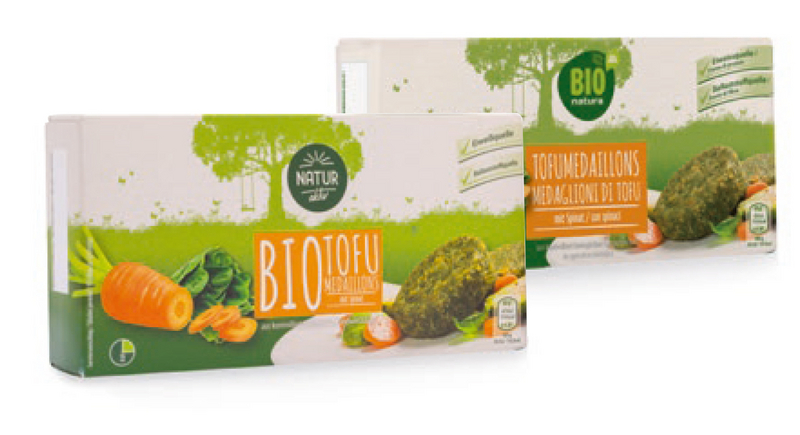
Austria – NATUR aktiv/BIO natura vegan medallions 320 g, variety tofu medallions with spinach – Bacillus cereus

AGES

AGES informs about a recall of the company HOFER KG. On June 17th, 2022, the company recalled the product NATUR aktiv/BIO natura vegan medallions 320 g, tofu medallions with spinach:
© HOFER KG
recall reason
Bacillus cereus
Marketed by
HOFER KG
Manufacturer
Biolab Srl
Expiry Date
04/15/2023
Batch number
Best before date/batch 01/14/2023/L.21170, 01/18/2023/L.21166 and 04/15/2023/L.21079

HOFER and its supplier Biolab Srl call the article “NATUR aktiv or BIO natura vegan medallions, variety tofu medallions with spinach” (320 g) with best before date/batch 01/14/2023/L.21170, 01/18/2023/L.21166 and 04/15. 2023/L.21079 back.

The article “NATUR aktiv or BIO natura vegan medallions, variety tofu medallions with spinach” (320 g) from Biolab Srl, with best before date/batch 01/14/2023/L.21170, 01/18/2023/L.21166 and 04/15/2023/L .21079 is being recalled by the supplier Biolab Srl and HOFER KG for reasons of precautionary consumer protection.

As the company reports, Bacillus cereus was detected in a sample of the article mentioned. The product must not be consumed. Bacillus cereus can cause gastrointestinal diseases and flu-like symptoms. Serious illnesses can occur as a result of consumption, especially in pregnant women, small children and people with a weakened immune system.

The article “NATUR aktiv or BIO natura vegan medallions, variety tofu medallions with spinach” (320 g) was available in HOFER branches in Vienna and in Lower Austria, Upper Austria and parts of Burgenland and Salzburg. The sale of the product was stopped immediately.

The product can be returned in all HOFER branches. Of course, customers will also be reimbursed the purchase price without proof of purchase. This warning does not imply that the hazard was caused by the producer, manufacturer or distributor.

If you have any questions, the HOFER customer service center can be reached by telephone on (+43) 5 70 30 355 00 (Mon-Fri 7:15 a.m. to 8:00 p.m. and Sat 7:15 a.m. to 6:00 p.m.).

original broadcast

More info

Bacillus cereus

Belgium – Various products from the Quality Nuts & Colosseum brands – Aflatoxin Levels

AFSCA

06/17/2022
Colosseum Reminder
Products: Various products from the Quality Nuts & Colosseum brands.
Problem: Too high aflatoxin content.

Belgium – “PELMENI SIBIRJAKI” frozen pork/beef gyozas -Salmonella

AFSCA

Recall of Mix Shop Express
Product: Ostertag Teigfabrik brand “PELMENI SIBIRJAKI” frozen pork/beef gyozas.
Problem: possible presence of Salmonella.

In agreement with the FASFC, MIX SHOP EXPRESS is withdrawing frozen pork/beef gyozas “PELMENI SIBIRJAKI” from the Ostertag Teigfabrik brand from sale and recalling them from consumers due to the possible presence of Salmonella.

MIX SHOP EXPRESS asks its customers not to consume this product and to return it to the point of sale in which it was purchased.


Product description Product

name: Pelmeni Sibirjaki (frozen pork/beef gyozas)
Brand: Ostertag Teigfabrik
Batch number: 046TKS012
Sale period: from 10/02/2022 to present
Type of packaging: plastic bag
Weight : 1kg

The product was distributed by:
MIX SHOP EXPRESS Abdijstraat 191 2020 Antwerpen

For further information , contact:
Mrs IKRIANNIKOVA ELENA
Mr SALOV ANDREI
Tel: +32 3 248 16 83
GSM: +32 486 299 077
e-mail: info@msexpress. be

France – Chicken fries – Listeria monocytogenes

Gov france

Identification information of the recalled product

  • Product category Feed
  • Product subcategory Meats
  • Product brand name Gallic
  • Model names or references200G case
  • Identification of products
    GTIN Batch Date
    3266980805111 133 Use-by date 08/06/2022
  • Marketing start/end date From 05/14/2022 to 06/08/2022
  • Storage temperature Product to be stored in the refrigerator
  • Health mark EN 72.264.002 EC
  • Geographic area of ​​sale Whole France
  • Distributors Leclerc, System U, Carrefour, Auchan, Casino, Franprix, Intermarché, Cora
  • List of points of saleList_of_sales_points.pdf

Practical information regarding the recall

  • Reason for recall Suspicion of the presence of Listeria monocytogenes
  • Risks incurred by the consumer Listeria monocytogenes (causative agent of listeriosis)

Belgium – Cordon Bleu with peas and carrots – Salmonella

AFSCA

Recall of Natuurvlees Dobbelaere
Products: Cordon Bleu & Dish of the day “Cordon Bleu with peas and carrots” from the Dobio brand.
Problem: Possible presence of Salmonella.

In agreement with the FASFC, Natuurvlees Dobbelaere is withdrawing the “Cordon Bleu” products (lot 2223760006) and the dish of the day “Cordon Bleu with peas and carrots” (lot 2224100020) from the Dobi o brand from sale and recalling them from consumers due to the possible presence of Salmonella.

Natuurvlees Dobbelaere asks its customers not to consume these products and to return them to the point of sale where they were purchased.

Description of products
– Product names: Cordon Bleu + Dish of the day cordon bleu with peas and carrots
– Brand: Dobio
– Batches and expiry dates (DLC):
         o Cordon Bleu: 2223700006 and DLC 20/06/2022
         o Dish of the day cordon bleu: 2224100020 and DLC 06/24/2022
– Sales period: from 06/13/2022 to 06/24/2022
– Type of packaging: transparent plastic jar
– Weight:
         o Cordon Bleu: 0.4 kg
         o Dish of the day cordon bleu: 0.6 kg

The products were sold via:
– Supermarkt Herne – Lindestraat 53 1540 Herne
– Supermarkt Moerkerke – Vissersstraat 82, 8340 Damme
– Roma Naaz – Grotesteenweg 662, 2600 Berchem
– De kruideniershoek – Grote steenweg 60, 3350 Linter

For further information , contact:
Mr. Koen Gevaert or Mrs. Alexandra Ackaert – kwaliteit@natuurvleesdobbelaere.beor 050 500 542.

Italy – BIO TOFU MEDALLIONS MIT SPINAT – Bacillus cereus and Toxins

Salute

Brand : NATUR AKTIVE – BIOLAB SRL GORIZIA

Name : BIO TOFU MEDALLIONS MIT SPINAT

Reason for reporting : Recall due to microbiological risk

Publication date : 17 June 2022

Documentation

Documentation